Sapphire rings require two judgments at once. One is emotional, because colour, symbolism, and style matter deeply. The other is practical, because quality, setting, and price can vary far more than many listings admit.
That mix explains the stone’s enduring appeal. While deep blue engagement rings continue to dominate the market, pink, yellow, and white sapphires have become increasingly popular for fashion pieces and gifts. As the official September birthstone, these gems hold a special place in British jewellery traditions. For UK shoppers, the most rewarding purchases come from calm comparison, clear product details, and a close look at how the ring will wear over time.
Key Takeaways
- Durability meets elegance: With a hardness of 9 on the Mohs scale, sapphires are exceptionally suited for daily wear, combining long-lasting resilience with a versatile aesthetic.
- Quality over size: When evaluating a sapphire, prioritize colour richness and cut quality over carat weight; an intense, even colour often provides more visual impact than a larger, paler stone.
- Understand treatments: Many sapphires are heat-treated to improve colour and clarity. While this is standard practice, always ensure the seller discloses any treatments, as they significantly influence the stone’s market value.
- Setting and metal choice: The ring’s setting and metal type dictate both its style and its ability to withstand daily life. Opt for secure settings like bezels for frequent wear, and choose durable metals like platinum or 18ct gold to ensure longevity.
- Smart online buying: Never rely solely on high-gloss photography. Prioritize listings that provide detailed specifications, side-profile views, clear return policies, and official UK hallmarking.
What makes sapphire rings a lasting choice
Sapphire has stayed popular because it combines beauty with stamina. The stone is a variety of corundum, and it ranks 9 on the Mohs scale of mineral hardness, so it stands up well to daily wear. That matters in a ring, which takes more knocks than almost any other piece of jewellery.
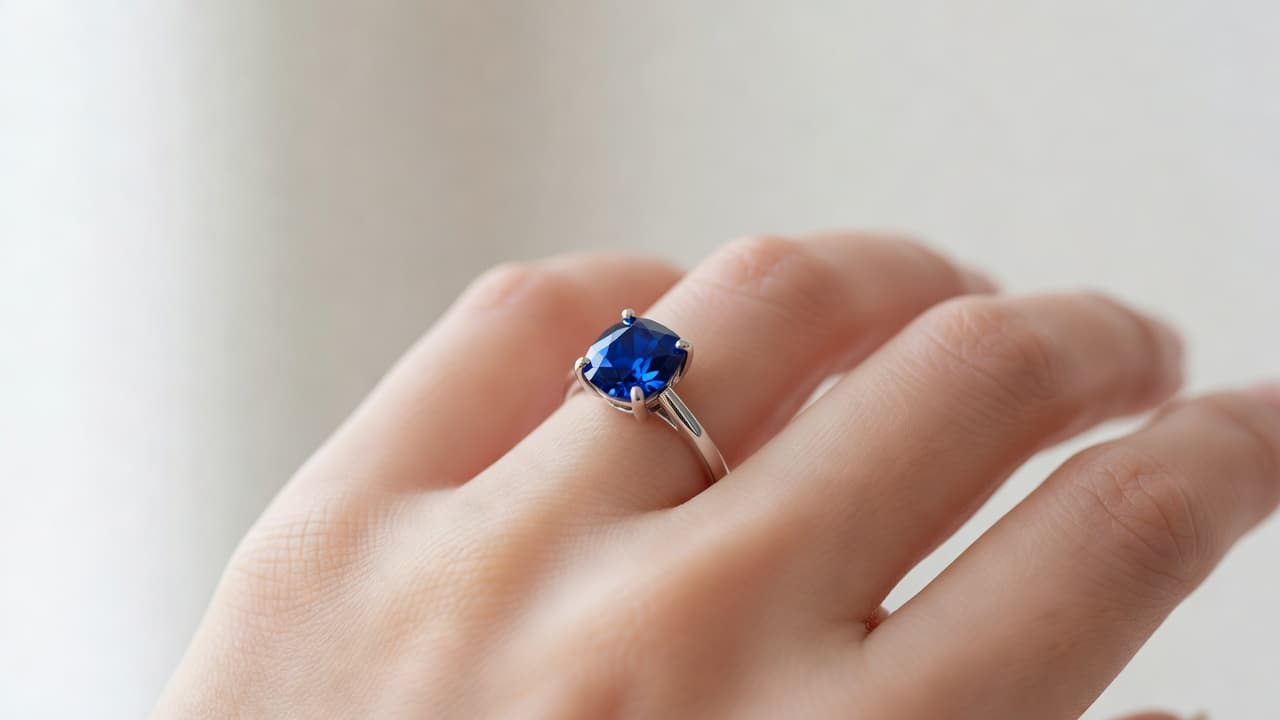
AI-generated image: A classic blue sapphire ring shown in soft natural light.
The appeal is also cultural. Sapphires are often linked with loyalty, calm and steady commitment, which is why they suit engagement rings and anniversary gifts so well. At the same time, they can feel more individual than a plain diamond ring. A strong coloured stone changes the whole mood of a piece.
The appeal of sapphire beyond the classic blue stone
Blue sapphire rings remain the benchmark, but sapphire is not one-colour jewellery. Pink sapphire rings, alongside yellow, green and white stones, all sit within the same family. That opens the door to very different looks, from soft pastel rings to sharper, brighter statement pieces.
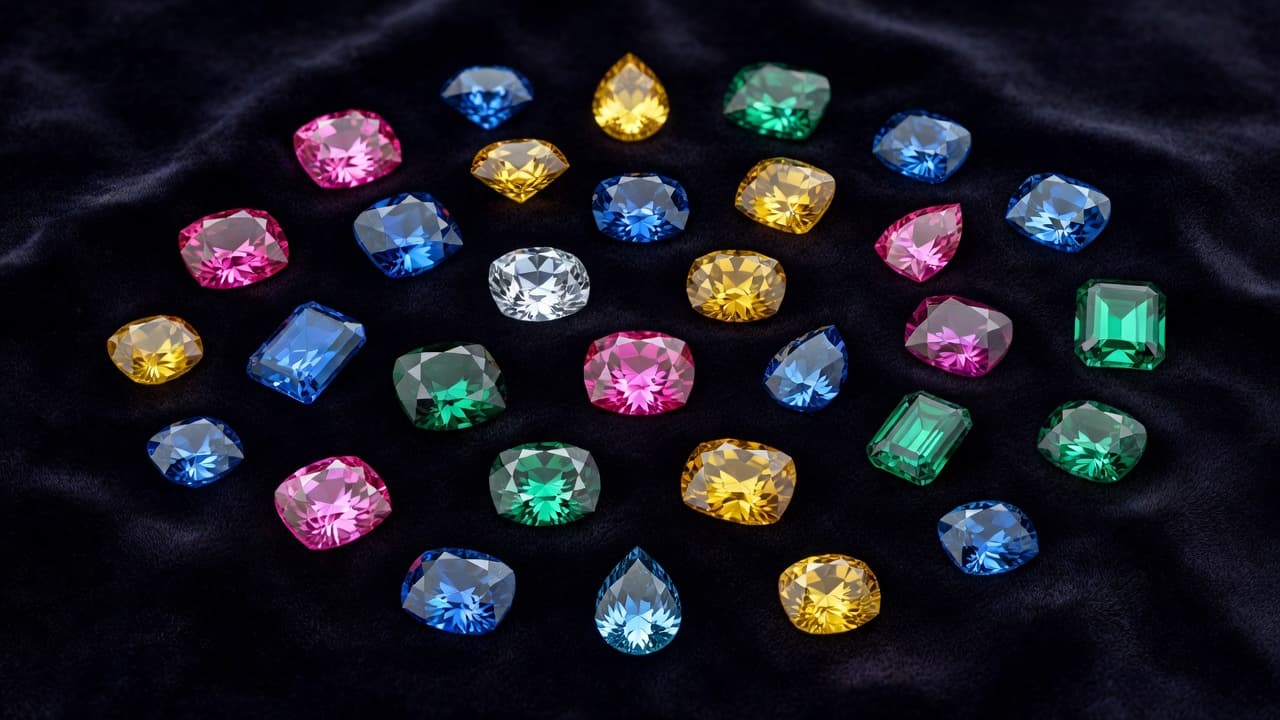
AI-generated image: Sapphires also appear in pink, yellow and green, not only blue.
For that reason, sapphire works across styles. A white sapphire can look restrained and modern. A yellow stone can feel vintage. Pink often suits delicate settings, while green can look unusual without becoming theatrical. The range helps buyers who want colour without moving into softer gemstones that scratch more easily.
Why sapphire suits both special occasions and everyday wear
A well-set sapphire ring can move between roles with ease. It can be one of those Sapphire engagement rings, an heirloom piece, a birthday gift or a self-purchase that gets worn every week. Much depends on cut and setting, yet the stone itself adapts well.
Because sapphire is hard-wearing, it does not demand the same caution as opal or pearl. Yet it still looks formal enough for a special event. That balance is rare. Few gemstones feel sturdy and elegant at the same time.
How to judge sapphire quality before buying
The best sapphire ring is not always the largest one, nor the most expensive. Value comes from the relationship between stone quality, design and wearability. In practice, colour often matters more than size.
In most sapphire rings, colour has more impact than carat weight.
Colour, clarity, cut and carat weight, explained simply
For blue sapphires, the most sought-after stones tend to show a rich, even blue with some life in the surface. If the tone is too dark, the stone can look inky indoors. If it is too pale or grey, it can lose presence. Strong colour is often what turns a pleasant ring into a memorable one.
Clarity matters, but it should be judged with common sense. Many natural sapphires contain tiny internal marks. A few inclusions are normal and do not automatically lower beauty. The problem starts when marks are obvious to the naked eye or interrupt the stone’s brightness.
Cut affects how the sapphire handles light. Oval, cushion and emerald cuts are common. A good cut gives balance, symmetry and a lively face-up appearance. Carat weight affects size and price, yet bigger is not always better if the colour is weak or the cut is poor.
This quick comparison keeps the main points in view:
| Factor | What to look for | What can go wrong |
|---|---|---|
| Colour | Rich, even tone with visible life | Too dark, too pale, or greyish |
| Clarity | Clean look at normal viewing distance | Visible marks that distract |
| Cut | Good shape, balance and light return | Dull face, uneven outline |
| Carat weight | Size that suits the design and budget | Paying for size over beauty |
The strongest rings usually get these elements into balance. A smaller sapphire with fine colour often looks better than a larger stone chosen for size alone.
Natural, treated and lab-grown sapphires, what the difference means
Many sapphires on the market are heat-treated. That treatment can improve colour or clarity, and it is common across fine jewellery. It does not make a stone fake, but it should be disclosed because treatment affects value.
Genuine gemstones that remain untreated usually command higher prices, especially when colour is strong. Lab-grown sapphires sit at the other end of the market. They have the same basic composition as natural sapphire, yet they cost less because they are made under controlled conditions. For buyers who want the look and durability without the natural-stone premium, that can make sense.
Settings that protect the stone and change the style
The setting shapes both appearance and lifespan. A solitaire gives the sapphire full attention, while a halo engagement ring can make a centre stone look larger and brighter. Three-stone rings often suit engagement or anniversary pieces because they carry more visual weight. Cluster styles create sparkle at a lower cost than a large centre stone.
Beyond the setting style, your choice of metal plays a significant role. A platinum diamond sapphire piece offers a crisp, cool aesthetic that enhances the blue tones of the gem. If you prefer warmth, 18ct yellow gold provides a classic, traditional look, whereas 18ct white gold offers a modern finish that maintains the focus on the sapphire’s natural hue.
Security matters as much as style. Bezel settings protect the edges well, while claw settings show more of the stone but need periodic checks. Lower-profile rings tend to be easier for daily wear because they catch less on knitwear, pockets and hair.
Choosing a sapphire ring that suits the person and the occasion
A sapphire ring should fit the life around it. An engagement ring worn every day needs different priorities from a cocktail ring or milestone gift. Taste matters, but so do comfort, work habits, and long-term upkeep.
Picking the right metal for the stone and the skin tone
White gold and sapphire pairings tend to sharpen the coolness of blue stones. They suit clean, modern designs and often make the sapphire look brighter. Yellow gold and sapphire combinations warm the overall look, which can soften a dark blue stone and bring out vintage detail. Rose gold adds contrast and can flatter pink or teal-leaning sapphires.
Silver is the lowest-cost route, but it is softer than gold or platinum and may need more upkeep. Quality metals like platinum are dense and durable, making them ideal for lasting jewellery. White gold usually costs less than platinum, though rhodium-plated finishes may need refreshing over time.
Finding the right ring for everyday use or a one-off occasion
Designs meant for everyday wear ask for restraint. A lower setting, secure claws or a bezel edge, and a band that feels solid all help. People who work with their hands, type all day, or wear gloves often notice ring height more than they expect.
Occasional rings can be more dramatic. Larger halos, taller settings, and ornate shoulders may suit evening wear or a gift ring worn a few times a month. Those details can look striking, but they are less forgiving in daily use.
Sizing, fit and comfort details that are easy to overlook
In the UK, ring sizes often use letters rather than numbers. Online listings may also show inner diameter in millimetres, so both systems are worth checking. A wide band can feel tighter than a slim one, and a high-set stone can change how the ring sits between the fingers.
Comfort depends on more than size. Band width, inside profile, stone height, and the way the ring stacks with a half eternity ring or wedding band all affect wear. Cold hands can give a false measurement, so sizing is usually more reliable at room temperature or later in the day. A beautiful ring that catches on everything often ends up unworn.
Buying sapphire rings online without wasting money
Online jewellery shopping can offer a superior range and easier price comparison than the high street, though it can also mask poor quality behind polished photography. The savings are only truly realised when the listing is specific and the retailer is transparent.

AI-generated image: Checking ring size and product details before ordering online.
What to check on a product page before ordering
The strongest product pages explicitly state the gemstone type, stone dimensions, metal type, total ring weight, and any treatments. They also describe the setting clearly and provide side profile photos, rather than relying solely on glamour shots. When browsing a sophisticated jewellery collection, look for details regarding interest free credit options and secure home delivery, as these are often markers of a reputable seller. If you are considering diamond sapphire rings, ensure the description provides specific details for both types of stones, as the combination requires a more nuanced explanation of quality. For higher value pieces, grading notes or a certificate of authenticity should be provided to build confidence.
Written detail matters significantly more than sales language. Buyers should also verify resizing terms, warranty information, and any mention of UK hallmarking. A hallmark is not mere decoration, it is the official proof of the precious metal standard.
How to compare prices without missing hidden costs
The headline price rarely tells the full story. Delivery charges, resizing fees, return postage, and transit insurance can quickly change the value of a deal. If the seller is based outside the UK, be prepared for import VAT, customs duty, and additional courier handling fees.
A like for like comparison is often more difficult than it appears. One ring might feature a natural sapphire in solid 18 carat gold, while another uses a lab grown stone set in gold vermeil or plated silver. Both can appear similar in digital photographs, but the materials differ significantly, and the long term value is not the same.
Return policies, certificates and proof of quality
A fair returns window is essential because jewellery behaves differently in person than it does on a screen. Colour can shift under various home lighting conditions, and the height of the ring setting might be unexpected. Gift purchases require even greater flexibility.
For expensive rings, an independent certificate or stone report is highly recommended, although not every modestly priced sapphire will include one. Regardless of price, always keep your receipts, screenshots of the original listing, and any valuation documents. Maintaining this paper trail is vital for future returns, potential resale, and insurance claims.
Caring for a sapphire ring so it keeps its value and shine
Cleaning your sapphire ring regularly is the best way to maintain its brilliance, as sapphire is a durable gemstone that still requires consistent maintenance. Dirt easily collects under settings, and loose claws can quickly turn a strong purchase into a costly repair job.
A simple routine goes a long way:
- Clean the ring with warm water, mild soap, and a soft brush to remove daily build up.
- Store your jewellery separately, as even hard sapphire rings can scratch softer gemstones or damage other diamond sapphire rings if they are not kept in individual compartments.
- Have the setting checked by a professional from time to time, especially if you notice the claws catching on fabric or clothing.
- Keep all purchase records, photographs, and any official valuation documents safely for insurance purposes.
Regular care protects the appearance of your jewellery, but it also protects its long term value. That matters most with pieces worn every day, so staying proactive ensures your ring remains a cherished heirloom for years to come.
Frequently Asked Questions
Are sapphires only available in blue?
No, while blue is the most iconic colour, sapphires occur in a wide spectrum including pink, yellow, green, and white. This diversity makes them an excellent choice for those wanting a unique, coloured gemstone that remains hard-wearing and sophisticated.
Can I wear my sapphire ring every day?
Yes, sapphire is one of the most durable gemstones available, making it ideal for daily engagement or dress rings. To keep it in peak condition, ensure you have the setting professionally checked periodically to confirm the stone remains secure in its claws or bezel.
How should I clean a sapphire ring at home?
You can maintain your ring’s sparkle by using a mixture of warm water and mild soap with a soft brush to gently remove daily debris from under the setting. Regular, gentle cleaning prevents the buildup of oils and dirt that can dull the stone’s natural brilliance over time.
What does ‘heat-treated’ mean for my sapphire?
Heat treatment is a common, accepted practice in the jewellery trade used to enhance a stone’s natural colour or clarity. It is important to confirm whether your stone is treated, as natural, untreated sapphires are rarer and typically carry a higher premium.
Conclusion
Sapphire rings remain a lasting choice because they balance romance with everyday practicality. The stone offers rich colour, deep meaning, and sufficient hardness for constant wear, yet quality still depends on the fine details rather than reputation alone.
Whether you are seeking a thoughtful birthstone gift for a loved one or a milestone anniversary present, the diversity of the modern market ensures there is a perfect match for every individual. From traditional blue and pink varieties to the striking, modern appeal of black sapphire rings, your options are extensive.
The sharpest purchases usually come down to a few plain questions. Is the colour strong, is the setting secure, does the metal suit the intended use, and does the online listing explain exactly what is being sold without evasive language? When beauty, durability, and budget are weighed together, a sapphire ring stops being a gamble and becomes a well-judged, cherished piece of jewellery.
Explore our Buyers Guides and Reviews
For a list of our main buyers guides use the drop-down menu at the top of the page. Topics related to this article are:
–
Explore Our Blog Categories for Expert Buying Advice
- AI Powered Product Finder Tools (25)
- Expert Buying Guides & Shopping Tips for UK Shoppers (1,367)
- Brands & Designer Products (Men, Women & Electronics) (273)
- Designer Fashion Brands: Buyer’s Guides & Reviews (153)
- Electronic Brands: Buyers Guides & Reviews (86)
- Apple Products Buyer’s Guides & Reviews (24)
- Brands – Phones, Laptops, PC”s, Tablets | Buyer’s Guides & Reviews (42)
- Electronics – Tablet & iPad Reviews and Buyers Guides (11)
- Kitchen Appliance Brands: Buyer’s Guides & Reviews (22)
- Laptop Brands & MacBooks Buyer’s Guides & Reviews (9)
- Phone Brands & iPhones Buyer’s Guides & Reviews (23)
- Car Buying & Financing Made Easy | Expert Guides for the UK (89)
- Clothing, Fashion & Accessories Buying Guides UK (454)
- Beauty, Health & Wellness | Perfume, Skincare, Makeup & Wellbeing Guides (165)
- Footwear: Trainers & Shoes Buyers Guides (46)
- Jewellery: Expert Reviews, Trends & Buying Guides (71)
- Men's Clothes — Buyers Guides & Reviews (38)
- Men’s Clothes, Fashion & Accessories Guides UK | Latest Trends & Smart Shopping (156)
- Women's Clothing Buyers Guides — Dresses, Tops & More (173)
- Women’s Clothes, Fashion & Accessories Guides UK | Latest Trends & Smart Shopping (395)
- Electronics, Tech & Gadgets: Reviews, Deals & Buying Guides UK (170)
- Furniture Buyer’s Guides | Home & Garden & Styling Tips (313)
- Bedroom Furniture Guides UK | Expert Tips & Best Value Deals (91)
- Garden Furniture, Landscaping & Garden Rooms Guides UK | Expert Tips & Best Value Deals (158)
- Garden Sofa & Sofa Sets Buyers Guides (11)
- Garden Tables & Chairs: Sets, Individual Tables & Seating Buyers Guides (42)
- Home Furniture, Décor & Interior Design Guides UK | Styling Tips & Inspiration (167)
- Living Room Furniture, Design & Décor Guides UK | Styling Tips & Inspiration (57)
- Sofa & Sofa Beds Buyers Guides (19)
- Sofa Beds Buyers Guides (7)
- Sofa Buyers Guides & Expert Advice (11)
- Holidays & Travel: Hotels, Villas & Flights (158)
- Home & Garden Improvements | Renovations & Outdoor Transformation Guides (99)
- Insurance & Protection: Travel, Landlord, Gadget & More UK (159)
- Gadget Insurance UK | Expert Guides, Reviews & Smart Protection Tips (33)
- Home Emergency Cover UK | Expert Guides, Reviews & Practical Protection Tips (21)
- Landlords Insurance UK | Expert Guides, Reviews & Smart Protection Tips (31)
- Travel Insurance UK | Expert Guides, Reviews & Money-Saving Tips (34)
- Pets: Guides, Tips & Inspiration (26)
- Brands & Designer Products (Men, Women & Electronics) (273)
- Gifts for Everyone: Ideas for Every Occasion & Budget (45)