July has one of the clearest birthstone identities in the calendar. The month is tied above all to ruby, a gemstone whose saturated red colour has carried status, sentiment, and expense for centuries.
Some older lists also connect July with carnelian, which explains why sources do not always match. Yet in modern British jewellery, ruby is the recognised standard. That matters because the July birthstone remains a popular choice for birthday gifts, anniversaries, self-purchase, and family tokens.
The appeal is easy to trace. A birthstone turns jewellery into something more personal, whilst still working as an everyday object. The July birthstone carries that balance unusually well, so its history, gemstone meaning, styling, and buying details are worth a closer look.
Key Takeaways
- Ruby is the universally accepted modern birthstone for July, prized for its saturated red colour and historical significance.
- While older traditions occasionally cite carnelian as an alternative, it is not considered the standard in contemporary British jewellery.
- Ruby carries long-standing symbolism associated with passion, protection, and vitality, making it a highly meaningful gift for anniversaries and birthdays.
- When purchasing, prioritise transparency regarding whether the ruby is natural or lab-grown and look for clear documentation on treatments.
- Regular, gentle cleaning and annual professional inspections are essential to maintain the stone’s brilliance and ensure the security of its setting.
What is the July birthstone, and why does it have two recognised stones?
The modern answer is simple. The July birthstone is ruby, a gem that perfectly captures the vibrant energy of the Cancer star sign, which spans most of this month. Confusion regarding the birthstone often arises from older birthstone systems, regional habits, and the gradual standardisation of jewellery trade practices. Some historical and alternative lists also mention carnelian, a red to orange-red stone that once held a more prominent place in traditional birthstone lore.
Ruby as the classic July birthstone
Ruby is the primary July birthstone in the modern system used by most reputable jewellers. It is a red variety of corundum, and fine examples are rare enough to sit near the top of the precious stones market. That combination of deep colour, natural scarcity, and long use in royal and ceremonial regalia has given the ruby an unusual cultural weight.
For those born in July, this red gemstone is often the most desirable option because it is truly unmistakable. A high-quality ruby does not need any explanation, as its rich saturation carries the whole message.
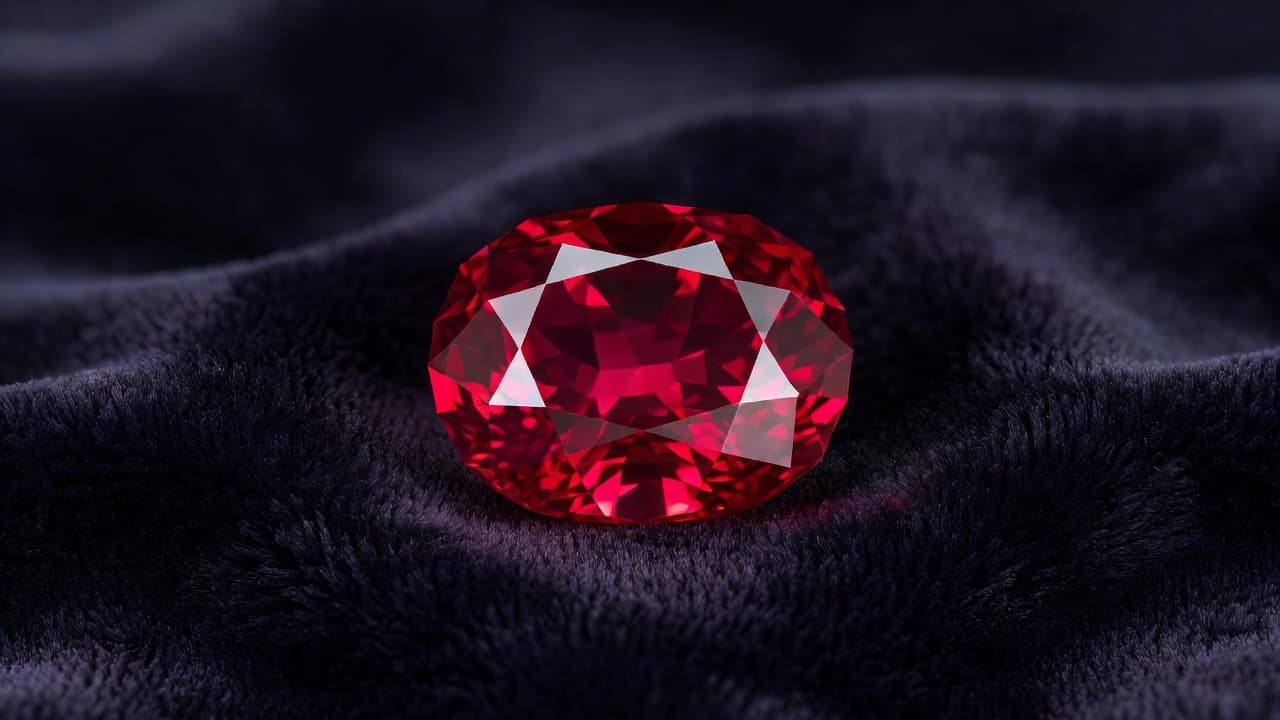
AI-generated image: a close view of the classic July birthstone.
Where carnelian fits into July birthstone history
Carnelian appears in some older or less common birthstone lists because traditions were never fully fixed. Before modern jewellers settled on a standard set, months could carry more than one stone depending on the region, religious traditions, or various printed guides.
That does not put carnelian on equal footing with the ruby today. It does provide useful context, however, especially for readers interested in historical jewellery or heirloom pieces. While carnelian helps to explain the mixed historical record, ruby remains the accepted modern choice for a July birthstone.
The history and symbolism behind July birthstone jewellery
Ruby’s place in jewellery was never based on colour alone. Red stones drew attention in courts, temples, and treasuries because they looked alive in candlelight and daylight alike. Across parts of Asia, the Middle East, and Europe, ruby came to signal rank, wealth, and emotional force.
Why ruby has long been linked with passion, courage, and protection
Ruby’s symbolism is fairly stable across time. The July birthstone is commonly tied to love and passion, courage, and confidence, as well as good fortune. Those links grew from its colour, which people associated with blood, heat, and vitality. In older traditions, red gems were also thought to guard the wearer from harm.
Such beliefs should be read as cultural meaning, not proof of magical power. Still, the language endured because the stone made the idea plausible. Bright red gems were scarce, memorable, and costly, so rulers and collectors treated them as objects worth protecting and displaying, often placing them in the same high regard as other precious stones like diamond.
How July birthstone traditions evolved over time
Birthstone lists changed because trade changed, taste changed, and printed guides did not always agree. Early links between stones and months grew out of older religious and astrological traditions. Later, jewellers and publishers simplified those systems for shoppers.
The modern list used across much of the jewellery trade took shape in the early 20th century, when industry groups in the United States pushed for standard monthly stones. That is why current guides tend to favour ruby for July, whilst older references sometimes preserve alternatives such as carnelian.
Popular July birthstone jewellery for gifts and personal wear
Ruby jewellery works across a wide spread of designs because its vibrant colour carries well at different sizes. A small stone can look crisp and wearable, while a larger ruby jewellery piece can dominate an outfit without feeling gaudy.
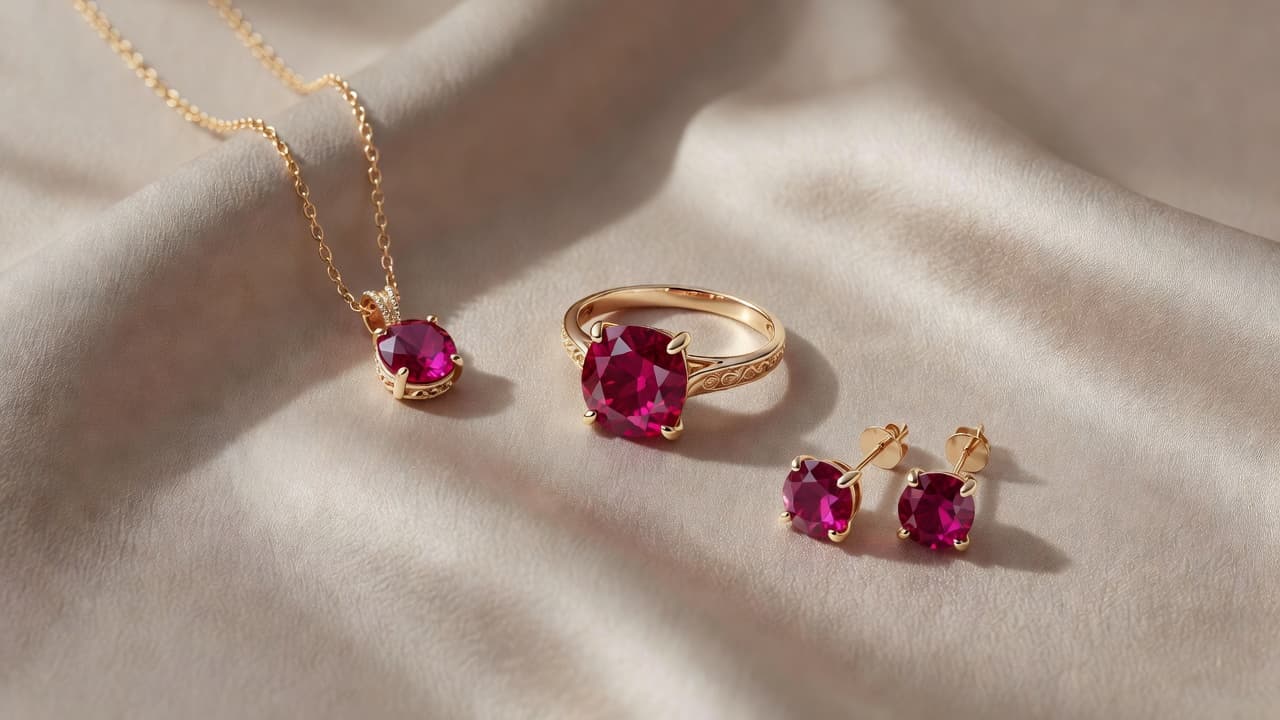
AI-generated image: popular ruby jewellery styles for gifting and personal wear.
Ruby rings, pendants, earrings, and bracelets
Ruby rings remain the classic choice, especially for milestone birthdays and family gifts. They put the stone front and centre, but they also take the most wear, so the setting matters. A ruby pendant is often softer in tone, making it perfect for birthdays, christenings, and anniversaries because it is easy to size and comfortable to wear. If you prefer a layered look, a delicate ruby necklace serves as a stunning focal point.
Ruby earrings and a matching ruby bracelet often feel more practical for daily use. Small ruby studs add a touch of colour without dominating an outfit. Meanwhile, a bracelet can sit comfortably in a collection, styled alongside gold chains or a classic watch. While statement pieces exist, most buyers choose restraint and let the quality of the stone do the work.
What makes a July birthstone piece feel like a thoughtful gift
Birthstone jewellery is consistently popular because it carries a built-in personal link. This makes these items ideal birthday gifts for graduations, new-parent celebrations, and major anniversaries, where buyers often seek meaning rather than decoration alone. Because they act as thoughtful personalised gifts, a ruby piece can be tailored to the occasion through metal choice, engraving, or a setting style that feels either formal or understated.
In beauty gifting, ruby jewellery is sometimes paired with perfume or aftershave. The fragrance may set the mood, but the jewellery usually carries the longer memory, staying in a wardrobe long after the bottle is finished.
Styling July birthstone jewellery with women’s clothing and men’s accessories
Ruby jewellery is easier to style than its strong colour suggests. On women, it works especially well with open necklines, simple black dresses, cream blouses, navy tailoring, and winter knitwear. A pendant brings welcome colour to a plain shirt, while stud earrings can sharpen a soft dress without adding unnecessary weight.
For men, the best use of ruby jewellery is usually selective. A signet ring with a small ruby, discreet cufflinks, a tie pin, or a fine bracelet can add character without tipping into costume. Deep red stones also sit well against charcoal, midnight blue, and crisp white shirts. In that setting, the stone reads as controlled rather than flashy.
How to choose a ruby that looks beautiful and lasts
Price gaps in ruby jewellery can be wide, even when two pieces seem similar at first glance. The difference usually comes down to colour, cut, clarity, treatment, and the quality of the mount.
Colour, cut, and clarity in simple terms
Colour is usually the biggest factor. The most sought-after rubies show a vivid, intense red often described as pigeon’s blood, which offers a rich, lively depth without looking dull. Brownish or overly purple tones tend to lower appeal.
Cut shapes the stone’s brightness and balance. A well-cut ruby reflects light evenly and looks alive across the surface. Clarity matters too, although rubies often contain natural inclusions. The question is not whether the stone is flawless, but whether it looks clean and attractive to the eye.
Natural ruby, lab-grown ruby, and treated stones
Natural rubies are mined, rarer, and usually more expensive. Lab-grown rubies share the same basic chemistry, but they are made under controlled conditions, so they often offer stronger colour for less money. That makes them a sensible option for buyers who want the look without the premium attached to scarcity.
Treatments also matter. Heat treatment is common in coloured gemstones, including ruby, and it can improve colour and clarity. There is nothing wrong with a treated stone when the treatment is disclosed. The problem starts when a listing leaves the point vague.
If a seller will not state whether a ruby is natural, lab-grown, or treated, the description is incomplete.
Which metal and setting suit a July birthstone best
Yellow gold gives ruby a classic, warm look. White gold feels sharper and more modern. Rose gold softens the red and can look especially good in romantic or vintage-style pieces. While solid gold remains the most durable choice for heirlooms, silver-toned settings like sterling silver are popular for lower-priced jewellery, although the overall look is often less formal.
The setting matters as much as the metal, especially in rings and bracelets. Ruby is hard, but hard stones can still chip on a bad knock. Secure claws, protective halos, and sturdy bezels make more sense for daily wear than delicate, exposed settings.
Buying July birthstone jewellery online without getting caught out
Online jewellery shopping has obvious strengths. It offers more styles, more price points, and easier comparison across similar pieces. It also makes weak listings easier to hide behind polished photography.
Why online shopping can offer better choice and value
Online browsing lets buyers compare stone size, metal type, weight, and design side by side. That helps when judging value, because a modest change in stone dimensions or gold content can shift the price sharply. Online sellers also tend to carry a broader mix of classic, fashion-led, and customisable ruby jewellery than a single high street shop can hold.
Better pricing is part of the appeal as well. Wider competition often pushes prices down, or at least makes mark-ups easier to spot. Yet convenience only works when the listing is detailed and honest, especially when you are searching for the perfect July birthstone gift.
The checks that matter before placing an order
Clear product descriptions matter most. A good listing states whether the stone is natural, lab-grown, or treated; gives the stone size in millimetres or carats; and explicitly names the metal, such as solid gold or sterling silver. You should also look for images shown in steady, natural lighting. Ring sizing, delivery times, returns, and warranty terms also need to be plain.
After purchase, documentation matters. A receipt, certificate where relevant, and proof of purchase help with resale, repair, or insurance. That point is often missed. Some contents policies cap jewellery claims or require high-value ruby jewellery pieces to be listed separately, so keeping your paperwork in order is common sense.
How to avoid common mistakes when buying gemstones online
The warning signs are familiar. Vague language, unrealistic prices, missing metal details, and poor customer feedback usually point to trouble. Claims about rare stones deserve extra caution unless the seller backs them up with proper information.
Reviews help, but they are only one part of the picture. The safer approach is to compare several listings, read the fine print, and check whether the company has a credible record of handling returns and complaints. Shiny photography should never do the whole job.
How to care for July birthstone pieces so they keep their colour and shine
Ruby is incredibly durable, but fine ruby jewellery still needs routine care to stay in top condition. Pieces worn every day often collect dirt, skincare residue, and minor knocks that can dull their appearance over time.
Simple cleaning and storage habits that make a difference
Warm water, mild soap, and a soft cloth are enough to clean most pieces. You can use a soft brush to gently clean around the setting if dirt or dust gathers there. Avoid using harsh chemicals, especially if your piece includes other delicate gemstones or plated metal components.
Storage habits are just as important for longevity. You should keep your items separately in soft pouches or lined boxes so that harder surfaces do not scratch softer materials nearby. It is also wise to remove your jewellery before participating in sports, doing housework, or going on rugged trips to prevent unnecessary damage.
When a professional check is worth it
It is recommended that a professional jeweller inspects your collection once a year. They can check for loose stones, worn claws, weak clasps, and bent settings before the problem grows. This is particularly vital for ruby rings and any ruby bracelet you wear regularly, as these items take much more impact than pendants or earrings.
Regular professional checks protect both the appearance and the long-term value of your collection. Most importantly, these simple maintenance appointments reduce the risk of a minor repair turning into a lost stone.
Frequently Asked Questions
Is the July birthstone always a ruby?
In the modern jewellery trade, ruby is the definitive July birthstone. While some historical or regional lists may reference carnelian, ruby is the standard choice recognised by almost all contemporary jewellers.
Are lab-grown rubies inferior to natural ones?
Lab-grown rubies share the same chemical composition and hardness as natural rubies. They are often a practical choice for buyers seeking high colour quality and clarity at a more accessible price point.
How should I clean my ruby jewellery?
Use warm water, a mild soap, and a soft cloth to gently clean your pieces. For detailed settings, a soft brush can help remove residue, but avoid harsh chemicals that could damage the metal or other stone components.
What should I look for when buying a ruby online?
Always check the product description for details on stone origin, treatment status, and the metal used. Ensure the seller provides clear photography in natural light and has a transparent returns policy.
Conclusion
Ruby remains the definitive July birthstone because it combines vibrant colour, rich history, and deep symbolic meaning in a way few gems can match. While carnelian still appears in some traditional lists, it is the ruby that remains at the centre of the story. Whether you are choosing a gift or a personal treat, investing in quality ruby jewellery is a decision that celebrates both style and sentiment.
0What truly lasts is the double life of this stone. A ruby works as a stunning piece of ornament, yet it also acts as a marker of date, memory, and personal taste. That is why July birthstone jewellery retains its timeless appeal; whether it is selected for a birthday, integrated into a modern wardrobe, or kept for generations as a cherished ruby necklace, it serves as a small but significant piece of family history. These precious stones continue to captivate, ensuring that your chosen red gemstone remains a symbol of beauty and luxury for years to come.
Explore our Buyers Guides and Reviews
For a list of our main buyers guides use the drop-down menu at the top of the page. Topics related to this article are:
–
Explore Our Blog Categories for Expert Buying Advice
- AI Powered Product Finder Tools (26)
- Expert Buying Guides & Shopping Tips for UK Shoppers (1,318)
- Brands & Designer Products (Men, Women & Electronics) (268)
- Designer Fashion Brands: Buyer’s Guides & Reviews (148)
- Electronic Brands: Buyers Guides & Reviews (85)
- Apple Products Buyer’s Guides & Reviews (23)
- Brands – Phones, Laptops, PC”s, Tablets | Buyer’s Guides & Reviews (41)
- Electronics – Tablet & iPad Reviews and Buyers Guides (11)
- Kitchen Appliance Brands: Buyer’s Guides & Reviews (22)
- Laptop Brands & MacBooks Buyer’s Guides & Reviews (9)
- Phone Brands & iPhones Buyer’s Guides & Reviews (22)
- Car Buying & Financing Made Easy | Expert Guides for the UK (89)
- Clothing, Fashion & Accessories Buying Guides UK (431)
- Beauty, Health & Wellness | Perfume, Skincare, Makeup & Wellbeing Guides (155)
- Footwear: Trainers & Shoes Buyers Guides (46)
- Jewellery: Expert Reviews, Trends & Buying Guides (71)
- Men's Clothes — Buyers Guides & Reviews (38)
- Men’s Clothes, Fashion & Accessories Guides UK | Latest Trends & Smart Shopping (147)
- Women's Clothing Buyers Guides — Dresses, Tops & More (163)
- Women’s Clothes, Fashion & Accessories Guides UK | Latest Trends & Smart Shopping (376)
- Electronics, Tech & Gadgets: Reviews, Deals & Buying Guides UK (169)
- Furniture Buyer’s Guides | Home & Garden & Styling Tips (301)
- Bedroom Furniture Guides UK | Expert Tips & Best Value Deals (92)
- Garden Furniture, Landscaping & Garden Rooms Guides UK | Expert Tips & Best Value Deals (149)
- Garden Sofa & Sofa Sets Buyers Guides (10)
- Garden Tables & Chairs: Sets, Individual Tables & Seating Buyers Guides (32)
- Home Furniture, Décor & Interior Design Guides UK | Styling Tips & Inspiration (164)
- Living Room Furniture, Design & Décor Guides UK | Styling Tips & Inspiration (56)
- Sofa & Sofa Beds Buyers Guides (18)
- Sofa Beds Buyers Guides (7)
- Sofa Buyers Guides & Expert Advice (10)
- Holidays & Travel: Hotels, Villas & Flights (157)
- Home & Garden Improvements | Renovations & Outdoor Transformation Guides (96)
- Insurance & Protection: Travel, Landlord, Gadget & More UK (159)
- Gadget Insurance UK | Expert Guides, Reviews & Smart Protection Tips (33)
- Home Emergency Cover UK | Expert Guides, Reviews & Practical Protection Tips (21)
- Landlords Insurance UK | Expert Guides, Reviews & Smart Protection Tips (31)
- Travel Insurance UK | Expert Guides, Reviews & Money-Saving Tips (34)
- Pets: Guides, Tips & Inspiration (26)
- Brands & Designer Products (Men, Women & Electronics) (268)
- Gifts for Everyone: Ideas for Every Occasion & Budget (40)