Hotter shoes have long occupied a distinct place in the UK comfort footwear market, with the Hotter Comfort Concept centred on lighter construction, generous fitting options and easy fastening. The range’s Comfort Concept construction prioritises everyday wear over technical sport performance or high-fashion styling.
This review assesses the Hotter Comfort Concept on comfort, fit, materials, design, durability, value and the realities of buying online. Its Comfort Concept priorities reflect a comfort-led design philosophy, but comfort remains personal. A shoe that feels excellent on a wider foot or a long commute may feel too soft, narrow or warm for somebody else.
Key Takeaways
- Hotter Comfort Concept footwear focuses on cushioning, lighter construction and practical everyday fittings.
- The strongest choices tend to be walking shoes, smart-casual flats, boots and adjustable sandals.
- Fit can differ between styles, so width, fastening type and product fitting notes matter.
- Comfort features suit day-to-day walking and standing, but they don’t replace specialist footwear for technical activities.
- Online shopping can widen colour and size choice, provided the Comfort Concept purchase, total cost and returns policy are checked first.
Hotter Comfort Concept Shoes review: what makes the range different
The Hotter Comfort Concept description covers familiar footwear features: cushioned footbeds, flexible outsoles, lighter materials, room around the toes and easy-entry designs. The collection’s Comfort Concept approach is simple. Shoes should feel less restrictive during everyday wear. The Hotter Comfort Concept range aims to make ordinary walking, standing and travelling more manageable.
Some features are easy to check before purchase. Product descriptions may state whether an insole removes, whether a sole is flexible, or whether a fastening adjusts. Materials, lining type and any water-resistance claim should also be listed. Leather shoes may feel more structured, while breathable textile uppers can suit warmer conditions.
Broader claims about all-day comfort need more scrutiny. Cushioning can feel supportive for one wearer and unstable for another. The Hotter Comfort Concept fit also depends on foot shape, sock thickness and internal depth. A wearer choosing a Size UK 6 may still need a different style or fastening for a comfortable fit.
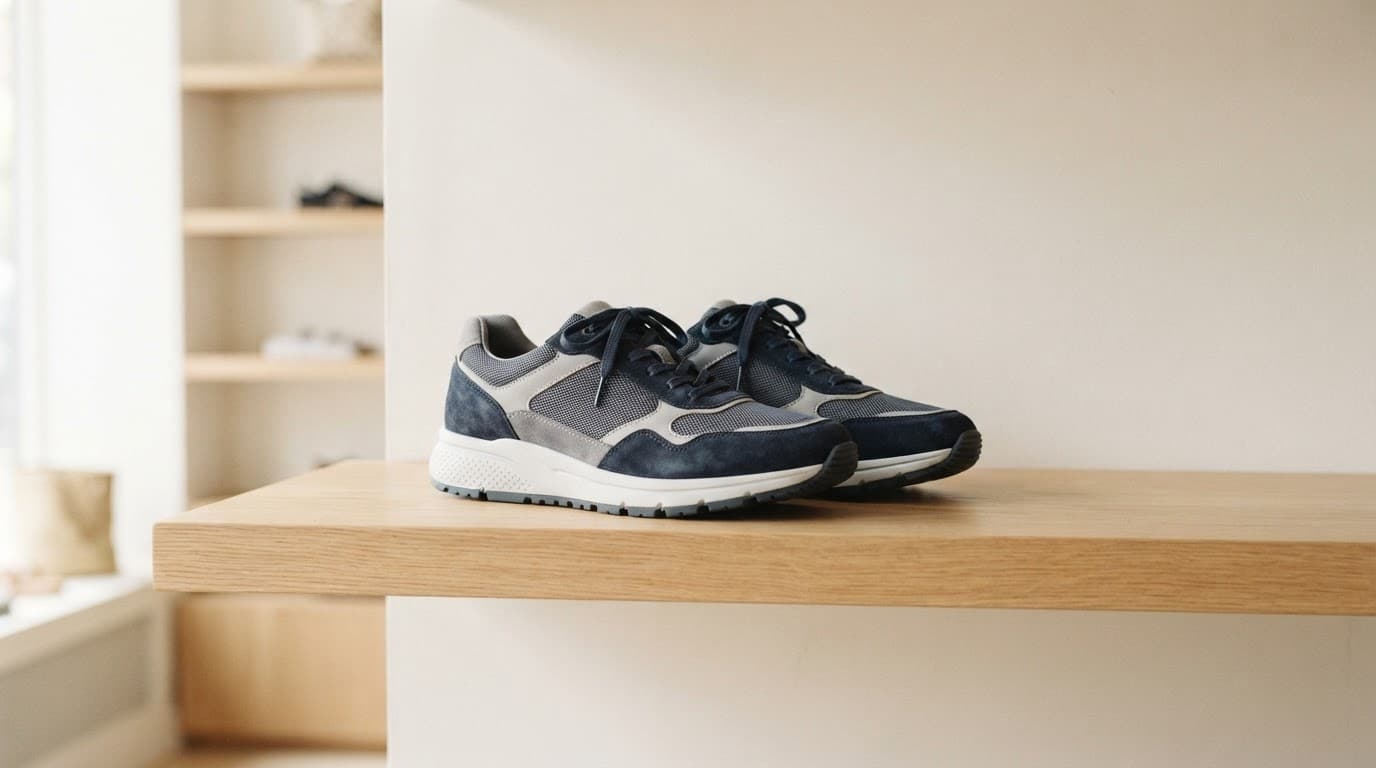
AI-generated image: a comfort-led walking shoe design in a neutral product setting.
Hotter Comfort Concept features that stand out most
Flexible soles are among the most useful details in the range. They allow the shoe to move with the foot rather than resisting each step. Combined with shock-absorbing midsoles, Comfort Concept cushioning can make pavements and station platforms feel less punishing.
Many styles also use padded collars, soft textile linings and adjustable laces, straps or touch-fastening tabs. Slip on shoes offer easy entry, while adjustable fastenings can provide a more precise fit. These features help accommodate feet that change slightly through the day. Removable insoles are valuable for wearers who prefer their own inserts, although Comfort Concept footbeds still need sufficient internal depth.
Heel stability matters more than dramatic cushioning in a shoe worn daily. A secure heel cup, a sensible sole width and a fastening that holds the foot in place often count for more than a very soft footbed. Hotter Comfort Concept styles with lace adjustment can improve security across the instep, particularly when compared with looser easy-entry designs.
Soft cushioning feels pleasant in a fitting room, but a secure heel and stable sole usually matter more after several hours outside.
How the shoes look, feel and perform in daily use
Hotter’s design language is practical, but it has moved beyond purely clinical-looking footwear. The Hotter Comfort Concept design includes trainers, loafers, ankle boots and sandals with muted leather finishes, clean stitching and shapes that work with casual trousers, skirts or workwear. Comfort Concept styling therefore feels easier to wear beyond purely casual settings.
Weight is a clear advantage in many pairs. A lighter shoe can reduce the effort of carrying each step, particularly during commuting or long days on the feet. Leather trainers provide a more structured alternative to breathable textile Comfort Concept trainers, although they may feel warmer. Break-in periods also tend to be shorter with softer uppers, though leather still needs time to settle.
Performance changes with the model. A breathable trainer is useful in warm weather but won’t offer the protection of a waterproof boot. Likewise, a low-profile loafer may suit office flooring yet provide less grip on wet leaves. Hotter Comfort Concept performance depends on the model, sock thickness, foot shape and walking pace. Each element can influence the result.
The Hotter shoes worth considering for different needs
The must-have parts of the Hotter Comfort Concept range are less about one named model and more about practical categories. Everyday trainers and Comfort Concept walking options suit regular use. Smart flats and loafers work with office wardrobes, while boots and sandals cover seasonal gaps.
| Footwear category | Likely strengths | Limits to consider | Best suited to | Relative price band |
|---|---|---|---|---|
| Trainers and walking shoes | Cushioning, grip, lighter build, including Hotter Comfort Concept walking shoes | Not designed for rough trails | Commuting and errands | Mid |
| Loafers and smart flats | Easy wear, understated styling | Less weather protection | Office and indoor work | Mid to premium |
| Boots | Toe coverage, warmer linings, stronger soles, including Hotter Comfort Concept boots | Can feel heavier | Autumn and wet days | Premium |
| Sandals | Adjustable straps, airflow | Limited protection in rain | Summer travel and daily wear | Mid |
The table shows why comparisons should focus on use, not headline price. A cheaper shoe with a poor fastening or unsuitable sole can quickly become poor value.
Everyday trainers and Comfort Concept walking options
For regular walking, Hotter Comfort Concept walking options with lace adjustment offer the most secure fit. Lace up shoes allow small changes across the instep. Slip on shoes favour speed and convenience, but neither style suits every foot or fitting preference.
A labelled Size UK 6 can fit differently between trainers and walking shoes. Check the shape, width and fastening rather than relying on the number alone.
Breathable textiles help during warmer commutes. Leather trainers and structured leather shoes can offer more support and easier cleaning, although they may feel warmer. A grippy rubber outsole is preferable for town pavements, supermarket floors and damp paths.
These are the products most worth trying for shoppers who spend time on foot but don’t need specialist hiking boots. The best Comfort Concept fit usually combines flexible uppers, cushioned stepping and everyday styling.
Hotter Comfort Concept work shoes, loafers and smart-casual styles
Office footwear often fails because it treats comfort as an afterthought. Hotter’s loafers, flats and low-heeled shoes place more emphasis on padded footbeds, softer linings and modest heel heights.
Flat shoes can include practical shapes such as Mary Jane flats, while women’s leather shoes offer a more structured option with trousers or dresses. Black leather shoes remain a realistic office-colour choice, although these are styling examples rather than guaranteed current models.
That approach makes sense for reception staff, teachers and others who stand for much of the day. A secure fit is still essential. Loose loafers can cause rubbing, whilst a narrow toe box can become uncomfortable by late afternoon.
The compromise is visual. Some shoppers will find the Comfort Concept approach more conservative than fashion-led alternatives. Those who value neat, low-fuss footwear may see that restraint as a strength. Leather loafers can also provide a smarter alternative to casual flats.
Hotter Comfort Concept boots, sandals and seasonal footwear
Boots need a sole with reliable tread, a fastening that makes entry easy and enough room for thicker socks. Hotter Comfort Concept boots may suit autumn commutes and wet days, but water resistance and full waterproof construction aren’t the same thing.
For summer, Comfort Concept sandals with adjustable straps are often the more useful purchase. Women’s sandals with forefoot and ankle adjustments allow changes in fit during travel or daily wear. Leather sandals can feel more structured, while wedge sandals offer modest height without the profile of a high heel.
Covered-toe styles provide more protection for mixed weather and busy journeys. Hotter Comfort Concept seasonal footwear remains better suited to everyday use than demanding outdoor routes.
Neither category is built for demanding mountain routes. Technical hiking requires purpose-made support, grip and weather protection.
Fit, sizing and value: are Hotter comfort shoes worth the price?
Hotter Comfort Concept Shoes can justify a higher price when their fit, construction and expected wear frequency suit the buyer. The Hotter Comfort Concept value comes from regular use, not simply the softest insole or lowest sale price. Leather shoes may cost more because of their material and construction, while black leather shoes can vary widely in price despite a similar appearance.
Both feet should be measured while standing, preferably later in the day. Hotter Comfort Concept sizing should follow the larger measurement. For a useful Comfort Concept fit, wear the socks you expect to use. Someone measuring Size UK 6 on one foot and Size UK 7 on the other should avoid assuming either label will fit every style.
Product fitting notes deserve close attention. Hotter Comfort Concept fit can change with width options, adjustable fastenings, upper material and removable insoles. An extra wide fit may be available, but this must be checked for the individual product. A Size UK 6 trainer and a Size UK 7 boot may both need separate fitting checks. Sale prices can improve the Comfort Concept value, but return conditions for discounted goods should be checked before payment.
Who is most likely to appreciate the brand
Commuters, regular walkers and people who stand at work are likely to value the lighter feel and forgiving uppers. Hotter Comfort Concept shoppers may also appreciate easy fastenings and roomier shapes. The Comfort Concept construction can suit anyone seeking less rigid everyday shoes.
People also tend to like the brand’s focus on familiar, wearable designs. Hotter Comfort Concept shapes generally prioritise getting through a day comfortably over chasing a seasonal silhouette.
Where the range may fall short
Soft cushioning doesn’t suit every foot. Some wearers prefer a firmer, more responsive base, while others need a narrower heel or a more sharply shaped arch area. Hotter Comfort Concept designs may therefore suit some feet better than others.
The range is also less suitable for formal events, serious running or technical hiking. Premium prices can make a poor fit feel especially disappointing, which is why trying more than one Comfort Concept shape is sensible. A trainer, loafer and boot can fit very differently despite sharing the same size label.
How to buy Hotter Comfort Concept Shoes online with confidence
Online shopping offers a broader choice of colours, sizes and widths than one shop floor can hold. Hotter Comfort Concept listings also make it easier to compare prices, especially during seasonal reductions. However, the listed price is only part of the total cost.
Delivery charges, potential return costs and the return window all matter before ordering. A lower price quickly loses its appeal if the wrong size cannot be returned fairly.

AI-generated image: comparing footwear details before an online purchase.
The checks to make before placing an order
Before buying a Hotter Comfort Concept pair, shoppers should confirm:
- The exact model, colour and UK size, such as Size UK 6, rather than relying on a product photograph.
- Available width fittings, upper and lining materials, sole type and insole details. These details help assess leather shoes and similar options accurately.
- Any stated waterproof rating, stock status and delivery charge.
- The returns window, return method and whether sale items carry different conditions. Check these terms carefully if comparing Size UK 7 with another size.
Saving the order confirmation and a copy of the product description is sensible. This record should show the Comfort Concept model, chosen colour and size if a return becomes necessary.
How to compare prices without judging on price alone
Like-for-like comparison matters when assessing Hotter Comfort Concept prices. Leather shoes with a removable footbed and adjustable fastening may cost more than a similar-looking alternative. Postage and return costs should be added before deciding which option is cheaper.
Where price history is available, it can show whether a sale is a genuine reduction or a short-term promotion. Warranty terms and after-sales support also have value, particularly for a Comfort Concept pair expected to be worn often.
Independent evidence, reviews and image guidance
Company descriptions explain intended features, but independent Hotter Comfort Concept reviews can reveal recurring issues with sizing, sole wear or stiffness. News reporting and encyclopaedic background may provide useful brand context, though neither replaces recent, product-specific feedback.
Review photographs are particularly useful because they show toe shape, sole depth and colour in ordinary light. For example, black leather shoes should match both the photograph and the written description. Comfort Concept fitting comments carry most weight when reviewers describe foot width, usual size and intended use.
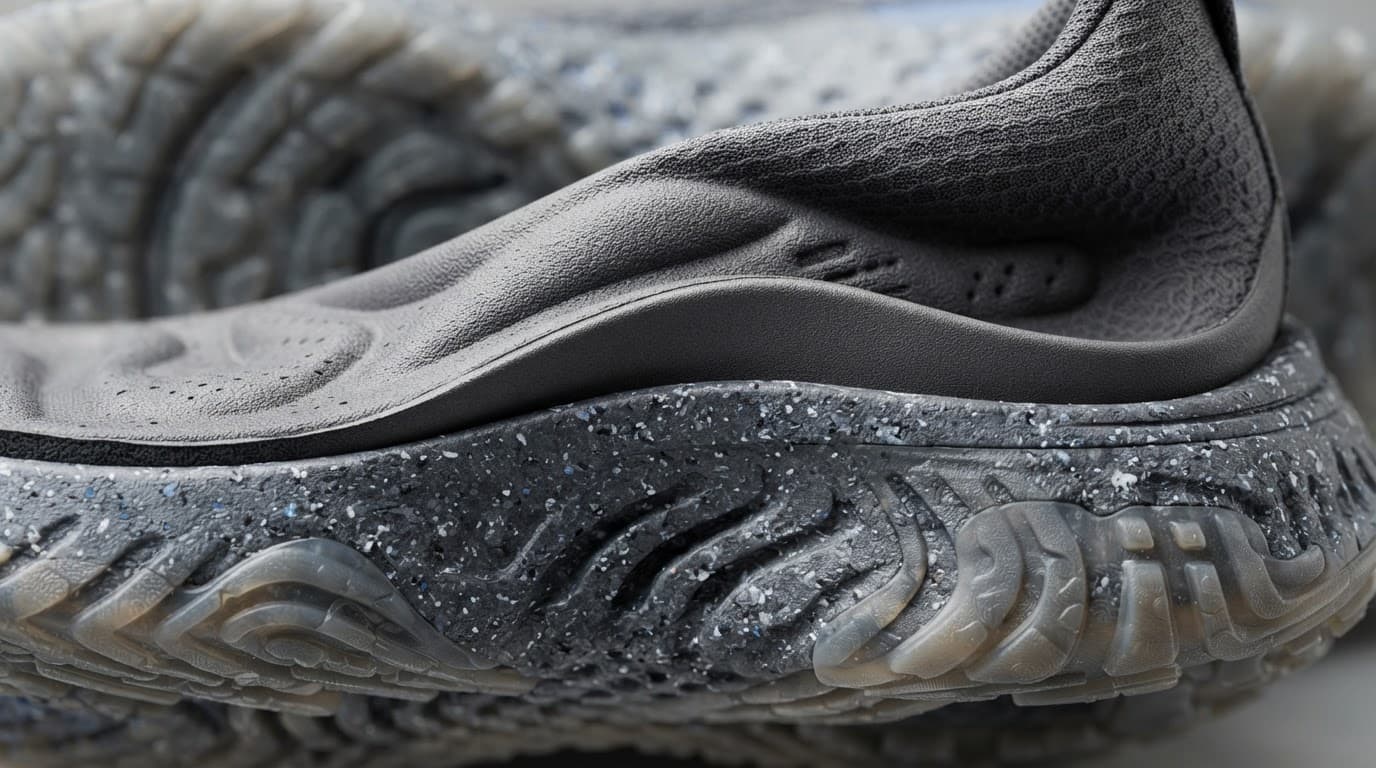
AI-generated image: close-up detail of cushioning and flexible sole construction.
Frequently Asked Questions
What are Hotter Comfort Concept shoes designed for?
Hotter Comfort Concept shoes are designed for everyday walking, commuting, errands and standing at work. They focus on lighter construction, cushioning, flexible soles and practical fastening options rather than technical sports performance.
Do Hotter Comfort Concept shoes offer a wide fit?
Some styles provide roomier shapes or extra wide fittings, but availability varies between products. Check the individual fitting notes, toe shape and fastening, as a Size UK 6 trainer and a Size UK 6 loafer may fit quite differently.
Are Hotter Comfort Concept boots waterproof?
Not necessarily. Some boots may offer water resistance, but this is different from fully waterproof construction, so check the product description before relying on them for prolonged wet-weather use.
Are Hotter Comfort Concept shoes worth the price?
They can offer good value when the fit, materials and intended use match the buyer’s needs. Value depends on regular wear, durability and total purchase costs, including delivery and potential return charges, rather than the lowest sale price alone.
Can Hotter Comfort Concept shoes be bought online confidently?
Yes, provided shoppers check the exact model, UK size, width, materials, insole details and returns policy before ordering. Measuring both feet later in the day and reading independent reviews can also reduce the risk of choosing the wrong fit.
Final Assessment
Hotter Comfort Concept suits everyday UK use, including commuting, errands, office days and steady local walking. Its practical construction, lighter feel and adaptable fit are the main strengths. Leather shoes in the range also suit its understated, everyday styling.
Its limits are equally clear. Shoppers seeking fashion-forward silhouettes, technical outdoor footwear or a very firm ride may find better options elsewhere. Comfort has a price and a visual character, and Comfort Concept’s appeal rests on whether that trade-off suits the life the shoes will actually lead.
Explore our Buyers Guides and Reviews
For a list of our main buyers guides use the drop-down menu at the top of the page. Topics related to this article are:
Laptop Insurance Buyers Guides
Gadget Insurance Buyers Guides
Home Emergency Cover Buyers Guide
Travel Insurance Buyers Guides
Car Breakdown Cover Buyers Guide
–
Explore Our Blog Categories for Expert Buying Advice
- AI Powered Product Finder Tools (25)
- Expert Buying Guides & Shopping Tips for UK Shoppers (1,367)
- Brands & Designer Products (Men, Women & Electronics) (273)
- Designer Fashion Brands: Buyer’s Guides & Reviews (153)
- Electronic Brands: Buyers Guides & Reviews (86)
- Apple Products Buyer’s Guides & Reviews (24)
- Brands – Phones, Laptops, PC”s, Tablets | Buyer’s Guides & Reviews (42)
- Electronics – Tablet & iPad Reviews and Buyers Guides (11)
- Kitchen Appliance Brands: Buyer’s Guides & Reviews (22)
- Laptop Brands & MacBooks Buyer’s Guides & Reviews (9)
- Phone Brands & iPhones Buyer’s Guides & Reviews (23)
- Car Buying & Financing Made Easy | Expert Guides for the UK (89)
- Clothing, Fashion & Accessories Buying Guides UK (454)
- Beauty, Health & Wellness | Perfume, Skincare, Makeup & Wellbeing Guides (165)
- Footwear: Trainers & Shoes Buyers Guides (46)
- Jewellery: Expert Reviews, Trends & Buying Guides (71)
- Men's Clothes — Buyers Guides & Reviews (38)
- Men’s Clothes, Fashion & Accessories Guides UK | Latest Trends & Smart Shopping (156)
- Women's Clothing Buyers Guides — Dresses, Tops & More (173)
- Women’s Clothes, Fashion & Accessories Guides UK | Latest Trends & Smart Shopping (395)
- Electronics, Tech & Gadgets: Reviews, Deals & Buying Guides UK (170)
- Furniture Buyer’s Guides | Home & Garden & Styling Tips (313)
- Bedroom Furniture Guides UK | Expert Tips & Best Value Deals (91)
- Garden Furniture, Landscaping & Garden Rooms Guides UK | Expert Tips & Best Value Deals (158)
- Garden Sofa & Sofa Sets Buyers Guides (11)
- Garden Tables & Chairs: Sets, Individual Tables & Seating Buyers Guides (42)
- Home Furniture, Décor & Interior Design Guides UK | Styling Tips & Inspiration (167)
- Living Room Furniture, Design & Décor Guides UK | Styling Tips & Inspiration (57)
- Sofa & Sofa Beds Buyers Guides (19)
- Sofa Beds Buyers Guides (7)
- Sofa Buyers Guides & Expert Advice (11)
- Holidays & Travel: Hotels, Villas & Flights (158)
- Home & Garden Improvements | Renovations & Outdoor Transformation Guides (99)
- Insurance & Protection: Travel, Landlord, Gadget & More UK (159)
- Gadget Insurance UK | Expert Guides, Reviews & Smart Protection Tips (33)
- Home Emergency Cover UK | Expert Guides, Reviews & Practical Protection Tips (21)
- Landlords Insurance UK | Expert Guides, Reviews & Smart Protection Tips (31)
- Travel Insurance UK | Expert Guides, Reviews & Money-Saving Tips (34)
- Pets: Guides, Tips & Inspiration (26)
- Brands & Designer Products (Men, Women & Electronics) (273)
- Gifts for Everyone: Ideas for Every Occasion & Budget (45)