Stella McCartney is a luxury brand worth considering if you want distinctive fashion without leather or fur, but its premium prices make careful selection essential.
The label’s relaxed tailoring and chain-trimmed bags are easy to recognise. Yet a striking design won’t tell you how a coat fits, how heavy a bag feels or how its material will age. For a UK buyer, the strongest purchase is a piece that suits your wardrobe, meets your material preferences and earns its place through regular use. Start with what sets the brand apart, then judge each item on its own merits.
Key Takeaways
- The label suits buyers who like modern tailoring, relaxed shapes and prominent details, particularly the Falabella’s chain trim.
- The label avoids leather and fur, but that doesn’t make every garment vegan or every material low-impact.
- Check fit, fabric composition, construction and care instructions rather than assuming a luxury label guarantees durability.
- Online shopping makes colours, sizes and older designs easier to compare, provided you check the seller and returns terms.
- The best value comes from a piece you’ll wear often and can maintain properly.
Stella McCartney: what the luxury fashion brand is known for
From designer label to recognisable fashion house
The label launched after its founder worked as creative director at Chloé. That background gave the brand a clear fashion identity: polished clothes with a lighter, less formal attitude than traditional luxury tailoring.
The house is also closely associated with its refusal to use leather or fur. That stance sets it apart from many luxury labels, although the materials in individual garments still need scrutiny. Its range extends beyond women’s ready-to-wear to bags, shoes, accessories and selected menswear. Availability changes by collection, so it pays to judge the item in front of you rather than the breadth of the brand name.
The quick verdict: its strongest appeal is recognisable design paired with a clear position on leather and fur. The price only makes sense when the cut, comfort and likely use work for you.
The signature look: modern tailoring, bold details and the Falabella
Expect jackets with defined shoulders, fluid trousers and dresses that feel polished without looking rigid. Some pieces are restrained; others use oversized proportions, bold colour or noticeable hardware. That mix makes the label easier to wear than a single signature look might suggest.
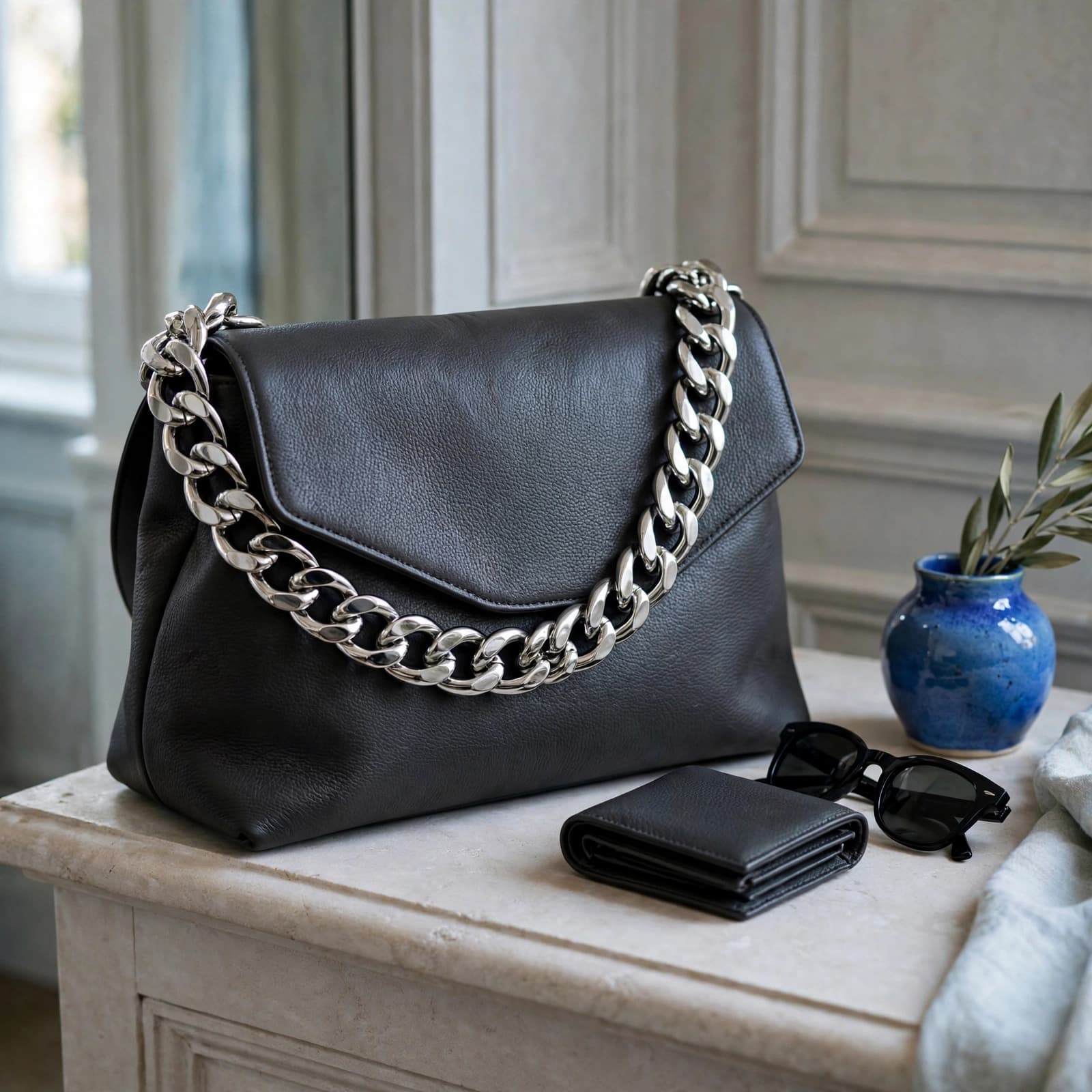
The Falabella is the best-known example. Its soft shape and chain-trimmed edges make it recognisable without relying on a large logo. The same design sensibility appears across smaller bags, shoes and jewellery. If you prefer discreet hardware, though, the chain is unlikely to disappear into your outfit.

How Stella McCartney puts sustainability into its designs
Animal-free materials, and what shoppers should check
The brand’s avoidance of leather and fur is a meaningful design choice if those materials are off your shopping list. It has used alternatives across bags, shoes and clothing, including synthetic leather substitutes and newer material developments. However, don’t assume every product is vegan: garments may contain animal-derived fibres such as wool or silk.
Nor does “vegan leather” describe one material. Some alternatives contain polyurethane or other plastics, while formulations and backing fabrics differ. Check the full composition, not only the headline description. Recycled content can reduce demand for virgin inputs, but it doesn’t tell you how easily a product can be repaired or handled at the end of its life.
Care matters too. A coated surface may feel convincingly soft when new, yet need protection from abrasion, heat or unsuitable cleaners. Follow the instructions for that particular finish rather than treating it like conventional leather.
Durability, transparency and the limits of sustainability claims
An animal-free bag that stays in use for years offers a different proposition from one replaced after a season. Look closely at strap attachments, edge finishes, stitching and high-contact corners. On clothing, consider whether the fabric holds its shape and whether buttons, hems or linings can be repaired.
Material information is most useful when it names the fibres or coating and explains how to care for them. Wider statements about sustainable fashion don’t establish the impact of a particular purchase. Supply chain details, production methods and the number of times you wear an item all matter.
For a separate traceability example, check independent sources for any links between the Snog-a-Log Regenerative Cotton T-Shirt, SOKTAS and The Sustainability Pledge. The UNECE blockchain platform should be distinguished from any brand-specific system. Blockchain technology can record supply chain details in a decentralised database, supporting traceability and transparency evidence. But a blockchain record doesn’t verify the information entered or prove an environmental claim, so look for documentary evidence.
Choose a piece you can keep using, and treat any environmental claim as something to examine rather than a guarantee.
Which pieces from the label are worth considering?
Bags and accessories for everyday wear
A Falabella can work as a daily bag if its shape suits what you carry. Before ordering, compare the stated dimensions with a bag you already own. Check whether it fits your essentials without becoming awkwardly full, and whether the closure gives you enough security on public transport.
Weight and strap drop deserve equal attention. Chain hardware adds visual interest, but it can change how a bag feels after a long day. Inspect close-up images of the chain finish, seams and lining. For a smaller commitment, a compact wallet or cardholder lets you try the aesthetic, provided its pockets suit how you actually pay and travel.
Clothing and shoes: style, comfort and care
A well-cut blazer or pair of trousers may offer more repeat wear than a statement dress reserved for occasional outings. Check fabric composition and lining, then compare garment measurements with a similar piece that fits. Item information may mention regenerative cotton, the Better Cotton Initiative or OEKO-TEX. These terms have different scopes, and their appearance alone doesn’t prove a garment carries a specific claim or certification. For tailored items, shoulder width and trouser rise often matter more than the size printed on the label.
Shoes require another set of checks. Look at the fastening, heel height, sole construction and any notes on fit. An attractive profile won’t compensate for a stiff upper or an unstable sole on your usual walk. For clothes and footwear alike, read the care instructions before paying; a piece that demands specialist cleaning may be poor value for frequent wear.
Fit and long-term wear: what photographs cannot settle
Use your measurements, not your usual size
Designer sizing can vary between a structured jacket and an oversized shirt, even within the same label. Compare bust, waist and hip measurements where provided, but also consider the intended shape. A relaxed coat may need room for knitwear; tailored trousers need the right rise and seat.
If you’re between sizes, check the fabric’s stretch content and the garment’s actual measurements. Alterations may improve a hem or waist, but they won’t easily correct narrow shoulders or an uncomfortable armhole. Fit affects how often you’ll wear the piece, so it’s central to value.
Look for the points most likely to show wear
For bags, pay attention to corners, chain contact points and the junction between body and strap. On jackets, inspect buttonholes, pocket edges and lining attachment. Shoes often show their age first at the heels and flex points.
These checks can’t predict a product’s lifespan, especially from images alone. They can reveal whether a second-hand piece has already deteriorated and help you decide what to inspect when a new order arrives. Keep protective packaging until you’ve checked it in good light.
Is the label worth the price, and how should you buy?
Weigh up quality, cost per wear and the trade-offs
Luxury pricing buys access to the label’s design language; it doesn’t make every piece equally good value. Divide the purchase price by a realistic number of wears. A bag used twice weekly may justify a higher outlay than a striking dress with no clear occasion.
The main strengths and drawbacks are worth setting side by side:
- The designs have a recognisable character, especially the tailoring and chain-trimmed accessories.
- Avoiding leather and fur gives buyers a clear option where many luxury labels use both.
- Premium prices leave little room for a poor fit or a finish that needs more care than you expected.
- Vegan leather alternatives vary in texture and durability, so the material name alone isn’t a quality rating.
When checking sustainability credentials, look for substantiated claims rather than broad promises. Details might include whether regenerative cotton is linked to crop rotation or no tillage. Reporting may use blockchain technology, satellite imagery, environmental DNA or biodiversity monitoring, and cite a carbon capture rate. Methods, scope and independent verification matter; no single metric establishes overall impact.
If you mainly want an animal-free bag at a lower price, Matt & Nat is another brand to compare. If dramatic tailoring matters more than avoiding leather, Vivienne Westwood offers a different designer approach. Compare specific products, since neither name settles questions of fit or construction.
A safer online shopping checklist for UK buyers
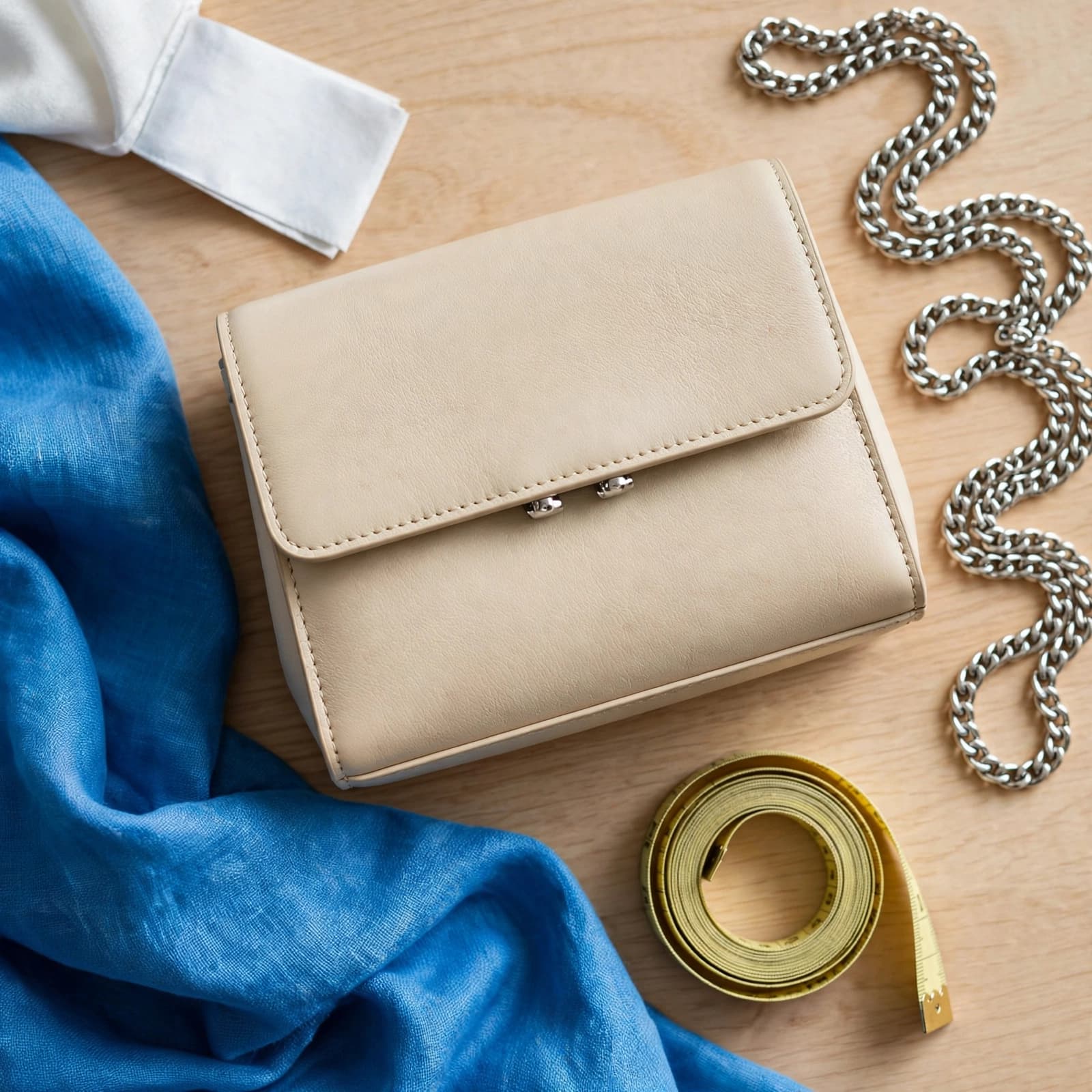
Check garment or bag measurements, size guidance, close-up images and the full material composition. Then read the delivery charge and returns policy, including who pays return postage. Use a secure payment method, and make sure the seller’s contact details and terms are clear before placing an order.
For a second-hand piece, request clear photographs of labels, stitching, hardware and worn areas. Proof of purchase can help establish an item’s history, but it isn’t an authenticity guarantee. If the images hide corners or closures, ask for better ones before paying.
Who should buy it, and who may prefer another option?
Buy it if the design fits your personal style, the material choices matter to you and you can picture regular use. A well-fitting jacket or practical bag is easier to justify than a piece bought chiefly for the label.
Skip it if the price would strain your budget, you dislike prominent hardware or you need low-maintenance materials. If you want every item to be vegan, check each composition before buying. The brand’s leather-free policy isn’t enough to settle that question.
Why comparing online can improve your choice
Online shopping gives you room to compare colours, sizes and older designs without deciding on the spot. It can also make a lower price easier to find, particularly if you’re open to a previous collection or a carefully documented second-hand item. Check the listing’s provenance and supply chain information.
Compare delivered cost, condition, measurements and returns; unclear photographs can make a cheaper item riskier. A traceability record using blockchain technology may make provenance easier to inspect. However, blockchain technology can’t independently confirm that the original entries are accurate. Check model height and garment length, or measure a bag’s strap drop against your shoulder or coat.
Once a parcel arrives, try it on with the clothes you’d normally wear. Test a bag with your everyday contents, or walk indoors in shoes while the soles remain unmarked. Decide promptly so you don’t miss the stated return window.
Frequently Asked Questions
Can a damaged Falabella bag be repaired?
It depends on the damage and the bag’s construction. A loose stitch may be repairable, while a damaged coating or heavily worn edge can be harder to restore neatly. Ask a repair specialist to assess the exact material before agreeing to work.
How should I store a chain-trimmed bag?
Empty it, gently support its shape and keep it away from direct heat and prolonged sunlight. Place the chain so it doesn’t press into the bag’s surface during storage. Follow the product’s care guidance for any cleaning or protective covering.
Does the label make menswear?
The label has produced menswear, although the selection may be smaller or less consistent than its women’s range. Check measurements and fabric details for the item you want rather than assuming the same fit across collections.
What about the label’s perfume or aftershave?
Fragrance is less dependable as a current purchase than the label’s fashion lines, and older scents may appear on the resale market. Check the product’s condition and provenance carefully, since fragrance can change with age or poor storage. Don’t assume an aftershave is available to match a perfume.
Can I return an online sale purchase in the UK?
Being discounted doesn’t, by itself, remove your statutory rights when buying online from a business. The rules differ for private second-hand sales, and exceptions can apply to certain goods. Read the seller’s terms before ordering, particularly for return postage and any item-specific exclusions.
The final verdict
The label is a considered purchase for someone who will wear its distinctive designs often and values its refusal to use leather or fur. Fit and lasting use matter more than the label on its own.
Choose the piece whose measurements, materials and care needs work for your life. That’s where a premium price has the best chance of feeling worthwhile.
Explore our Buyers Guides and Reviews
Designer Handbags Buyers Guide
◦ 🏠 All Buyers Guides Homepage
o