Choosing the right showers involves far more than simply selecting the shape of the head or the finish of the controls. Whether you are following a shower buying guide or browsing showrooms, factors such as water pressure, heating capacity, pipework, electrical supply, and available bathroom space all decide whether a shower feels generous or disappointing.
The cheapest model can quickly become expensive if it requires new wiring, a pump, or altered drainage to function correctly. Meanwhile, a well-matched shower system can offer reliable daily comfort for years. The essential starting point is understanding how the home supplies hot and cold water before making a purchase.
Key Takeaways
- Assess your plumbing first: Always understand your home’s water supply system—whether it is gravity-fed, a combi boiler, or an unvented cylinder—before choosing a shower, as many units are only compatible with specific setups.
- Performance depends on pressure and flow: A shower’s performance is dictated by the property’s water pressure and flow rate, not by the size of the showerhead; failing to verify these can result in weak flow or disappointment.
- Budget for installation, not just the unit: The purchase price is often only a fraction of the total cost; factors like electrical upgrades, new pipework, waterproofing (tanking), and fitting enclosures can significantly increase the final bill.
- Prioritise technical specs over aesthetics: Always read the full specification sheet rather than just the marketing description to ensure the unit is compatible with your bathroom layout, cable requirements, and existing pipe connections.
- Utilise professional expertise: Complex installations like digital showers, pumps, and wet rooms should involve qualified tradespeople to ensure they meet UK safety standards and building regulations.
Which Type of Shower Works Best in a UK Home?
UK bathrooms commonly use electric showers, mixer showers, power showers, digital showers, over-bath units, and wet rooms. Each works differently, and the water system matters more than an impressive-looking valve or large rainfall shower heads.
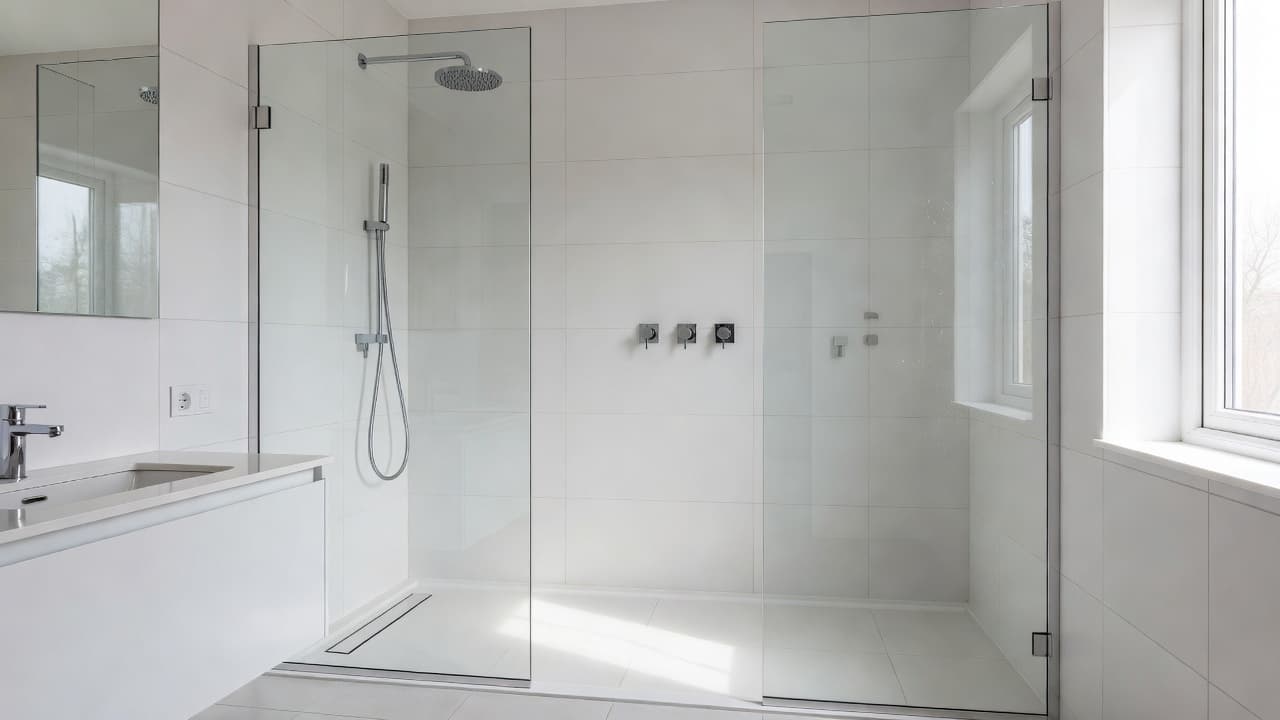
AI-generated image: A glass walk-in shower with modern chrome fittings.
Electric showers for homes with limited hot water
An electric shower heats cold mains water as it passes through the unit. It does not rely on a boiler or hot water cylinder, which makes it useful in en-suites, smaller flats, and homes where hot water is limited.
Most units are rated between about 7.5kW and 10.8kW. Higher wattage can heat more water, giving a stronger flow, although winter mains water arrives colder and reduces the achievable flow. An electric shower uses electricity only while running, so long showers still add up.
A high-power unit needs a correctly sized dedicated circuit, protective device, and suitable cable. A qualified electrician should assess and install the supply.
Mixer showers and thermostatic mixer options
Mixer showers blend hot and cold water before it reaches the showerhead. A manual mixer relies on the user setting the temperature, while a thermostatic mixer adjusts the mix to keep temperatures steadier when another tap opens.
Thermostatic shower valves are particularly useful in family homes because they reduce sudden temperature swings. They work well with many a combi boiler, unvented cylinders, and pumped systems, provided the hot and cold supplies meet the stated pressure and flow requirements.
A combi boiler can supply a strong shower, but only within its heating and flow capacity. A large head will not improve a limited supply.
Power showers, digital showers and low-pressure solutions
Power showers contain a pump that boosts water from a gravity-fed cold tank and hot water cylinder. They are generally unsuitable for combi boiler systems because combis heat mains-fed water directly.
Digital showers use electronic controls and may offer remote activation, temperature presets, or separate outlets. Their pipework and power requirements vary widely, so compatibility must be checked before purchase.
Where pressure is weak or inconsistent, a plumber or heating engineer can assess whether a dedicated pump, a different valve, or wider pipework is appropriate. A pump cannot correct every system fault.
Over-bath showers, exposed valves and wet rooms
An over-bath shower makes practical use of a compact family bathroom. A rigid screen usually contains water better than a curtain, though it needs room to swing or fold.
Exposed valves leave pipework visible and are easier to reach for repair. Concealed valves create a cleaner wall finish, but access panels or removable sections are sensible for future servicing.
Wet rooms remove the conventional tray and use a fully waterproofed floor with a correctly formed fall towards the drain. They can suit accessible bathrooms, but tanking, drainage, and screen placement demand careful design.
Match the Shower to the Home’s Water System and Bathroom Layout
The same model can perform very differently in a Victorian terrace, a bungalow, a new-build flat or a converted loft. Water pressure describes the force of the water, while the flow rate describes the volume delivered over time. Both factors are essential for achieving a satisfying shower experience.
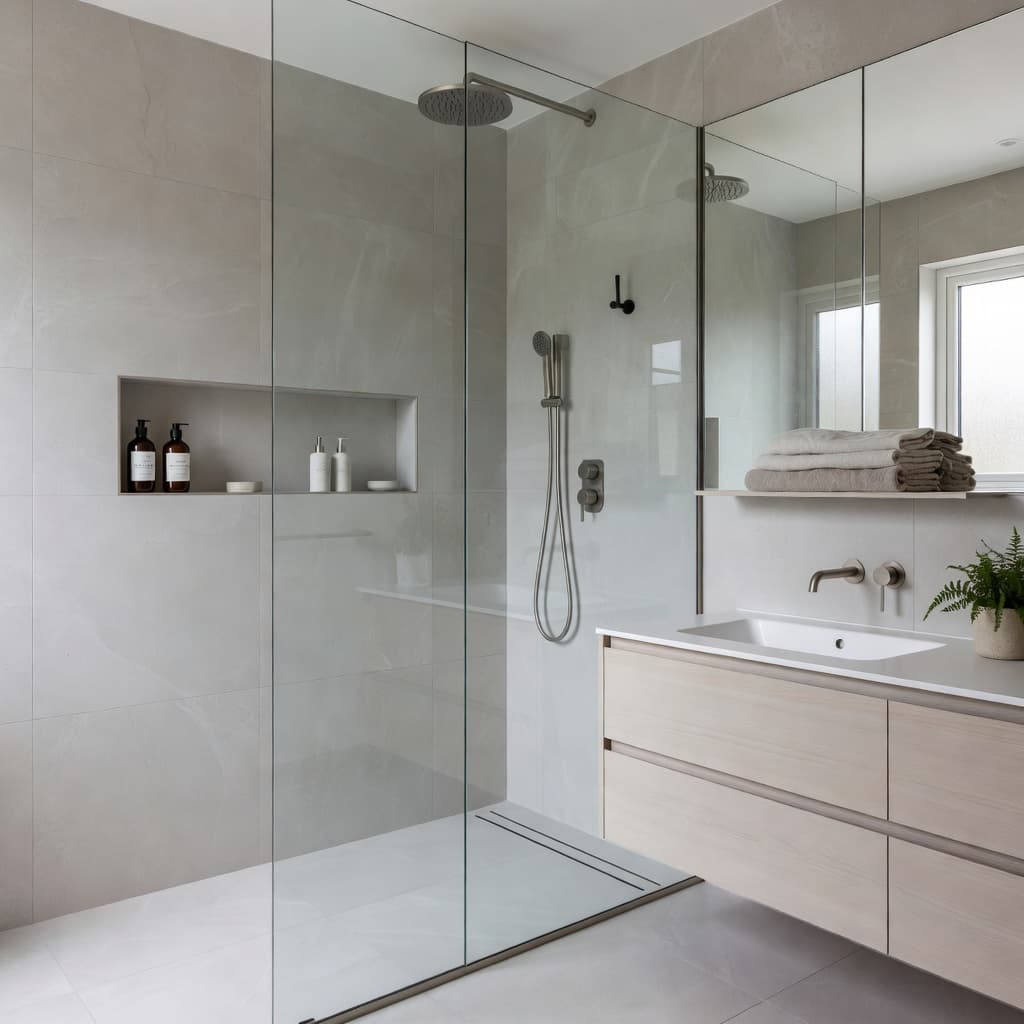
AI-generated image: Plumbing fittings and shower installation components.
This comparison gives a starting point, but product instructions take priority.
| Home water system | Usually suitable shower types | Main point to check |
|---|---|---|
| Combi boiler | Mixer or thermostatic mixer | Boiler flow rate and hot-water output |
| Unvented cylinder | Mixer, thermostatic or digital | Mains pressure and cylinder capacity |
| Gravity-fed system | Mixer with pump or power shower | Head height and pump compatibility |
| Limited hot-water supply | Electric shower | Mains flow and electrical capacity |
A high-pressure system can still disappoint if its flow rate is restricted by old pipework or several outlets running at once.
Mains pressure, combi boilers and unvented cylinders
Mains pressure supports mixer showers where the incoming supply has enough flow. A combi boiler heats water on demand, so shower performance depends on the boiler’s litre-per-minute rating and the incoming supply.
Unvented cylinders store hot water under pressure and can support strong flow at more than one outlet when correctly specified. However, household demand still matters. A shower may weaken if taps, appliances and another shower are all in use.
Gravity-fed systems and homes with low water pressure
Older properties often feature a low-pressure system, typically consisting of a cold-water tank in the loft and a hot water cylinder in an airing cupboard. Gravity produces pressure through height, so bathrooms close to the tank may have weak flow.
Warning signs include a shower that fades at busy times, a slow-filling bath or uneven hot and cold flow. Some mixers work on these systems, but many require a minimum water pressure that the property cannot provide. A professional assessment can identify whether a pump is suitable for your specific setup.
Measure the bathroom before choosing a shower
The position of your shower trays or the layout for your walk-in showers will dictate much of the room design. Measurements should cover wall width, ceiling height, door swing, screen clearance, pipe routes and waste drainage.
Replacing an existing shower in the same location often limits disruption. Moving the shower, adding a ceiling head or building a wet room can involve new pipework, floor work and waterproofing. Electrical access also matters for electric and digital units.
Features That Affect Comfort, Safety and Running Costs
The features that matter most are usually practical rather than decorative. Reliable temperature control, accessible controls and serviceable parts often outlast novelty functions.
Temperature control, anti-scald protection and accessibility
A thermostatic shower valve helps maintain a selected temperature when water pressure changes elsewhere in the home. Many models also include a maximum temperature stop, which reduces the chance of accidental scalding. When planning your layout, choosing complete shower kits can provide a cohesive solution, often bundling the valve with an adjustable riser rail and handset to make washing easier for children, older people and those with limited mobility. Grab rails need structural support, not simple plasterboard fixings. Qualified tradespeople should carry out electrical work, major plumbing changes and structural alterations.
Flow rate, spray patterns and water-saving controls
Flow rate affects how quickly shampoo rinses out and how warm a shower feels. Wide rainfall shower heads can be pleasant, but they may underperform where flow is modest.
Eco settings, flow regulators and pause buttons reduce water use. Less hot water also reduces energy demand, although a restricted flow may not suit every household. A finer spray pattern can feel more forceful without using as much water.
A large shower head cannot create pressure or hot-water capacity that the system does not have.
Maintenance, limescale and long-term reliability
Hard water affects many UK areas. Limescale can block spray nozzles, reduce flow and interfere with cartridges. Rub-clean nozzles and removable heads make routine cleaning easier.
A dripping valve may need a replacement cartridge, while an intermittent electric unit may require a diagnostic repair. When looking at long-term reliability, buyers should check warranty length, spare-part availability and whether concealed shower valves remain accessible for servicing after tiling.
How Much Do Showers Cost to Buy and Install?
The purchase price is only one part of the total bill. Wiring, pipework, shower enclosures, trays, pumps, drainage and waterproofing can change the final cost sharply. When planning your budget, remember that installing quadrant shower enclosures or corner shower enclosures in a standard UK bathroom adds significantly to the overall project price compared to a simple unit replacement.
| Shower type | Typical purchase price | Installation factors |
|---|---|---|
| Electric showers | £100 to £500 | Dedicated circuit or cable upgrade |
| Mixer or thermostatic | £80 to £700+ | Pipe positions and water pressure |
| Power showers | £300 to £900+ | Gravity-fed compatibility and plumbing |
| Digital | £500 to £1,500+ | Control unit location and power supply |
| Wet-room system | Varies widely | Tanking, drainage and floor construction |
Compare purchase prices with installation costs
A budget electric shower may cost more to fit than a better value replacement unit if new cable or consumer unit work is required. Likewise, a low priced mixer can become costly when the home needs a pump or altered pipework.
Like-for-like comparisons should include the shower valves, hose, head, riser rail, tray, screen, controls and fixing kit. Some online listings show only the price for the visible shower valves, meaning the cost of the enclosure or internal plumbing parts is excluded. When selecting your hardware, remember that the cost of fitting shower enclosures, such as a sleek quadrant design or a space-saving corner unit, will often exceed the price of the shower unit itself.
Estimate running costs and energy use
Electric showers costs depend on power rating, shower length, incoming water temperature and electricity tariff. Hot water fed showers depend on flow rate, water temperature, boiler or cylinder efficiency, fuel price and household use.
There is no universal cheaper option. Shorter showers and lower hot water use usually have a greater effect on your bills than switching between two broadly suitable systems.
What to Check Before Buying a Shower Online
Purchasing showers online provides a far wider selection than any single showroom, making it much easier to compare prices and technical specifications. It also allows you to find discontinued finishes, source compatible accessories, and read customer reports without having to make multiple trips to various shops.
However, a low price has little value if the unit is incomplete, incompatible with your plumbing, or difficult to repair in the future.
Read the specification sheet, not just the product description
The specification sheet should confirm the shower type, power rating, and the overall dimensions of the unit. Crucially, you must check that the shower valves and their inlet connections are compatible with your existing setup. You should also verify the minimum and maximum water pressure, required flow rate, cable size, IP rating, and control layout.
It should also state which parts are included. Check for the valve, riser rail, hose, showerhead, pump, fixing kit, and any concealed installation box. Warranty terms and the proposed bathroom layout should always be checked against these specifications before ordering.
Check reviews, returns and after-sales support
Useful reviews describe repeated faults rather than just delivery speed. Reports of leaks, unstable temperature, pump noise, weak flow, or unavailable replacement cartridges are far more informative than a simple star rating.
On arrival, inspect the package for damage and confirm that every listed component is present. Keep the invoice, model details, and product specification handy. Return conditions and warranty registration may become important if your installer discovers a compatibility problem with the unit.
Know when an installer should be involved
An installer should confirm compatibility before a concealed valve, digital system, or wet room package is ordered. This avoids the need to open finished walls to correct pipe positions or add a missing service route.
High-power electric showers need suitable circuit protection to function safely. Furthermore, installing pumps, making drainage alterations, and completing wet room tanking all require specialist work, rather than improvised DIY repairs.
Common Shower Buying Mistakes That Lead to Poor Performance
Poor shower performance often begins with a mismatch between the product and the property, rather than a defective product.
Choosing a shower without checking pressure and flow
A striking showerhead cannot compensate for inadequate water pressure. Failing to check your supply is a common error; for example, a mixer designed for high pressure may only produce a trickle on an older system. Furthermore, homeowners must be aware that a high-performance power shower can be incompatible with a modern combi boiler, as these systems rely on mains pressure rather than gravity.
High-wattage electric units improve flow within their limits, yet they cannot deliver unlimited hot water during cold weather if the unit rating does not match the household capacity.
Ignoring electrical, waterproofing and building requirements
Electrical safety zones, earthing, circuit protection, ventilation and bathroom-rated equipment all matter. When installing wet rooms, it is essential to ensure sound drainage design and continuous waterproofing, often referred to as tanking, behind and beneath all finished surfaces.
Qualified professionals should assess electrical installations, substantial plumbing changes and all tanking work to ensure the installation is safe and compliant with UK regulations.
Paying for features that do not suit the household
Complex digital controls may add little in a simple bathroom. Multiple outlets and oversized heads can strain a modest boiler or lead to disappointing results if your home has a low-flow supply.
Thermostatic control, easy-to-use fittings and the availability of spare parts often provide more lasting value because they solve ordinary household needs rather than adding unnecessary complexity.
Frequently Asked Questions
Can I fit a power shower to my combi boiler system?
No, power showers are specifically designed for gravity-fed systems with a cold water tank and hot water cylinder. Combi boilers heat water on demand from the mains, so adding a pump can interfere with the boiler’s operation and is generally incompatible.
Why does my electric shower’s flow rate drop in winter?
Electric showers heat cold water as it flows through the unit. In winter, the incoming mains water is much colder, meaning the shower must work harder to heat it, which naturally results in a reduced flow rate compared to the warmer summer months.
Are concealed shower valves better than exposed ones?
Concealed valves provide a clean, minimalist look by hiding the pipework within the wall, whereas exposed valves are easier to reach for repairs and maintenance. If you opt for a concealed valve, ensure you include an access panel during installation to make future servicing easier.
How can I improve a shower that has low water pressure?
A professional plumber can determine if your low pressure is due to pipe size, a faulty valve, or the property’s overall water system. Options may include installing a pump for gravity-fed systems or upgrading to a different type of shower designed to operate effectively on lower-pressure supplies.
The Right Shower Is the One That Fits the Property
Selecting the ideal unit involves balancing water pressure, hot-water capacity, available bathroom space, safety, running costs and installation complexity. Often, the most visually appealing or powerful unit is not the most practical choice for your specific plumbing setup.
Checking technical specifications carefully before buying online reduces the risk of costly surprises and makes it easier to compare models. Consistently good shower performance stems from matching your chosen product to the unique water pressure and bathroom space of your home, then allocating a sufficient budget for a professional installation. By following the principles outlined in this shower buying guide, you can ensure that your final selection provides reliable, efficient service for years to come.
Explore More Expert Buyers Guides and Reviews
For a list of our main buyers guides use the drop-down menu at the top of the page. Topics related to this article are:
Home and Garden Furniture Buyers Guides
Bedroom Furniture Buyers Guides
living Room Furniture Buyers Guides
Garden Furniture Buyers Guides
Patio Furniture Sets Buyers Guide
–
Explore Our Blog Categories for Expert Buying Advice
- AI Powered Product Finder Tools (24)
- Expert Buying Guides & Shopping Tips for UK Shoppers (1,156)
- Brands & Designer Products (Men, Women & Electronics) (227)
- Designer Fashion Brands: Buyer’s Guides & Reviews (121)
- Electronic Brands: Buyers Guides & Reviews (68)
- Apple Products Buyer’s Guides & Reviews (23)
- Brands – Phones, Laptops, PC”s, Tablets | Buyer’s Guides & Reviews (37)
- Electronics – Tablet & iPad Reviews and Buyers Guides (10)
- Kitchen Appliance Brands: Buyer’s Guides & Reviews (19)
- Laptop Brands & MacBooks Buyer’s Guides & Reviews (6)
- Phone Brands & iPhones Buyer’s Guides & Reviews (21)
- Car Buying & Financing Made Easy | Expert Guides for the UK (85)
- Clothing, Fashion & Accessories Buying Guides UK (332)
- Beauty, Health & Wellness | Perfume, Skincare, Makeup & Wellbeing Guides (122)
- Footwear: Trainers & Shoes Buyers Guides (35)
- Jewellery: Expert Reviews, Trends & Buying Guides (57)
- Men's Clothes — Buyers Guides & Reviews (37)
- Men’s Clothes, Fashion & Accessories Guides UK | Latest Trends & Smart Shopping (122)
- Women's Clothing Buyers Guides — Dresses, Tops & More (117)
- Women’s Clothes, Fashion & Accessories Guides UK | Latest Trends & Smart Shopping (280)
- Electronics, Tech & Gadgets: Reviews, Deals & Buying Guides UK (155)
- Furniture Buyer’s Guides | Home & Garden & Styling Tips (271)
- Bedroom Furniture Guides UK | Expert Tips & Best Value Deals (88)
- Garden Furniture, Landscaping & Garden Rooms Guides UK | Expert Tips & Best Value Deals (131)
- Home Furniture, Décor & Interior Design Guides UK | Styling Tips & Inspiration (150)
- Living Room Furniture, Design & Décor Guides UK | Styling Tips & Inspiration (52)
- Holidays & Travel: Hotels, Villas, UK Breaks & Skiing (142)
- Insurance & Protection: Travel, Landlord, Gadget & More UK (157)
- Gadget Insurance UK | Expert Guides, Reviews & Smart Protection Tips (32)
- Home Emergency Cover UK | Expert Guides, Reviews & Practical Protection Tips (21)
- Landlords Insurance UK | Expert Guides, Reviews & Smart Protection Tips (31)
- Travel Insurance UK | Expert Guides, Reviews & Money-Saving Tips (34)
- Pets: Guides, Tips & Inspiration (24)
- Brands & Designer Products (Men, Women & Electronics) (227)
- Gifts for Everyone: Ideas for Every Occasion & Budget (31)