Finding the right small double mattress can be transformative for UK bedrooms where floor space is at a premium. A bed that is just 15 cm too wide can completely change how a room functions. In many homes, a small double mattress, which is 4ft wide, sits between two clear limits: a single that often feels too narrow for two people, and a standard double that can dominate a smaller room and restrict storage.
By choosing this space saving solution, you can maximise your layout without compromising on comfort. This makes the 4ft mattress size more than just a minor detail. It directly affects your quality of sleep, the available storage in your bedroom, your overall room layout, and your value for money. This guide explores who this size suits, how it compares with other common options, what you should consider when buying online, and where shoppers often misread the trade-offs involved in selecting the perfect sleep surface.
Key Takeaways
- Maximise floor space: A 4ft small double mattress (120cm x 190cm) offers an ideal compromise for smaller rooms, providing significantly more width than a single without the footprint of a standard double.
- Best for solo sleepers: While ideal for guest rooms and single adults seeking extra elbow room, a small double is generally not recommended for nightly use by two adults due to limited personal space.
- Prioritise physical measurements: Ignore marketing labels like ‘queen’ or ‘3/4’ and focus strictly on cm measurements to ensure the mattress fits your specific bed frame and bedroom layout.
- Check structural details: For smaller beds, look for high-quality edge support to ensure the entire surface remains usable, and match the mattress type (foam vs. sprung) to your temperature and movement preferences.
What a small double mattress is and where it fits
In plain terms, a UK small double mattress usually measures 120cm x 190cm. It is 30 cm wider than a single and 15 cm narrower than a standard double. That middle position is the whole point. It gives one sleeper more room without demanding the footprint of a full double.
Some sellers still call it a 3/4 mattress. A few use queen size mattress in older or informal listings, although that label shifts between markets and can confuse UK shoppers. The name matters less than the numbers.
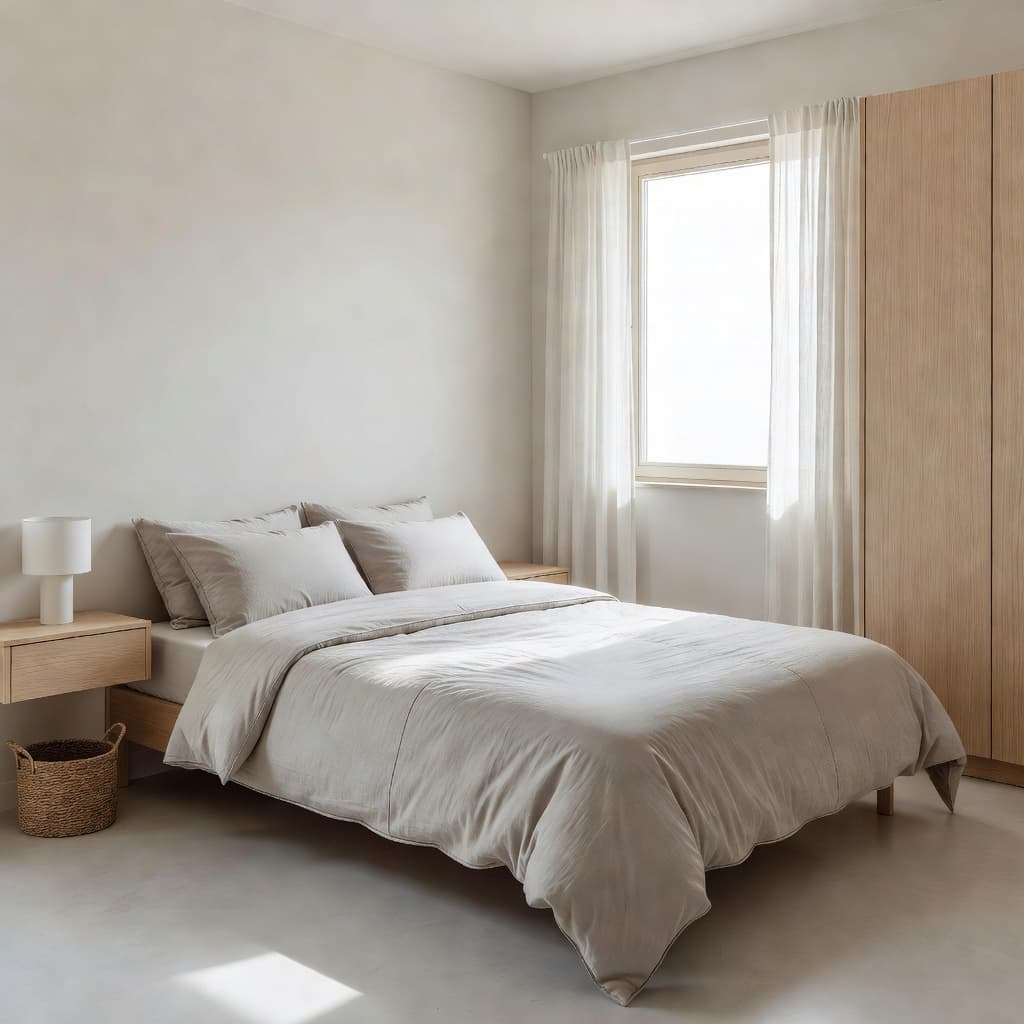
AI-generated image: a compact bedroom set up around a small double bed.
How it compares with a single and a standard double
The size differences are easier to judge side by side.
| Mattress size | Typical UK dimensions | Width difference | Common use |
|---|---|---|---|
| Single mattress | 90 cm x 190 cm | Baseline | Children, one adult, very tight rooms |
| Small double | 120 cm x 190 cm | 30 cm wider than a single | Solo adults, guest rooms, compact flats |
| Double mattress | 135 cm x 190 cm | 15 cm wider than a small double | Regular two-person use, larger rooms |
The table shows why this category exists. A small double offers a clear step up from a single, yet it is still much closer to a double than many buyers expect. That 15 cm gap can look minor on paper, but it changes both sleeping space and room layout.
Why exact measurements matter more than the name
Online listings do not always use the same language. That is why written dimensions, frame size and usable sleeping area need more attention than the product title. The wider naming muddle is visible in broad references such as Wikipedia’s guide to bed sizes, which shows how labels vary by country and seller.
In compact rooms, small differences count. Fifteen centimetres can decide whether a wardrobe door clears the bed, whether a bedside table fits, or whether the room still feels walkable.
In a tight room, the better bargain is often the bed that leaves enough space to live around it.
When a small double works, and when it doesn’t
A small double is often presented as the smart answer for any small room. That is too simple. It works well in some settings and disappoints in others, especially when the room is used every night rather than now and then.
Best suited to single adults, guest rooms and smaller flats
For one adult, this size often feels like the practical middle ground. It gives extra elbow room, more freedom to turn over, and a less cramped feel than a single. That matters in box rooms, teenagers’ bedrooms, and city flats where every square metre carries weight.
Guest rooms are another good fit. A small double gives visitors more comfort than a single, yet it does not turn the spare room into a wall-to-wall bed. That can leave enough space for a desk, storage, or clear access around the frame.
It also suits occasional two-person use better than a single does, although “better” should not be mistaken for roomy.
When a single or a standard double may be the better choice
A single can still be the better buy where space is severely restricted. If the bed is for a child, a small room, or an occasional guest, the saved floor area may matter more than the extra width. In homes where the bedroom must also hold storage, a cot, or a work desk, a single can keep the room usable.
At the other end, a standard double often makes more sense for couples or anyone who dislikes feeling boxed in. The jump from 120 cm to 135 cm sounds modest. In daily use, it is often the difference between manageable and cramped.
Taller adults need a separate warning. Both a small double and a standard double are usually 190 cm long. A wider mattress will not fix a bed that is too short.
How body size, sleep position and sharing the bed change the decision
Sleep habits matter as much as room size. Side sleepers often spread out more than they expect, finding that the extra width of a small double allows for a more natural, rested posture. People who change position through the night usually notice a narrow bed sooner. Larger adults also need more usable width, not only for comfort but to avoid rolling towards the edge.
Regular sharing makes the limit plain. Two adults on a small double mattress have less personal space than many assume when looking at product photos. A mattress can appear generous in a staged room and still feel restrictive after a week of real sleep.
For nightly use, a small double is strongest as a one-person bed. For two adults, it works best as a compromise, not a first choice.
What to check before buying a small double mattress online
Buying online often gives a better field of choice than shopping in store. There are more models, clearer spec sheets, easier side-by-side price checks and far more customer reviews. Still, those gains only matter when the buyer reads past the headline image.
Photos can flatter a mattress. Wide-angle room shots, bulky bedding and deep bases can make a standard product look richer or larger than it is. Written measurements carry more weight than the styling.
Firmness, support and sleep feel
Firmness levels are useful, but they are not fixed science. A medium firm mattress, which is a popular choice for many, may feel soft to one sleeper but firm to another. Body weight changes how far the surface compresses, while sleep position changes where pressure builds up.
A lighter side sleeper often needs more give around the shoulder and hip. A heavier back or front sleeper may need firmer support to keep the spine level. Marketing words such as orthopaedic or luxury support say less than the actual build.
Materials that change comfort and price
The core materials shape both feel and cost. Understanding the difference between construction types is key to a good purchase. Memory foam usually offers strong pressure relief and good motion control. It can, however, trap more heat. A pocket sprung mattress tends to feel springier and better ventilated than all-foam options, while also isolating movement better than older open coil designs. Hybrid mattresses combine springs with foam layers and often sit in the middle on both price and feel, providing the responsive support of a pocket spring with the comfort benefits of memory foam. Open coil mattresses are usually cheaper, but they can transfer more movement and may wear faster.
Delivery, trial periods, returns and warranty terms
These details matter more online because the mattress is bought unseen. Many models arrive rolled and boxed, which helps with access in narrow halls or staircases. It does not remove the need to check weight, delivery windows and whether the room can take the mattress once opened.
A sleep trial looks generous until the small print appears. Some returns are free, while others carry a cost, and some retailers offer free delivery as standard to simplify the process. Warranties often cover manufacturing faults but not the natural softening that comes with daily use. Reviews are most useful when they mention heat, firmness, sagging and how returns were handled.
How to compare prices without getting fooled by headline discounts
A large discount figure can hide a thin build, weak edge support or costly return charges. Price only means something when the key specs line up.
Depth, materials, cover quality, delivery cost and return terms all belong in the comparison. A cheaper mattress that fails after a short period is poor value. Online shopping helps most when it is used for careful comparison, not quick bargain hunting.
Which small double mattress features matter most in daily use
Once the size is settled, daily comfort depends on a handful of plain features rather than glossy claims.
Depth and edge support can change how big the bed feels
A deeper mattress often feels fuller and more stable, although deeper is not always better. Some low-profile frames do not suit a very thick mattress, and deep builds can make fitted sheets harder to match.
Edge support matters more on a small double mattress than on larger sizes. Stronger sides make it easier to sit on the edge and use more of the sleeping surface. Conversely, weak edges can make the bed feel significantly narrower than its stated width, reducing the functional space of your small double mattress.
Temperature, movement and long-term comfort
Heat retention can shape sleep quality as much as softness. Foam-heavy builds often sleep warmer, while sprung designs usually allow more air flow. That difference matters in warm loft rooms or for sleepers who overheat easily.
Movement is another practical issue. Foam and pocket springs usually dampen partner motion better than open-coil mattresses. Durability matters just as much; a mattress bought to save space should also last long enough to justify its price.
Bed frames, storage and room layout should be checked at the same time
The mattress is only part of the purchase. A small double mattress can still overwhelm a room if the bed frame is bulky, the headboard is oversized or the base has drawers that cannot open fully.
A slimmer small double bed frame can help you recover useful floor space. Ottoman storage may work better than side drawers in narrow rooms. In small bedrooms, the smartest buy often comes from pairing the right mattress with the right small double bed frame, not from choosing the mattress in isolation.
Frequently Asked Questions
Is a small double mattress big enough for two people?
While it can accommodate two people, it is generally intended as a compromise for guest rooms or occasional use rather than a permanent solution for couples. Two adults will find significantly less personal space on a 4ft mattress compared to a standard 4ft 6in double.
What are the standard dimensions of a small double mattress?
In the UK, a small double mattress measures 120cm wide by 190cm long. Always measure your existing bed frame before purchasing to ensure it matches these specific dimensions, as frame designs can vary.
Will my standard double bed sheets fit a small double mattress?
No, standard double bed sheets are designed for a 135cm wide mattress and will be too large for a 120cm small double. You will need to purchase fitted sheets specifically labelled for ‘small double’ or ‘4ft’ beds to ensure a snug fit.
Can I use a small double mattress in a box room?
Yes, that is often the primary reason for choosing this size, as it offers a more comfortable sleeping surface than a single while still allowing room for furniture like wardrobes or desks. Before buying, use masking tape on your floor to map out the footprint to ensure you have enough clearance for opening doors or drawers.
Conclusion
A small double mattress works best when the room, the sleeper, and the buying method all align perfectly. It is a sensible, space-saving choice for many solo adults and spare rooms, but it may prove unsuitable if the bed is intended for regular sharing, if the sleepers require extra length, or if the floor plan makes navigation difficult.
The most successful purchase always comes from ensuring the right fit rather than simply chasing the largest discount. By taking clear measurements, identifying your specific comfort needs, and carefully reviewing product specifications, you can find the ideal small double mattress to maximise the utility of your compact rooms. Prioritising these practical details matters far more than following transient trends or persuasive sales language, ultimately helping you invest in a quality sleep solution that fits your lifestyle.