Bathroom tiling is often framed as a matter of style, but in practice, it dictates moisture control, slip risk, cleaning requirements, and the long-term durability of the room. Investing in the right bathroom tiles is essential, as a poor choice can make the space harder to maintain. Selecting between wall tiles and floor tiles is the first step, as each serves a different purpose. Safety is also a critical factor; while a gloss finish can look attractive, it is vital to ensure that your chosen bathroom tiles have a high slip-resistant rating for use in wetrooms. Many UK homeowners often start their search with white bathroom tiles as a classic, versatile base for any design.
Many UK buyers now compare products online first because it offers wider choice, clearer prices, and easy access to specifications before ordering. Yet, gallery shots can flatter a surface, and some are even AI generated, so size, material, finish, and slip rating matter far more than the digital image.
The best bathrooms treat appearance, layout, and installation as one unified decision.
Key Takeaways
- Prioritise performance over appearance: When selecting tiles, balance aesthetic choices with technical requirements like water resistance, durability, and slip ratings, especially for floors and wetrooms.
- Understand material differences: Porcelain is typically the most reliable choice for heavy-use family bathrooms, whereas ceramic is ideal for walls and lighter areas, and natural stone requires more intensive maintenance.
- Invest in preparation and waterproofing: The longevity of your bathroom depends on what lies beneath the tiles; high-quality backer boards, proper tanking, and correct adhesives are essential to prevent structural moisture damage.
- Plan for a balanced layout: Thoughtful measurement and layout planning—aiming for symmetry and ordering a 10% surplus—minimise wastage and ensure a clean, professional finish.
- Maintain with proactive care: Regular ventilation and gentle, pH-neutral cleaning routines prevent mould and soap scum build-up, significantly extending the lifespan of your tiles and grout.
Choosing the right tiles for a bathroom that has to work hard
Bathrooms take constant spray, steam and wear, so tile choice starts with performance. Ceramic tiles, porcelain tiles, natural stone and mosaic tiles all suit different jobs. The smartest pick balances water resistance, upkeep, slip risk and cost, not looks alone.
The comparison below sits inline with the article width for easy reading on desktop and mobile.
| Tile type | Best use | Water resistance | Upkeep | Cost |
|---|---|---|---|---|
| Ceramic tiles | Most walls, light-use floors | Good | Low | Lower |
| Porcelain tiles | Floors, showers, busy bathrooms | Very high | Low | Mid to high |
| Natural stone | Feature walls, premium floors | Varies | High | High |
| Mosaic tiles | Niches, curves, shower floors | Varies | Mid to high | Mid to high |
For most households, porcelain tiles give the safest all-round balance.
Ceramic or porcelain, which suits the space better?
Ceramic tiles are often cheaper and easier to cut. They suit many walls, and they can work on lighter-use floors or in smaller bathrooms. Porcelain tiles are denser and less porous, so they tend to suit floors, shower areas and family bathrooms better.
When natural stone adds character, and when it adds maintenance
Natural stone can soften a bathroom and give it texture that printed tiles rarely match. However, many stone surfaces need sealing, and some stain more easily from soap, limescale or coloured products. The visual payoff is real, but so is the upkeep. If you want a contemporary look without the intensity of maintenance, consider water-resistant marble effect, stone effect or wood effect tiles. These mimic the premium finish of natural stone while offering improved durability for wet zones.
Why mosaics and feature tiles are used sparingly
Mosaic tiles help on curves, shower niches and sloping shower floors because small pieces fit awkward areas and can improve grip. Yet more grout lines mean more cleaning, and fitting them usually costs more. They work best as detail, not as wall-to-wall default.
Planning the layout so the room feels calm, not cluttered
A tidy bathroom rarely happens by chance. Good planning is essential to create a contemporary look for your bathroom tiles, starting with careful measuring and a clear vision of how tiles meet a bath, basin, doorway, or alcove. Ordering a little extra, often around 10 per cent, covers cuts, waste, and provides a few spare tiles for future repairs.
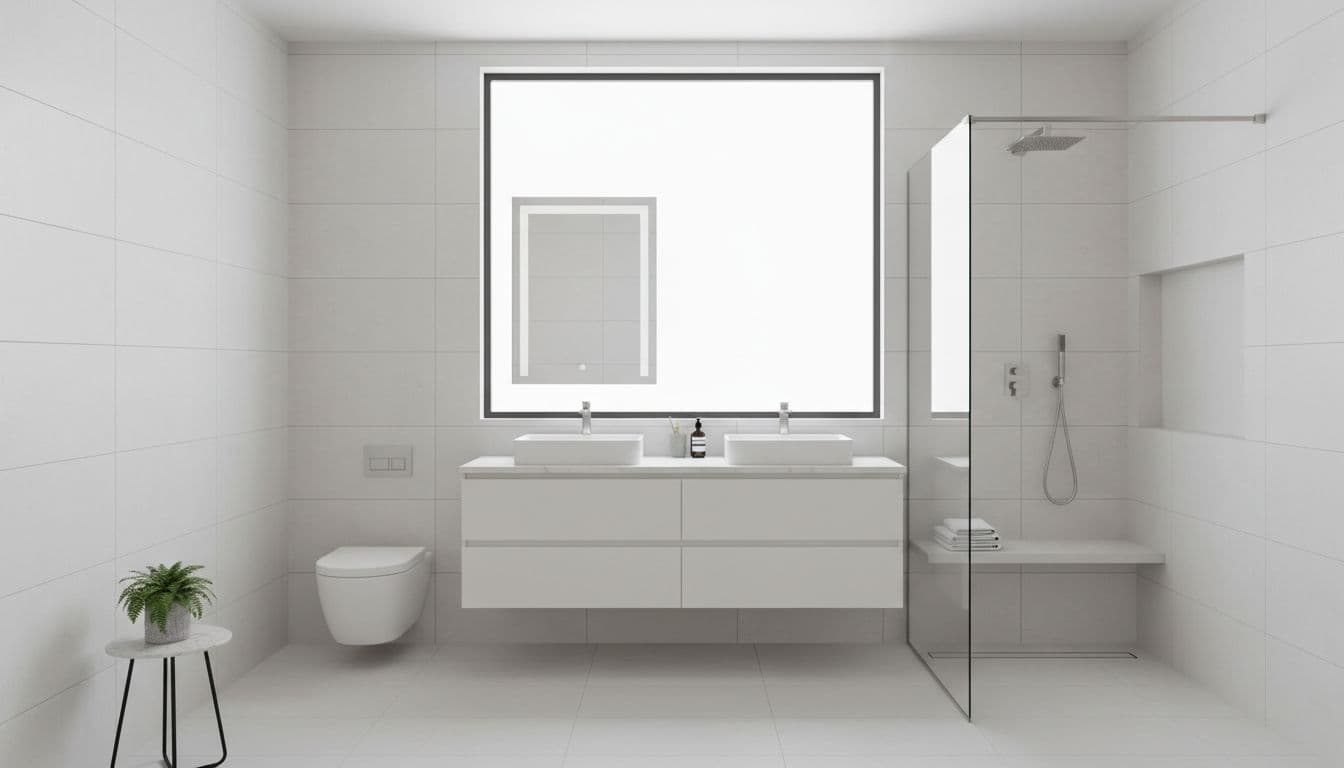
AI-generated image, intended to display at the article text width on desktop and mobile.
How tile size changes the look of a small or large bathroom
Large-format tiles can make a room feel more open because fewer grout lines interrupt the surface, creating a seamless aesthetic. Conversely, metro tiles remain a popular choice for wall tiles in a modern bathroom, particularly when working around awkward corners, slopes, or boxed-in pipework. The best size ultimately depends on the room’s shape rather than current fashion.
Where to start the layout so cuts look neat
A balanced layout keeps the most visible areas looking even and hides small cuts where possible. On floors, the first view from the door is the most important. On walls, symmetry around a basin, niche, or valve often makes the room look much calmer.
Why buying online can improve choice and value
Buying online can widen your shortlist quickly. It makes price comparison simpler, gives access to a broader range of colours and sizes, and often shows matching trims and finishes in one place. Specification sheets also make it easier to compare thickness, finish, and slip ratings. However, ordering tile samples still matters. Before committing to a purchase, you should always request tile samples to see how a gloss finish or matte finish appears in your specific lighting. You should also check batch numbers, delivery costs, and return terms, because a polished product image does not always tell the full story.
The unseen work that keeps bathroom tiles in place
A tiled bathroom lasts because of what sits behind the finish. If walls are uneven, floors move or wet zones lack protection, even costly bathroom tiles can crack, lift or stain early. Backer boards, flat surfaces, a high-quality primer, and the right adhesive do most of the hard work.
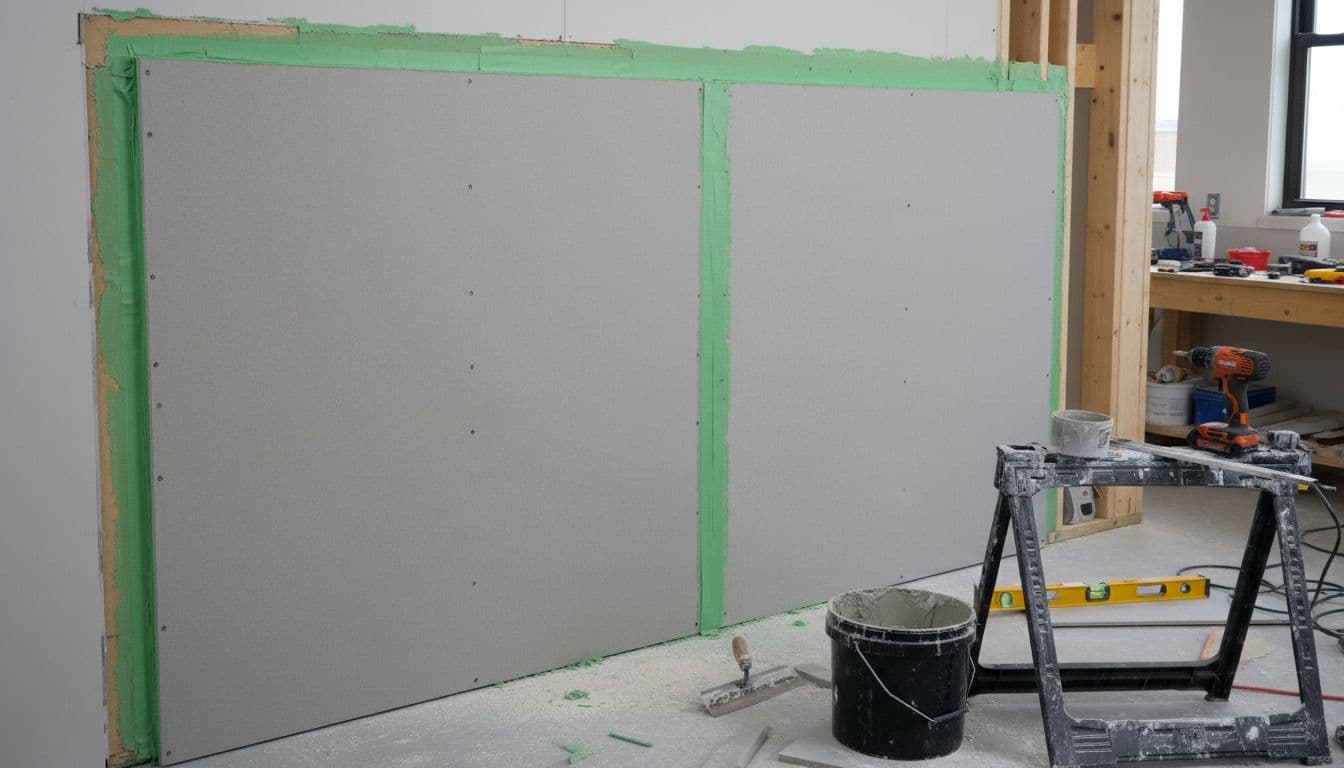
AI-generated image, intended to display at the article text width on desktop and mobile.
Tiles and grout slow water, but they don’t replace waterproofing.
What proper waterproofing does behind the tiles
Tanking creates a water-resistant layer behind tiles in wet zones, especially around showers, baths, and in modern wetrooms. That barrier matters because tiled surfaces are not always waterproof on their own. Even bathroom splashbacks require these invisible protections to remain water-resistant and prevent structural damp. Without proper tanking, small failures in grout or sealant can send moisture into the structure below.
Grout, tile sealant, and the small details that stop bigger problems
Grout colour and joint width change the look of a bathroom more than many people expect. Flexible tile sealant belongs at corners and movement joints, where rigid grout can crack. Poor sealing is one of the main reasons a bathroom starts to look tired before the tiles themselves wear out.
Why skilled fitting often saves money in the long run
A careful fitter wastes fewer tiles, makes cleaner cuts and keeps lines straight. That improves the finish and reduces the risk of hollow spots, weak edges and dirt-trapping joints. The labour cost may be higher at first, but repairs usually cost more than good fitting.
Keeping bathroom tiles looking good without constant effort
Most tiled bathrooms require steady habits rather than constant, intensive scrubbing.
Cleaning routines that protect the finish
Frequent light cleaning prevents soap film and limescale from building up. Ceramic tiles are famously easy to clean and generally suit most mild, pH-neutral cleaners. When considering your aesthetic, remember that a glossy finish often shows water spots more readily than a matte finish, which tends to hide streaks more effectively. To keep the vibrancy of your grey bathroom tiles, blue tiles, or green tiles, it is essential to avoid harsh chemicals that can strip the surface or damage the tile sealant. Natural stone requires significantly more care, as abrasive pads and acidic products can permanently mark the surface.
The role of ventilation in stopping mould and stains
UK bathrooms often stay damp for hours after use, especially during the colder months. Using extractor fans, opening windows where possible, and wiping down wet surfaces all help manage moisture. Less humidity means less mould growth on grout lines and reduced staining around your sealant. Proactive ventilation not only keeps the room fresher but also reduces the need for heavy cleaning later on.
How to spot early signs of damage before they spread
Cracked grout, loose tiles, stained joints, and peeling sealant rarely remain minor issues. Early repairs are usually simple to manage. If left alone, these faults can allow water to seep behind the tiles, leading to more significant structural damage that is far more costly to rectify.
Frequently Asked Questions
Why should I choose porcelain over ceramic tiles for my floor?
Porcelain is denser and less porous than ceramic, making it significantly more resistant to water absorption and heavy foot traffic. It is the preferred option for family bathrooms and shower areas where durability and moisture resistance are critical.
Do I really need to use ‘tanking’ behind my tiles?
Yes, tanking is essential because tiles and grout are not inherently waterproof and can allow moisture to penetrate to the structure behind. A tanking system creates a protective barrier in wet zones like showers and baths to prevent damp and structural decay.
How can I make a small bathroom look larger using tiles?
Using large-format tiles can help a smaller room feel more open by reducing the number of visible grout lines, which creates a seamless, uncluttered surface. However, always consider the room’s shape and any awkward architectural features when deciding on the tile size.
Is natural stone worth the maintenance requirements?
Natural stone offers a unique aesthetic and texture that is difficult to replicate, but it does require regular sealing and careful cleaning to prevent staining. If you want the character of stone without the high upkeep, consider high-quality porcelain or ceramic ‘stone-effect’ tiles instead.
Why is it important to request tile samples before buying online?
Digital images on websites can be misleading, as they may be professionally lit or even AI-generated, which does not accurately represent the finish or colour in your home. Ordering samples allows you to see the true colour, texture, and slip resistance in your bathroom’s specific lighting conditions.
Conclusion
Successful bathroom tiling works best when style, moisture protection, and sensible planning are considered together. The strongest results usually come from choosing the right material, sizing the layout effectively, and buying bathroom tiles based on technical specifications rather than appearance alone.
When these choices align, the room feels more durable, calmer, and easier to maintain. This is why selecting the right bathroom tiles changes more than just the look of your walls and floor; it changes how the space performs over time. Ultimately, investing in durable tiles ensures that your modern bathroom remains both functional and attractive for many years to come.
Explore our Buyers Guides and Reviews
For a list of our main buyers guides use the drop-down menu at the top of the page. Topics related to this article are:
Home and Garden Furniture Buyers Guides
Bedroom Furniture Buyers Guides
living Room Furniture Buyers Guides
Garden Furniture Buyers Guides
Patio Furniture Sets Buyers Guide
–
Explore Our Blog Categories for Expert Buying Advice
- AI Powered Product Finder Tools (25)
- Expert Buying Guides & Shopping Tips for UK Shoppers (1,461)
- Brands & Designer Products (Men, Women & Electronics) (293)
- Designer Fashion Brands: Buyer’s Guides & Reviews (166)
- Electronic Brands: Buyers Guides & Reviews (92)
- Apple Products Buyer’s Guides & Reviews (25)
- Brands – Phones, Laptops, PC”s, Tablets | Buyer’s Guides & Reviews (44)
- Electronics – Tablet & iPad Reviews and Buyers Guides (10)
- Kitchen Appliance Brands: Buyer’s Guides & Reviews (24)
- Laptop Brands & MacBooks Buyer’s Guides & Reviews (9)
- Phone Brands & iPhones Buyer’s Guides & Reviews (23)
- Car Buying & Financing Made Easy | Expert Guides for the UK (89)
- Clothing, Fashion & Accessories Buying Guides UK (510)
- Beauty, Health & Wellness | Perfume, Skincare, Makeup & Wellbeing Guides (187)
- Footwear: Trainers & Shoes Buyers Guides (49)
- Jewellery: Expert Reviews, Trends & Buying Guides (74)
- Men's Clothes — Buyers Guides & Reviews (39)
- Men’s Clothes, Fashion & Accessories Guides UK | Latest Trends & Smart Shopping (172)
- Women's Clothing Buyers Guides — Dresses, Tops & More (202)
- Women’s Clothes, Fashion & Accessories Guides UK | Latest Trends & Smart Shopping (449)
- Electronics, Tech & Gadgets: Reviews, Deals & Buying Guides UK (183)
- Furniture Buyer’s Guides | Home & Garden & Styling Tips (329)
- Bedroom Furniture Guides UK | Expert Tips & Best Value Deals (93)
- Garden Furniture, Landscaping & Garden Rooms Guides UK | Expert Tips & Best Value Deals (170)
- Garden Sofa & Sofa Sets Buyers Guides (11)
- Garden Tables & Chairs: Sets, Individual Tables & Seating Buyers Guides (57)
- Home Furniture, Décor & Interior Design Guides UK | Styling Tips & Inspiration (170)
- Living Room Furniture, Design & Décor Guides UK | Styling Tips & Inspiration (57)
- Sofa & Sofa Beds Buyers Guides (19)
- Sofa Beds Buyers Guides (7)
- Sofa Buyers Guides & Expert Advice (11)
- Holidays & Travel: Hotels, Villas & Flights (162)
- Home & Garden Improvements | Renovations & Outdoor Transformation Guides (106)
- Insurance & Protection: Travel, Landlord, Gadget & More UK (159)
- Gadget Insurance UK | Expert Guides, Reviews & Smart Protection Tips (33)
- Home Emergency Cover UK | Expert Guides, Reviews & Practical Protection Tips (21)
- Landlords Insurance UK | Expert Guides, Reviews & Smart Protection Tips (31)
- Travel Insurance UK | Expert Guides, Reviews & Money-Saving Tips (34)
- Pets: Guides, Tips & Inspiration (28)
- Brands & Designer Products (Men, Women & Electronics) (293)
- Gifts for Everyone: Ideas for Every Occasion & Budget (51)