Too many tubs, too many claims, too many flavours, and prices all over the place. If shopping for protein powder feels like guessing, you’re not alone.
Protein powder is simply a concentrated dietary supplement providing protein, usually from milk or plants. People use it to help with recovery, muscle growth, fullness, or to make daily protein intake easier. The best pick depends on your balanced diet, body weight, routine, digestion, and budget, not the loudest label, in line with UK health guidelines.
Key Takeaways
- Protein powder is a convenient tool for busy lifestyles, gym goers, vegetarians/vegans, or weight loss, but whole foods like chicken, eggs, tofu, and yoghurt should form the base of your protein intake.
- Choose whey concentrate for value, isolate for low lactose, casein for slow evening release, or plant options like pea/soy for solid vegan protein and blends for complete amino acids, matching your diet, digestion, and budget.
- Total daily protein matters most over precise timing; fast-digesting whey or pea suits mornings/post-workout, while slower casein or thick plant blends fit evenings.
- Shop smart online by comparing protein per serving, cost per gram, ingredients, sweeteners, allergens, and reviews, ignoring flashy tubs or discounts.
- The best protein powder is one you tolerate well, use consistently, and that fits your routine without promises of miracles.
What protein powder does, and who is most likely to benefit
Protein helps your body repair tissue and maintain muscle mass. That matters after resistance training, but it also matters during normal life, especially if meals are rushed or light on protein.
A scoop of protein powder will not fix a poor diet. Still, it can make life easier. It is useful for gym goers, busy workers, parents, older adults, and anyone trying to achieve weight loss without losing muscle mass. It can also help people who do not eat much at breakfast or skip meals when work gets hectic, supporting muscle recovery and overall protein intake.
For some readers, the answer is simple. If you already hit your protein intake through meals, you may not need a supplement at all. Chicken, fish, eggs, Greek yoghurt, tofu, lentils, beans, and milk can do the job as part of a balanced diet. Protein powder is best seen as a tool, not a shortcut.
Why vegetarians and vegans often use protein powder to top up daily intake
Plant-based diets can provide enough protein. The issue is often ease, not possibility.
If you are vegetarian or vegan, you may need a bit more planning to spread protein across the day. Busy mornings, small appetites, or limited meal prep can leave gaps. That is where a shake can help. It gives you a quick, measured top-up after exercise or between meals without much effort.
Common plant options include pea protein, soy protein, rice, and hemp. Pea protein and soy protein are popular because they usually offer better protein content per serving. Rice can feel lighter for some people, while hemp often adds a more earthy taste and slightly lower protein hit. A blended plant powder can be handy because it combines different amino acid profiles in one scoop, providing all essential amino acids for a complete protein source.
When protein powder makes sense, and when whole foods may be enough
Protein powder shines when convenience matters. It is quick post-workout, easy to carry, and simple to portion. That can stop you reaching for random snacks when you really need a proper protein source.
Whole foods still have the edge in other ways. They bring fibre, vitamins, minerals, and, in many cases, more staying power. A chicken wrap or bowl of beans and rice often keeps you fuller than a shake alone.
A good rule is this. Use powder when it solves a problem. If you struggle to hit your protein intake, need something portable, or want a post-workout option, it makes sense. If your meals already cover your needs, save your money and improve your meal plan instead.
The main types of protein powder, and how to pick the best one for your diet
Online listings can make every product sound perfect. In practice, each type suits a different person.
Milk-based powders like whey protein tend to work well for recovery and taste. Plant-based powders suit vegans and people avoiding dairy. Some digest fast, while others feel more filling. Price also varies more than many shoppers expect.
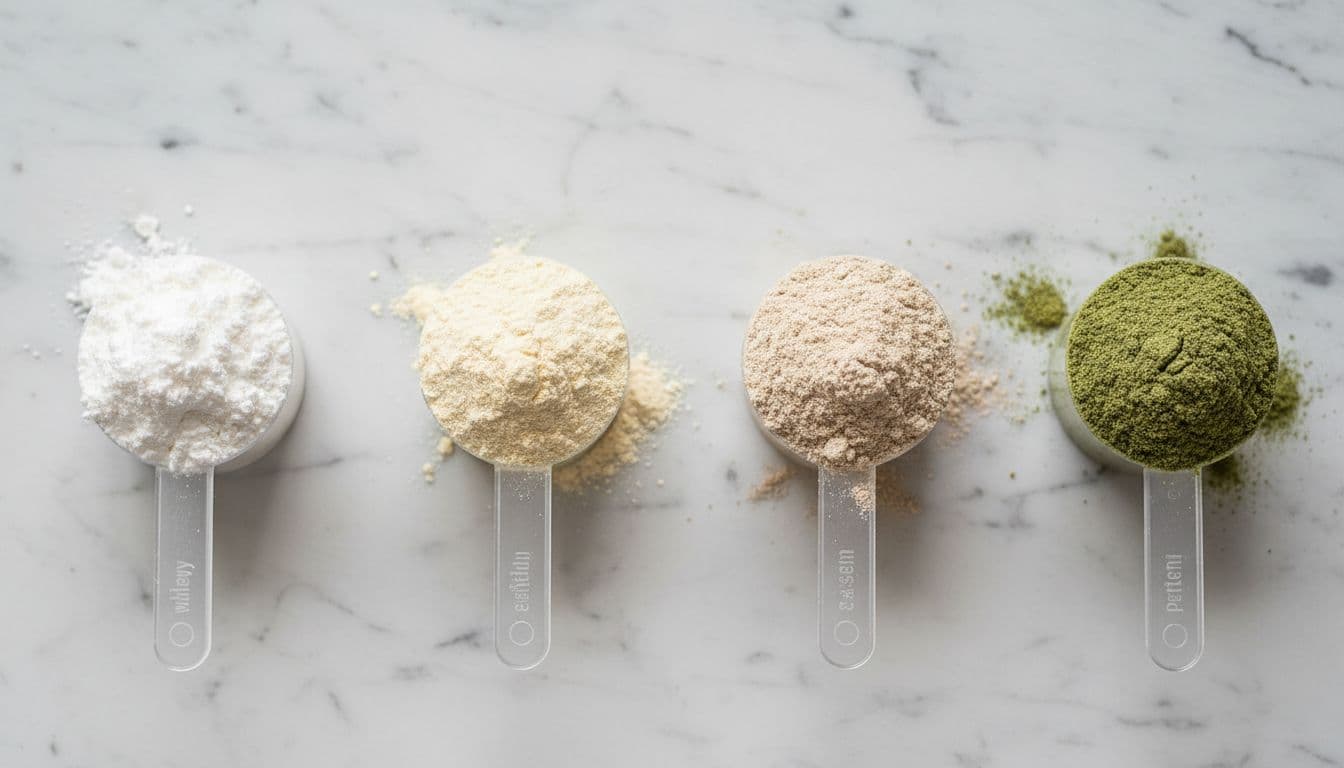 Here’s a quick side-by-side view before you read the details.
| Type | Best for | Main watch-out |
|---|---|---|
| Whey concentrate | General use, value, taste | More lactose than isolate |
| Whey isolate | Higher protein, lower lactose | Usually costs more |
| Casein | Evening use, thicker shakes | Dairy-based, slower to digest |
| Pea or soya | Vegan diets, solid protein content | Texture can vary |
| Rice or hemp | Dairy-free variety | Often lower protein per scoop |
The main takeaway is simple, pick the type that fits your stomach, budget, and routine.
Whey protein: concentrate, isolate, and casein, what is the difference
Whey protein comes from milk and remains the best-known option for good reason. It mixes well, tastes familiar, and suits many people after training or as an easy protein top-up.
Whey concentrate is often the best-value choice. It usually costs less and still gives a strong protein serving. However, it contains more lactose than whey isolate, so it may not suit those who are lactose intolerant. Whey isolate goes through extra processing, which raises the protein percentage and lowers lactose and fat, although it usually costs more per scoop. If regular whey concentrate bloats you, whey isolate may feel better for lactose intolerant shoppers, even with the higher price.
Casein protein is also milk-based, but it digests more slowly than whey protein. That makes it thicker and more filling. Some people like casein protein in the evening or before bed, while others use it as a snack replacement because it keeps hunger down a bit longer.
The “best” protein powder isn’t the most expensive one. It’s the one you tolerate well and will use often.
Anyone with a dairy allergy should avoid whey protein and casein protein. Lactose intolerance is different, but it still matters when reading labels.
Plant-based protein powders such as pea, soya, rice, and hemp
Plant protein has improved a lot. Older powders often felt gritty and tasted like punishment. Newer blends are smoother, though texture still varies by brand.
Pea protein is one of the most common choices because it offers solid protein content and a fairly neutral taste. Soy protein is another strong option and gives a well-rounded amino acid profile. Rice protein often blends nicely with pea protein, since each helps balance the other. Hemp brings extra fibre and a distinct earthy flavour, but it’s often lower in protein per serving.
Vegan protein powder blends can be a smart buy. They usually improve texture, offer a broader amino acids mix than a single-source powder, and provide a complete protein with better nutritional profile. That matters if you want one shake from vegan protein powder to cover more bases.
For UK shoppers, the label matters more than the marketing. A vegan tub that looks premium may still have less protein per serving and more filler than a simpler rival. Compare grams of protein per serving first, then taste, sweeteners, and price.
The best time of day to take protein powder for your goal
Most people overthink timing. Total daily protein matters more than the exact minute you drink your protein shake.
That said, timing can still help because habits matter. A protein powder that fits neatly into your day is more useful than one you forget to take.
 ### Morning, after exercise, or between meals, when fast-digesting protein can help
Whey and lighter plant proteins often work well earlier in the day. If breakfast is usually toast and tea, a protein shake can add protein without much prep. That helps commuters, parents on school runs, and anyone who starts work early.
After a resistance training session, a fast-digesting option is convenient because it is easy to drink post-workout when appetite is low. It will not magically build muscle on its own, but it can help with post-workout muscle recovery and let you hit your daily grams of protein target while recovery is on your mind.
Between meals is another useful slot. If lunch is late and dinner is later, a shake can stop the slump and keep hunger steady.
Evening and slower-digesting options, when casein or a thicker plant blend may suit
Some people prefer a slower, thicker protein later in the day. Casein is the usual choice here because it feels more filling and digests at a gentler pace to support muscle recovery overnight.
A dense plant blend can do a similar job, especially if it includes pea or oat-based ingredients. This can suit people who train in the evening, struggle with late-night snacking, or simply want to spread protein intake across the day instead of cramming it into two meals.
How to compare protein powder online, from ingredients to price per serving
A giant tub and a bright discount sticker can be misleading. When you compare protein powder online, the smartest shoppers look past the headline price.
Product pages, labels, and reviews tell a fuller story. That’s where you’ll spot whether a powder offers real value or hides weak servings behind flashy branding.
 ### Check protein per serving, ingredients, sweeteners, and allergen info
Start with the serving size. One brand may shout about 25g of protein, but only if you use a huge scoop. Another may offer 22g in a smaller, cheaper serving. Compare like with like.
Then read the ingredient list and nutritional profile. Watch the balance of protein, carbs, fats, and sugars. Also check for gums, flavourings, and artificial sweeteners if you know certain ingredients upset your stomach. On UK labels, artificial sweeteners like sucralose are clearly listed, so they are easy to spot. Some people are fine with sucralose, while others prefer stevia or unsweetened blends.
Allergen details matter too, especially for milk, soya, and gluten. If you compete in sport or want extra peace of mind, third-party testing or Informed Sport-style certification can be a useful trust signal.
Look at cost per gram of protein, not just the tub price
This is where shoppers often lose money. A cheaper tub isn’t always cheaper in practice.
Work out the cost per serving, then go one step further and check cost per gram of protein. A low-priced powder with 18 grams of protein per scoop may offer worse value than a slightly pricier one with 24 grams of protein. Also factor in delivery fees, multi-buy deals, and subscribe-and-save discounts. Those can swing the real cost quite a bit.
Reviews help here as well. If buyers say a powder clumps badly, tastes poor, or causes stomach trouble, a bargain can turn into waste. Limited-edition flavours often cost more too, even when the formula is the same.
Frequently Asked Questions
Do I need protein powder if I eat a balanced diet?
Not necessarily. Whole foods like chicken, fish, eggs, Greek yoghurt, tofu, lentils, and beans can meet your needs as part of a balanced diet per UK guidelines. Use powder for convenience if you’re busy, skip meals, or struggle with protein gaps, such as vegetarians/vegans or post-workout recovery.
What is the difference between whey concentrate, isolate, and casein?
Whey concentrate offers good value and taste but has more lactose; isolate provides higher protein with less lactose and fat for sensitive stomachs, though pricier. Casein digests slowly for thicker, filling evening shakes supporting overnight recovery. Avoid all if you have a dairy allergy.
Which protein powder is best for vegans?
Pea or soy protein deliver solid content per serving with neutral taste; rice or hemp add variety but often lower protein. Blends combine sources for complete essential amino acids and smoother texture. Always check UK labels for protein grams, fillers, and allergens over marketing hype.
How do I pick the best value protein powder online?
Compare protein per serving and cost per gram, not tub price; factor in scoop size, delivery, and deals. Scrutinise ingredients for sweeteners, gums, and allergens, plus reviews on taste, mixing, and digestion. Third-party testing adds trust for quality.
What is the best time to take protein powder?
Total daily intake trumps timing, but fast whey or pea works post-workout, mornings, or between meals for quick top-ups. Slower casein or thick plant blends suit evenings to curb hunger and aid overnight recovery. Pick what fits your habits for consistency.
Supplements that pair well with protein powder, depending on your lifestyle
Protein powder can sit alongside other supplements, but it doesn’t need a complicated stack. Your age, dietary needs, training, and goals such as weight loss should lead the choice.
Creatine monohydrate, fibre, and meal support for active adults and healthy living goals
Creatine monohydrate is one of the most common add-ons for people doing strength training or repeated high-effort exercise. It’s popular because it’s simple, affordable, and easy to take with a protein shake.
Fibre support can help if your diet is low in whole grains, fruit, and veg, or if protein shakes leave you less full than meals. Some people also buy meal replacement-style products, though those are a different category from plain protein powder. They can suit hectic days, but they shouldn’t push proper meals out of the picture.
Vitamin D, calcium, omega 3, and B12 for age, diet, and daily wellbeing
These sit more in the daily health camp. Vitamin D is a common one in the UK, especially in darker months. Calcium may matter if you avoid dairy or think about bone health as you get older. Omega 3 can make sense if oily fish rarely appears on your plate. For vegans, B12 is often the standout supplement to check.
Personal needs differ, so broad labels don’t tell the full story. If in doubt, match supplements to your diet first, not to a trend.
Protein powder works best when it fits your life, not when it promises miracles. The right choice comes down to protein type, when you’ll use it for muscle growth, how it sits in your stomach, and what you’re paying per serving.
Before you buy, compare ingredients, allergens, protein per scoop, and the real cost, not only the tub price. Pick a product you’ll use consistently, because the best protein powder is the one that suits your routine and earns its place in your cupboard.
Explore our Buyers Guides and Reviews
For a list of our main buyers guides use the drop-down menu at the top of the page. Topics related to this article are:
–
Explore Our Blog Categories for Expert Buying Advice
- AI Powered Product Finder Tools (25)
- Expert Buying Guides & Shopping Tips for UK Shoppers (1,461)
- Brands & Designer Products (Men, Women & Electronics) (293)
- Designer Fashion Brands: Buyer’s Guides & Reviews (166)
- Electronic Brands: Buyers Guides & Reviews (92)
- Apple Products Buyer’s Guides & Reviews (25)
- Brands – Phones, Laptops, PC”s, Tablets | Buyer’s Guides & Reviews (44)
- Electronics – Tablet & iPad Reviews and Buyers Guides (10)
- Kitchen Appliance Brands: Buyer’s Guides & Reviews (24)
- Laptop Brands & MacBooks Buyer’s Guides & Reviews (9)
- Phone Brands & iPhones Buyer’s Guides & Reviews (23)
- Car Buying & Financing Made Easy | Expert Guides for the UK (89)
- Clothing, Fashion & Accessories Buying Guides UK (510)
- Beauty, Health & Wellness | Perfume, Skincare, Makeup & Wellbeing Guides (187)
- Footwear: Trainers & Shoes Buyers Guides (49)
- Jewellery: Expert Reviews, Trends & Buying Guides (74)
- Men's Clothes — Buyers Guides & Reviews (39)
- Men’s Clothes, Fashion & Accessories Guides UK | Latest Trends & Smart Shopping (172)
- Women's Clothing Buyers Guides — Dresses, Tops & More (202)
- Women’s Clothes, Fashion & Accessories Guides UK | Latest Trends & Smart Shopping (449)
- Electronics, Tech & Gadgets: Reviews, Deals & Buying Guides UK (183)
- Furniture Buyer’s Guides | Home & Garden & Styling Tips (329)
- Bedroom Furniture Guides UK | Expert Tips & Best Value Deals (93)
- Garden Furniture, Landscaping & Garden Rooms Guides UK | Expert Tips & Best Value Deals (170)
- Garden Sofa & Sofa Sets Buyers Guides (11)
- Garden Tables & Chairs: Sets, Individual Tables & Seating Buyers Guides (57)
- Home Furniture, Décor & Interior Design Guides UK | Styling Tips & Inspiration (170)
- Living Room Furniture, Design & Décor Guides UK | Styling Tips & Inspiration (57)
- Sofa & Sofa Beds Buyers Guides (19)
- Sofa Beds Buyers Guides (7)
- Sofa Buyers Guides & Expert Advice (11)
- Holidays & Travel: Hotels, Villas & Flights (162)
- Home & Garden Improvements | Renovations & Outdoor Transformation Guides (106)
- Insurance & Protection: Travel, Landlord, Gadget & More UK (159)
- Gadget Insurance UK | Expert Guides, Reviews & Smart Protection Tips (33)
- Home Emergency Cover UK | Expert Guides, Reviews & Practical Protection Tips (21)
- Landlords Insurance UK | Expert Guides, Reviews & Smart Protection Tips (31)
- Travel Insurance UK | Expert Guides, Reviews & Money-Saving Tips (34)
- Pets: Guides, Tips & Inspiration (28)
- Brands & Designer Products (Men, Women & Electronics) (293)
- Gifts for Everyone: Ideas for Every Occasion & Budget (51)