A touring caravan gives you freedom, but it also gives you a large, towable target for bad luck. One loose branch in a storm, one tight turn out of a petrol station, or one opportunist with bolt cutters can turn a relaxing trip into a costly mess. Touring caravan insurance from a specialist provider can help safeguard against these mishaps.
It helps cover repair bills, theft, accidental damage, and your liability if someone gets hurt because of your setup on site.
This guide is for touring caravans you tow and trailer tents, not static caravans that need static caravan insurance and not motorhomes. It’ll help you choose a sensible cover level, understand the add-ons, spot common gaps, and compare quotes with fewer nasty surprises later.
What touring caravan insurance usually covers (and what often catches people out)
Most touring caravan policies revolve around two big things: protecting the caravan itself, and protecting you if something you do causes damage or injury. However, insurers don’t all define risks in the same way, so the policy wording matters more than the headline price.
A common trap is assuming “fully comprehensive” means “everything”. It rarely does. Cover limits, security conditions, and exclusions (such as wear and tear) can be the difference between a smooth claim and a stressful argument.
 ### The basics: accidental damage, theft, fire, and weather events
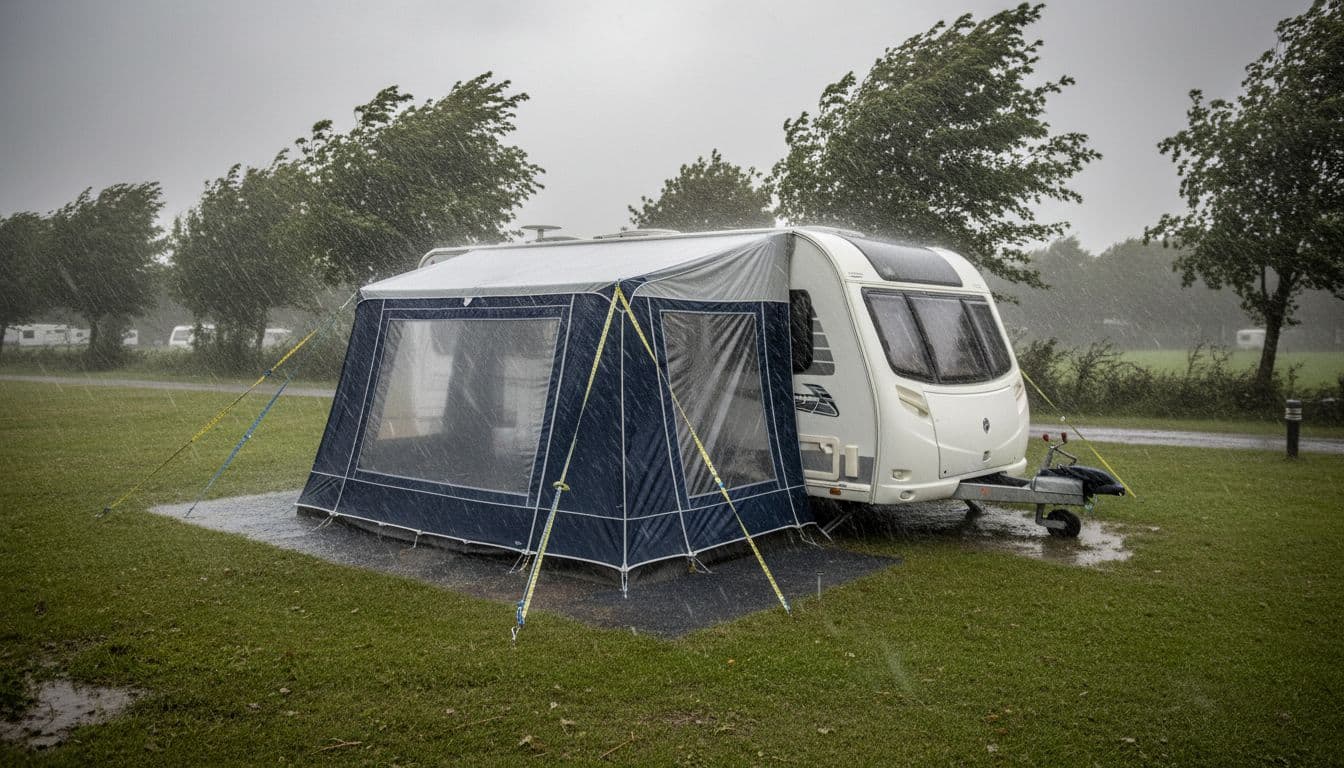
Most policies cover accidental damage, fire, theft and attempted theft, and malicious damage. They often also include storm and flood cover (for example, a branch landing on the roof). In day-to-day life, accidental damage is the one that tends to matter most, because towing and pitching are full of small risks.
For example, you might clip a bollard while manoeuvring, crack a window on a tight lane, or damage the steadies on a rough entrance. Some policies treat towing-related mishaps as standard accidental damage, while others set conditions around how and where the caravan was being used.
Theft cover is another area where people get caught out. Many insurers expect:
- Evidence of forced entry for theft from inside the caravan
- Certain security devices (such as a hitchlock or wheel clamp), sometimes to an approved standard
- The caravan to be stored where you said it would be stored (driveway, secure compound, or elsewhere)
Weather cover can look generous, yet still come with practical limits. Awnings, outdoor furniture, gas bottles, and portable kit may only be covered up to a set amount. Some policies also reduce cover if the awning was left up during high winds, or if the caravan was left unattended in conditions that made damage more likely.
If you remember one rule, make it this: match the policy conditions to how you actually tour, tow, and store, not how you hope you’ll behave.
Public liability cover and legal cover: protection if someone gets hurt
Public liability is the quieter part of touring caravan insurance, but it’s often the most important. It can protect you with third party liability if you’re held responsible for injury or damage to someone else’s property.
Imagine a guest trips over your guy rope at dusk, or a wind-blown awning pole scratches a nearby vehicle. Even something simple, like a child cutting a hand on a broken corner steady, can turn into a claim. Public liability cover is designed for these moments.
Many touring caravan policies include a standard level of liability cover, but legal expenses cover (help with legal costs and disputes) might be optional. Don’t assume your car insurance fills this gap either. Your towing vehicle policy mainly deals with road risks involving the car, not the wider campsite setup, pitch hazards, or your caravan’s day-to-day use off the road.
Choosing the right level of cover for how you travel and store your caravan
The best policy is the one that fits your real routine. Some people tour twice a year and keep the caravan on the drive. Others head off most weekends and store it in a compound between trips. Those two lifestyles need different details, even if the caravan value is similar.
Start with three basics:
- What would it cost to replace or repair the caravan?
- Where is it kept overnight most of the year?
- Do you travel outside the UK, even occasionally?
Then think about the “pain points”. A voluntary excess can cut the premium, but only if you could comfortably pay that amount after a claim. A no claims discount can help over time, yet it’s not worth much if the cover leaves gaps you only discover when you need it.
 ### New-for-old, market value, or agreed value: how payouts can differ
The payout basis shapes what you’ll get if the caravan is written off or stolen. Here’s a simple comparison, including new for old cover options.
| Payout basis | What it usually means | Best for | Watch out for |
|---|---|---|---|
| New-for-old | Replaces with a brand-new equivalent model (or pays the cost) if criteria are met | Newer caravans, owners wanting maximum certainty | Often limited to caravans within a certain age, plus strict conditions |
| Market value | Pays what the caravan is worth at the time of loss | Older caravans, lower premiums | Depreciation can be steep, replacement cost may be higher than the payout |
| Agreed value | Sets a fixed value upfront, then pays that amount if total loss occurs | Specialist or well-kept caravans, owners wanting clarity | You must keep the valuation realistic and updated |
Underinsuring is the classic mistake. If your sum insured is too low, you might not get enough to cover the replacement cost of the caravan. That can also affect partial claims, depending on the policy terms. Insurance valuations aim to match this replacement cost, ensuring you’re protected properly.
To make claims smoother, keep photos, receipts, and service history. A quick phone folder of exterior and interior shots helps, especially for extras like movers, solar panels, upgraded locks, and added batteries.
Where it lives matters: driveway, home storage, or a secure compound
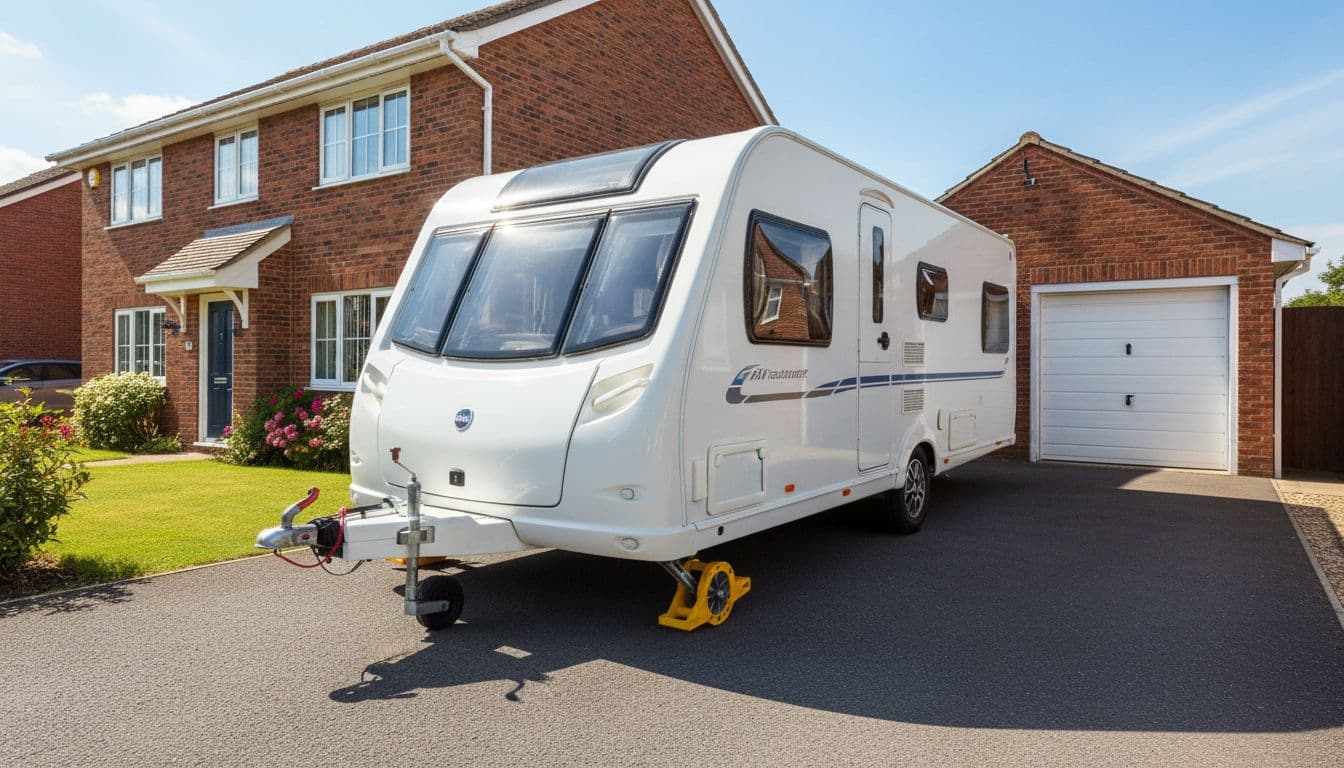
Storage and caravan security are among the biggest rating factors for touring caravan insurance. Insurers price the risk based on where the caravan sits when you’re not using it, because theft and weather exposure often happen off-trip. Secure storage can significantly reduce premiums.
A caravan stored on a driveway might cost less than street parking, but only if it’s properly secured. Secure storage in compounds can also reduce premiums, especially if they have gates, lighting, CCTV, and controlled access. On the other hand, some policies place conditions on the type of compound and whether it meets certain standards.
Security expectations vary, but often include a mix of:
- A wheel clamp and hitch lock (sometimes to an approved standard)
- An alarm or tracker for higher-value caravans
- Correct declaration of where it’s kept overnight, not just “most of the time”
Seasonal habits matter too. If you store the caravan for winter, check whether the policy treats that as normal cover or offers a “laid up” period. If laid up exists, it may restrict use, but could be cheaper. Either way, don’t move the caravan to a different place without updating the insurer, because that’s a common reason claims get reduced.
Add-ons worth considering (and the ones to double-check before paying extra)
Optional extras can be worth it, but only when the limits match your real kit. The catch is that add-ons often sound broad, yet the definitions are narrow. Before paying extra, look for three things: limits, excesses, and what counts as covered property. Add-ons like key protection can also enhance your policy if you travel frequently.
A simple example is “equipment”. One insurer may mean ramps and chocks. Another may include an awning, but only up to a modest cap. If you’ve invested in a large awning, outdoor cooking gear, and a mover, it adds up quickly.
 ### Contents, personal possessions, and high-value items
“Contents” and “personal possessions” sound similar, but they’re often treated differently.
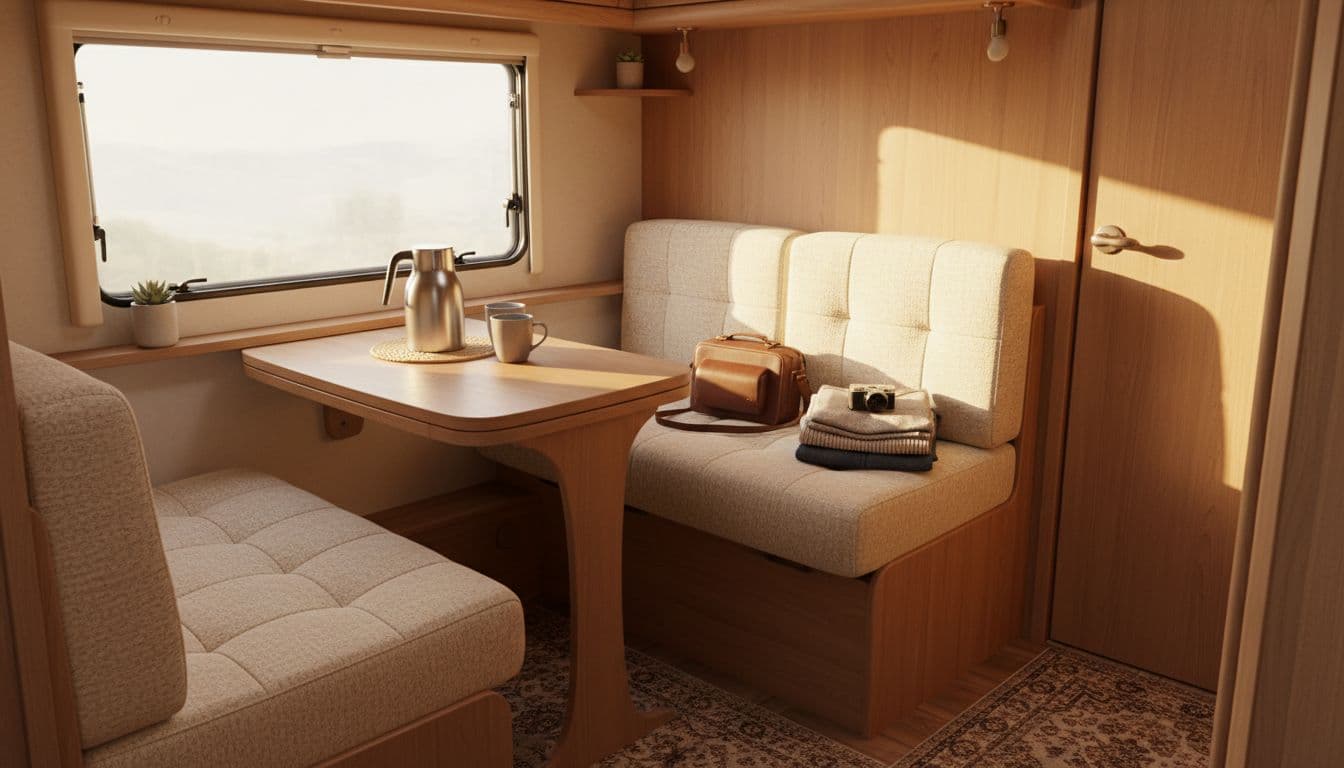
- Caravan contents insurance can mean items kept in the caravan, sometimes including fitted equipment.
- Personal possessions often means things you carry, like phones, cameras, laptops, and jewellery.
This matters because personal possessions cover may have a low single-item limit. That’s fine for a kettle and bedding, but not for a camera kit or a high-end tablet. Some policies let you list specified items for a higher limit, while others expect you to insure them elsewhere.
Also watch out for double cover. If your home contents policy already covers gadgets away from home, you might not need the same protection again inside the caravan policy. On the other hand, home contents cover might exclude theft from an unattended caravan, so you can’t assume it’s sorted.
If you regularly leave the caravan stocked between trips, check the rules for unoccupied periods and what counts as “secure storage”. Many claims problems begin with a simple detail like leaving valuables inside during compound storage when the policy expects you to remove them.
EU cover, roadside help, and recovery for the caravan
If you tour outside the UK for European travel, EU cover is one of the first add-ons to check. “European use” can mean different things: it might cover short trips, or it may be available for longer journeys if you declare them. Policies can also limit:
- Trip length (for example, a set number of days per trip)
- Total days abroad each year
- Specific countries or regions
Requirements can crop up too. Some insurers expect you to follow local laws on safety kit, documentation, and road rules. If you’re heading abroad, confirm what evidence they need if something goes wrong.
Breakdown is another common confusion. Your tow car might have roadside assistance, but that doesn’t always cover caravan recovery. After an accident or a mechanical issue, you may need the caravan transported as well as the car. Some caravan policies offer caravan breakdown cover, but others sell it as an extra, or exclude certain scenarios.
How to compare quotes and avoid claim problems later
Shopping for touring caravan insurance is like packing for a trip. If you rush, you forget the one thing you’ll need most.
Start by collecting accurate details, then compare like-for-like cover. A cheap premium can hide a high excess, low awning limits, or strict theft conditions. Meanwhile, a slightly higher price might include new-for-old settlement, better contents cover, and stronger recovery.
Accuracy matters because insurers base claims on the facts you declared. A small mistake, like the wrong overnight postcode or missing a tracker detail, can cause delays or reduced payouts. It’s not about being perfect, it’s about being honest and consistent.
 ### A quick checklist of details to gather before you get quotes
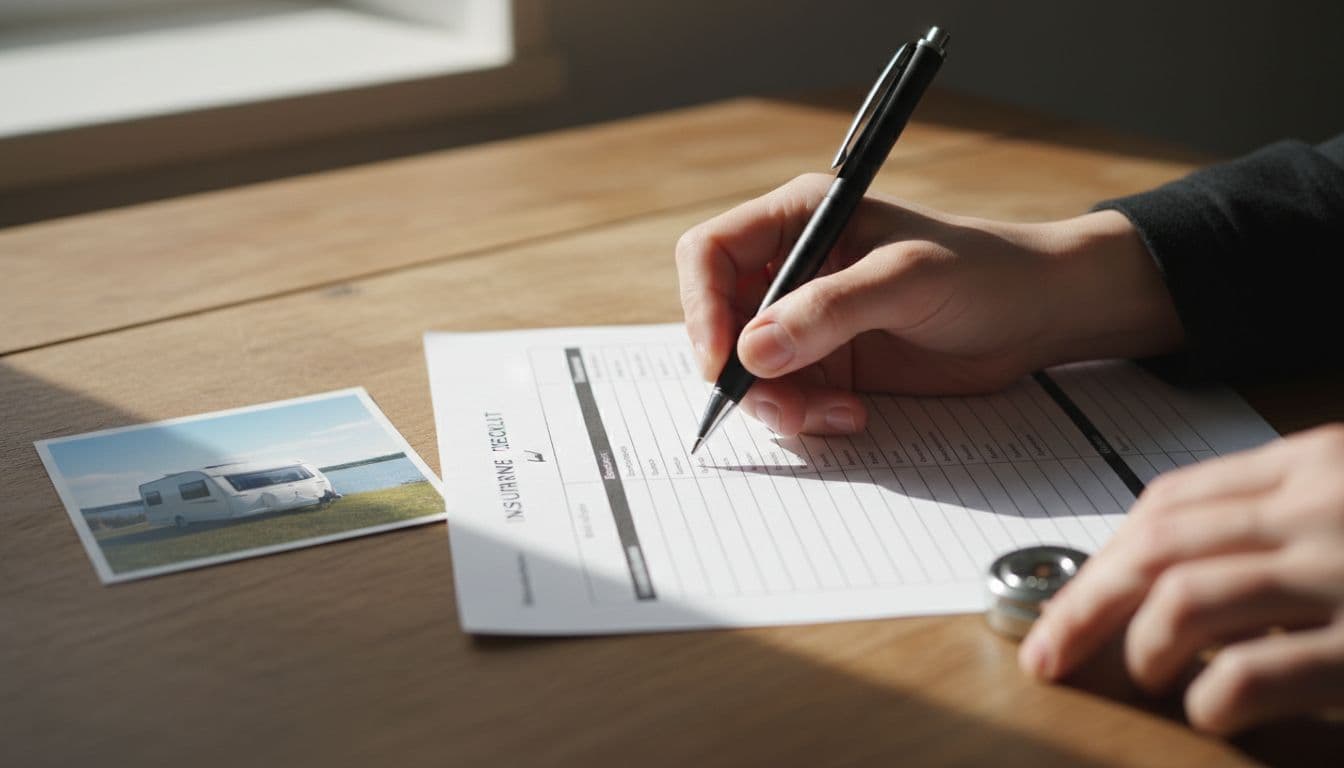
Have these to hand before you start, because it helps you compare quotes properly and reduces errors:
- Caravan make, model, year, and value (plus whether it’s new-for-old, market value, or agreed value)
- CRiS registration number, a vital piece of identification for the caravan
- Your driving licence details, essential for confirming towing legality
- Where it’s kept overnight at home and when touring
- Storage type (driveway, garage, secure compound), plus the storage postcode
- Security devices (wheel clamp, hitchlock, alarm, tracker), including any standards you can evidence
- How often you tour and whether you leave it unattended on site
- Any European travel plans, even if occasional
- Past claims or losses (caravan and sometimes related insurance history)
- Modifications and extras (mover, solar panel, upgraded locks, additional batteries)
- Whether the caravan is on finance, if that applies (some insurers ask)
If you’re unsure of the value, be realistic. Think replacement cost, not what you hope someone would pay second-hand.
Simple ways to lower the premium without cutting key cover
Saving money is good, but only if you don’t turn the policy into a paper umbrella. The aim is to reduce risk and trim unnecessary extras, not strip out the parts you’d actually claim on.
Here are practical, low-fuss ways to bring the price down:
- Increase the excess to a level you could pay without stress.
- Improve security and use it consistently, because insurers may ask for proof after a theft.
- Choose safer storage if you have the option, such as a secure compound instead of the street.
- Remove high-value items when the caravan is stored, especially electronics and cameras.
- Join a caravan club for potential member discounts on premiums.
- Limit European cover if you don’t travel abroad, or choose trip limits that match your plans.
- Keep your sum insured accurate, because over-insuring can raise premiums, while underinsuring can hurt claims.
- Review the policy each year, because your travel habits and storage arrangements change.
Above all, balance price with what you can afford to lose. A solid policy offers vital financial protection, as a low touring caravan insurance premium feels great until you face a large repair bill and find the cover limit is smaller than you expected.
Conclusion
Touring caravan insurance works best when it matches your real life, how you tow, where you store, and where you travel. Confirm the payout basis, check limits on awnings and contents, and make sure accidental damage, liability, and recovery cover fit your trips.
Next, compare a few policies side by side, read the key exclusions, and keep photos and receipts ready for claims. The goal is simple: pay for useful cover, not comforting wording.
–
Explore our Buyers Guides and Reviews
For a list of our main buyers guides use the drop-down menu at the top of the page. Topics related to this article are:
Laptop Insurance Buyers Guides
Gadget Insurance Buyers Guides
Tennant’s Insurance Buyers Guide
Landlords Insurance Buyers Guide
Home Emergency Cover Buyers Guide
Travel Insurance Buyers Guides
Car Breakdown Cover Buyers Guide
–
Explore Our Blog Categories for Expert Buying Advice
- AI Powered Product Finder Tools (25)
- Expert Buying Guides & Shopping Tips for UK Shoppers (1,367)
- Brands & Designer Products (Men, Women & Electronics) (273)
- Designer Fashion Brands: Buyer’s Guides & Reviews (153)
- Electronic Brands: Buyers Guides & Reviews (86)
- Apple Products Buyer’s Guides & Reviews (24)
- Brands – Phones, Laptops, PC”s, Tablets | Buyer’s Guides & Reviews (42)
- Electronics – Tablet & iPad Reviews and Buyers Guides (11)
- Kitchen Appliance Brands: Buyer’s Guides & Reviews (22)
- Laptop Brands & MacBooks Buyer’s Guides & Reviews (9)
- Phone Brands & iPhones Buyer’s Guides & Reviews (23)
- Car Buying & Financing Made Easy | Expert Guides for the UK (89)
- Clothing, Fashion & Accessories Buying Guides UK (454)
- Beauty, Health & Wellness | Perfume, Skincare, Makeup & Wellbeing Guides (165)
- Footwear: Trainers & Shoes Buyers Guides (46)
- Jewellery: Expert Reviews, Trends & Buying Guides (71)
- Men's Clothes — Buyers Guides & Reviews (38)
- Men’s Clothes, Fashion & Accessories Guides UK | Latest Trends & Smart Shopping (156)
- Women's Clothing Buyers Guides — Dresses, Tops & More (173)
- Women’s Clothes, Fashion & Accessories Guides UK | Latest Trends & Smart Shopping (395)
- Electronics, Tech & Gadgets: Reviews, Deals & Buying Guides UK (170)
- Furniture Buyer’s Guides | Home & Garden & Styling Tips (313)
- Bedroom Furniture Guides UK | Expert Tips & Best Value Deals (91)
- Garden Furniture, Landscaping & Garden Rooms Guides UK | Expert Tips & Best Value Deals (158)
- Garden Sofa & Sofa Sets Buyers Guides (11)
- Garden Tables & Chairs: Sets, Individual Tables & Seating Buyers Guides (42)
- Home Furniture, Décor & Interior Design Guides UK | Styling Tips & Inspiration (167)
- Living Room Furniture, Design & Décor Guides UK | Styling Tips & Inspiration (57)
- Sofa & Sofa Beds Buyers Guides (19)
- Sofa Beds Buyers Guides (7)
- Sofa Buyers Guides & Expert Advice (11)
- Holidays & Travel: Hotels, Villas & Flights (158)
- Home & Garden Improvements | Renovations & Outdoor Transformation Guides (99)
- Insurance & Protection: Travel, Landlord, Gadget & More UK (159)
- Gadget Insurance UK | Expert Guides, Reviews & Smart Protection Tips (33)
- Home Emergency Cover UK | Expert Guides, Reviews & Practical Protection Tips (21)
- Landlords Insurance UK | Expert Guides, Reviews & Smart Protection Tips (31)
- Travel Insurance UK | Expert Guides, Reviews & Money-Saving Tips (34)
- Pets: Guides, Tips & Inspiration (26)
- Brands & Designer Products (Men, Women & Electronics) (273)
- Gifts for Everyone: Ideas for Every Occasion & Budget (45)