A Tinted Moisturizer with SPF offers Light Coverage and moisture in one step, with a Natural Coverage finish. For more dependable Daily Sun Protection, though, wear it over separate sunscreen with Broad Spectrum SPF rather than relying on the tint alone.
The right formula can soften the look of uneven colour without feeling like full foundation. Choosing one takes more than finding a flattering shade: finish, skin feel and UVA labelling matter too.
This guide will help you judge what the product can do, choose one that suits your skin and use it without short-changing your sun protection.
Key Takeaways
- Tinted moisturiser offers sheer or light coverage, moisture and a labelled SPF, but finishes vary between formulas.
- Check the label for Broad Spectrum SPF, alongside the SPF rating and UVA information. The labelled SPF depends on applying enough product.
- Test the shade against your face and neck, and choose a texture you enjoy wearing.
- For more dependable SPF Protection, use dedicated sunscreen beneath your tint, especially outdoors.
- When buying online, compare size, delivery costs and returns alongside shade options.
Tinted Moisturizer with SPF: What It Can and Cannot Do
A tinted moisturiser with SPF combines pigment, moisturising ingredients and UV filters. It can offer Skincare Benefits through its moisturising ingredients, which may include Hyaluronic Acid. The tint can make your complexion look more even while leaving freckles and natural skin texture visible. Coverage varies considerably: some formulas give barely perceptible colour, while others cover more redness or uneven tone.
The useful distinction is between how it looks on your skin and how you protect your skin. You may need only a small amount of tint to like the finish. That small amount may not deliver the SPF printed on the packaging.
How it differs from foundation, skin tint and sunscreen
Foundation usually offers a wider choice of coverage levels, including medium and full. A Skin Tint is often similarly light to tinted moisturiser, but product names aren’t tightly defined. CC Cream and BB Cream formulas also vary, so check the actual coverage, finish and ingredients rather than relying on the category.
Dedicated sunscreen has a different job: protecting exposed skin when you apply it as directed. A tint can add polish to your routine, but its makeup benefits don’t make every formula a practical substitute for sunscreen.
What SPF and UVA protection labels mean
SPF, or Sun Protection Factor, mainly describes protection against UVB radiation, which causes sunburn. UVA protection matters as well, so check for the UVA logo inside a circle or a clear UVA star rating on UK packaging. A Broad Spectrum SPF claim doesn’t replace checking for a clear UVA rating or logo.
Products are tested using a set application amount. Since most people apply makeup for its appearance rather than at that tested thickness, the labelled SPF isn’t a reliable measure of the protection you’ll get from a thin layer. Some formulas use mineral UV filters, sometimes described as Mineral SPF, while others use different filters. A Mineral SPF formula still needs to be applied at the tested amount for its labelled SPF to be relevant.
The trade-offs are straightforward:
- You gain quick, flexible coverage that often feels lighter than foundation.
- A comfortable formula can make daily wear more appealing.
- A limited shade range can leave a visible mismatch.
- Applying enough tint for its labelled SPF may give more coverage than you want.
How to Choose a Tinted Moisturiser with SPF for Your Skin
Start with shade and how the formula feels after it has settled. A tint that looks good for a minute but turns too warm or feels greasy by lunchtime won’t earn a regular place in your routine. Sunscreen labelling matters, but so does whether you’ll enjoy wearing the product over your usual protection.
Find a shade and undertone that blend naturally
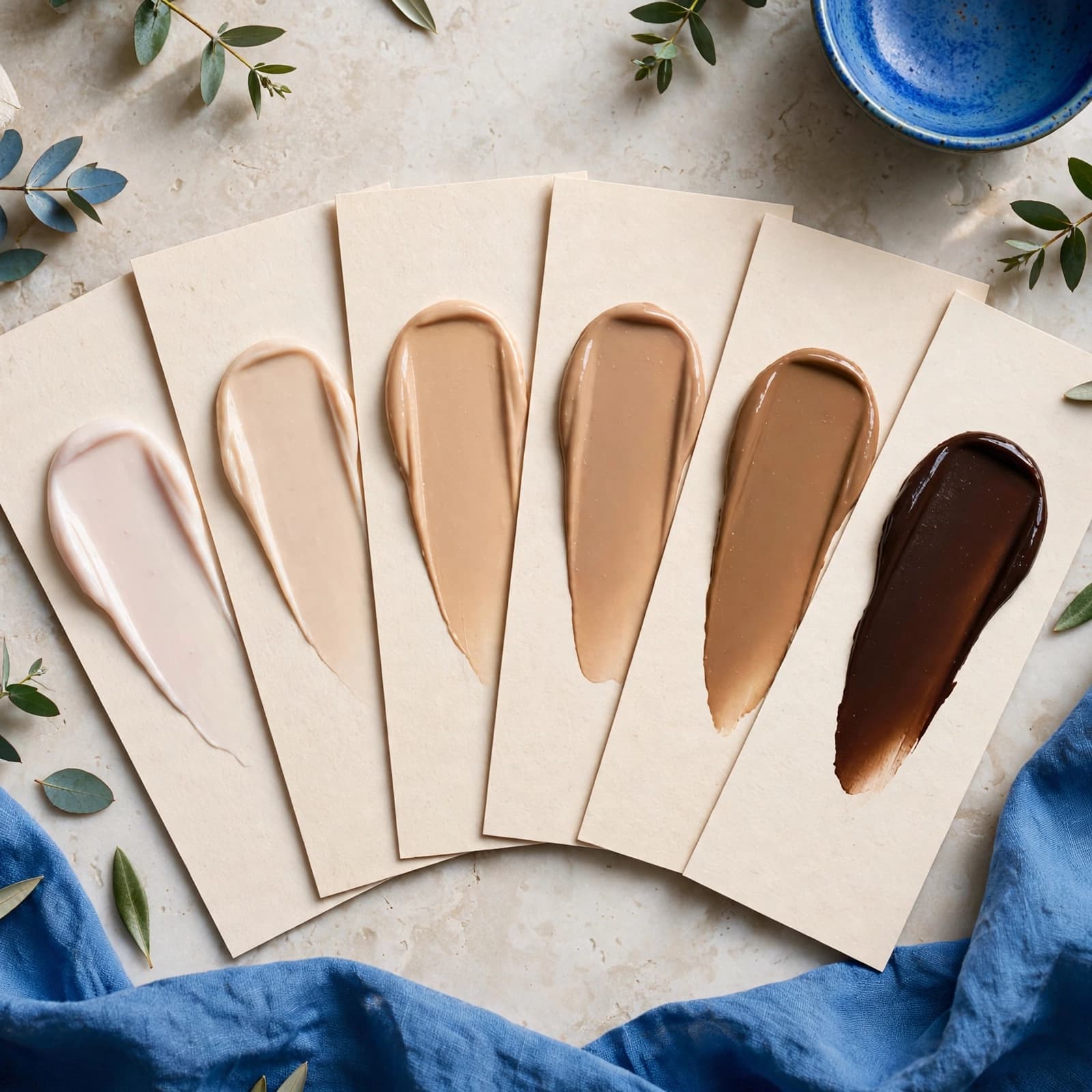
If you can test in person, put a small swatch along your jawline and look at it in daylight. Give it time to settle before deciding. The colour should blend with your face and neck, rather than looking convincing on your hand alone.
Light Coverage gives you some room for error, but it can’t always disguise the wrong undertone. A shade may be close in depth yet look orange, pink or ashy once spread across the face. If the product changes appearance as it dries, judge the settled colour, not the fresh swatch.
Match the finish and texture to your skin preferences
A Dewy Finish adds sheen, while a natural finish leaves skin looking less glossy. A Matte Finish can reduce visible shine. None is automatically better: the right choice is the one that feels comfortable and wears well with your other products.
Dry Skin may prefer a creamier texture, such as a Hydrating Formula. If you dislike a slick feeling, try a lighter fluid or an Oil-Free Formula. Combination skin can need a little powder only where shine develops. Ingredients such as Squalane or Hyaluronic Acid don’t guarantee a particular result or suit every skin type. For Sensitive Skin, inspect the full ingredient list, especially if you already know that fragrance or another ingredient causes a reaction.
Check the formula, shade range and packaging
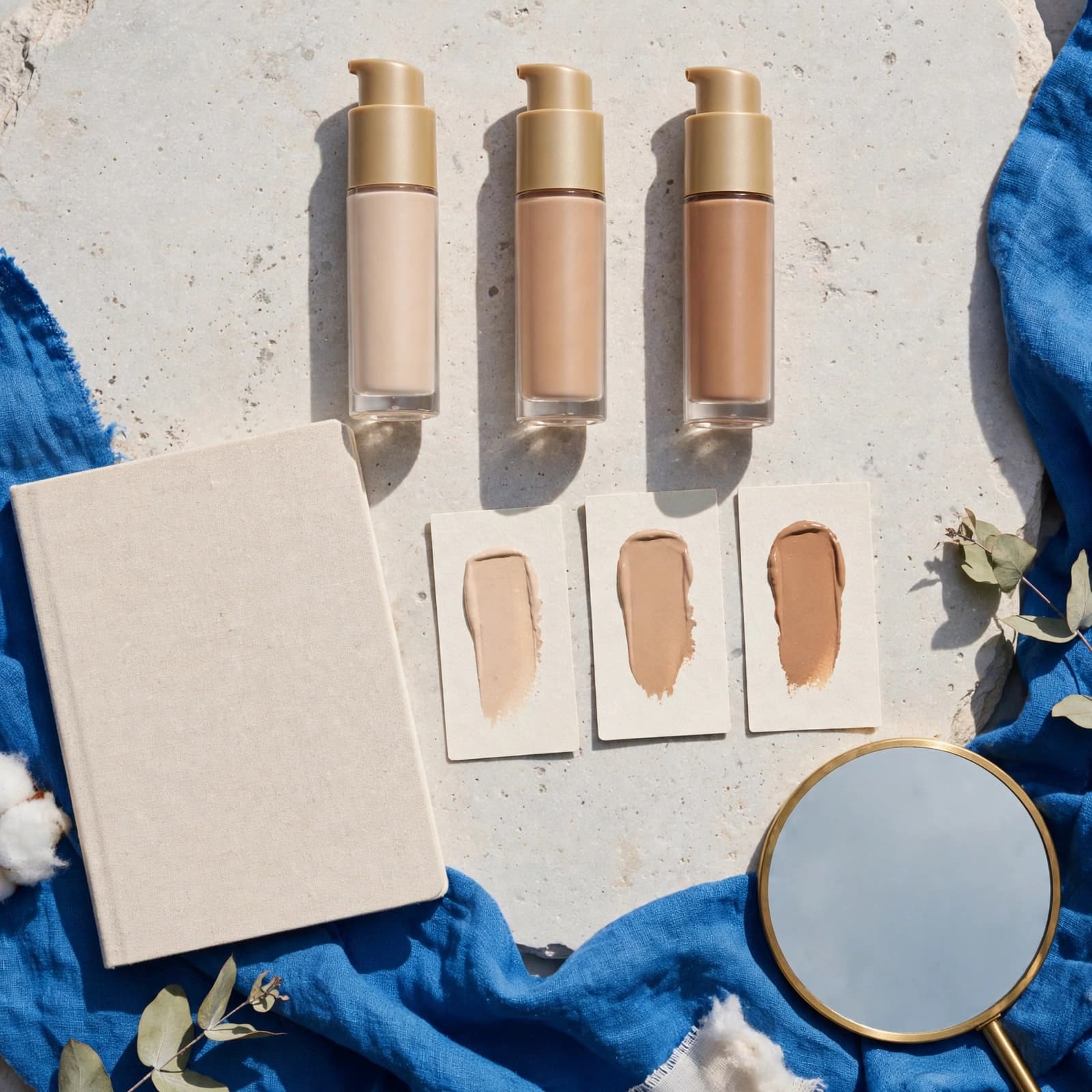
Before buying, compare the SPF, UVA information, available shades, stated finish and ingredient list. Check whether the Shade Range includes a credible match, and look closely at shade images across several skin tones, particularly if you’re choosing between undertones. Look for Broad Spectrum SPF labelling and check the UVA information too. Mineral SPF is one filter type you can identify on the product information.
Pumps and tubes can make dispensing less messy, especially when you’re getting ready quickly. They don’t tell you whether the tint will blend well or feel comfortable. Likewise, a luxurious-looking bottle says little about its day-to-day performance.
How to Apply It Without Short-Changing Sun Protection
Keep Sunscreen Protection separate from the tint’s cosmetic role. People often use less tinted moisturiser than the amount needed to achieve its labelled SPF, particularly when they want a barely-there finish. Apply a dedicated sunscreen with Broad Spectrum SPF first, then use the tint for the coverage you like.
Apply sunscreen first, then add the tint
Choose a sunscreen labelled Broad Spectrum SPF. A Mineral SPF formula is one option, not a requirement. Follow the product’s directions for how much to use and when to apply it. Pay attention to easy-to-miss areas, such as the ears and hairline, where appropriate. Allow it to settle as directed before smoothing on the tinted moisturiser.
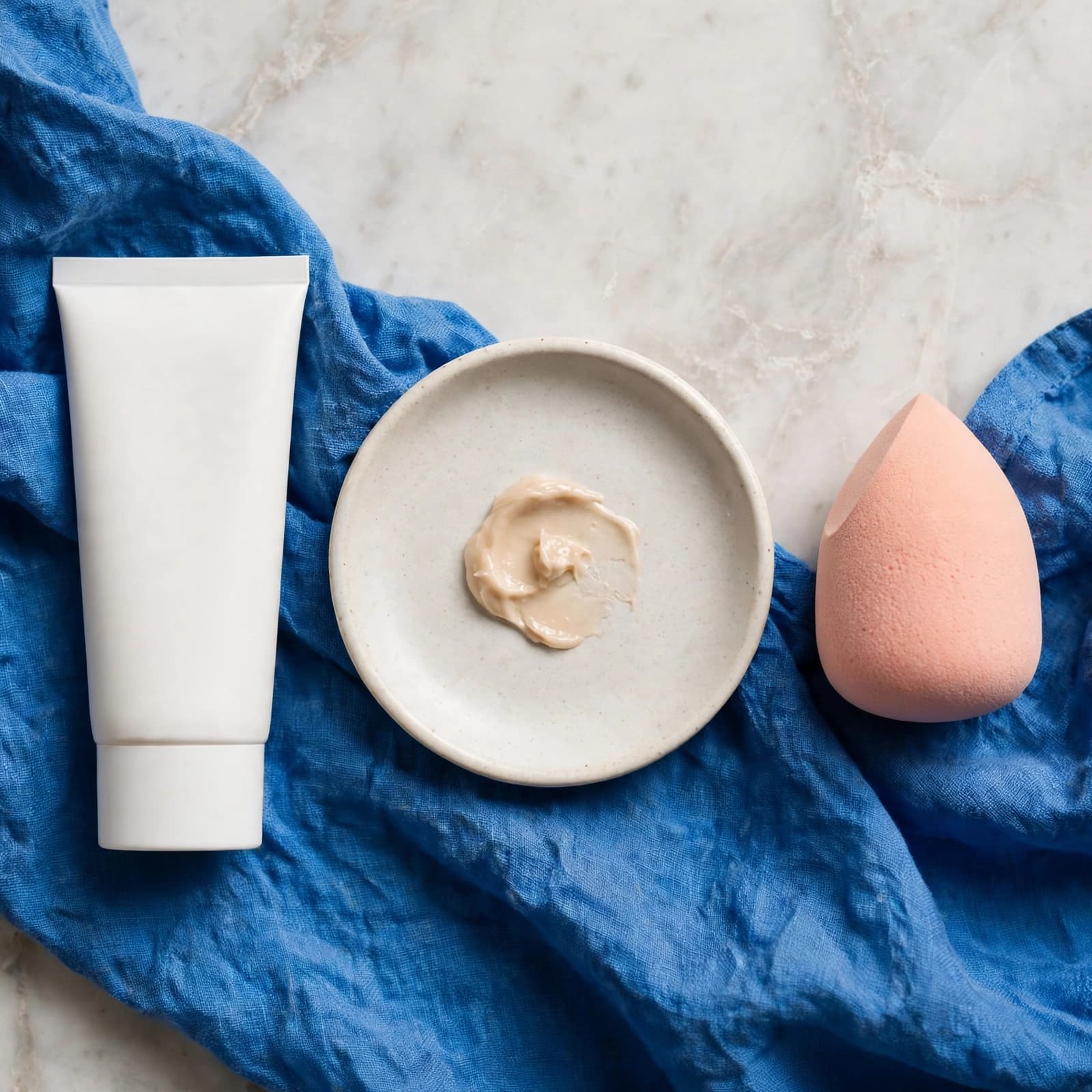
Start with a thin layer of tint and add a little more where you want extra coverage. Gentle smoothing or patting helps avoid shifting the sunscreen beneath it. Don’t mix the two products together in your palm, as this makes an even sunscreen layer harder to judge.
If the combination pills or feels heavy, try applying thinner layers and allowing more settling time. Check whether your moisturiser, sunscreen and tint sit comfortably together before assuming the tint itself is unsuitable.
Reapply protection and adjust your routine outdoors
Sun protection needs topping up during prolonged outdoor exposure. Follow your sunscreen’s Broad Spectrum SPF reapplication directions, particularly after swimming, sweating or towelling your face. Makeup can make this awkward, but it doesn’t remove the need for Daily Sun Protection.
You can carefully reapply sunscreen, then touch up the tint where coverage has moved. On days spent outside, a hat and shade also help limit exposure. Cloud cover isn’t a dependable guide to UV levels in the UK, so check the UV forecast when planning time outdoors.
Buying Online: Compare Value, Shade Options and Alternatives
Buying online makes it easier to browse a wider Shade Range and compare sizes, finishes and prices without rushing a decision. The drawback is obvious: a screen can’t show exactly how a tint will look on your skin or feel after several hours. Use shade descriptions and ingredient lists to narrow your choice, and compare stated protection, including Broad Spectrum SPF and UVA details. For example, assess a Laura Mercier product by its shade, finish and SPF/UVA information, rather than relying on the name alone. Check the return terms before ordering.
Compare the full cost, not just the ticket price
Look at how many millilitres you get, then compare the cost per millilitre between likely options. Add delivery charges, and check whether returns are allowed after opening a cosmetic product. A lower ticket price loses its appeal if delivery is expensive or a poor shade match can’t be returned.
Reviews can help when they describe the reviewer’s skin type, shade and preferred finish. Still, comfort and colour are personal. A higher price doesn’t guarantee a better match, longer wear or stronger protection in practice. Check ingredient information for features such as Hyaluronic Acid, but don’t treat an ingredient as a guarantee of performance. Judge value by how the product fits your routine: Does it sit well over sunscreen? Does it offer enough coverage without feeling heavy?
Know when a different product may suit you better
If protection is your main concern, buy a dedicated sunscreen first. You can wear it alone or put your preferred makeup over it. A Skin Tint may suit you if you want light colour but don’t need your makeup to contain SPF.
Choose foundation when you want fuller or more adjustable coverage. Tinted moisturiser earns its place when light coverage and comfortable wear are the priorities. Before ordering, check whether its shade range gives you a credible match; even a well-priced formula is poor value if the colour stays unused.
Frequently Asked Questions
Can tinted moisturiser with SPF replace sunscreen?
Don’t rely on it as your sole protection for most routines. People commonly apply too little makeup to reach the SPF shown on its label. A separate sunscreen beneath it, labelled Broad Spectrum SPF, is the more dependable choice, particularly when you’re spending time outdoors.
Can I wear it every day, including on cloudy days?
Yes, if the formula suits your skin. UV exposure isn’t limited to bright sunshine, so cloud cover alone shouldn’t decide your protection routine. Check the UV forecast and use suitable sunscreen and other protective measures when needed.
Will tinted moisturiser with SPF work for oily or sensitive skin?
It depends on the formula and your skin. If you’re prone to shine, compare lighter textures and less dewy finishes. For Sensitive Skin, check the ingredients and patch test a new product before applying it widely.
Can I apply powder or foundation over it?
Yes. Let the tinted moisturiser settle, then add powder or foundation where you want a different finish or more coverage. Extra makeup layers don’t remove the need to reapply sunscreen during extended outdoor exposure.
The Final Verdict
Tinted moisturiser with SPF is a worthwhile buy when you want moisture and light coverage in a quick, comfortable layer. Choose by shade, finish and skin feel, and check the UVA information rather than judging protection by the SPF number alone.
Buy it if you prefer a natural-looking base and are happy to wear dedicated sunscreen underneath. Skip it if you want full coverage or expect one thin layer of makeup to provide all your sun protection.
The best purchase is one you’ll enjoy wearing, with sunscreen doing the protective work.