A moisturiser shouldn’t leave your face greasy, shiny, or uncomfortable. This type of moisturiser is often a sensible choice for oily skin and combination skin, although the full formula matters more than the label alone.
The goal is comfortable hydration without excess shine. A lightweight formula can sit beneath sunscreen and work as a makeup base. A water cream usually feels lighter than a traditional, heavier cream, making it practical for everyday use. This guide covers textures, skin types, online value, application, and the mistakes that can make even a good formula feel wrong.
Key Takeaways
- Match the texture to your needs: a gel cream can feel comfortable, while richer options may suit drier areas.
- For oily skin, combination skin, or acne prone skin, assess how the formula feels and whether non-comedogenic claims are supported by clear ingredient information.
- Look for glycerin, hyaluronic acid, niacinamide, and ceramides when you want hydration or barrier support.
- If you have sensitive skin, check fragrance, alcohol, and known allergens, as irritation can weaken the skin barrier.
- Compare price per 100 ml, read relevant reviews, and try a smaller size when possible.
What Is an Oil Free Moisturiser, and Who Should Use One?
An oil-free formula excludes added plant, mineral, or synthetic oils. It may still contain humectants, silicones, gel-formers, niacinamide, and light conditioning ingredients to support oily skin.
The term doesn’t guarantee a fragrance-free formula, a particular finish, or suitability for every person. CeraVe and Kate Somerville labels should be judged by their full ingredient lists, not brand recognition. Your own skin response matters most.
Hydration and moisture retention are related but different. Humectants draw water into the upper layers of skin, while occlusive and emollient ingredients slow water loss and make skin feel smoother. Oily skin can still become dehydrated, particularly after harsh cleansing. Changes in sebum production may leave it feeling tight yet looking shinier by lunchtime.
How an Oil-Free Formula Helps Oily, Combination, and Acne-Prone Skin
A gel texture, gel cream, or water cream can feel less slick than a rich cream. A lightweight formula may also sit more comfortably beneath SPF, foundation, or concealer.
For oily skin, these textures can reduce the heavy sensation associated with excess shine. For combination skin, use a small amount across the T-zone and add more over dry cheeks.
A non-comedogenic claim may help if you’re blemish prone, but it doesn’t guarantee fewer breakouts or less visible pores. For acne prone skin, targeted products may contain salicylic acid, but a moisturiser isn’t an acne treatment.
When It May Not Be the Best Choice
Very dry, flaky, or barrier-damaged skin may need a richer cream with oils, butters, or more occlusive ingredients. An oil-free gel can feel pleasant at first but leave this skin type short of lasting comfort.
Persistent stinging, redness, peeling, tightness, or worsening irritation are signs to stop using a product. Speak to a pharmacist or GP if skin problems continue, especially if eczema, dermatitis, or painful breakouts are involved.
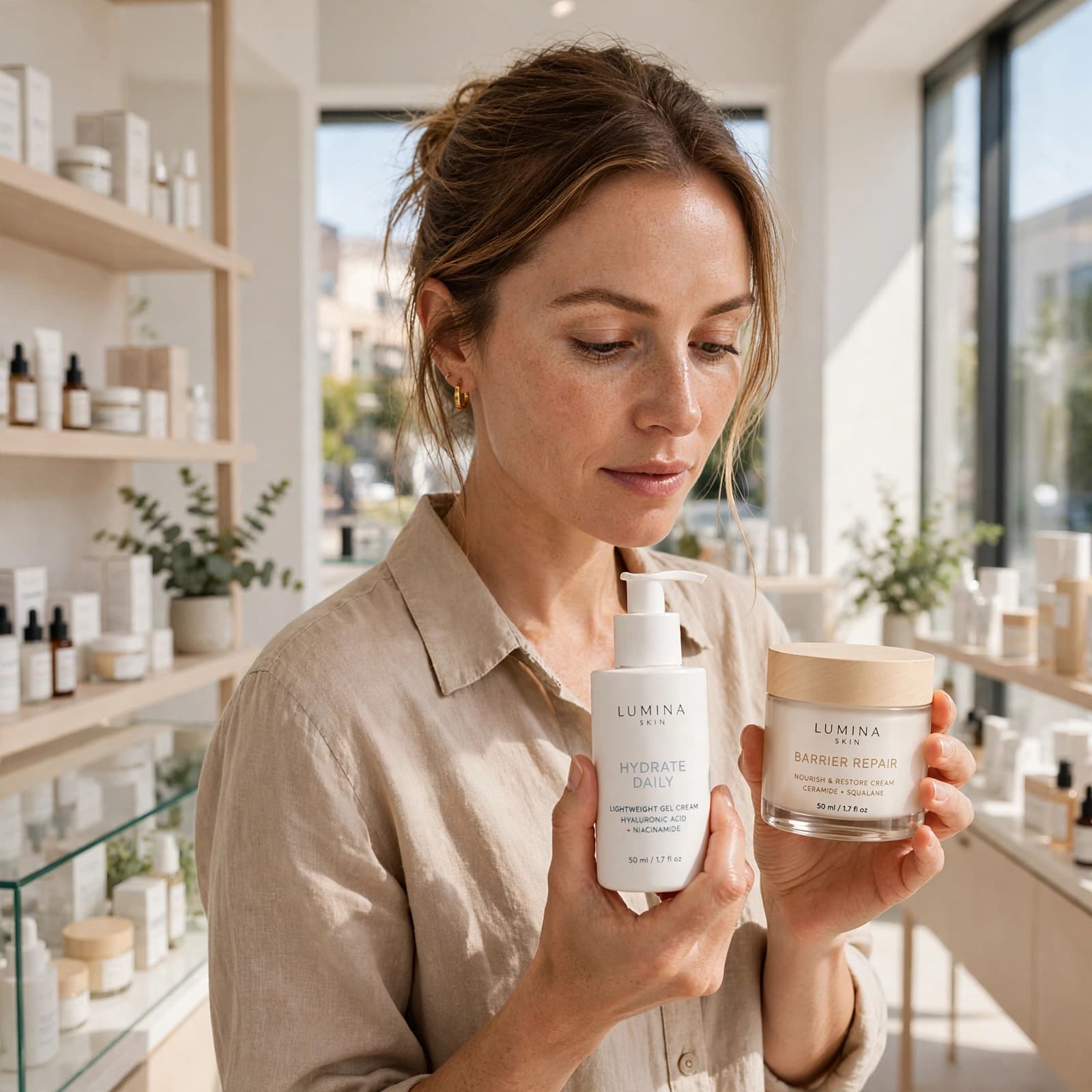
The Ingredients Behind a Comfortable Formula
Good formulas usually balance water-binding ingredients with a comfortable finish. You don’t need a long ingredient list, but you do need one that fits your skin’s needs.
Glycerin is a dependable humectant found in many affordable formulas. Hyaluronic acid also attracts water, although the finished texture and surrounding ingredients matter more than one headline active. Panthenol and aloe vera can feel soothing, particularly after cleansing or shaving.
Dimethicone gives slip and helps reduce water loss without an oily feel. Lightweight gel-forming ingredients create the bouncy texture many people prefer in warm weather, while a gel texture may feel comfortable under other products. A matte finish can suit personal preference, but it isn’t proof that a formula works better.
Humectants, Soothing Ingredients, and Barrier Support
Humectants support hydration, while ingredients that reduce water loss help maintain comfort over time. Niacinamide is popular for managing uneven-looking skin, although tolerance varies.
Ceramides support the skin barrier and help skin hold onto moisture. Panthenol, aloe vera, ceramides, and niacinamide can work well together. Still, a short ingredient list isn’t automatically gentler. A simple formula can irritate one person, while a longer formula may suit another perfectly.
The most useful moisturiser leaves skin comfortable for hours, rather than tight after drying or slick soon after application.
Ingredients to Check If Your Skin Is Sensitive
If you have sensitive skin, or fragrance, essential oils, or strong alcohols have caused problems before, check the ingredients before ordering. Labels such as CeraVe and Kate Somerville still need careful scrutiny, as individual products can suit people differently.
Alcohol types differ, so don’t judge a formula from one word alone. However, alcohol-heavy products can feel drying on already irritated or freshly shaved skin.
Patch test on a small area of the jawline or neck, following the product directions. Introduce one new skincare product at a time. That makes it far easier to identify the cause if your skin reacts and helps protect the skin barrier.
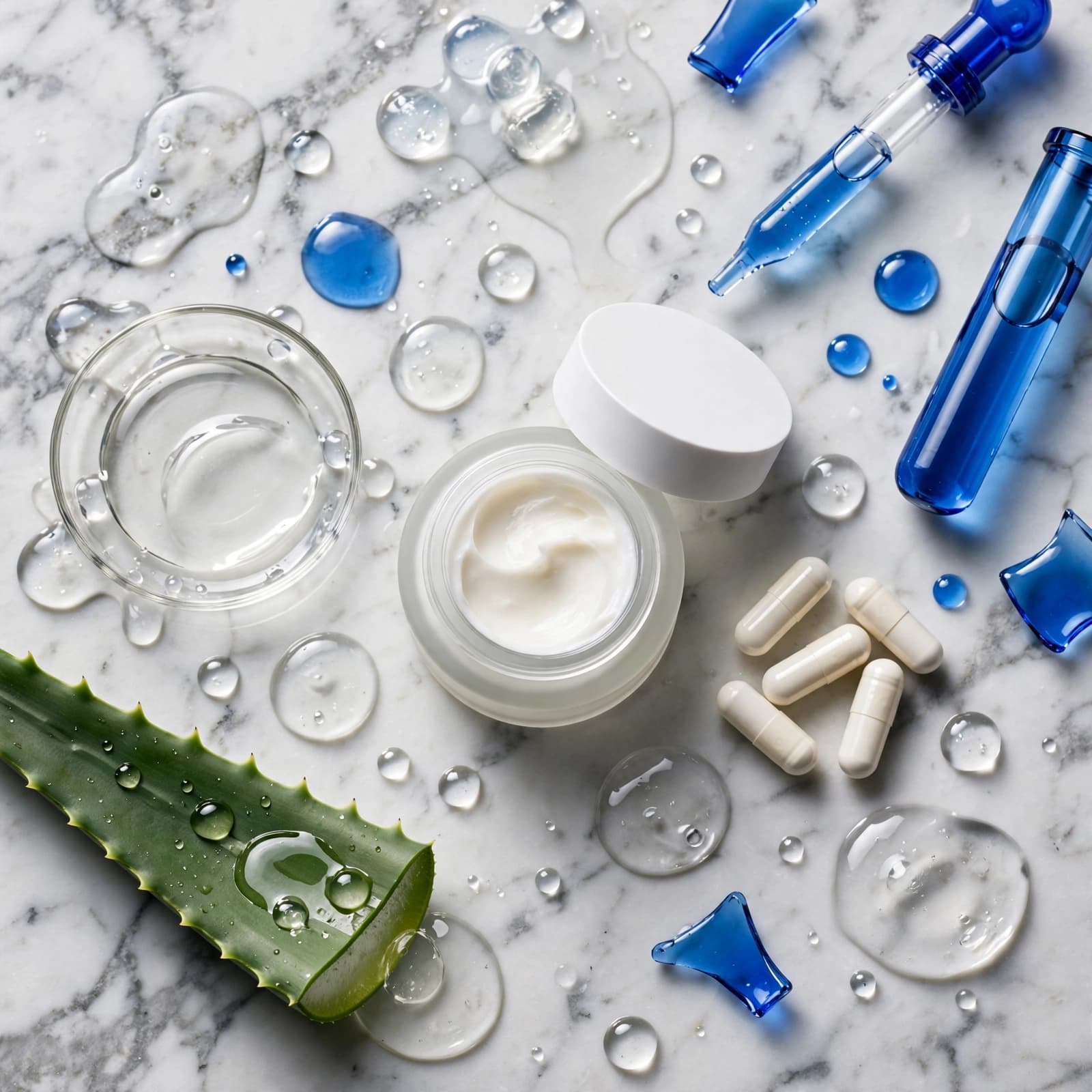
How to Choose the Right Formula for Your Skin Type
Texture often decides whether you keep using a moisturiser. A gel texture feels cool and nearly weightless, while a gel cream offers more cushion. A water cream is another light option, while balm-like textures suit areas needing extra protection.
Look for wording such as lightweight, fragrance-free, or barrier-supporting when those qualities match your needs. Niacinamide may suit people seeking a more balanced feel, while ceramides can support the skin’s protective barrier. Compare products from CeraVe and Kate Somerville by texture, ingredients, and finish rather than brand reputation.
An SPF moisturiser can be convenient, but it doesn’t always replace a dedicated sunscreen. Use sunscreen as the final daytime skincare step and apply it as directed. A lightweight formula is usually easier to layer beneath sunscreen and make-up.
Best Texture for Oily and Combination Areas
A light gel or lotion suits most oily skin, especially in warm weather or beneath make-up. For combination skin, use less across the forehead, nose, and chin, then add a little more to dry cheek areas.
A matte finish can feel comfortable, but don’t mistake a matte appearance for healthy, comfortable skin. If your face feels stretched after application, choose a formula with more humectants or a slightly richer gel-cream.
Best Texture for Dry Skin and Reactive Needs
Dry skin can use a lighter formula if it contains panthenol or other barrier-supporting ingredients. Yet very dry skin often needs more than a light gel can provide.
Sensitive skin benefits from fragrance-light or fragrance-free formulas, but any ingredient can trigger a reaction. Patch testing remains the safest first step.
How Shaving, Weather, and Make-Up Change Your Choice
Electric and wet shaving can leave the neck dry or patchily irritated. A soothing, low-fragrance formula often feels more comfortable afterwards than a strongly scented or alcohol-heavy product.
Choose lighter textures in summer if you dislike shine. In winter, switch to a gel-cream or layer a richer cream on dry areas. Fast-absorbing products are also easier to wear under sunscreen and make-up.
How to Buy Oil Free Moisturiser Online Without Regret
Buying online gives you a wider selection and makes ingredient comparisons simple. You can compare millilitre sizes and prices, read feedback, assess formats such as a water cream, and find travel options before committing to a full-size bottle.
Start with your skin type and desired finish, then read the full ingredient list, compare the millilitre size, and check delivery details and returns. Assess product pages and packaging from CeraVe and Kate Somerville for formula, size, and claims, rather than buying on appearance alone.
How to Use Reviews and Product Claims Properly
Filter reviews for people with similar skin types, climates, shaving habits, or make-up routines where possible. Repeated comments about pilling, dryness, scent strength, irritation, absorption, and bottle life are more helpful than isolated praise or anger. Reviews that assess hydration over several hours and mention congestion around pores can also offer useful insight.
Terms such as “clean”, “natural”, and “poreless” are marketing language unless the product details explain what they mean. Focus on the formula, not the promise on the front label.
How Much Should You Spend on a Good Formula?
Higher prices don’t guarantee better hydration or better tolerance. Compare price per 100 ml, consider how much you need per application, and account for packaging that may leave product trapped inside.
Travel sizes and sets can offer better value when testing an unfamiliar formula. A lower upfront cost is useful only if the product feels good enough to use consistently.
How to Apply It and Avoid Common Mistakes
Cleanse gently, then pat your face until it is slightly damp. This can make hydration feel more comfortable without leaving skin dripping wet. Apply a pea-sized or small coin-sized amount, depending on the product directions, whether it is a water cream or lotion. Press or smooth it over the face without vigorous rubbing.
In the morning, follow with sunscreen, allowing moisturiser to settle before applying a makeup base. In the evening, apply moisturiser after cleansing and any targeted serum. Avoid putting fragranced or alcohol-heavy aftershave onto irritated skin before moisturising.
Why Oil Free Moisturiser Can Pill or Feel Tight
Pilling usually happens when too much product is used, layers are rubbed together, or incompatible textures are applied too quickly. Use less and allow a gel cream to settle before adding sunscreen or make-up. A matte finish shouldn’t come at the expense of comfort.
Tightness can point to over-cleansing, insufficient moisture, irritation, or a formula that is too drying for your skin. These issues may also affect the skin barrier, so change one part of your routine at a time.
A Simple Morning and Evening Routine
In the morning, cleanse if needed, apply a targeted serum, use moisturiser, then apply sunscreen. At night, cleanse away sunscreen and make-up before moisturising. Products containing ceramides may offer useful barrier support when skin feels uncomfortable.
Pros
- Lightweight textures layer well under sunscreen and make-up.
- Many formulas suit oily, combination, and shine-prone skin.
- Gel and lotion formats often feel comfortable after shaving.
Cons
- Very dry skin may need richer support.
- Some oil-free products still contain fragrance or drying alcohol.
- A poor formula can pill, sting, or leave skin tight.
Frequently Asked Questions
Is an oil-free formula good for oily skin?
It can suit oily skin because it often feels lighter and less greasy. Skin still needs hydration, especially after cleansing or using spot treatments. Niacinamide may offer useful support, but assess the full formula and finish.
Can an oil-free formula cause spots?
Any moisturiser can fail to suit an individual, including those with acne prone skin. Breakouts may relate to the formula, blocked pores, another new product, hormones, or routine changes. A non-comedogenic claim can help guide your choice, but it isn’t a guarantee. Salicylic acid in a moisturiser may support mild congestion, but it isn’t the same as an acne treatment.
Can dry skin use an oil-free formula?
Yes, provided it contains humectants and barrier-supporting ingredients such as ceramides. Combination skin may need lighter coverage in some areas and richer care elsewhere. Very dry skin may feel more comfortable with oils or occlusive ingredients, especially in cold weather.
Is oil-free the same as fragrance-free?
No. These are separate claims. A product can be oil-free yet contain perfume, essential oils, or other ingredients that irritate sensitive skin.
Should I use an oil-free formula before sunscreen?
Yes, if the two products layer comfortably. Let it settle, then apply sunscreen as the final dedicated skincare step in your morning routine. Follow the sunscreen label for the correct amount and reapplication advice.
Choose Comfort Over a Label
An oil free moisturiser is a sensible choice for oily skin and shine-prone complexions. The best formula leaves your skin comfortable, rather than tight, greasy, or irritated.
Buy it if you want a light feel and easier layering. Skip it if your skin stays flaky, stings regularly, or needs more lasting protection. Check your skin type, ingredient tolerance, and potential allergens. Compare price per millilitre and read relevant reviews, remembering that comfort matters more than a front-label claim.
Explore our Buyers Guides and Reviews
Face Moisturiser Buyers Guides