Quick verdict: If washing leaves your skin tight or flaky, a comfortable body moisturiser you use regularly is worth buying. Skin comfort matters more than an expensive jar or a strong scent.
Choosing a body moisturiser can be tricky when every formula promises softness. Lotions, creams and oils all feel different, so consider your skin’s needs, fragrance preferences and morning routine.
Start with texture and ingredients, then check the practical details before you buy online. A simple body care routine is easier to stick to when you enjoy using your moisturiser.
Key Takeaways
- A body moisturiser helps soften skin, support hydration and limit water loss, but regular use matters more than an elaborate routine.
- Lotions spread easily; creams and butters generally feel richer, whilst oils have a different role.
- Look for ingredients that attract water, soften skin and help hold moisture in.
- If you have sensitive skin or fragrance causes irritation, check the ingredient list for potential allergens, even on fragrance-free products.
- Compare price per millilitre, packaging and reviews before ordering online.
Body Moisturizer: What It Does and Which Type Suits Your Skin
A body moisturiser helps skin feel less rough and reduces water loss from its surface, supporting hydration. How well it works depends on its ingredients, how much you apply and whether you like using it often enough. A pleasant texture is therefore part of a sensible buying decision, not an afterthought.
Lotions, creams, body butters and oils at a glance
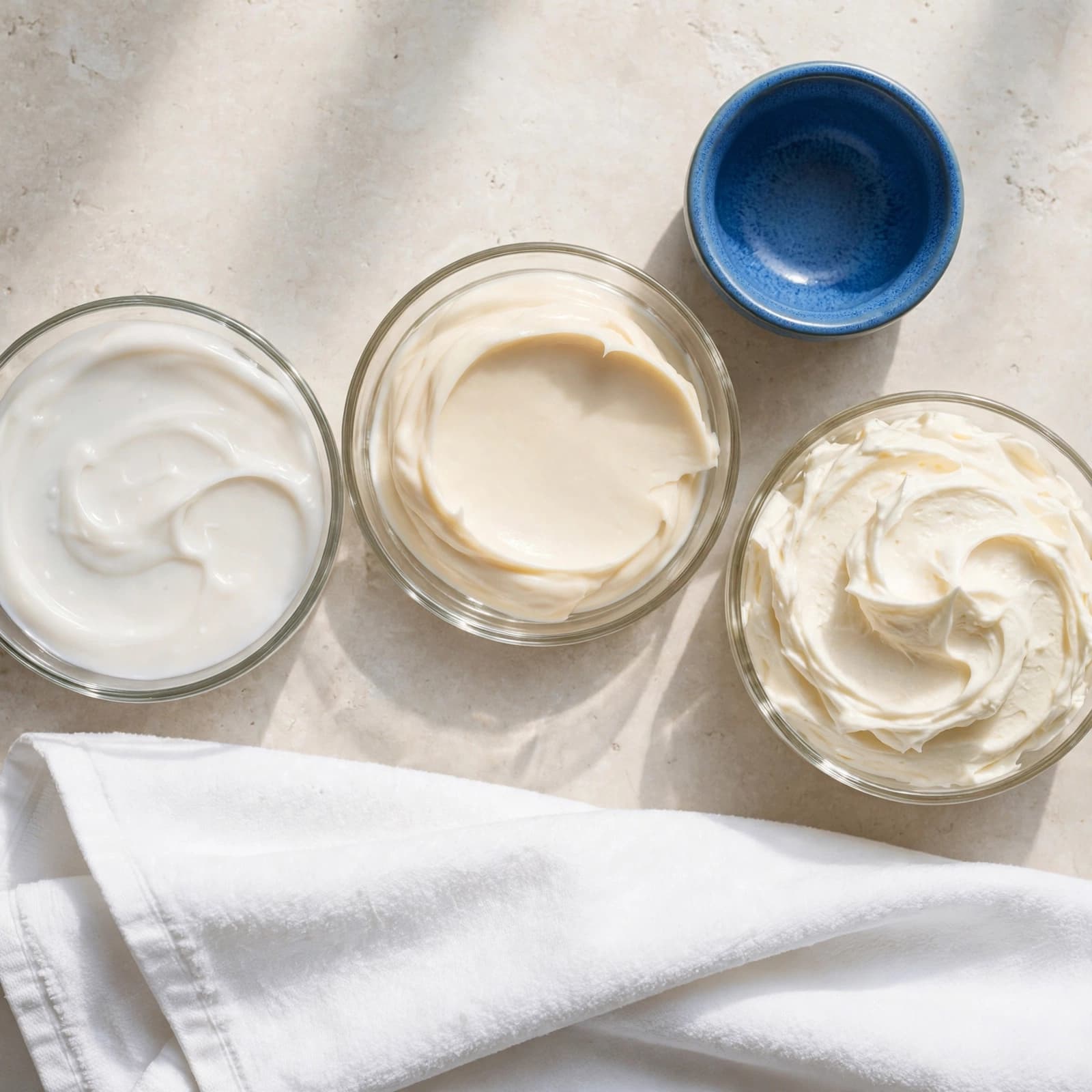
A body lotion is usually fluid, with a lightweight texture that spreads quickly over arms and legs. A spray-on moisturizer can be handy after a shower, especially with a fast-absorbing texture that lets you get dressed sooner.
Creams usually feel thicker and give dry areas more cushion. Body butters are often richer still, which some people enjoy on elbows or shins, especially in colder weather. Richness isn’t a measure of quality, though: an uncomfortable film can make even a good formula difficult to use.
Body oils, including a dry oil body spray, can soften skin and add slip. However, they may not provide the same water-based hydration as lotions or creams, which can contain water-attracting ingredients. If you enjoy oil, try it on slightly damp skin and judge whether it provides enough comfort on its own.
Match the formula to dry, sensitive or easily irritated skin
For dry skin, start with a cream or a more substantial lotion and see how long comfort lasts. Normal skin may need only a light lotion. If your skin tends to feel oily or you dislike residue, a thinner formula may be easier to live with.
Sensitive skin calls for a little more care. Choose a fragrance-free option if scent has irritated you before, and check for allergens you already know affect you. If you have eczema, or persistent rashes, painful cracks or severe itching, seek advice from a pharmacist or GP rather than relying on another product swap.
How to Choose a Body Moisturiser by Reading the Ingredients
You don’t need to memorise a long ingredient list. Look for a balance of ingredients that draw in water, leave skin feeling smooth and slow moisture loss. Then check for ingredients your own skin may dislike.
Humectants, emollients and occlusives explained simply
Humectants attract water and support hydration. Glycerin and hyaluronic acid are common examples, and you’ll find them in products with very different textures. Emollients, such as squalane or shea butter, help skin feel smoother and softer. Occlusives, including petrolatum, form a layer that helps limit water loss and support the skin barrier.
Most useful formulas combine these roles. A lotion can contain both glycerin and an oil-based ingredient, whilst a thicker cream may rely on more than one ingredient for its rich feel. You might also see panthenol in products marketed for comfort. Treat it as one ingredient to consider, not a promise that the product will calm every irritation.
Fragrance, allergens and claims worth checking
Read the full ingredient list if you know fragrance or another ingredient bothers you. “Unscented” doesn’t always mean fragrance-free, as a formula may contain ingredients used to mask its smell. The label gives you more useful information than the scent description alone.
You may see hyaluronic acid, collagen or aloe vera gel on product labels, but an ingredient name alone doesn’t guarantee a particular result. A “firming body cream” may claim to improve skin elasticity or offer skin tightening, but these claims don’t guarantee a lasting change. Similarly, “natural” and “hypoallergenic” don’t guarantee that a product will suit your skin.
When trying something unfamiliar, apply a small amount to a limited area first, especially if you react easily. Follow the product directions, and stop using it if you develop stinging or a rash.
Choose texture and packaging for real-life use
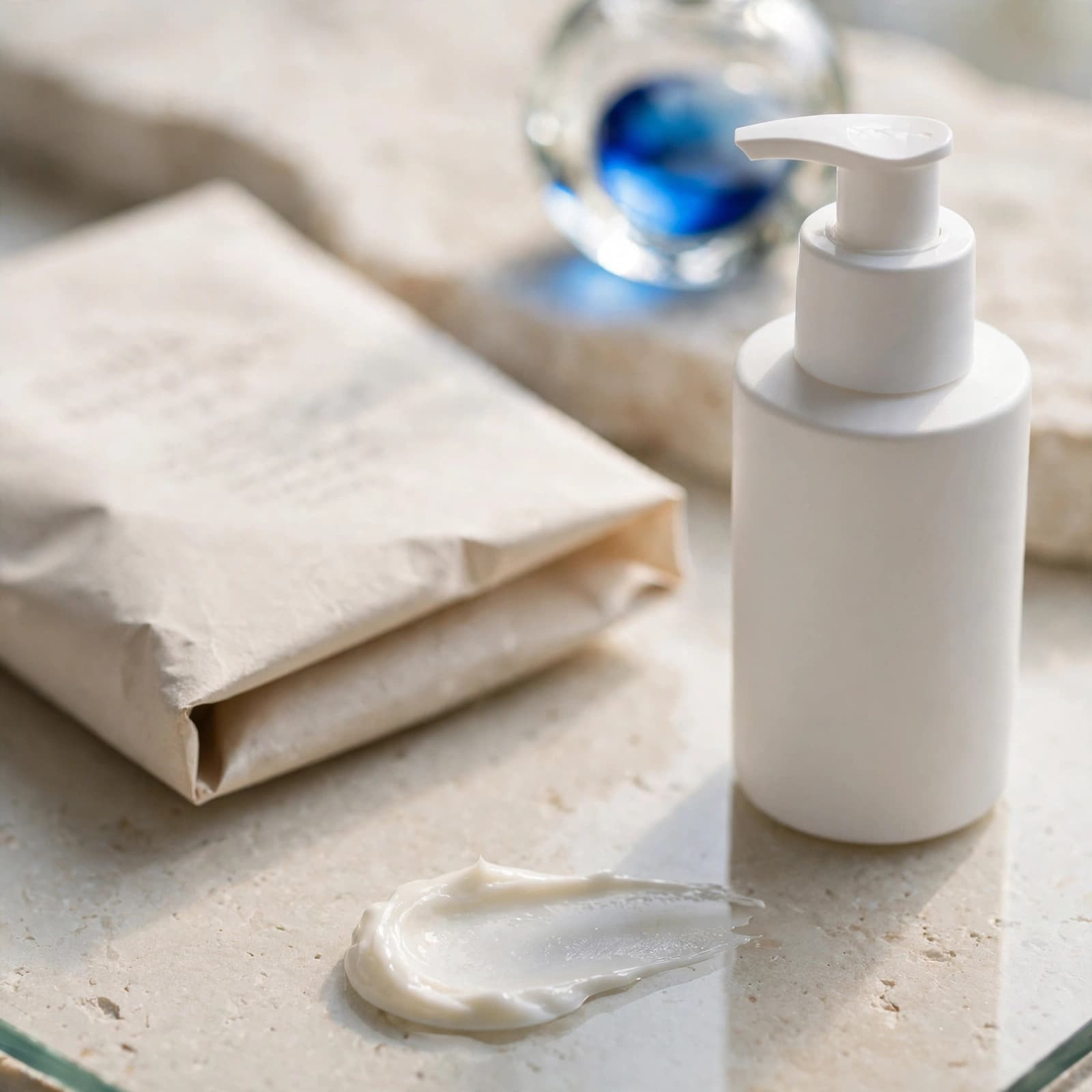
A pump bottle is convenient when you want to moisturise quickly after a shower. A tub gives easy access to a thicker cream, though clean hands matter when dipping into it. A travel size can tell you more about stickiness and absorption than a product photograph ever will.
Check whether the finish suits your day. If a formula leaves residue on clothes or makes getting dressed awkward, its generous size may offer poor value. Alongside the pack size, compare price per millilitre and ask whether you’ll use what you buy.
Value for Money: The Trade-offs Behind the Texture
The best-value moisturiser is one you enjoy enough to finish. A larger bottle may make an affordable moisturizer cheaper per use, but only if its formula suits you. A small tub of rich butter can also last when used on dry patches rather than all over.
A quick pros-and-cons check can help narrow your choice:
- Lightweight lotions spread quickly over large areas, but may not feel rich enough for very dry skin.
- Rich creams feel more substantial, although some leave a noticeable film.
- Fragranced formulas can be pleasant to use, but scent may be a drawback if your skin reacts to it.
- Travel sizes reduce the cost of a disappointing first purchase, though they often cost more per millilitre.
Vaseline Advanced Repair and CeraVe are examples to compare by their current ingredients, sizes and prices, rather than assuming either will suit everyone. Claims about collagen, skin elasticity or skin tightening aren’t guaranteed outcomes.
How to Apply Body Moisturiser for Comfortable, Soft Skin
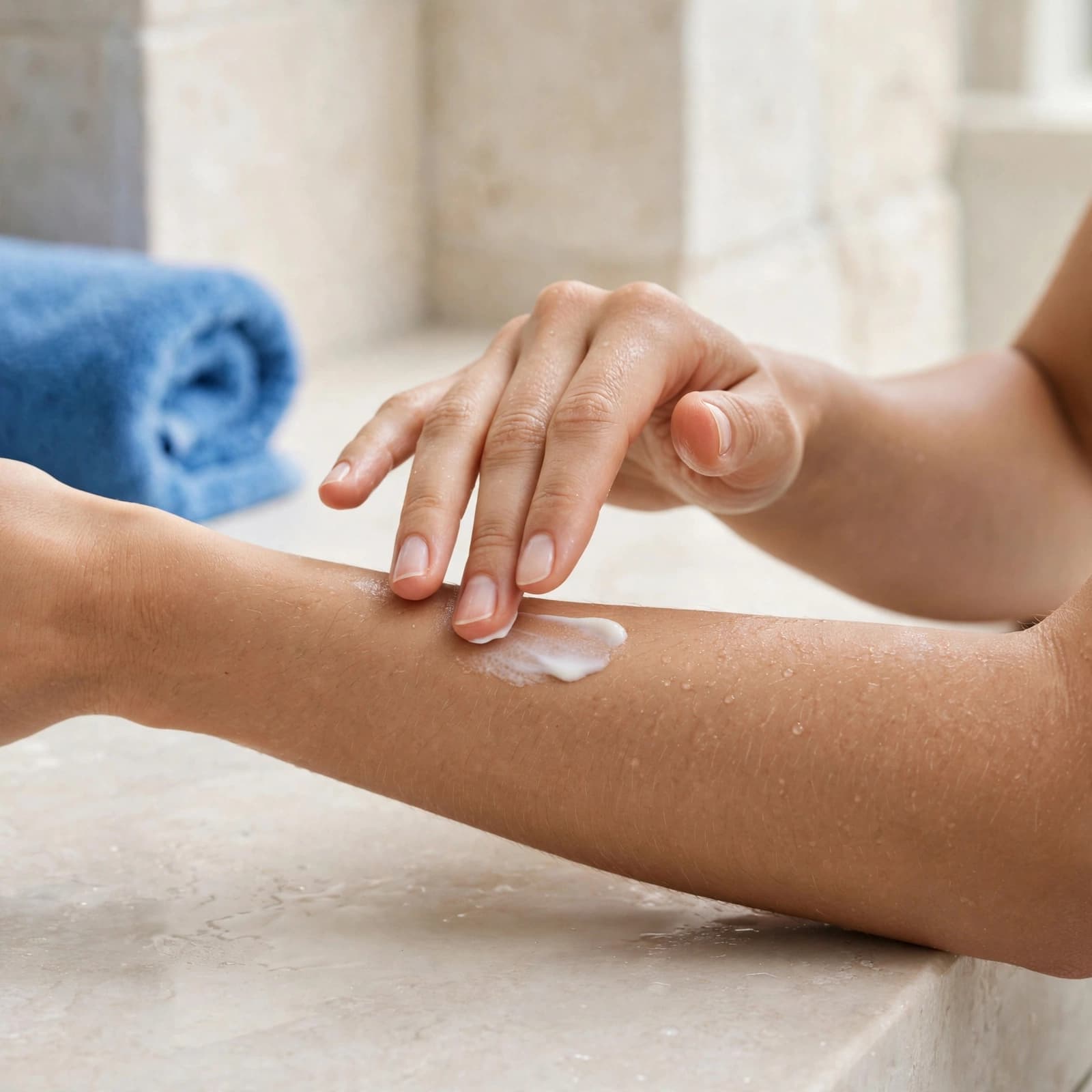
A straightforward body care routine gives a product the best chance to work for you. After bathing or showering, pat your skin with a towel so it’s no longer dripping. Then smooth on moisturiser whilst your skin is still slightly damp to support hydration. A moisturizing body wash can cleanse your skin, but it doesn’t replace moisturiser.
When and how much to apply
Use enough to cover the area in a comfortable, even layer. There isn’t one correct amount for every formula: a fluid lotion spreads further than a thick butter, and your legs need more product than your elbows.
Give rough patches a little extra attention without rubbing hard, which can upset your skin barrier. Let the product settle before dressing if it feels tacky at first. A fast-absorbing texture may feel more comfortable and be easier to use regularly. You can adjust how often you apply it according to how your dry skin feels and what the label recommends. For some people, once after a shower fits easily into the day; others prefer to reapply to dry areas later. If you use an in-shower moisturizer, follow the label and use it only as directed.
Common mistakes that can make moisturising less effective
A tiny dab won’t cover a large area evenly, whilst using too much can leave a film you dislike. Skipping dry shins or elbows also leaves the places that need attention feeling unchanged. If a heavy formula makes you put off applying it, switch to one you’ll happily use.
Don’t push through stinging, persistent redness or a new rash. Stop using the product and seek advice if the reaction doesn’t settle. Finally, moisturiser without sun protection doesn’t replace sunscreen on exposed skin. When you need sun protection, use a suitable SPF product as directed.
Buying Body Moisturiser Online Without Guesswork
Shopping online gives you room to compare lotions, creams, butters and oils without relying on what’s on one shelf. You can check pack sizes, ingredient lists and reviews side by side. A wider choice may also reveal a better price, although delivery costs can change the final bill.
Compare ingredients, size, scent and total value
Check the label, ingredients, intended skin type, fragrance description and directions before ordering. For products such as Vaseline Advanced Repair and CeraVe, confirm the exact product and pack size, as names alone don’t tell you how a product will feel. If you have sensitive skin, check any fragrance-free claim against the ingredients.
Compare the cost per millilitre for a body lotion rather than choosing by headline price. Factor in delivery, and look at the returns information before opening a product. If you’re uncertain about the texture, a travel size or small set may be a better first purchase than a large bottle, even when its unit price is higher.
Read reviews with care and know when to seek advice
Reviews are useful for details a listing can’t show. Look for comments from people with similar skin concerns, then notice repeated mentions of strong scent, residue, irritation or dryness. Comments about how skin feels several hours later are more helpful than a first impression alone.
Treat both glowing praise and furious complaints with care; neither predicts how your skin will respond. If you stop using an irritating product but symptoms continue, ask a pharmacist or GP for advice. Another online order shouldn’t delay help for a skin problem that’s getting worse.
Frequently Asked Questions
Can I use body moisturiser on my face?
Check the label first. Facial skin and your preferences for products used there can differ, so a rich body formula may feel too heavy or contain ingredients that don’t suit your face. If you’re unsure, choose a moisturiser designed for facial use.
Should I moisturise every day?
Use skin comfort as your guide rather than treating daily use as a strict rule. If you often feel dry after washing, regular application may help you stay comfortable. Follow the directions for the product you choose.
Does body moisturiser expire?
Yes. Check the packaging for a use-by date or the period-after-opening symbol, often shown as an open jar. Discard a product if its smell, colour or texture changes. Keep the lid closed, store it as directed and use clean hands with tubs.
Can moisturiser help with very dry or itchy skin?
A moisturiser may make dry skin feel more comfortable, but itching can have causes that a cosmetic product won’t address. If symptoms are severe, keep returning or are getting worse, speak to a pharmacist or GP. Seek advice as well if the skin is cracked or painful.
Choose Comfort Over Promises
The right moisturiser fits your skin and your day. Look for ingredients that support softness and reduce water loss, check fragrance against your own sensitivities, and choose a texture you’ll use regularly.
If you’re uncertain, start with a smaller size and notice how your skin feels after application and later in the day. That experience is more useful than a luxurious jar or a long list of claims.