Quick verdict: a fragrance-light gel or lotion with humectants is worth buying for most oily skin, if it feels comfortable and doesn’t cause irritation.
The right moisture balance can ease that tight, over-cleansed feeling while supporting skin hydration with a moisturising gel-cream and glycerin. A moisturizer for oily skin should add water and support the skin barrier, rather than trying to strip every trace of natural oil.
Labels such as “oil-free” and “non-comedogenic” can be useful starting points, but the whole formula matters more. Texture, scent, active ingredients, climate and your own skin’s tolerance all affect the result.
Key Takeaways
- Oily skin still needs water-based hydration, particularly after cleansing or acne treatments.
- A moisturising gel-cream or light lotion usually feels more comfortable than a rich occlusive cream.
- Glycerin, panthenol and hyaluronic acid draw in water without automatically making skin shiny.
- Apply a small amount to slightly damp skin, then give it time to settle.
- Compare prices per 10 ml, ingredients and reviews from people with similar skin concerns.
Why Oily Skin Still Needs a Moisturizer
Oil and water are different things
Sebum is one of the skin’s natural oils, while hydration refers to water held within the outer skin layers. Excess sebum doesn’t necessarily mean adequate hydration levels, so your face can look shiny yet feel tight, flaky or sore.
Harsh foaming cleansers, frequent exfoliation and strong blemish treatments can leave the barrier uncomfortable. In response, skin may feel slicker as it tries to protect itself, although a moisturiser cannot permanently switch off oil production.
A well-chosen formula helps the surface feel softer and less exposed. Ingredients such as glycerin can attract water, while the moisturiser should leave skin comfortable, not coated.
Identify your skin type first
Oily skin usually produces shine across the forehead, nose, cheeks and chin. Combination skin often has an oily T-zone with drier cheeks. Dehydrated skin can occur alongside either type and may show as tightness, fine surface lines or flaky patches.
Acne-prone skin may need more careful product selection. A non-comedogenic claim is a useful starting point, not a guarantee that a product will suit everyone.
Hormones, genetics, hot weather and humidity all affect shine. So can washing too often or using products that leave your face feeling squeaky-clean. Choose moisturiser according to comfort across your whole face, rather than judging by your nose alone.
If persistent tightness, irritation or difficult-to-manage oiliness continues, a dermatologist can offer tailored advice.
A shiny forehead does not prove that every part of your face needs the same lightweight formula.
How to Choose the Best Moisturizer for Oily Skin
Match the texture to your daily routine
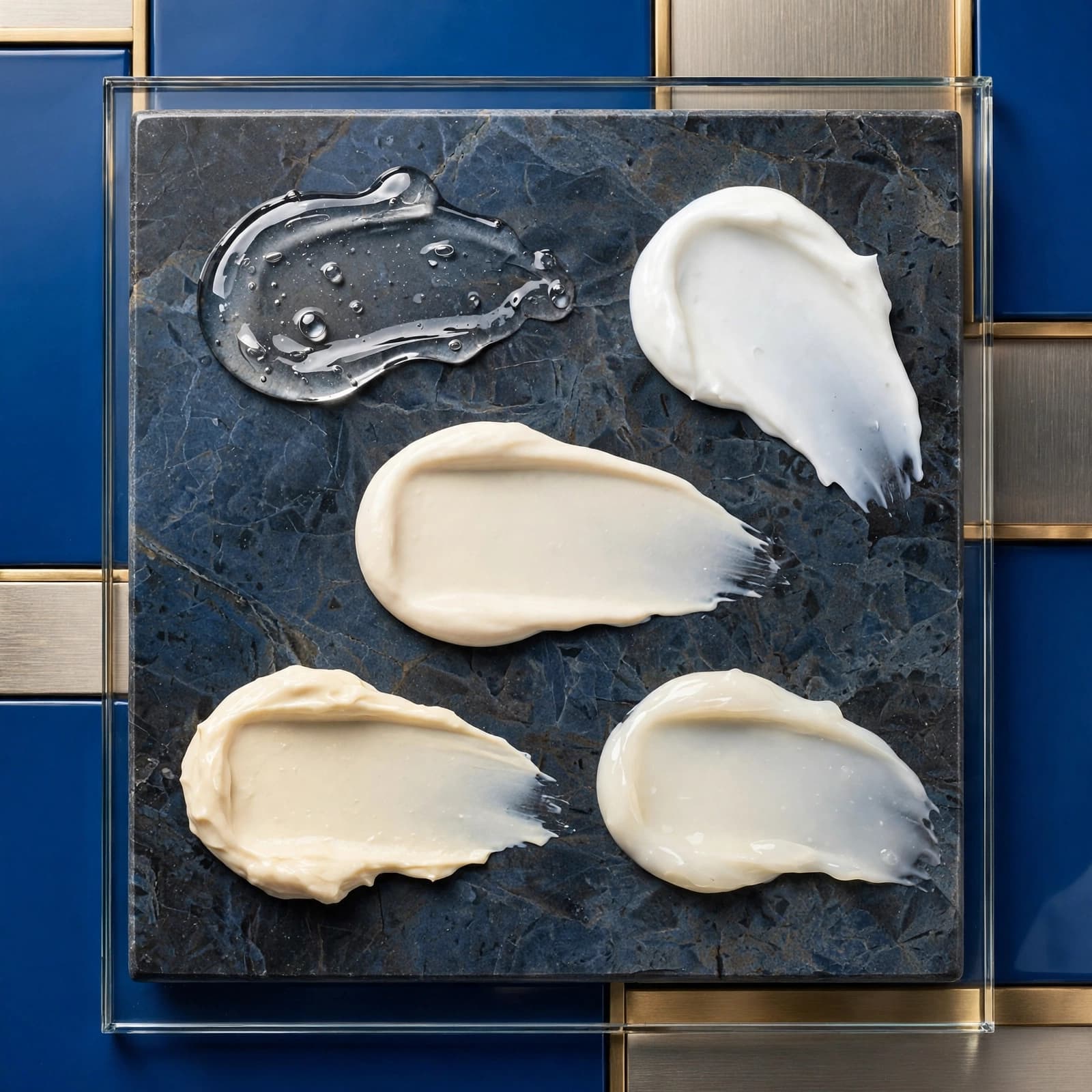
For most people, a clear gel moisturizer, moisturising gel-cream or fluid lotion is the easiest place to start. A lightweight formula spreads quickly and tends to sit well beneath sunscreen and make-up. A formula described as mattifying may provide a matte finish, but excessive mattifying can feel tight on cheeks or around the mouth.
Look for packaging that suits the formula. A pump or tube limits repeated contact with the product, while jars are easy to use but need clean hands. If you travel or go to the gym, a secure tube is often more practical.
Read ingredients as a complete formula
Glycerin is a reliable humectant that attracts water to the skin. Hyaluronic acid, panthenol and aloe can also support a comfortable feel. Niacinamide appears in many lotions aimed at oily or blemish-prone skin, although a higher percentage doesn’t automatically mean a better match.
Treat a non-comedogenic claim as a screening tool, not proof that a product will suit you.
Ceramides and squalane can be useful when oily skin is also dry or irritated. They may sound rich, yet they can work well in a light formula. Strong fragrance, essential oils or high amounts of denatured alcohol can sting sensitive skin.
No single ingredient decides whether a moisturizer for oily skin will work. Patch test a new product on the jawline or side of the neck before using it across your face.
Compare Moisturizer Types for Shine, Blemishes and Sensitive Skin
The most suitable format depends on finish, weather and how much comfort your skin needs.
| Moisturiser type | Best suited to | Potential drawback |
|---|---|---|
| Gel moisturiser | Oily skin in warm or humid weather | May feel insufficient on dry patches |
| Oil-free lotion | Everyday hydration and make-up wear | Some formulas can pill with sunscreen |
| Mattifying formula | Strong surface shine and oil control | Can leave skin tight if overused |
| Moisturiser with SPF | Simple indoor routine | May not provide enough sunscreen outdoors |
| Rich barrier cream | Irritated areas and winter dryness | Can feel heavy across an oily T-zone |
Gel formulas often leave the lightest finish, while a moisturising gel-cream or lotion with glycerin provides a little more slip and comfort. Products containing ceramides can help on flaky cheeks, around the nose or after irritation, rather than across the whole face.
A moisturiser with SPF is convenient for short, low-exposure days. However, use a separate broad-spectrum sunscreen when you spend time outdoors, sit near windows for long periods, or need dependable coverage. Dedicated sunscreen is easier to apply in the amount required for protection.
Heat and humidity can make almost any product feel heavier. Under make-up, allow moisturiser to settle before sunscreen and primer. Pilling often comes from applying too much or rubbing several silicone-rich layers together.
How to Test and Use a Moisturizer Without Making Skin Greasy
Keep the morning routine light
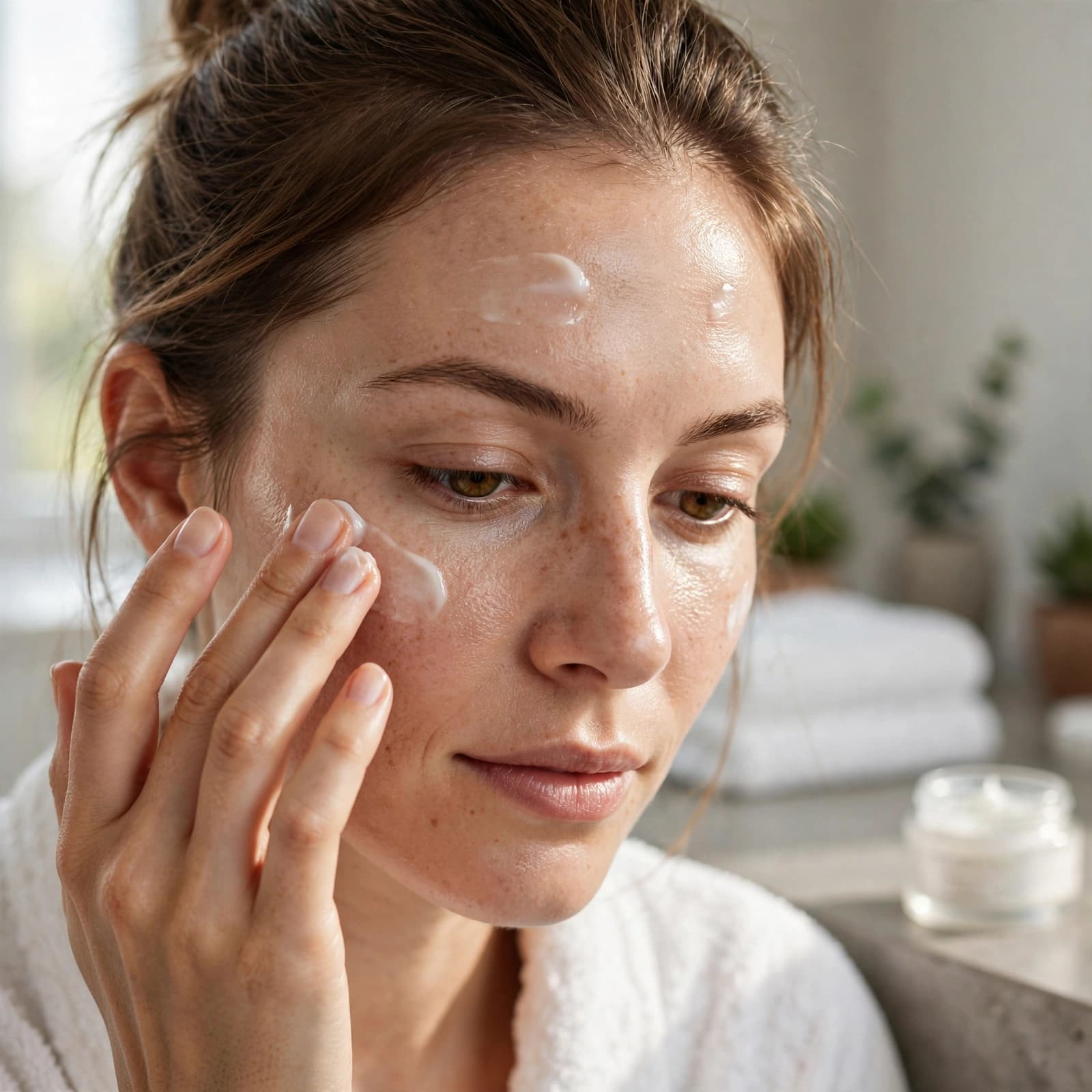
Cleanse with a gentle product and rinse with lukewarm water. Then apply a pea-sized amount of moisturiser to slightly damp skin. A formula containing glycerin may feel more comfortable as it settles. Press it over the face instead of scrubbing it in hard.
Give the formula a few minutes to settle, then apply broad-spectrum sunscreen. If your cheeks feel drier than your forehead, use a little extra there rather than applying a thick layer everywhere.
Introduce products slowly at night
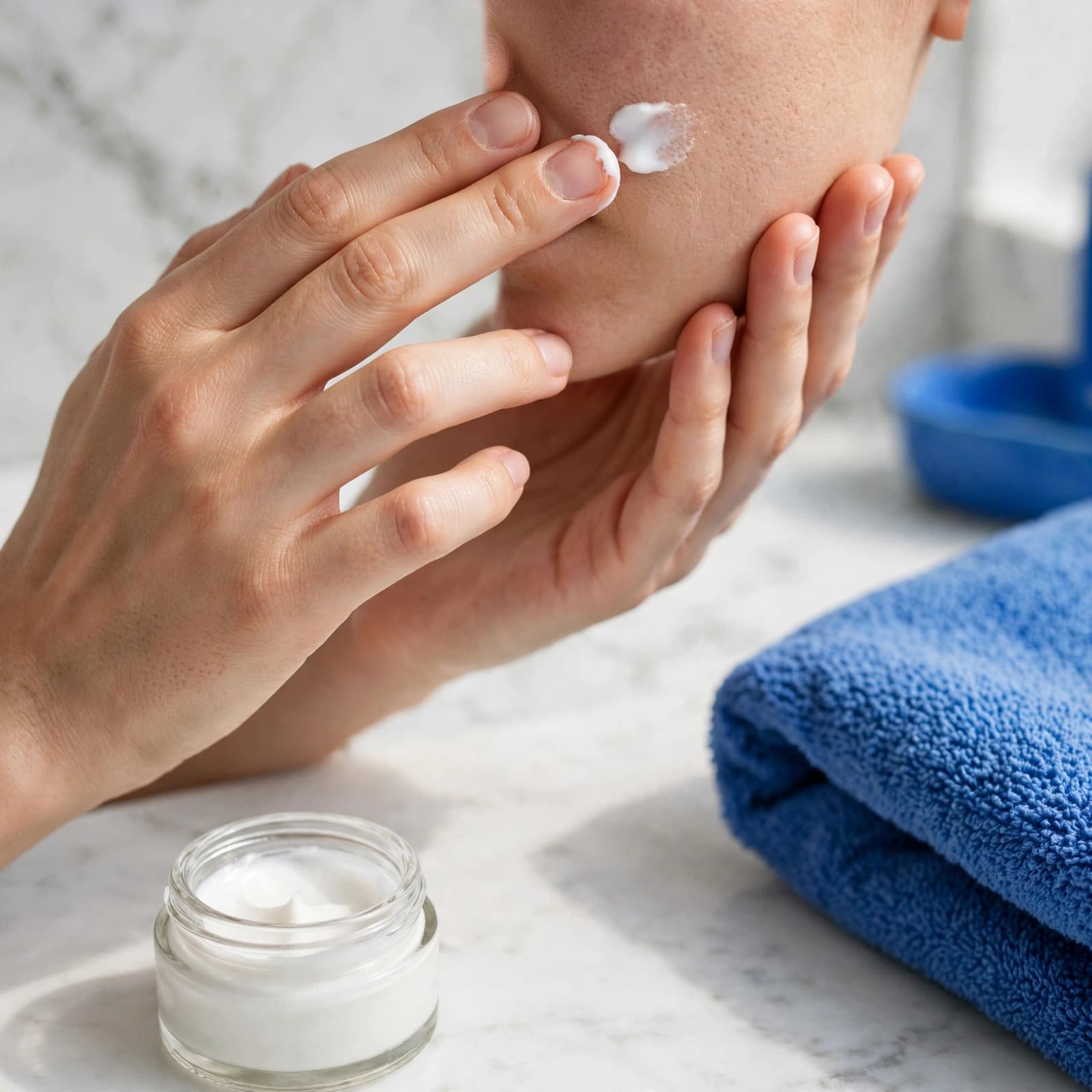
Use the same small amount as part of your evening skincare routine after cleansing. Test a new formula on your jawline or neck for several days before full-face use. Stop using it if you develop persistent burning, itching, swollen skin or a rash.
Avoid changing your cleanser, exfoliant, treatment serum and moisturiser at the same time. Products with different active ingredients can make reactions difficult to identify. Also, don’t judge a formula while it is still wet, as many gels initially look shinier before they absorb.
Electric shaving can leave the neck and jawline dry or patchily irritated, even without obvious razor burn. A fragrance-light, alcohol-free moisturiser often feels more comfortable straight afterwards. Apply gently and avoid exfoliating freshly shaved skin.
Common mistakes include skipping moisturiser after a strong cleanser, using harsh scrubs, applying too much product and adding extra layers because skin looks shiny immediately after use.
Buying Moisturizer Online: How to Compare Value and Avoid a Poor Match
Buying online gives you more choice than a limited shelf display. You can compare ingredient lists, sizes, delivery details and prices without feeling rushed. It also makes it easier to find reviews from people with a similar skin type and concerns. This is useful when comparing a Moisturizer for Oily Skin online.
Before placing an order, check these points:
- Decide whether hydration, shine control, blemish comfort or barrier support is your main priority.
- Read the full ingredient list and note whether it contains glycerin. Avoid known fragrance or preservative allergens. A non-comedogenic label can help filter options, but it isn’t a guarantee against spots.
- Check the volume and directions, particularly if the product contains SPF or active ingredients.
- Compare reviews for comments on irritation, scent strength, pilling and how long the product lasts.
- Read delivery and returns information before committing to a full-sized product.
Star ratings alone rarely tell the full story. Ignore both one-star rage and five-star hype, then look for patterns in detailed reviews. A higher price does not guarantee better performance.
Calculate value by dividing the price by the number of millilitres, then multiplying by 10. A £12, 50 ml tube costs £2.40 per 10 ml. Travel sizes and sets can be sensible for testing a formula before buying a larger tube that may go unused.
Pros, Cons and Alternatives to Consider Before You Buy
A Moisturizer for Oily Skin should feel comfortable without leaving a waxy layer. It can also help make-up apply more evenly and reduce the urge to blot shine throughout the day.
However, a good gel can pill under certain sunscreens, feel inadequate in cold weather or irritate acne-prone skin, triggering breakouts. A matte finish isn’t automatically better, so a fragrance-free moisturising gel-cream is a sensible first choice for everyday use. A niacinamide lotion may suit those wanting a more refined finish, while a richer ceramide cream can target dry patches.
A single moisturiser with SPF reduces steps, but separate hydration, treatment and sunscreen products offer more control. They also make it easier to identify the source of irritation.
Buy it if you want a comfortable finish, have no known sensitivity to the formula and need comfortable hydration in mild or warm weather.
Skip it if it stings, leaves skin tight, clashes with your sunscreen or costs more than you can realistically use before it changes in texture or scent.
Frequently Asked Questions
Can oily skin use hyaluronic acid?
Yes. Hyaluronic acid is a humectant, so it helps bind water rather than adding oil. It usually works best on slightly damp skin, followed by a moisturiser that limits water loss.
Is “non-comedogenic” a guarantee that I won’t get spots?
No label can guarantee that outcome for everyone. Your skin may react to the complete formula, a fragrance component or a combination of products, so introduce new products one at a time.
Should I use moisturiser after a clay mask?
Yes, especially if the mask leaves your skin feeling dry or tight. Apply a simple, light lotion or gel afterwards, rather than following it with a strong exfoliant.
Can I use the same moisturiser in winter and summer?
You can, provided it remains comfortable. Many people prefer a gel in humid weather, then a lotion or cream on drier areas during colder months.
How long should I test a moisturiser before deciding?
A patch test can reveal irritation within several days. For texture, comfort and how it sits beneath sunscreen, use it consistently for around two weeks unless your skin reacts sooner. If reactions persist, spots keep returning or you’re unsure whether a product suits you, consult a dermatologist.
Choose Comfort Over Marketing Claims
Good skin hydration supports a comfortable finish all day, while daily hydration starts with light moisture and a supported barrier. Start with a simple gel or lotion containing humectants such as glycerin or panthenol, then adjust for dry patches, sensitivity, blemishes and seasonal weather.
Introduce one product at a time and keep sunscreen in your morning routine. The strongest buying rule is simple: choose performance and tolerance over trend-led claims, impressive packaging or the highest price.
Explore our Buyers Guides and Reviews
Moisturizers For Dry Skin Guide Buyers Guide