The best face moisturiser depends on your skin type, climate, shaving habits and preferred finish, rather than price alone. A good formula should support your skin barrier, ease tightness and dryness, and sit comfortably beneath sunscreen in your skincare routine.
Finding the best face moisturizer means looking beyond a glossy jar or strong fragrance. Texture, ingredients, packaging and how your skin behaves after shaving all matter. Use this guide to compare formulas, apply them well and buy online with fewer disappointments.
Key Takeaways
- Dry skin usually feels more comfortable with a face moisturiser in a cream or balm formula, containing humectants and skin barrier-supporting lipids.
- Oily skin often prefers a light gel or lotion that absorbs without shine, helping maintain balanced hydration levels.
- For sensitive skin, hyaluronic acid, glycerin, ceramides and squalane are dependable ingredients to look for.
- Apply moisturiser to clean, slightly patted-dry skin before SPF each morning.
- Compare price per millilitre and read detailed reviews before buying online.
Best Face Moistizer Options for Every Skin Type
No single formula suits every person. The right face moisturiser feels comfortable for hours, works with the rest of your routine and doesn’t leave your face greasy, tight or itchy.
Texture changes the experience as much as the ingredient list. Dry skin often benefits from a richer cream, particularly during cold weather or in centrally heated rooms. Meanwhile, oily skin may prefer a fast-absorbing gel or light lotion. Combination skin can use less product on the T-zone and more on the cheeks. Sensitive skin usually responds best to a simple, fragrance-light formula.

The best moisturiser for dry, oily, combination and sensitive skin
For dry skin, choose a cream with glycerin, panthenol, ceramides, squalane or hyaluronic acid. These ingredients help draw in water and support the skin barrier. A richer formula can also make skin feel less tight after washing or shaving.
Oily skin doesn’t need to skip moisturiser. Instead, look for a non-comedogenic gel or lotion with a lightweight feel. A daily moisturizer containing niacinamide may help manage visible shine, while salicylic acid can suit some routines when oiliness is a concern. Heavy layers can feel sticky and may make daytime shine more noticeable.
Combination skin benefits from flexibility. Apply a light lotion across the face, then add a small amount of cream to dry cheeks or around the mouth. If fragrance or strong ingredients have caused problems before, check labels closely and avoid known allergens, essential oils and high alcohol content.
Shaving, cold wind and indoor heating can change your skin’s needs within a few days.
Moisturiser, lotion, balm or gel: which texture feels right?
A rich cream is not automatically more effective, and a gel is not automatically too light. The best format is the one you can apply consistently without discomfort.
- Gel moisturisers feel cool and absorb quickly. A Korean skincare-style gel cream can provide a lightweight texture with hyaluronic acid. These formats suit oily skin, humid weather and use under make-up or SPF, although very dry skin may need more cushioning.
- Light lotions give everyday hydration with little shine. They suit most skin types and often work well after electric shaving.
- Creams feel more protective and tend to suit dry or mature skin. They can also support a comfortable anti-ageing routine, although too much may pill beneath sunscreen.
- Balms give the richest finish and help dry areas feel comfortable overnight. They can feel heavy on an oily T-zone.
A moisturiser that feels pleasant at 8am but leaves your skin tight by lunchtime isn’t a good long-term match.
Which Ingredients Make a Face Moisturiser Work Better?
Useful moisturisers usually combine three ingredient groups. Humectants attract water into the upper layers of skin. Glycerin and hyaluronic acid are familiar examples. Emollients soften roughness and improve slip, with squalane and shea butter fitting this group. Occlusives create a light seal that slows moisture loss.
A balanced formula uses more than one approach. Hyaluronic acid can be useful, but it isn’t a guarantee of hydration when the rest of the formula lacks emollients or occlusive support. Moisturising can temporarily soften the look of fine lines, but it isn’t a complete anti-ageing treatment.
Skin-barrier ingredients also deserve attention. Ceramides, glycerin, panthenol, niacinamide and vitamin E can support the skin barrier and moisture barrier, including in Korean skincare formulas. Still, any ingredient can irritate an individual user.
A moisturiser with SPF can simplify a morning skincare routine. However, use a dedicated broad-spectrum sunscreen when you need reliable, higher-level sun protection.
Ingredients to look for when skin feels tight or irritated
When your face feels dry, sore or rough, choose gentle formulas that focus on comfort. Glycerin helps skin hold water, whilst panthenol can give a softer, less parched feel. Ceramides and squalane suit people who want a more cushioned finish without a strong scent.
Shea butter can work well in richer night creams. Colloidal oatmeal is another ingredient worth considering when skin feels uncomfortable. For sensitive skin, a shorter, familiar ingredient list may be easier to assess.
Patch test any new product first. Stop using it if you develop persistent burning, swelling or a worsening rash. A pharmacist or GP can advise when irritation doesn’t settle.
When fragrance, alcohol or active ingredients may be a problem
Fragrance and aromatic oils can bother sensitive skin, particularly after shaving. Alcohol-heavy formulas may also sting on freshly shaved skin or over small cuts. That doesn’t mean every alcohol listed on a label is harmful, but frequent reactors should inspect the full ingredient list.
Daily moisturiser has a different job from a treatment product. Retinoids, salicylic acid and exfoliating acids may help targeted anti-ageing routines, yet they need a slower introduction and careful sunscreen use. Keep a basic moisturiser on hand so your routine doesn’t become overly aggressive.
How to Choose the Right Face Moisturiser for Your Routine
Start with your skin type and current hydration levels, rather than the marketing claim on the packaging. Consider your shaving method, the season, whether you wear make-up or SPF, and how well your routine supports the skin barrier.
Cartridge and safety-razor shaving can leave redness or stinging because blades create friction across the skin. Electric shaving often causes less rawness, but it can still leave dry patches and irritation around the neck. A light daytime layer and a richer evening product is often a practical pairing.
A simple skin-type checklist before you buy
Before choosing a moisturiser, check these points:
- Identify whether you have dry skin, oily skin, combination skin or sensitive skin most days.
- Match ingredients to your needs, such as glycerin or hyaluronic acid for dryness, ceramides for barrier support, and niacinamide for excess oil or uneven tone.
- Choose your main goal, such as hydration, comfort, a matte finish, low fragrance or optional anti-ageing support.
- Compare a lightweight texture or gel cream for daytime use, especially if it needs to sit well beneath SPF or make-up.
- Check the label for allergens, previous triggers and packaging that suits your habits, whether that’s a pump, tube or jar.
Skin can shift with weather, shaving frequency, age and indoor heating. Reassess when your usual product stops feeling right. For a simple hydration test, compare tightness and comfort several hours after application.
How much should you pay for a good moisturiser?
A higher price doesn’t automatically mean a better formula. Compare the price per millilitre, the package size and how much you need each time. A concentrated cream may last longer than a runny lotion, even if the initial price looks higher.
Travel sizes, sample sets and smaller tubes reduce the risk of wasting money on a scent or texture that doesn’t suit you. Compare ingredient lists and volume before promotional claims. A simple formula with glycerin can offer better value than a costly daily moisturizer built around perfume and packaging.
For post-shave care, consider the trade-off before choosing a splash or balm:
- Alcohol-based splashes feel fresh, dry quickly and can suit oily complexions in warm weather.
- They may worsen tightness and sting on broken or irritated skin.
- Balms and lotions give more comfort and are usually better after close shaving.
- Richer formulas may feel too glossy if your T-zone becomes oily during the day.
How to Apply Face Moisturiser for Softer, Calmer Skin
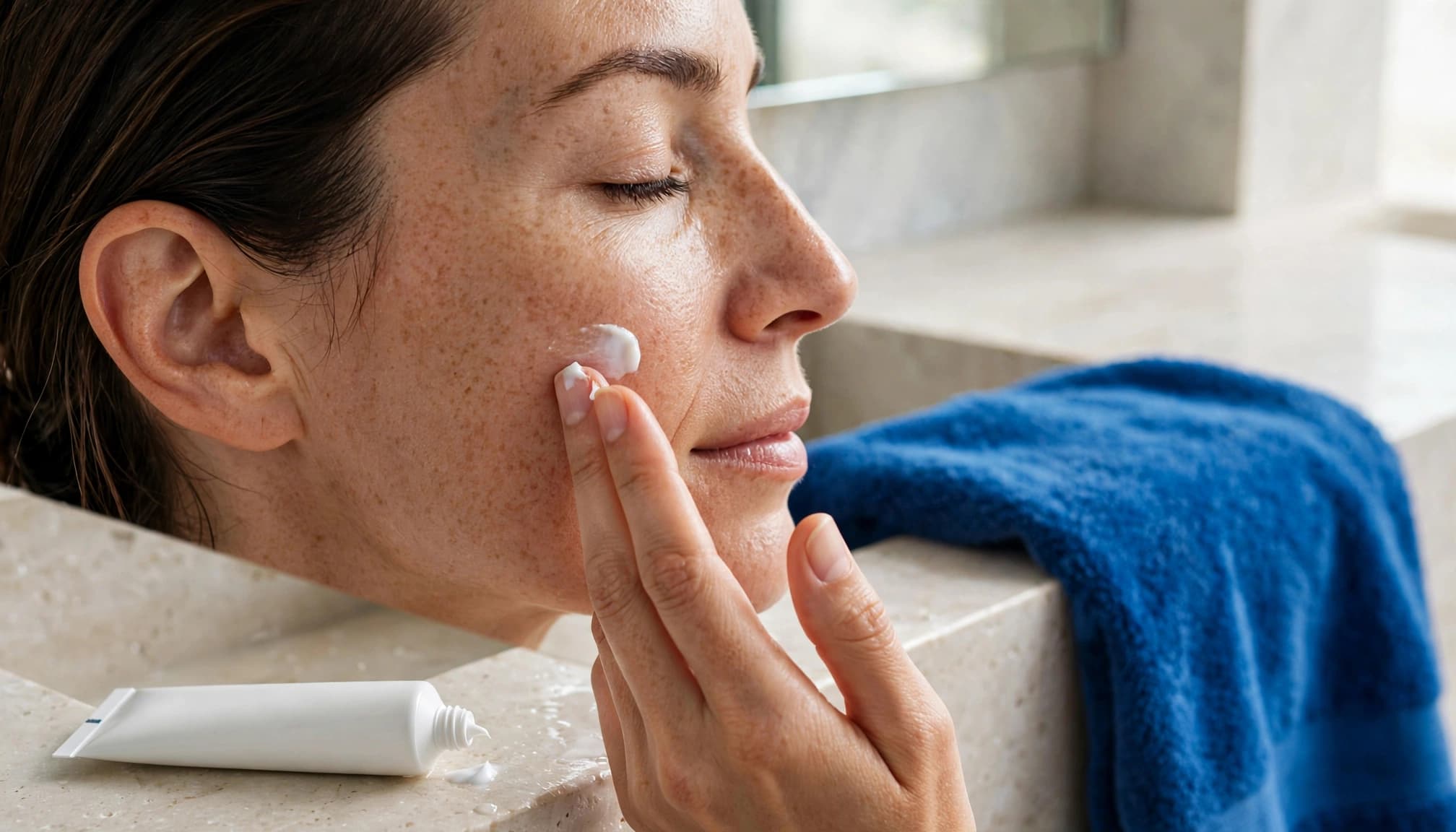
Apply your moisturiser after cleansing, when skin is clean and slightly patted dry. On damp skin, a formula containing glycerin, hyaluronic acid, ceramides or squalane may feel more comfortable and support the skin barrier. Use a small amount first, then spread it gently over your face and neck. In the morning, apply lighter skincare first, followed by moisturiser and then sunscreen.
Avoid rubbing hard, particularly around the jaw and neck after shaving. A gel cream with a lightweight texture can suit oilier or combination areas. Use balm only on dry patches if your forehead and nose become shiny. A lighter lotion on these zones often works better than layering several products everywhere.
A post-shave routine that does not punish the skin
Rinse away shaving residue with lukewarm water, then pat your face dry with a clean towel. Don’t scrub the skin, even if it feels slippery or warm. Apply an alcohol-free balm or lotion when you have soreness, nicks or tightness.
Aftershave and facial moisturiser aren’t always the same product. Aftershave may prioritise scent and a cooling sensation. A moisturiser should prioritise hydration and barrier comfort. Save heavily fragranced products for when your skin has settled.
How to test a new formula safely
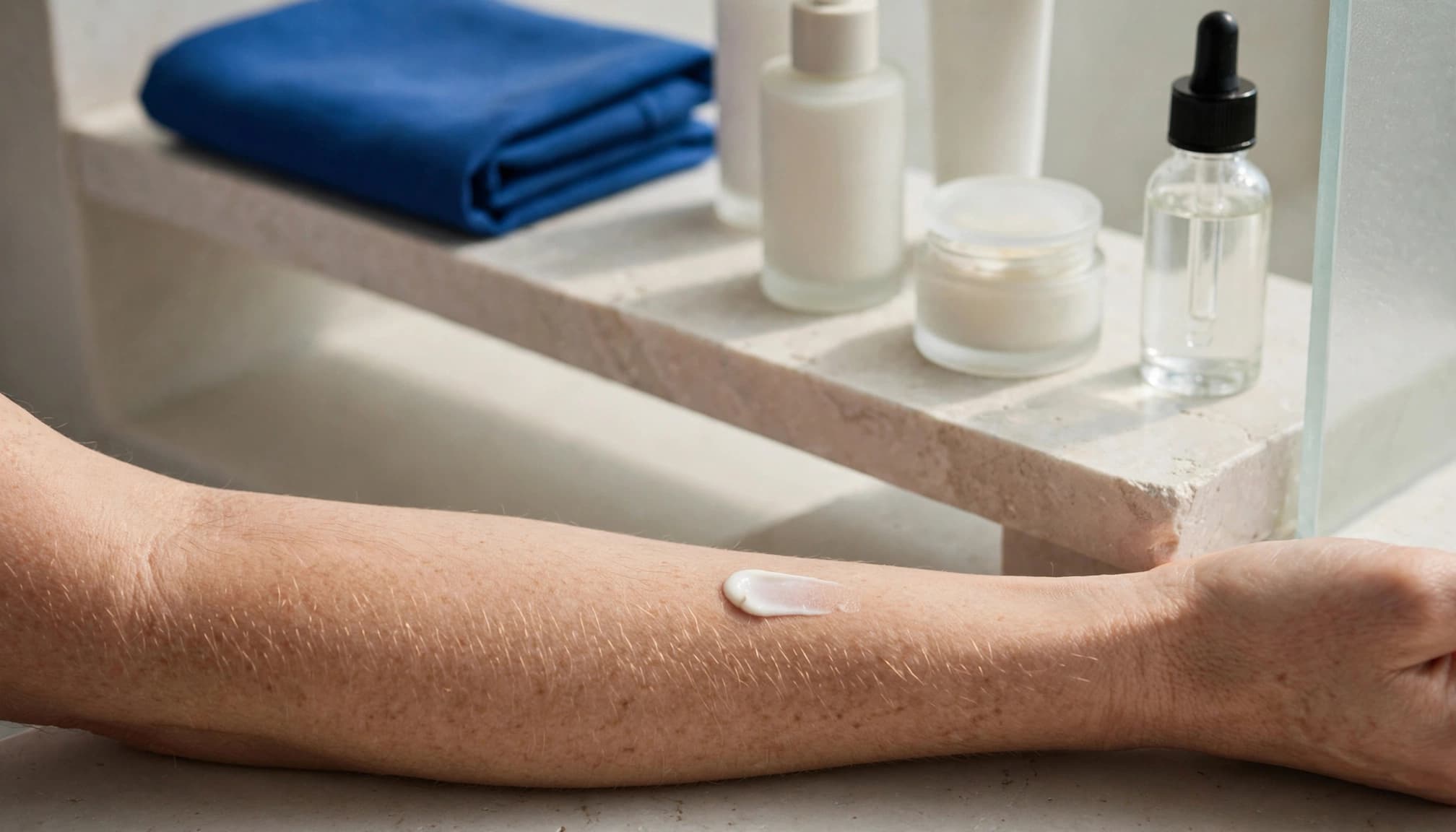
Test a small amount on a discreet patch of skin for several days before using it across your face. The jawline, neck or inner forearm can help reveal whether a product causes a reaction.
A simple hydration test is different from a patch test. Check whether your skin feels less tight, softer and comfortable after several hours. A brief mild sensation may pass quickly, but ongoing stinging, itching or redness is a reason to stop. People with sensitive skin or a history of allergies should be especially cautious.
Buying Face Moisturiser Online Without Regretting It
Online shopping makes it easier to compare ingredient lists, sizes, prices and scent descriptions. It can help you match a formula to your skincare routine, skin barrier needs and preferred finish, from a lightweight texture to a gel cream.
Because you can’t test the scent or finish first, use a careful blind-buy check. Confirm the millilitre size, inspect the full ingredients and look for alcohol or fragrance allergens where relevant. Check for ingredients such as hyaluronic acid, niacinamide or squalane, and see whether a non-comedogenic claim is supported by the full formula and reviews. Price comparisons are more useful when based on cost per millilitre.
How to read moisturiser reviews with common sense
Filter reviews by skin type where that option is available, especially comments from people with oily skin, dry skin or sensitive skin. Detailed comments written after several days of use are more useful than a first-impression reaction. Look for repeated mentions of absorption, irritation, dryness, scent strength and how well the product sits under sunscreen.
A reviewer’s climate, cleanser, shaving method and application amount can all affect the result. Formats associated with Korean skincare can vary widely, so compare texture descriptions rather than relying on the label alone. Treat anti-ageing claims critically and look for specific results. Repeated patterns, including changes in hydration levels, offer a more reliable guide than one dramatic opinion.
Frequently Asked Questions
Should I moisturise my face if I have oily skin?
Yes. Oily skin can still become dehydrated or feel tight after cleansing and shaving. Choose a gel cream with a lightweight texture, apply a small amount and look for a comfortable, low-shine finish.
Can I use body moisturiser on my face?
You can, but body products may feel too rich, heavily fragranced or greasy for facial skin. A face moisturiser usually gives you more control over texture and ingredients. Your skin type also matters, especially if you have sensitive skin.
Is it better to moisturise in the morning or at night?
Both can help, but each has a different purpose. Morning moisturiser supports comfort under sunscreen, whilst evening application can use a richer texture. This can be especially helpful for dry skin, without concerns about daytime shine.
How long should a face moisturiser take to absorb?
Most gels and lotions should feel settled within a few minutes. Creams and balms can take longer, especially when you apply too much. If product remains slippery for a long time, reduce the amount or choose a lighter texture.
Can I apply moisturiser after an alcohol-based aftershave splash?
Yes, provided the splash hasn’t caused stinging or redness. Let it dry first, then use a simple moisturiser to support the skin barrier and restore comfort. If your skin often feels tight afterwards, switch to an alcohol-free balm or lotion.
Choose Comfort Over Hype
The best face moisturiser is the formula you can use consistently without tightness, excessive shine or irritation. Start with a simple, fragrance-light, alcohol-free formula containing glycerin, hyaluronic acid or panthenol. Ceramides, niacinamide and squalane may support the skin barrier, but suitability matters more than a long ingredient list.
Buy it if the finish suits your daily routine, the ingredients match your known sensitivities and it works as a daily moisturizer at a reasonable price per millilitre. Don’t buy it solely for an anti-ageing claim. Skip it if it repeatedly stings, leaves your skin uncomfortable or relies on fragrance over comfort. Persistent skin problems deserve advice from a pharmacist or GP.
Explore our Buyers Guides and Reviews
For a list of our main buyers guides use the drop-down menu at the top of the page. Topics related to this article are:
Explore Our Blog Categories for Expert Buying Advice
- AI Powered Product Finder Tools (26)
- Expert Buying Guides & Shopping Tips for UK Shoppers (1,360)
- Brands & Designer Products (Men, Women & Electronics) (272)
- Designer Fashion Brands: Buyer’s Guides & Reviews (152)
- Electronic Brands: Buyers Guides & Reviews (86)
- Apple Products Buyer’s Guides & Reviews (24)
- Brands – Phones, Laptops, PC”s, Tablets | Buyer’s Guides & Reviews (42)
- Electronics – Tablet & iPad Reviews and Buyers Guides (11)
- Kitchen Appliance Brands: Buyer’s Guides & Reviews (22)
- Laptop Brands & MacBooks Buyer’s Guides & Reviews (9)
- Phone Brands & iPhones Buyer’s Guides & Reviews (23)
- Car Buying & Financing Made Easy | Expert Guides for the UK (89)
- Clothing, Fashion & Accessories Buying Guides UK (450)
- Beauty, Health & Wellness | Perfume, Skincare, Makeup & Wellbeing Guides (164)
- Footwear: Trainers & Shoes Buyers Guides (46)
- Jewellery: Expert Reviews, Trends & Buying Guides (71)
- Men's Clothes — Buyers Guides & Reviews (38)
- Men’s Clothes, Fashion & Accessories Guides UK | Latest Trends & Smart Shopping (155)
- Women's Clothing Buyers Guides — Dresses, Tops & More (171)
- Women’s Clothes, Fashion & Accessories Guides UK | Latest Trends & Smart Shopping (392)
- Electronics, Tech & Gadgets: Reviews, Deals & Buying Guides UK (170)
- Furniture Buyer’s Guides | Home & Garden & Styling Tips (311)
- Bedroom Furniture Guides UK | Expert Tips & Best Value Deals (91)
- Garden Furniture, Landscaping & Garden Rooms Guides UK | Expert Tips & Best Value Deals (157)
- Garden Sofa & Sofa Sets Buyers Guides (11)
- Garden Tables & Chairs: Sets, Individual Tables & Seating Buyers Guides (41)
- Home Furniture, Décor & Interior Design Guides UK | Styling Tips & Inspiration (166)
- Living Room Furniture, Design & Décor Guides UK | Styling Tips & Inspiration (56)
- Sofa & Sofa Beds Buyers Guides (18)
- Sofa Beds Buyers Guides (7)
- Sofa Buyers Guides & Expert Advice (10)
- Holidays & Travel: Hotels, Villas & Flights (158)
- Home & Garden Improvements | Renovations & Outdoor Transformation Guides (99)
- Insurance & Protection: Travel, Landlord, Gadget & More UK (159)
- Gadget Insurance UK | Expert Guides, Reviews & Smart Protection Tips (33)
- Home Emergency Cover UK | Expert Guides, Reviews & Practical Protection Tips (21)
- Landlords Insurance UK | Expert Guides, Reviews & Smart Protection Tips (31)
- Travel Insurance UK | Expert Guides, Reviews & Money-Saving Tips (34)
- Pets: Guides, Tips & Inspiration (26)
- Brands & Designer Products (Men, Women & Electronics) (272)
- Gifts for Everyone: Ideas for Every Occasion & Budget (44)