Denmark is a tempting first stop in Scandinavia, and this compact Nordic country lets you explore Copenhagen, take a train to another city and reach the coast without planning a lengthy road trip. Its compact distances and good transport links give you plenty of choice, even on a short break.
The trade-off is cost. Meals, accommodation and attractions can add up, whilst changeable weather can upset outdoor plans. A satisfying trip starts with a realistic route, a full-price comparison and a check of the details that could affect your departure.
Key Takeaways
- Copenhagen suits a long weekend; add Aarhus or Odense when you have a week.
- For castles, consider North Zealand. Save more distant islands and coastal areas for a longer holiday.
- Check entry requirements and attraction opening dates before making non-refundable bookings.
- Compare baggage, transfers, meals and local transport alongside headline fares and room rates.
- Pack layers and rain protection in any season, and leave room in your schedule for slower days.
Denmark travel guide: where to go and what to see
Denmark has distinct regions despite its manageable size. Greenland and the Faroe Islands are distinct, more distant destinations within the Danish Realm, not easy additions to a short mainland trip. Copenhagen is the easiest base for a short visit. With more time, choose a second city or a stretch of coast rather than trying to see the whole country at once.
Make time for Copenhagen’s landmarks and neighbourhoods
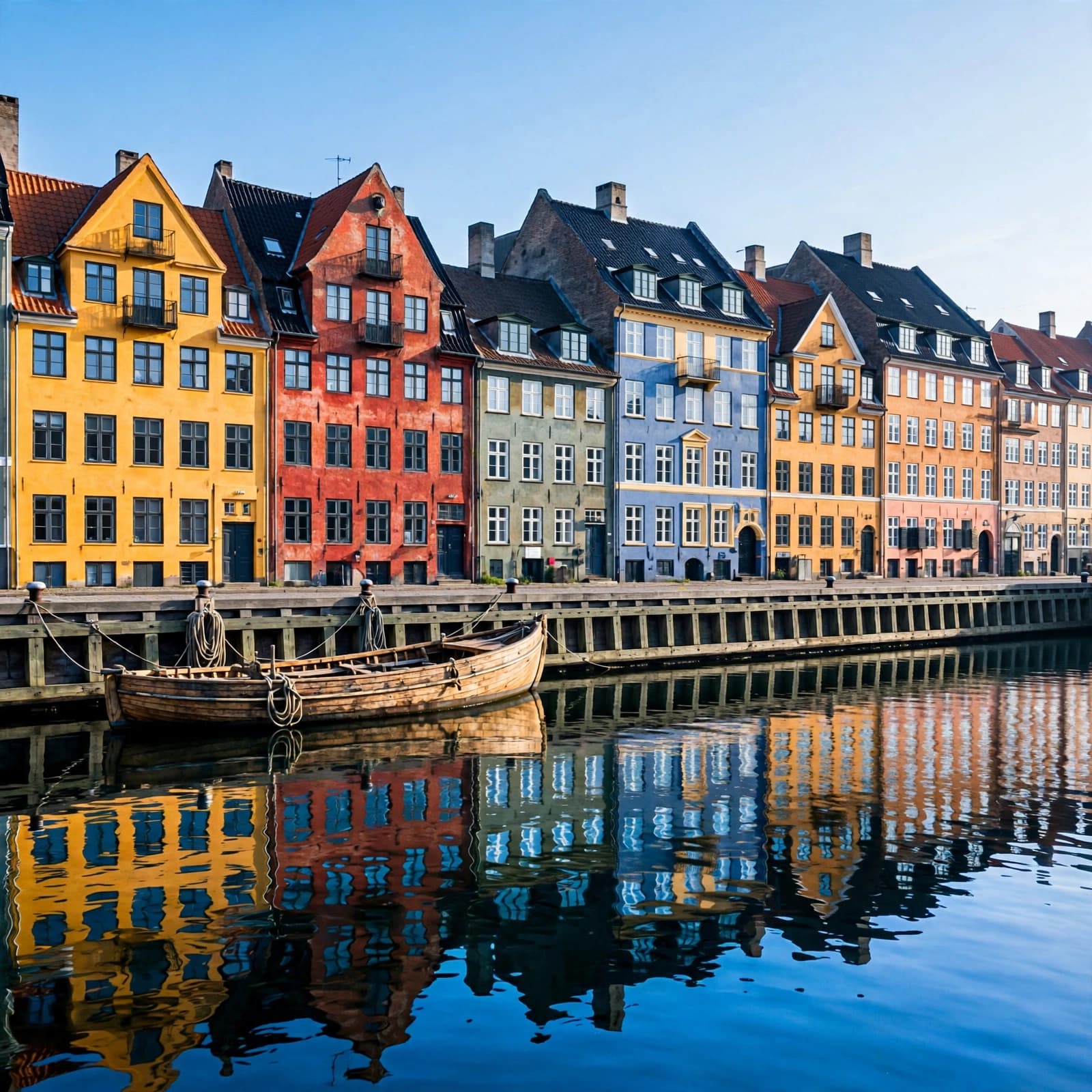
Start at Nyhavn for the harbourfront, then walk towards Christiansborg Palace, home to the Danish Parliament and visitor areas. The National Museum of Denmark introduces the country’s past, including Viking history. Tivoli Gardens adds rides, gardens and entertainment, but its opening calendar varies by season.
Copenhagen rewards time away from its best-known sights. Vesterbro has cafés and eating spots near the central station, whilst Nørrebro offers independent shops and a livelier neighbourhood feel. Walking works well in the centre; the Metro, buses and trains cover longer journeys. Cycling is another option if you’re comfortable with local traffic rules.
See more of Denmark beyond the capital
Aarhus is a strong second stop for museums and food. ARoS Aarhus Art Museum and the open-air Den Gamle By offer quite different afternoons. Odense, on the island of Fyn, suits travellers interested in Hans Christian Andersen and walkable historic streets.
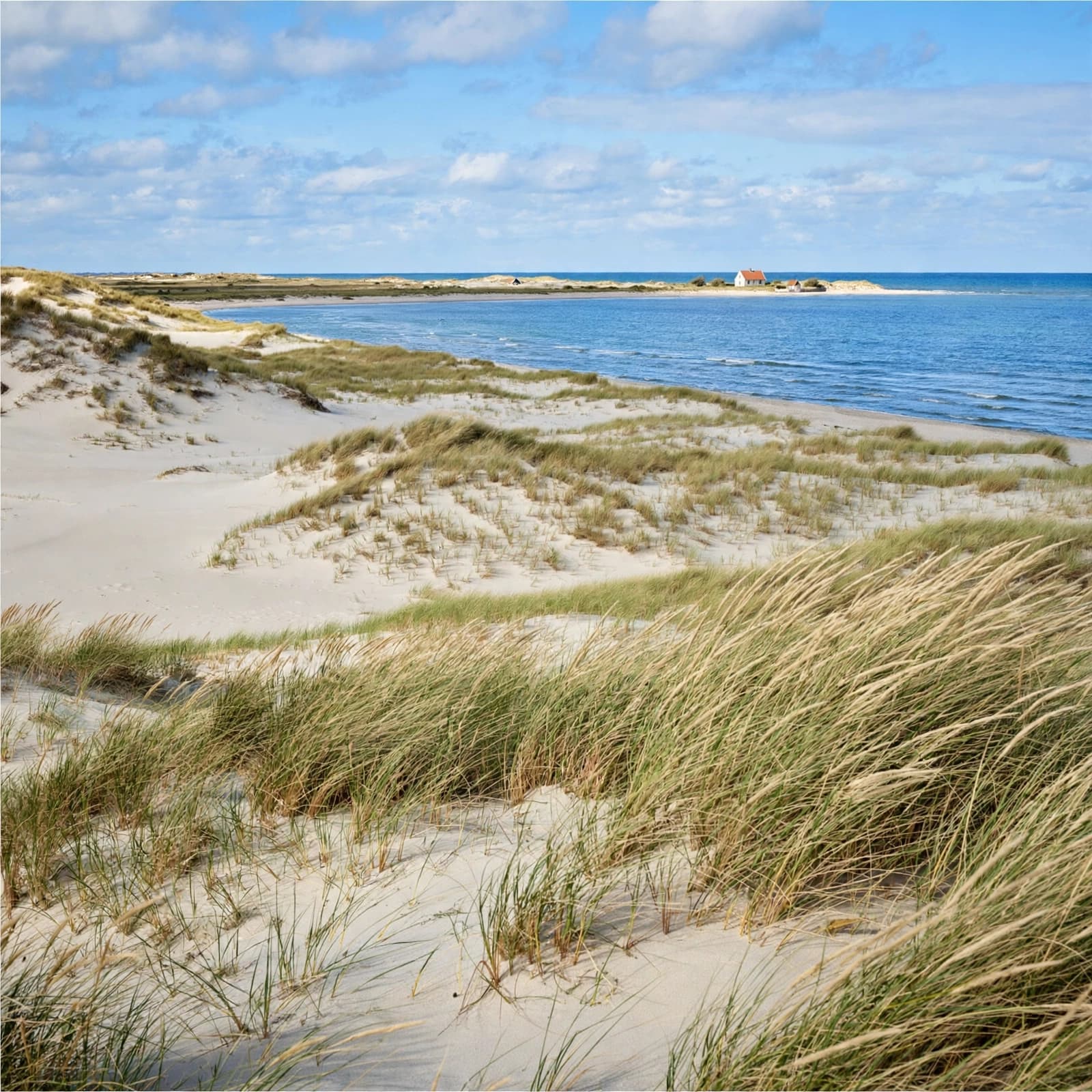
North Zealand is closer to Copenhagen. Kronborg Castle stands by the coast in Helsingør, whilst Frederiksborg Castle is in Hillerød. Both deserve time rather than a rushed combined visit. For a longer stay, Denmark’s beaches, smaller islands and rural areas offer a slower change of pace. Choose one area that matches your transport plans.
When to visit Denmark and how to plan the journey
The right dates depend on what you want to do. Before paying for flights, check whether your preferred attractions, accommodation and onward connections operate on those dates.
Choose a season that suits your plans
Summer brings long daylight hours and more scope for beaches, outdoor dining and cycling. It also brings stronger demand around school holidays, so compare availability early.
Spring and autumn often suit city sightseeing if you’d rather avoid peak-season crowds. Winter offers festive outings and indoor culture, but daylight is shorter and you’ll need warm layers. In any season, check the forecast close to departure. Tivoli, ferries and smaller attractions may follow seasonal timetables, so don’t rely on a general opening-hours search result.
Check entry rules, transport and travel documents
Entry requirements depend on your nationality and trip details. British passport holders should check current passport validity and short-stay rules through official UK government travel advice and Danish authorities before booking. Denmark is in the Schengen Area, and time spent in other Schengen Area countries may count towards the same short-stay allowance.
Flights link the UK with Copenhagen, whilst Billund can be useful for parts of Jutland. An overland journey involves rail connections through mainland Europe, so check each change and allow for delays. Once in Denmark, trains connect major cities and buses fill many local gaps. There isn’t a direct passenger ferry from the UK to Denmark, so a ferry-based journey needs onward travel through Europe.
Denmark is a member of the European Union but uses the Danish krone, not the euro. Contactless cards are widely accepted, but check your bank’s foreign-transaction charges and carry a backup way to pay.
Book the parts of your trip that affect the budget
Comparing transport, stays and attractions online makes it easier to see which dates work together. It also lets you keep confirmations together and secure an entry slot where one is required.
Before paying, check cancellation terms, baggage allowances, airport transfers and whether breakfast is included. A cheaper room outside the centre may cost more once you add daily fares. Likewise, compare advance rail tickets with flexible ones: a saving is less useful if your flight arrives late.
Check the costs and cover that headline prices miss
Denmark’s everyday costs can catch UK visitors out, especially if several paid sights and restaurant meals fall on the same day. Set aside money for local travel, food and admission as well as the flight and room. Check whether an attraction requires a timed ticket, then decide which paid visits matter most.
Travel insurance deserves the same attention. Read the cancellation and medical-cover terms before you buy, including any excess, the amount you pay towards a claim. Declare pre-existing medical conditions as required by the policy, and check cover for planned activities such as cycling. A UK Global Health Insurance Card can help eligible travellers access medically necessary state healthcare, but it doesn’t replace insurance for costs such as repatriation.
Finally, check mobile roaming charges and how you’ll get from the airport to your accommodation. Those small decisions are easier to settle before departure than after a late arrival.

Build a Denmark itinerary that fits your time
A manageable route leaves room for delays and unplanned discoveries. Trains make a two-city trip practical, but every change of base still takes time to pack, travel and check in.
Make a long weekend work in Copenhagen
Spend day one around Nyhavn, the central streets and waterfront. On day two, choose the National Museum or Christiansborg, then keep the afternoon flexible for Tivoli if it’s open. Use day three for Vesterbro, Nørrebro or a food market rather than cramming in another major sight.
If you prefer an excursion, the Louisiana Museum of Modern Art in Humlebæk or Helsingør can work as a day trip by train. Check opening hours and journey times first, particularly if you have an evening flight. One well-chosen outing is better than watching the clock at two.
Use a week to combine the capital with another city
With roughly a week, split your stay between Copenhagen and Aarhus or Odense. Allow around three hours by train between Copenhagen and Aarhus, or around an hour and a half to Odense, depending on the service. That makes rail a sensible alternative to driving between major cities.
Give each base more than a single night. In Aarhus, you might pair ARoS with Den Gamle By and a meal near the centre. Odense offers a gentler second stop, with Andersen-related sights and time to explore Fyn. Check the return journey to your departure airport before fixing the order.
Allow one to two weeks for islands and the coast
A longer holiday can include North Zealand, more of Fyn or a selected coastal area. Bornholm is another possibility, but reaching it takes additional planning and deserves more than a hurried stop. On the North Sea coast of the Jutland peninsula, distances between smaller places make transport choices more important.
Check ferry timetables, seasonal services and the final bus or train connection to your accommodation. Hire a car when it gives you useful access to rural stops, not simply because the route looks spread out on a map. Remember that Denmark drives on the right.
Taste Danish food and keep daily costs under control
Food is part of the trip, but it needn’t mean a formal restaurant every evening. Plan a few meals you particularly want, then keep the rest flexible.
Try smørrebrød, pastries and a relaxed café meal
Smørrebrød is an open sandwich, usually built on rye bread with toppings such as fish, eggs or roast meat. It’s a useful lunch choice when you want to try something distinctly Danish. Bakeries make pastries an easy breakfast or afternoon stop, whilst coastal towns are good places to look for local seafood and seasonal dishes.
In Copenhagen, Torvehallerne brings food stalls together under one roof. Aamanns is a known choice for smørrebrød; check its current menu and prices before reserving. Aarhus Street Food offers a more casual option in Aarhus. Markets and cafés give you freedom to choose how much to spend, though they’re not automatically cheap.
Plan for pricey meals, transport and attractions
Set a daily allowance that includes drinks, local fares and admissions. If several museums appeal, compare individual tickets with any relevant city pass using your actual plans, not the pass’s longest list of included sights.
Mix paid visits with waterfront walks, parks and free-entry venues whose current arrangements you’ve checked. You can also buy breakfast supplies or picnic food rather than eating every meal out. When paying by card, choose the local currency if offered a conversion at the terminal, and check any fees with your bank before travelling.
Frequently Asked Questions
Is Denmark a good choice for a first trip to Scandinavia?
Yes. Copenhagen’s public transport and range of sights make it straightforward to plan a first visit without a car. If you have more time, a train journey to Odense or Aarhus adds another destination without a complicated route.
Can I get by speaking English in Denmark?
Visitors can generally use English in hotels, restaurants, attractions and other tourist settings. Learning a simple Danish greeting, such as hej for hello or tak for thank you, is courteous. Keep your accommodation address available in writing for arrival and onward journeys.
Do I need to hire a car to explore Denmark?
You can cover Copenhagen and travel between major cities by public transport. A car offers more flexibility for scattered rural sights or accommodation far from a station. On islands, check ferry arrangements for vehicles before booking a hire car.
What should I pack for a holiday in Denmark?
Bring comfortable walking shoes, layers and a light waterproof, even if the forecast looks settled. Add warmer clothing for winter, or sun protection for long summer days outdoors. A suitable plug adaptor is useful for UK travellers with three-pin devices.
Plan a route you can enjoy
Denmark is easier to enjoy when you give each stop enough time. Choose a realistic route, confirm your entry and transport details, then compare the full trip cost before committing to non-refundable plans.
- Choose dates that suit the sights and seasonal services you want.
- Select one or two bases, depending on the length of your stay.
- Check travel documents, entry guidance and insurance cover.
- Confirm transport connections, attraction hours and booking terms.
Explore our Buyers Guides and Reviews
◦ 🏠 All Buyers Guides Homepage