Verdict: the right choice supports the skin barrier, feels comfortable enough for regular use and suits your symptoms and routine.
Eczema is a condition that can include atopic dermatitis. An altered immune response can weaken the protective barrier, reducing skin hydration and leaving skin dry, itchy and easily irritated.
No single formula suits everyone. People with sensitive skin may prefer simpler options, but natural ingredients aren’t automatically safer or more effective.
Everyday emollients soften and protect the skin, while flare control creams may help manage eczema symptoms. However, moisturisers alone don’t treat active disease, so choose products based on texture, ingredients, value and how consistently you can use them.
Key Takeaways
- Choose an emollient texture that you’ll use regularly, rather than chasing a universally “best” brand.
- Creams work well during the day, while ointments often suit rough or cracked areas overnight.
- Fragrance-free formulas with glycerin, panthenol or colloidal oatmeal may suit some people. Natural ingredients still require an ingredient and tolerance check.
- Compare online prices per 100 ml or 100 g, including delivery and packaging type.
- Seek medical advice for painful, weeping, infected or rapidly worsening eczema. Products marketed as flare control creams aren’t necessarily substitutes for professional advice or prescribed treatment.
Best Creams for Eczema: Which Formula Is Right for Your Skin?
Emollients do not cure atopic dermatitis, but they reduce dryness and help skin retain water. Medical moisturisers support everyday care, while prescribed treatment may be needed for active disease.
A good product should spread without harsh rubbing, sit comfortably under clothing and be easy to reapply. For sensitive skin, tolerability matters as much as texture.
Recognisable UK ranges include Cetraben, Diprobase, Epaderm, Hydromol, Zerobase, Doublebase and CeraVe Moisturising Cream. These are examples of common emollient types, not a ranking or endorsement. Formulas can change, so always check the current packaging before buying again.
Emollient creams contain a balance of water and oil. They usually absorb faster than ointments and feel less greasy on hands, arms and legs. However, very dry skin may need more frequent application.
Lotions are thinner and can work on large areas or hairy skin. Their light feel is useful in warm weather, although they may not provide enough lasting protection for dry skin patches. Ointments are richer and more occlusive, while gels can feel cooling but may sting irritated skin.
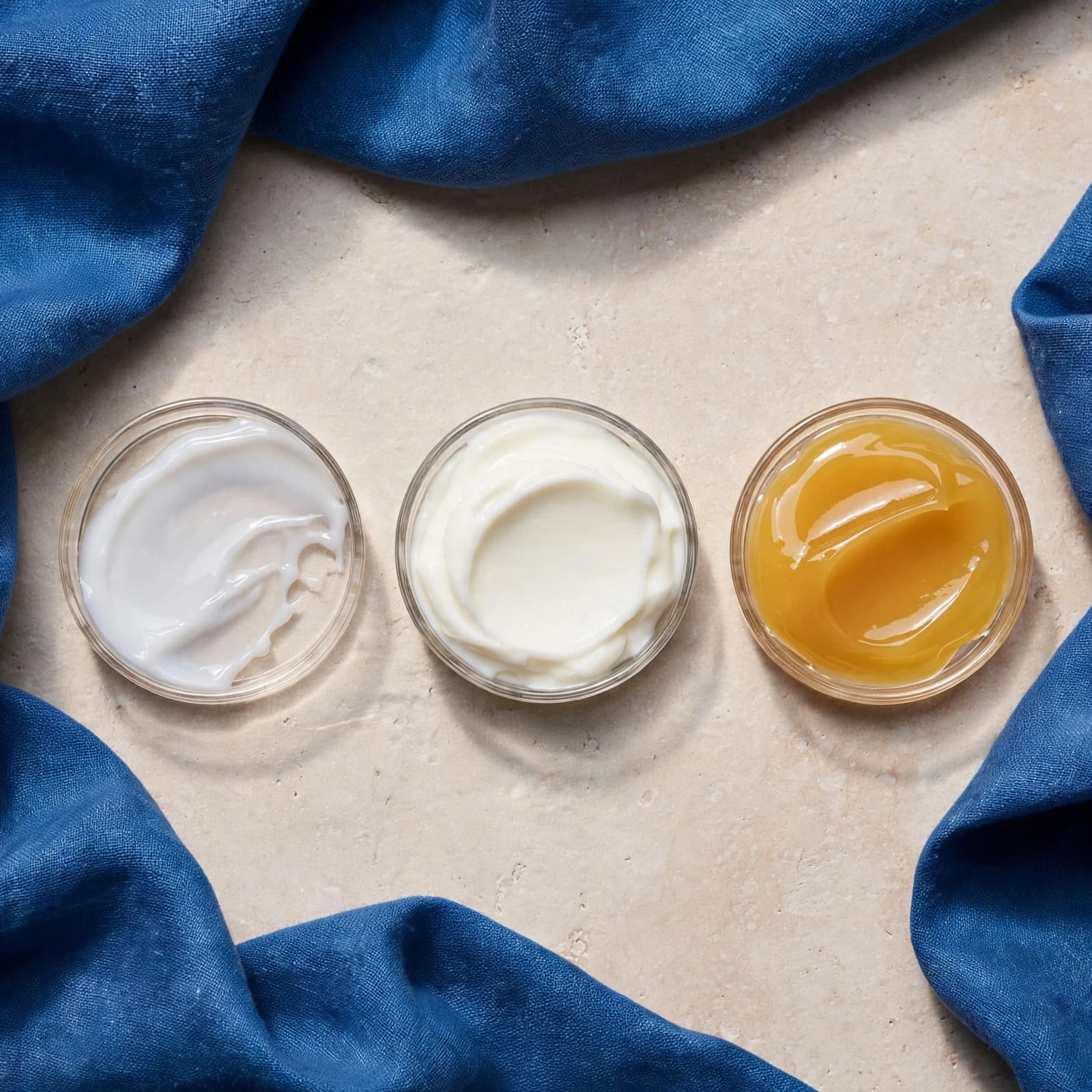
Best emollient creams for everyday dryness and itching
For regular use, look for a fragrance-free cream that moisturises reliably and does not leave you avoiding it. The best formula is often the one that fits naturally into your morning, handwashing and bedtime routine.
Glycerin draws water into the outer skin layer. Occlusive ingredients, such as mineral oils or petrolatum, slow water loss and help support the skin barrier. Barrier-supporting lipids may improve the feel of dry skin, although no ingredient works identically for every person.
Colloidal oatmeal may have soothing properties for some people, but it does not suit everyone. Natural ingredients can still cause problems, and natural ingredients are not automatically gentler. Ingredient claims should be considered alongside clinical evidence, rather than treated as proof of universal effectiveness.
Products labelled for itch relief may include ingredients designed to create a soothing sensation. Products marketed as flare control creams are not a substitute for assessment. If itch persists, or your skin becomes weepy, crusted or rapidly worse, seek medical advice.
When a balm or ointment is better than a light cream
Ointments and balm-like emollients are thicker because they contain more oil and less water. They form a stronger layer over rough, cracked or very dry skin, so they can be particularly useful on hands, shins, elbows and feet at night.
The trade-off is texture. Greasy products can transfer to clothing, feel uncomfortable in heat and make bath surfaces or floors slippery. Start with a small amount and add more if your skin still feels tight.
A greasy emollient is not a treatment for active inflammation or a substitute for topical corticosteroids. If you have been prescribed a steroid cream or ointment for an eczema flare, follow the instructions from your clinician or pharmacist.
Emollient residue can build up on clothing, bedding and dressings. Keep fabrics treated with paraffin-containing products away from smoking, naked flames and other ignition sources.
How to Choose an Eczema Cream Without Wasting Money
Start simply. For atopic dermatitis, choose a fragrance-free emollient with a tolerable texture. Build a daily care routine around your symptoms, body area and skin sensitivity.
Products marketed as flare control creams may target flare management, but they aren’t necessarily medicated. An ordinary moisturiser is often the more useful first purchase than a complicated formula with numerous claims.
Consider where the eczema appears, how dry it becomes and when you are most likely to apply it. Hands need a portable cream or pump bottle. Very dry legs may suit a cream by day and ointment at night. A child may need a product comfortable enough for repeated use.
Change only one product at a time. If you know an ingredient causes problems, check the full label before trying a new formula. A patch test may help if you have a history of contact dermatitis, which can resemble eczema but has a different trigger. A pharmacist or clinician can advise on the safest approach.
Match the texture to your symptoms, season and body area
A cream is often practical for daytime use because it absorbs well and usually works beneath workwear or school clothes. It can also support the skin barrier when used consistently. Keep it near the sink if handwashing leaves your skin tight.
For deeply dry or fissured areas, an ointment may feel more protective, especially before bed. Meanwhile, a lighter lotion can be useful over large areas or through body hair, provided it does not leave the skin dry again soon afterwards.
Many people need more than one texture. With sensitive skin, tolerability matters because regular use is easier when a product feels comfortable. A cream on the body, a richer ointment on hands and a lighter formula in warm weather can make consistent care much easier.
Check the label for helpful ingredients and common irritants
Petrolatum and mineral oils help trap moisture. Glycerin attracts water, while ceramides and panthenol can support the skin’s outer moisture function. Colloidal oatmeal is included in some products for its soothing properties.
Urea can soften thick, dry skin, but it may sting on broken or inflamed areas. Colloidal oatmeal is often well tolerated, but even familiar ingredients can cause problems for some people.
Natural ingredients aren’t automatically suitable for everyone. Some botanical or natural ingredients may still cause skin irritation, particularly in reactive skin. Fragrance, essential oils, alcohol and preservatives can also be problematic. Tolerance matters more than a fashionable ingredient list.
Because an immune response can contribute to eczema inflammation, moisturisers may not settle active inflammation on their own. Stop using a product if it causes a new rash, swelling or worsening symptoms.
Know when an eczema cream is not enough
Emollients manage dryness and support moisture retention. During eczema flare-ups, active inflammation may need topical treatments beyond moisturising care. Flare control creams may contain different active ingredients or require professional guidance, so check with a pharmacist before using them.
A pharmacist can advise on suitable over-the-counter creams, while topical corticosteroids may be recommended or prescribed during a flare. Use medicated treatments only as directed on the label or by your healthcare professional.
Contact a GP or NHS 111 if you have severe eczema, redness that spreads, or skin that feels hot or painful. Pus, yellow crusts, blisters or fever may indicate infection. Eczema near the eyes also needs professional advice. Prompt treatment matters when infection is possible.
How to Use Eczema Creams for Better, Longer-Lasting Relief
Technique affects results. Apply emollient generously, then gently smooth it over the skin in the direction of hair growth, especially if you have sensitive skin. Vigorous rubbing can make itching and irritation worse.
After bathing or showering, pat skin dry and apply your moisturiser while the skin is still slightly damp. This can make it easier to support skin hydration. Reapply after handwashing and whenever an area feels dry or tight. Use clean hands, a pump or a clean spatula for tub products to reduce contamination.
Keep showers short and lukewarm. Hot water and harsh soap can strip away oils that already run low in eczema-prone skin.
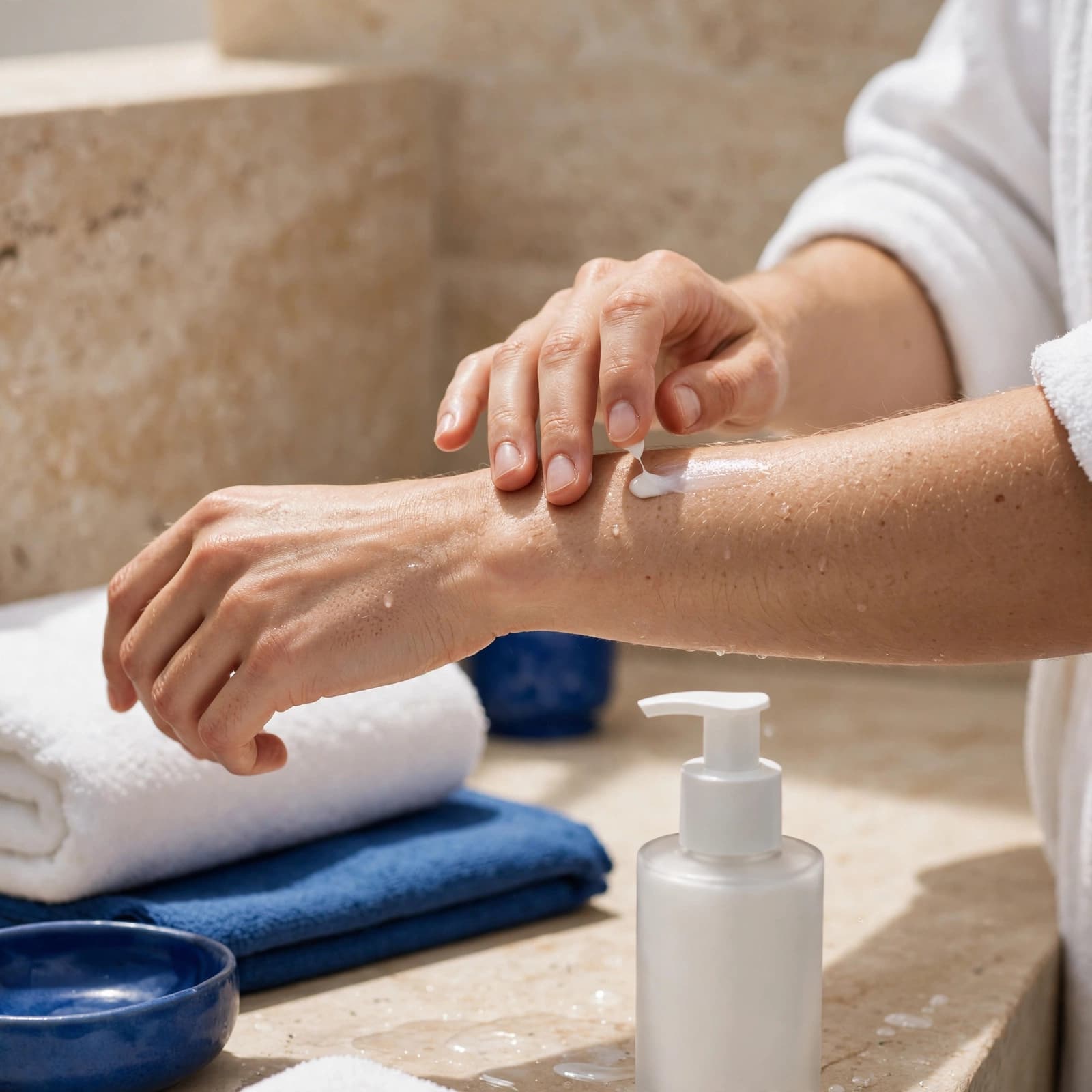
Build a simple morning, evening and flare-up routine
In the morning, cleanse only the areas that need it and apply cream promptly. During eczema flare-ups, top up dry hands, wrists or other exposed areas. Use this as part of a simple daily care routine. At night, use a richer ointment on stubborn patches if it feels comfortable.
If you use prescribed flare control creams as well as an emollient, follow the timing and application advice from your pharmacist, GP or NHS clinician. Don’t invent a routine based on social media tips.
Some people find colloidal oatmeal soothing, but stop using any product that feels uncomfortable. Soft, breathable clothing can reduce overheating. Keep nails short to limit damage from scratching, and avoid known triggers such as fragranced laundry products if they affect your skin.
Avoid common mistakes that make sensitive skin feel worse
Using too little product is common. A thin smear may disappear quickly without leaving enough moisture behind. Equally, switching formulas every few days makes it hard to identify what your skin tolerates.
Avoid scrubbing flaky skin or applying scented products to broken areas. Products containing natural ingredients can still cause skin irritation, so check how your skin responds. Don’t assume over-the-counter flare control creams replace prescribed treatment. A cooling sensation does not prove that a cream is helping.
Persistent burning, a new rash or increased swelling means you should stop and ask for advice. If you have severe eczema or symptoms are worsening, seek advice promptly.
Store products safely and keep paraffin-based emollients away from heat sources. Wash clothing and bedding regularly, but remember that laundering may not remove all emollient residue.
Buying Eczema Cream Online: Compare Ingredients, Reviews and True Value
Online shopping gives you access to different emollient creams, medical moisturisers, pack sizes and refill options. Online availability doesn’t prove suitability, so distinguish marketing terms such as flare control creams from genuine treatment information.
Compare cost per 100 ml or 100 g. Include delivery charges, pack size and whether the container has a pump, tube or tub. Pumps are often cleaner and easier for families, while larger tubs can cost less per gram but may be less convenient away from home.
Treat reviews as personal experience, not medical proof. Filter for people with a similar skin type or age group where possible. Repeated comments about stinging, greasiness, absorption, scent or faulty pumps are more useful than isolated one-star anger or five-star hype.
A quick online checklist before you place an order
- Confirm whether you need a cream, ointment, lotion or emollient wash.
- Check the current ingredient list for fragrance-free claims, colloidal oatmeal and any known allergens. Natural ingredients aren’t automatically safer, particularly if you’ve previously experienced contact dermatitis.
- Verify the active ingredients and whether you’re buying over-the-counter creams or a cosmetic moisturiser.
- Compare the price per 100 ml or 100 g, not only the package price.
- Read balanced reviews for repeated feedback about dryness, discomfort and packaging.
- Check delivery conditions, expiry information and the seller’s complaint process.
Online descriptions can be incomplete or out of date, and may overemphasise natural ingredients. The packaging and the manufacturer’s current information are the final checks before you use a product.
Pros, cons and alternatives to consider
Emollient creams are comfortable, portable and usually quick to absorb, although they may need frequent reapplication. Ointments suit dry skin patches and night-time use, but their greasy finish can be inconvenient. Lotions spread easily across large or hairy areas, yet offer lighter protection. Texture preferences matter for sensitive skin, especially when you know you have particular skin sensitivity.
An emollient wash or soap substitute may help if ordinary soap leaves your skin dry and tight. It doesn’t replace a leave-on moisturiser. If the first choice is ineffective or unpleasant, a pharmacist can suggest another emollient or an appropriate medicated option.
Smaller packs and travel sizes can be sensible when testing a new formula. They cost more per ml, but can prevent waste if your skin dislikes the texture.
Frequently Asked Questions
Should I use an eczema cream or ointment?
The choice depends on dryness, body area, time of day and personal preference. Ointments are richer and often suit very dry skin, while creams can feel easier for daytime and larger areas. Emollients moisturise, while topical treatments such as topical corticosteroids may be prescribed for inflammation. Labels for flare control creams don’t replace advice from a pharmacist or GP.
Can I use eczema cream on a baby or child?
Many emollients are suitable for children, but age, ingredients and symptoms still matter. Products containing colloidal oatmeal still need an age and tolerance check. Check the label and ask a pharmacist, health visitor or GP for advice, especially with widespread eczema, facial symptoms or suspected infection.
How often should I apply an emollient?
Emollients are commonly used several times a day and whenever the skin feels dry, including after washing. The most effective schedule is one you can maintain consistently, while following product instructions and clinical advice.
Why does my eczema cream sting?
Stinging can happen when skin is cracked or inflamed, or when you react to an ingredient. Even commonly soothing ingredients, such as colloidal oatmeal and some natural ingredients, may not suit sensitive skin. Brief mild discomfort differs from persistent burning, swelling or worsening eczema. Stop using a product that causes a strong or lasting reaction and seek advice from a pharmacist or GP.
When should I speak to a GP about eczema?
Speak to a GP for eczema symptoms including painful skin, pus, yellow crusts, fever, rapidly spreading redness, severe sleep-disrupting itch or eye involvement. Seek advice for severe eczema or symptoms that fail to improve with regular emollient use. NHS 111 can offer urgent advice when your GP surgery is unavailable. For a medical emergency, call 999 or attend A&E.
Choose Comfort and Consistency
Start with an unscented emollient cream that matches your dryness and daily routine. Choose an ointment for rough or cracked areas if you tolerate its richer feel. A lighter formula may suit sensitive skin and frequent reapplication. Colloidal oatmeal may work well for some users, but it isn’t suitable for everyone. Natural ingredients aren’t automatically better.
Buy it if the texture feels pleasant enough for daily use and the ingredients avoid your known triggers. Remember that flare control creams aren’t a substitute for everyday emollient care. Ask for help if eczema remains persistent, painful or infected-looking.
Regular moisturising and gentle application support the skin’s barrier. Consistency matters more than choosing the most expensive product. Tolerance and evidence matter more than claims about natural ingredients.
Explore our Buyers Guides and Reviews
For a list of our main buyers guides use the drop-down menu at the top of the page. Topics related to this article are:
Explore Our Blog Categories for Expert Buying Advice
- AI Powered Product Finder Tools (26)
- Expert Buying Guides & Shopping Tips for UK Shoppers (1,360)
- Brands & Designer Products (Men, Women & Electronics) (272)
- Designer Fashion Brands: Buyer’s Guides & Reviews (152)
- Electronic Brands: Buyers Guides & Reviews (86)
- Apple Products Buyer’s Guides & Reviews (24)
- Brands – Phones, Laptops, PC”s, Tablets | Buyer’s Guides & Reviews (42)
- Electronics – Tablet & iPad Reviews and Buyers Guides (11)
- Kitchen Appliance Brands: Buyer’s Guides & Reviews (22)
- Laptop Brands & MacBooks Buyer’s Guides & Reviews (9)
- Phone Brands & iPhones Buyer’s Guides & Reviews (23)
- Car Buying & Financing Made Easy | Expert Guides for the UK (89)
- Clothing, Fashion & Accessories Buying Guides UK (450)
- Beauty, Health & Wellness | Perfume, Skincare, Makeup & Wellbeing Guides (164)
- Footwear: Trainers & Shoes Buyers Guides (46)
- Jewellery: Expert Reviews, Trends & Buying Guides (71)
- Men's Clothes — Buyers Guides & Reviews (38)
- Men’s Clothes, Fashion & Accessories Guides UK | Latest Trends & Smart Shopping (155)
- Women's Clothing Buyers Guides — Dresses, Tops & More (171)
- Women’s Clothes, Fashion & Accessories Guides UK | Latest Trends & Smart Shopping (392)
- Electronics, Tech & Gadgets: Reviews, Deals & Buying Guides UK (170)
- Furniture Buyer’s Guides | Home & Garden & Styling Tips (311)
- Bedroom Furniture Guides UK | Expert Tips & Best Value Deals (91)
- Garden Furniture, Landscaping & Garden Rooms Guides UK | Expert Tips & Best Value Deals (157)
- Garden Sofa & Sofa Sets Buyers Guides (11)
- Garden Tables & Chairs: Sets, Individual Tables & Seating Buyers Guides (41)
- Home Furniture, Décor & Interior Design Guides UK | Styling Tips & Inspiration (166)
- Living Room Furniture, Design & Décor Guides UK | Styling Tips & Inspiration (56)
- Sofa & Sofa Beds Buyers Guides (18)
- Sofa Beds Buyers Guides (7)
- Sofa Buyers Guides & Expert Advice (10)
- Holidays & Travel: Hotels, Villas & Flights (158)
- Home & Garden Improvements | Renovations & Outdoor Transformation Guides (99)
- Insurance & Protection: Travel, Landlord, Gadget & More UK (159)
- Gadget Insurance UK | Expert Guides, Reviews & Smart Protection Tips (33)
- Home Emergency Cover UK | Expert Guides, Reviews & Practical Protection Tips (21)
- Landlords Insurance UK | Expert Guides, Reviews & Smart Protection Tips (31)
- Travel Insurance UK | Expert Guides, Reviews & Money-Saving Tips (34)
- Pets: Guides, Tips & Inspiration (26)
- Brands & Designer Products (Men, Women & Electronics) (272)
- Gifts for Everyone: Ideas for Every Occasion & Budget (44)