For tight, rough or flaky skin, a comfortable moisturiser used regularly is a sensible buy. If you’re looking for a moisturiser for dry skin, premium packaging alone doesn’t justify extra cost.
Choosing a moisturiser for dry skin gets easier when you focus on comfort, ingredients and texture.
Similar-looking tubs can feel different on your skin, and a rich formula isn’t always the most practical choice. A face moisturiser, hand cream and body lotion may also need different textures, especially if dry skin feels different as the weather changes.
Start with your skin’s needs, then compare labels, value and how each formula fits into your routine.
Key Takeaways
- Choose a texture that suits the area, your hydration levels and preferred finish, while supporting the skin barrier.
- Look for moisture-binding ingredients such as glycerin, alongside emollients that help reduce water loss.
- Check the full ingredient list for known triggers, and consider fragrance-free options rather than relying on claims such as “natural”.
- Compare face moisturiser options by price per 100 ml or 100 g, including delivery costs where relevant.
- Apply gently after washing to help relieve dry skin, and seek advice for severe dryness, painful cracks or persistent irritation.
How to choose a Moisturizer for Dry Skin
For dry skin, start with how your skin feels, where you’ll apply the product and what finish you can tolerate every day.
Check the ingredients that help skin hold on to moisture
Humectants, including glycerin and hyaluronic acid, attract and hold water in the skin’s outer layers, helping maintain hydration levels. Panthenol can also support hydration and skin comfort.
Emollients such as squalane soften rough-feeling skin. Ceramides support the skin barrier, while occlusive ingredients such as petrolatum help limit moisture loss.
Formulas often combine these ingredients to support the skin barrier, sometimes alongside niacinamide or vitamin E. Check the active ingredients as part of the whole formula, rather than expecting any one ingredient to guarantee a result. No single ingredient suits everyone, and no one formula works for all skin types. An anti-ageing claim is cosmetic, not a reason to expect a moisturiser to treat a skin condition.
Choose a cream, lotion or ointment for your needs
Lotions generally spread easily and feel lighter, which can suit mildly dry areas or daytime use. If you want a face moisturiser, a lightweight texture may feel more comfortable.
Creams usually feel richer, although texture varies between formulas. When choosing a face moisturiser, consider how it will feel under make-up or sunscreen.
Ointments leave a more protective, sometimes greasy layer. They can suit very dry patches or overnight use, but may feel uncomfortable beneath clothing.
Consistent use matters. A lotion you enjoy applying may be a better purchase than a heavy ointment you avoid because it feels sticky.
Read the label and avoid common sources of irritation
If you have sensitive skin or know you react to fragrance, check the full ingredient list and consider a fragrance-free formula. “Natural” doesn’t guarantee gentleness; essential oils can also cause reactions.
Alcohol names need context. Cetyl and stearyl alcohol are fatty alcohols commonly used as emollients, unlike drying alcohol-heavy splashes.
Before wider use, test a small amount on a limited area according to the product’s guidance. Stop if it causes irritation.
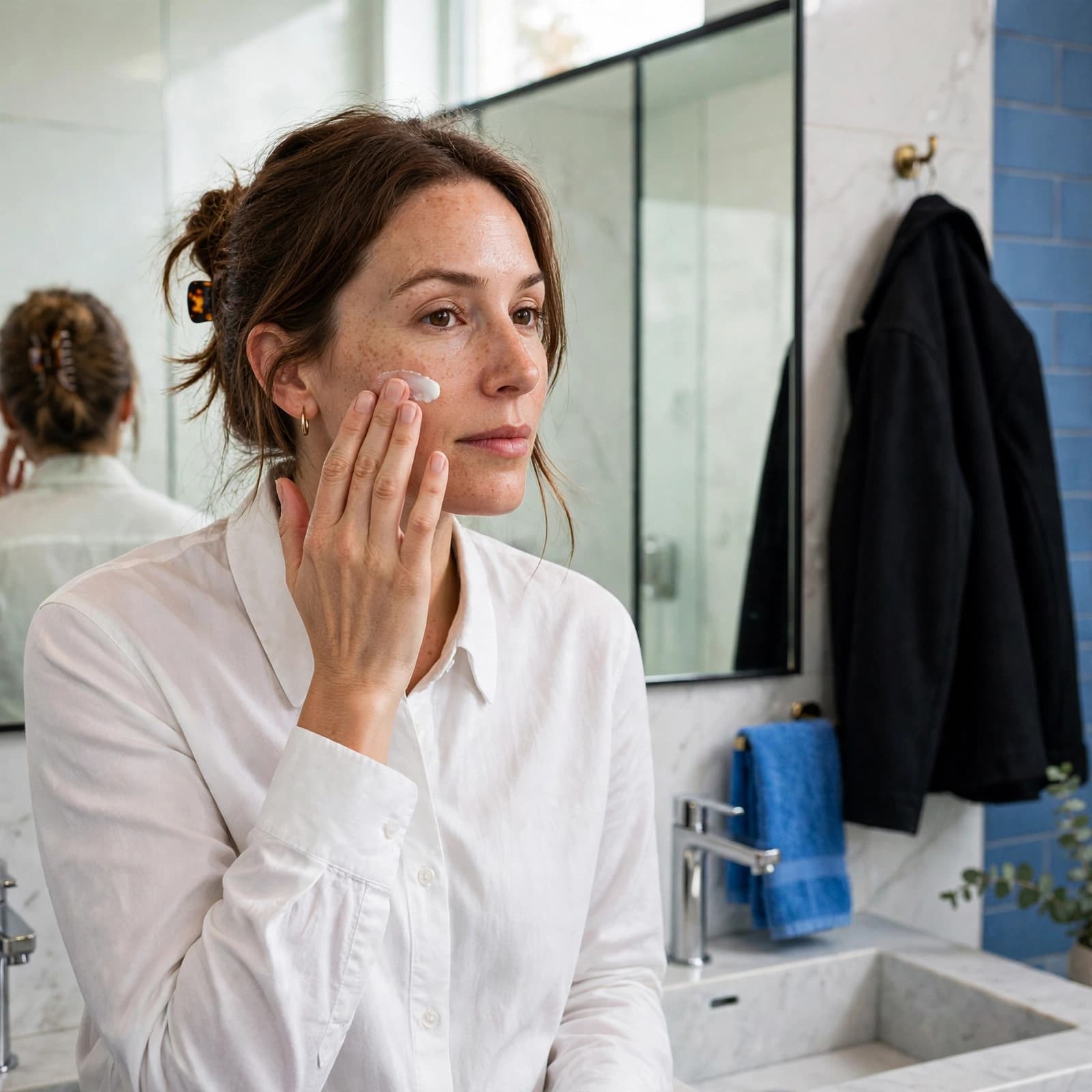
Match your moisturiser to your skin and daily routine
Dry skin can affect sensitive areas, and different parts of the body can behave differently. Hydration levels and needs can vary by skin type; even oily skin or combination skin can have dry skin in some areas. Choose around your routine rather than assuming one texture must suit every situation.
Adjust the texture for your face, hands and body
A face moisturiser with a lightweight texture may feel more comfortable beneath make-up or sunscreen. Choose a day cream or night cream for its feel, not the time on the label. Check whether it leaves a tacky surface, excess shine or little rolls of product when layered.
Hands, shins and other very dry areas may benefit from something richer. However, hand cream also needs to work around everyday tasks: a slippery finish can be inconvenient before using your phone.
You don’t automatically need a separate facial product. Buy one if its texture, ingredients or finish work better for you. For body use, consider how easily the formula spreads and whether it feels comfortable beneath clothing.
Consider sensitivity, weather and other skin products
Cold weather, indoor heating and frequent hand-washing can leave skin feeling drier. Strong cleansers and hot water can add to that discomfort, so review what happens before you moisturise.
When skin feels irritated, keep your skin care routine simple, particularly if you have sensitive skin. Avoid introducing several new products together, as this makes it harder to identify the cause of a reaction and may unsettle your skin barrier.
If you shave, use gentle pressure when applying moisturiser afterwards. An alcohol-heavy aftershave may sting or worsen dryness, but shaving advice isn’t relevant to everyone’s routine.
People with eczema or persistent irritation may need tailored advice from a pharmacist or GP. A cosmetic buying guide can’t determine the cause of ongoing symptoms.
How to shop online and compare moisturisers with confidence
Online shopping makes it easier to compare face moisturiser formulas, selection and pack sizes side by side. It can offer a wider choice and competitive prices, although online prices aren’t always lower.
The main limitation is texture: photographs can’t show how a cream feels or whether it sits comfortably on dry skin.
Compare ingredients, size and value before you buy
Compare the exact formula, intended use and pack size before comparing prices. Similar names can describe different products, so check the format and full ingredient list, including any niacinamide or vitamin E.
Use cost per 100 ml or 100 g rather than the headline price. Compare like-for-like units, and include delivery charges when judging the total cost.
Packaging matters too. A pump may be convenient beside the sink, whilst a tube is easier to carry. With a jar, use clean hands and follow storage instructions.
Finally, check whether the formula is fragrance-free, review ingredient information and read the return terms. Opened cosmetics may have different return conditions, so don’t assume you can return a formula after trying it.

Use reviews carefully and try a small size first
Look for detailed reviews from people with similar dryness and sensitivity. Notes on lightweight texture, greasiness, scent strength, irritation, comfort and reported hydration levels are more useful than a star rating alone.
Treat extreme praise and complaints cautiously. Reviews describe individual experiences; they aren’t medical evidence or a guarantee that you’ll respond similarly.
Where available, try a sample or smaller size before buying a large container. It may cost more per millilitre, but it limits waste if you dislike the texture. A multipack only offers good value once you know the formula suits you.
Apply moisturiser well and know when to seek advice
How you apply a moisturiser for dry skin affects everyday comfort. Gentle handling and regular use can support the skin barrier, though comfort and perceived hydration levels vary.
Use a simple routine for longer-lasting comfort
After washing, pat away excess water and apply moisturiser whilst your skin is slightly damp. Smooth it on gently rather than scrubbing flaky areas.
Follow the product directions for quantity. If the finish feels greasy, try less or consider a lighter texture rather than abandoning moisturising altogether.
For exposed skin in the morning, apply a separate sunscreen as directed, with SPF 30 or higher and good UVA protection. Ordinary moisturiser doesn’t provide SPF protection.
Moisturiser residue on clothing and bedding can increase their flammability. Keep affected fabrics away from cigarettes and naked flames.
If several products roll or pill when layered, simplify the routine and review how much you’re applying.
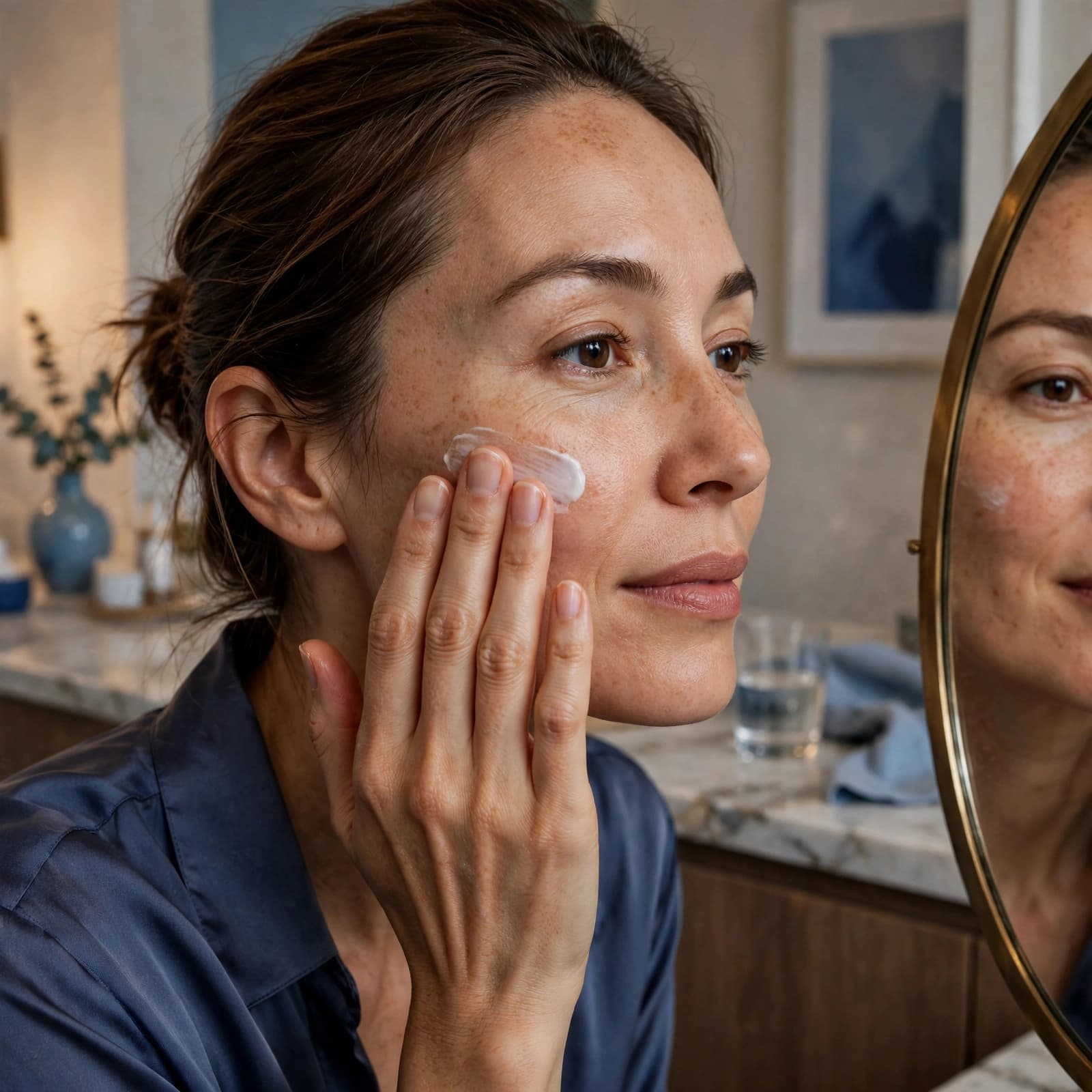
Spot signs that call for professional guidance
Ongoing severe dryness, painful cracks, bleeding, swelling or a rash that doesn’t improve needs professional advice. Speak to a pharmacist or GP, particularly if symptoms worsen despite a gentle routine.
If a new product triggers irritation, stop using it. Keep the packaging or ingredient list so you can explain what you applied and when the reaction began.
Don’t repeatedly add stronger products to skin that’s already uncomfortable. Dryness can have several causes, and buying another cream won’t establish which one applies to you.
Sudden swelling of the lips or tongue, or difficulty breathing, needs emergency help: call 999. These symptoms require a different response from ordinary tightness or mild flaking.
Frequently Asked Questions
How often should I use moisturiser for dry skin?
For dry skin, follow the product directions and apply when your skin feels dry. There’s no schedule that suits everyone. A moisturiser containing glycerin may be one option to consider. Applying after washing is often helpful, particularly for hands. If you need increasingly frequent applications but remain uncomfortable, ask a pharmacist, GP or dermatologist for advice.
Is a fragrance-free moisturiser better for dry skin?
A fragrance-free product is a sensible starting point for sensitive skin, but it isn’t a universal requirement. “Unscented” doesn’t always mean fragrance-free, as a formula may contain ingredients to mask its smell. Check the ingredient list for known triggers, even when the front label sounds reassuring.
Can I use body moisturiser on my face?
Some body moisturisers work comfortably on facial skin, whilst others may not suit your skin type or feel right as a face moisturiser. Check the label, including any restrictions around the eyes, rather than assuming all-over use is appropriate. Try a small area first and stop if irritation occurs. Comfort matters more than the product category.
Should I choose a cream or an ointment?
Creams are often easier to spread and more convenient for everyday use. Ointments generally contain less water and leave a richer surface film, which may suit patches of very dry skin. A lightweight texture may be more comfortable for regular use. Labels may list ingredients such as squalane, niacinamide or vitamin E, but their presence doesn’t guarantee a particular result. Choose a texture you’re comfortable using, and change it if the finish makes regular application difficult.
Choose for comfort, then check the value
A useful moisturiser for dry skin suits the level of dryness and the area you’re caring for. Check ingredients for known triggers, then choose a texture, such as a lightweight texture, that fits your day and supports your skin barrier.
Judge value by what you’ll use, alongside the unit price, and how comfortable it feels at your preferred hydration levels. Apply gently to slightly damp skin, and seek professional advice when dry skin is severe, painful or persistent.
For your next purchase, compare the labels of a few suitable formulas. If you’re unsure about the finish, try a small size before committing to a larger container.