A gradual tanner is worth buying if you want a subtle glow and don’t mind applying it more than once. Colour builds over time into a natural-looking tan. The result can be a sun-kissed glow, but it depends on the formula and how carefully you use it. Rush the application, and dry patches or streaks can show up before you’ve reached your preferred shade.
Unlike a wash-off bronzer, gradual colour develops on your skin over time, creating a gradual tan, but it offers no sun protection. The right buy also depends on your skin, your routine and the total cost of keeping the colour topped up. Start by deciding what kind of result you want.
Key Takeaways
- A gradual tan builds colour over repeated applications, giving you more control than many stronger self-tans.
- Lotions suit larger areas; drops and mists need closer attention to their individual instructions.
- Light application, careful blending and patience between layers help create an even result and a subtle glow.
- Compare ingredients, pack size, delivery costs and price history when buying online.
- A tanned appearance never replaces sunscreen or sensible sun protection.
What a gradual tanner does, and who it suits
Most formulas pair a moisturising base, such as a tanning lotion, with an ingredient such as dihydroxyacetone, usually called DHA. It reacts with the outermost layer of skin to create a temporary brown colour. As those skin cells shed, the colour fades.
That makes this option useful when you want to control the depth of your tan. The colour of a gradual tan depends on the formula, your skin and how often you apply it. It won’t create a permanent tan, and darker-looking skin still needs protection from UV rays.
How gradual colour differs from instant bronzer and self-tan
An instant bronzer adds visible colour as you apply it and generally washes away. A gradual tanning moisturiser develops colour over time, usually through repeated applications. Conventional self tan often gives a stronger result after one application, although it still needs careful blending.
With a gradual formula, you can assess the colour before building it further. That control is appealing if you dislike a dramatic change overnight. The trade-off is time: a deeper shade may take several applications and ongoing upkeep.
Who may prefer a gradual formula
First-time tanners often find a lighter build less daunting. It also suits anyone who wants a soft glow rather than a pronounced tan, or prefers to top up colour a little at a time.
If your skin is sensitive or reactive, check the full ingredient list and consider your skin type. Review the active ingredients, and note that fragrance or vitamin E can cause problems for some people. Patch test as the label directs, and don’t apply tanner to skin that’s already irritated.
How to choose a self-tan product for your skin and routine
The right product should suit the areas you’re treating and the time you have to apply it. Look beyond the shade name: texture, drying guidance and pack size all affect how pleasant it is to use.
Choose between lotions, drops and other formats
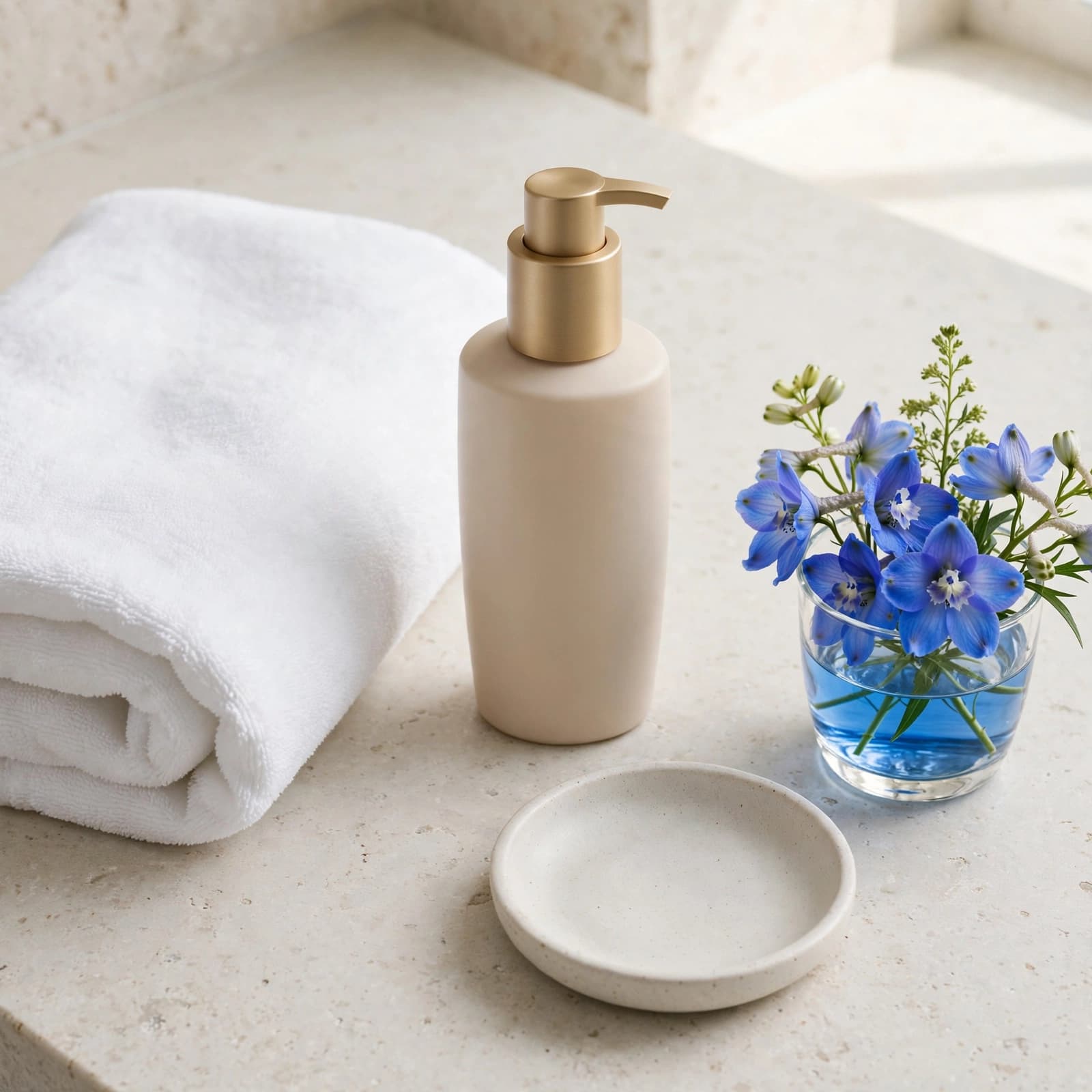
A tanning lotion is straightforward to spread across arms and legs. It can help you build a gradual tan. Its moisturising texture can suit regular use, although a rich formula may take longer to dry. A pump or squeezable tube can also make dispensing less messy.
Tanning drops are often designed to mix with a separate moisturiser. Check the stated number of drops and whether the product is intended for your face, body or both. Don’t mix them with a night cream or facial oil unless the product directions allow it. Mists and other spray formats may feel light, but it’s harder to see whether you’ve covered every area evenly. No format guarantees a streak-free result, so follow the product’s directions.
Match the shade, ingredients and finish to your needs
Fair, medium and deeper shade labels are starting points, not guarantees. Read the instructions and look for realistic user photos across skin tones when shopping online. Photos taken under flattering lighting can hide patchiness, so read recent written feedback too.
Some formulas contain ingredients such as glycerin, hyaluronic acid or vitamin e. These examples don’t guarantee a hydrating feel or that a formula will suit your skin. Others add fragrance to mask the distinctive smell that can develop as DHA works. Fragrance-free and natural-sounding claims don’t guarantee suitability either. Check the ingredient list and patch-test guidance, particularly if you’ve reacted to cosmetics before.
Also consider the finish. A tinted lotion helps you see where you’ve applied it, but may transfer more visibly before it dries. An untinted formula can be less obvious during application, so you’ll need to blend methodically.
Compare online prices and the full value
Shopping online makes it easier to compare formats, pack sizes and feedback without settling for the first bottle you see. Compare a tanning lotion’s price per millilitre or gram, then add delivery charges before judging a deal. A cheaper-looking tube may simply contain less product.
Check returns information before ordering, especially if you’re buying an unfamiliar formula. When comparing options such as tan-luxe, recent reviews may reveal concerns about scent, drying time or dispensing. Price history can show whether a discount is short-lived. The best value is a product you’ll use consistently, not the lowest price on the page.
How to apply it for an even, natural-looking result
Give yourself enough time to apply the product without rushing to get dressed. Read the label first, including its advice on preparation, drying and when to reapply. Build a gradual tan with a light first layer, as an overly dark result is harder to correct.
Prepare dry areas and apply in light, even layers
Start with clean, dry skin. If it suits your skin, gently exfoliate beforehand to remove rough, flaky patches. Avoid scrubbing irritated areas. Pay attention to elbows, knees and ankles, where dryness can make colour appear darker.
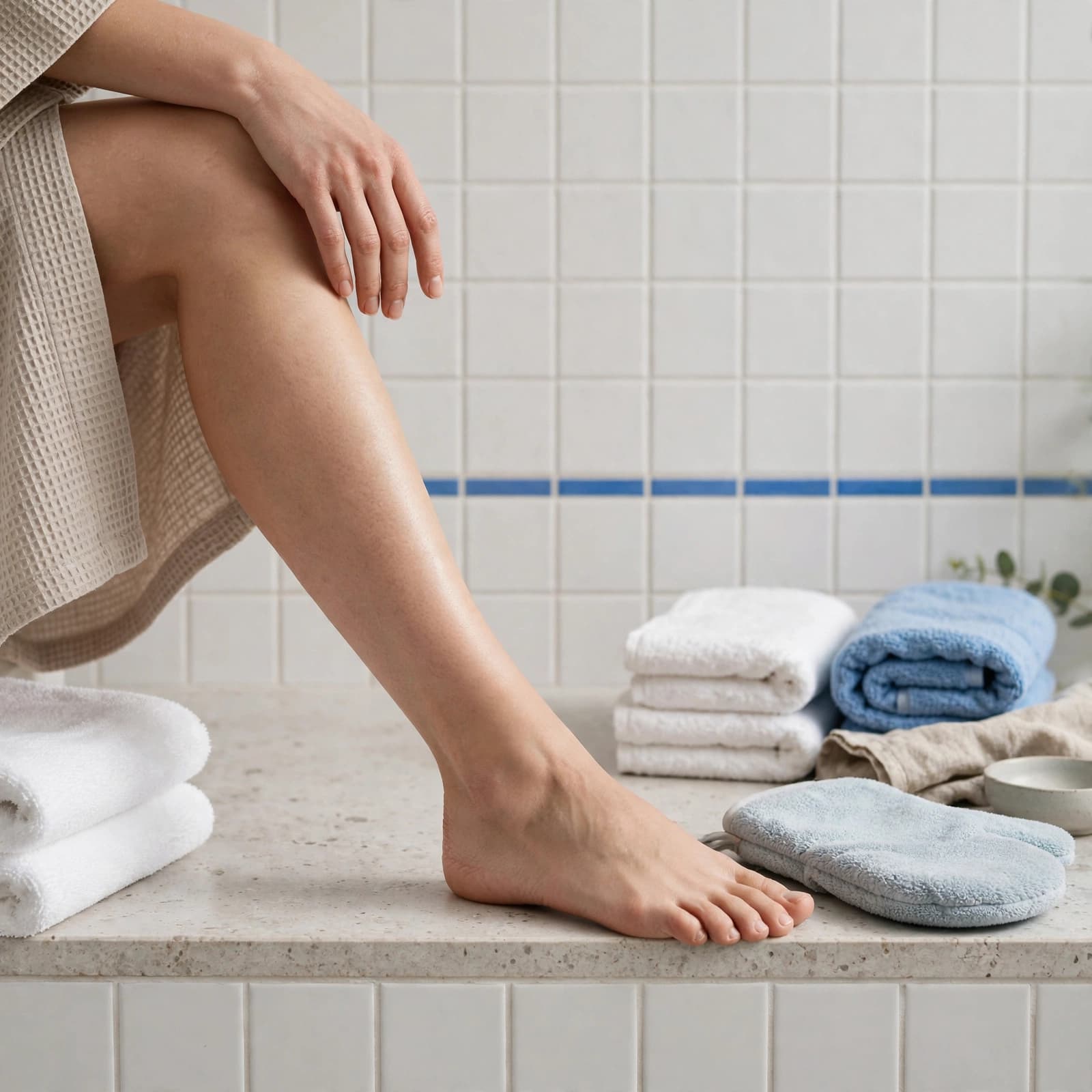
Work across one area at a time, spreading a modest amount of tanning lotion evenly. Use less on dry joints, then blend carefully around wrists, ankles and, if the product is suitable for the face, the hairline. Keep it away from your eyes and lips. Don’t apply it to broken or irritated skin.
Careful blending can reduce the risk of uneven patches and help create a streak-free, natural-looking tan, though it can’t guarantee an even finish.
Wash your hands thoroughly afterwards, including between the fingers, unless the label gives different instructions for a tanning mitt. Let the product dry for the stated time before dressing.
Build colour slowly and look after the result
Follow the recommended wait time and reapplication schedule. Colour can continue to develop after the lotion stops feeling damp, so allow the full development time before assessing the finished result. Applying more too soon makes it harder to judge how dark the tan will become.
Once you’re happy with the shade, follow the product directions to maintain it. Regular use of a moisturiser or body lotion, if the label allows, can keep your skin comfortable and may help the colour fade more evenly. How long it lasts varies with your skin, bathing habits and the formula.
A dry lotion isn’t necessarily a fully developed tan. Wait for the label’s stated development period before deciding whether you need another layer.
Fix streaks, patchiness and other common issues
If one area looks uneven, let the colour finish developing before you try to fix it. Gentle washing and moisturising can soften the look of uneven patches as the colour fades; aggressive scrubbing may irritate your skin. Next time, use less product on rough areas and blend their edges more thoroughly for a more streak-free result.
For a result that’s too subtle, add another light layer according to the instructions. If product transfers onto clothing, allow more drying time and choose loose, darker clothes during development. Stop using the tanner if irritation occurs, and wash it off if the directions advise this. Seek advice from a pharmacist or GP for a serious or persistent reaction.
Is a gradual tanning product worth buying compared with other options?
For a soft, adjustable colour at home, this option earns a conditional recommendation. It’s worth the money when you’ll use it regularly enough to build and maintain the shade. If you need a deep result for tomorrow, another option will suit you better.
The main benefits and drawbacks to weigh up
- You can build colour in stages, and a tanning lotion may combine tanning with the moisturising step already in your routine.
- Building colour takes time with each application. Streaks, an unwanted scent or skin irritation remain possible, and the colour offers no UV protection.
Value depends on how much product you use each time. A larger bottle can work out cheaper per millilitre, but only if you like the formula enough to finish it. Packaging matters too: a dispenser you can control helps you avoid waste and use a consistent amount. Check the label before making it part of daily use, as not every formula is intended for that frequency.
When another tanning option may suit you better
Instant bronzer is a temporary fake tan option for a one-off event when you want colour that washes off. A stronger self tan makes more sense if you’d prefer deeper colour with fewer build-up stages, though application mistakes can be more obvious.
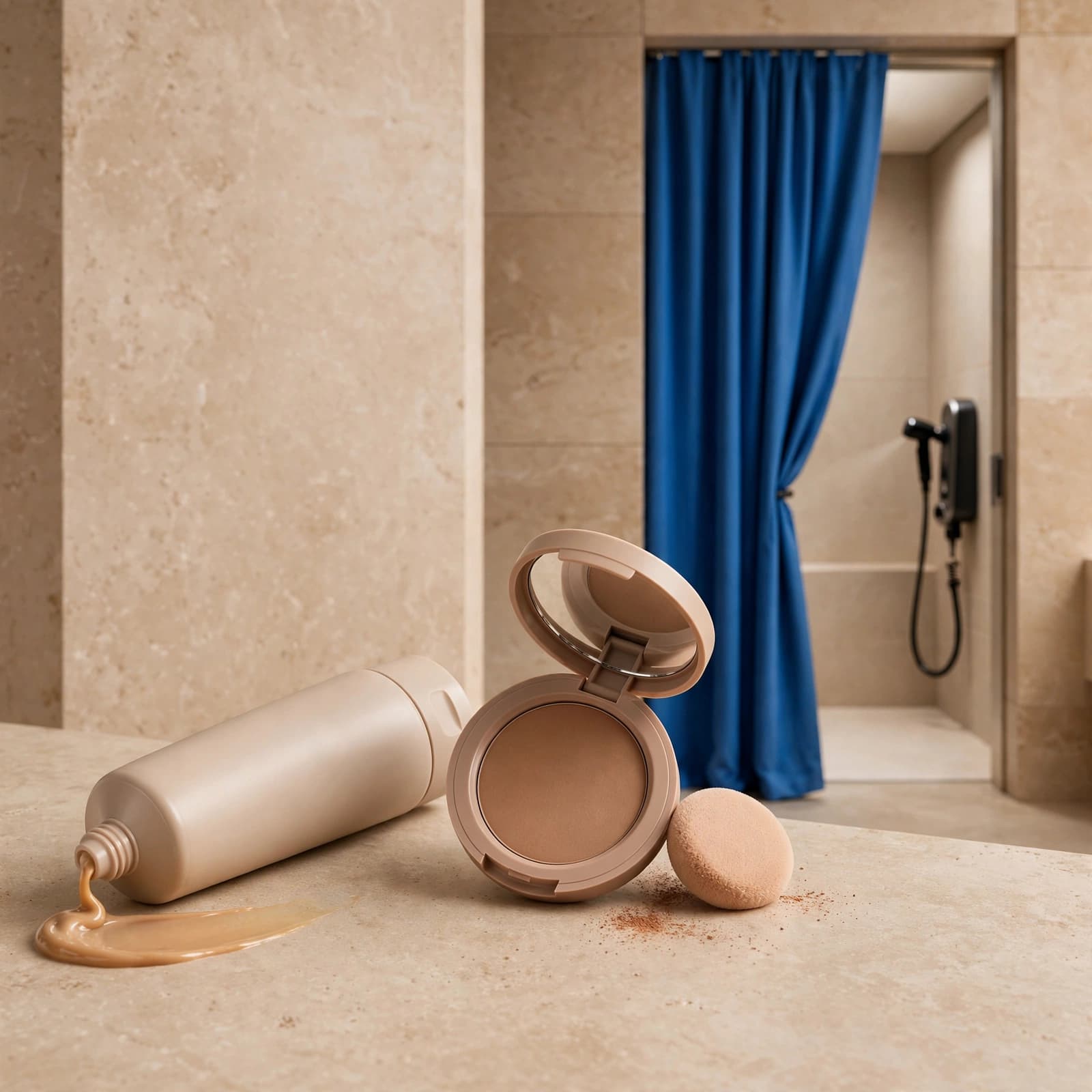
A professional spray tan removes the need to apply the colour yourself, but costs more per visit and still needs aftercare. None of these options protects you from the sun. Choose according to the finish you want, your budget and the time you’re willing to spend.
Buy it if you want a low-pressure routine
Buy it if you want a subtle glow and can spare time for even application and gradual upkeep. Skip it if you need immediate, deep colour or want a completely maintenance-free result.
Frequently Asked Questions
How often should you apply it?
Follow the frequency on the product label, as formulas differ. Assess the developed colour between applications, then decide whether you want another layer. Adding more too quickly can leave you darker than intended.
Can you use it on your face?
Only use it on your face if the label says it’s suitable for that area. Apply sparingly, avoid your eyes and lips, and blend at the hairline. Don’t mix it into skincare, such as a night cream, unless the label specifically permits this. Patch test first, particularly if your facial skin is sensitive.
Can it replace sunscreen?
No. The colour doesn’t protect your skin from UV rays, even when it looks like a natural tan. Outdoors, use suitable broad-spectrum sunscreen and follow UK sun-safety advice, including seeking shade when the sun is strong.
Will it stain clothes or bedding?
Transfer can happen before the product has fully dried, especially against pale or close-fitting fabrics. Follow the label’s drying guidance before dressing or going to bed. Loose, darker clothing can be a practical choice whilst the colour develops.
What should you do if it irritates your skin?
Stop using it and follow any wash-off instructions on the pack. Don’t apply another layer to test whether the reaction settles. Ask a pharmacist or GP for advice if symptoms are severe, worsening or persistent.
Choose the colour you can maintain
A suitable gradual tan gives you control over subtle, buildable colour, helping you achieve a natural-looking tan. The best result comes from choosing a formula that suits your skin, applying it carefully and allowing each layer to develop.
Before buying online, compare ingredients, directions, pack size and total delivered cost. Choose a finish and upkeep that fit your routine, follow the application instructions, and use sun protection regardless of how tanned your skin looks.