Quick verdict: Plus size swim suits are worth buying when the fit feels secure in motion, the fabric recovers well, and the style suits how you actually plan to swim or relax.
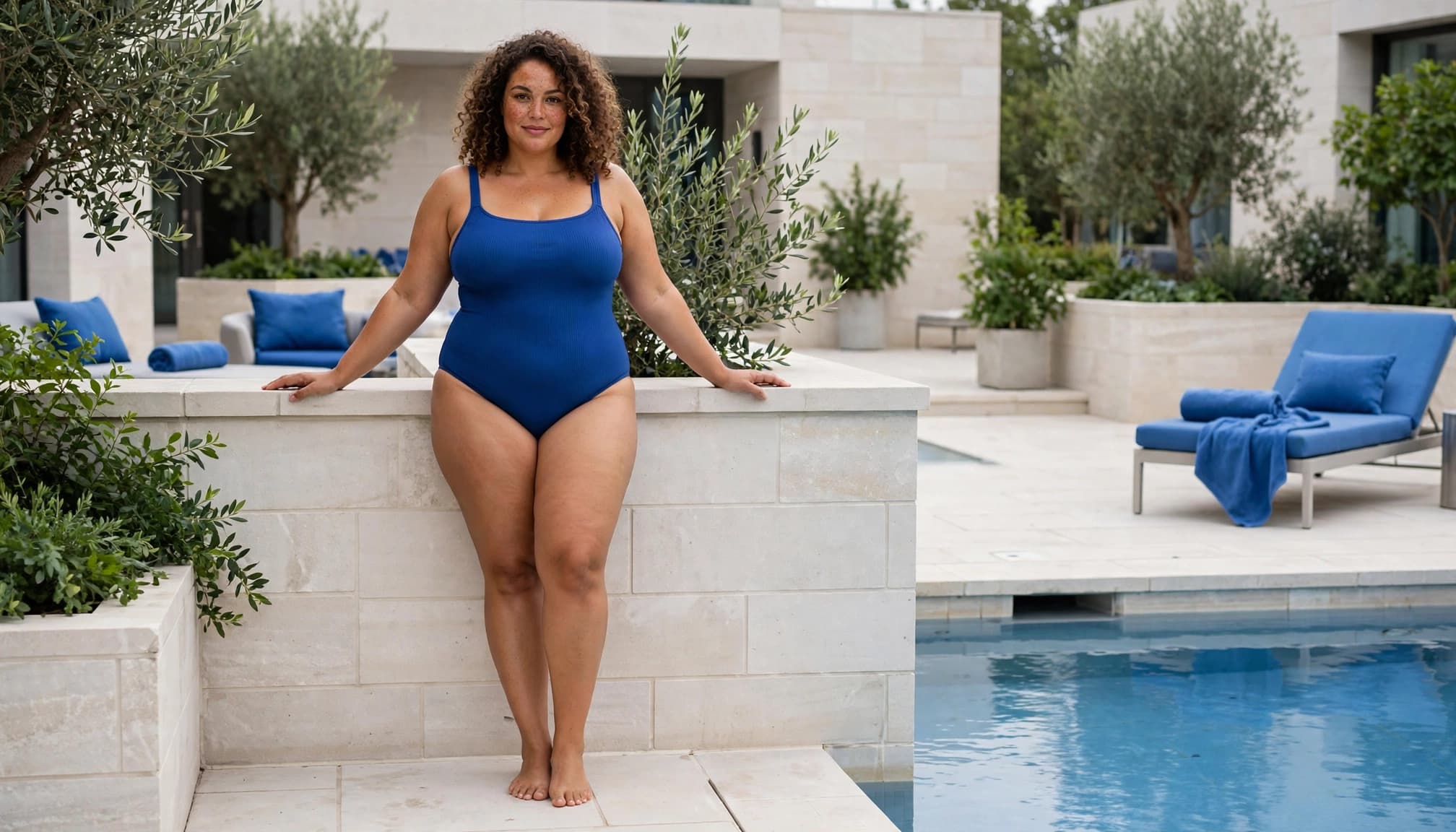
Choosing plus-size swimsuits should be about support, comfort and your intended activity, not outdated body rules. Look for a style that supports your bust, sits comfortably across your torso and offers the coverage you prefer.
When buying plus size swim suits online, accurate measurements and a clear returns policy matter more than the number on the label. Use this guide to compare shapes, assess quality, shop with confidence and keep a good swimsuit in wearable condition.
Key Takeaways
- Choose a style around your activity, coverage preference and bust support needs. Swim shorts can offer extra leg coverage for active swimming.
- Measure your bust, underbust, waist, hips and torso before using any size chart.
- Look for adjustable straps, supportive lining, secure seams and opaque stretch fabric. A ruched front is an optional styling or shaping detail.
- Online shopping offers wider choice and easier price comparisons, but return terms matter.
- Rinse swimwear after use and avoid heat to protect its stretch and colour.
Which Swimwear Styles Suit Different Needs?
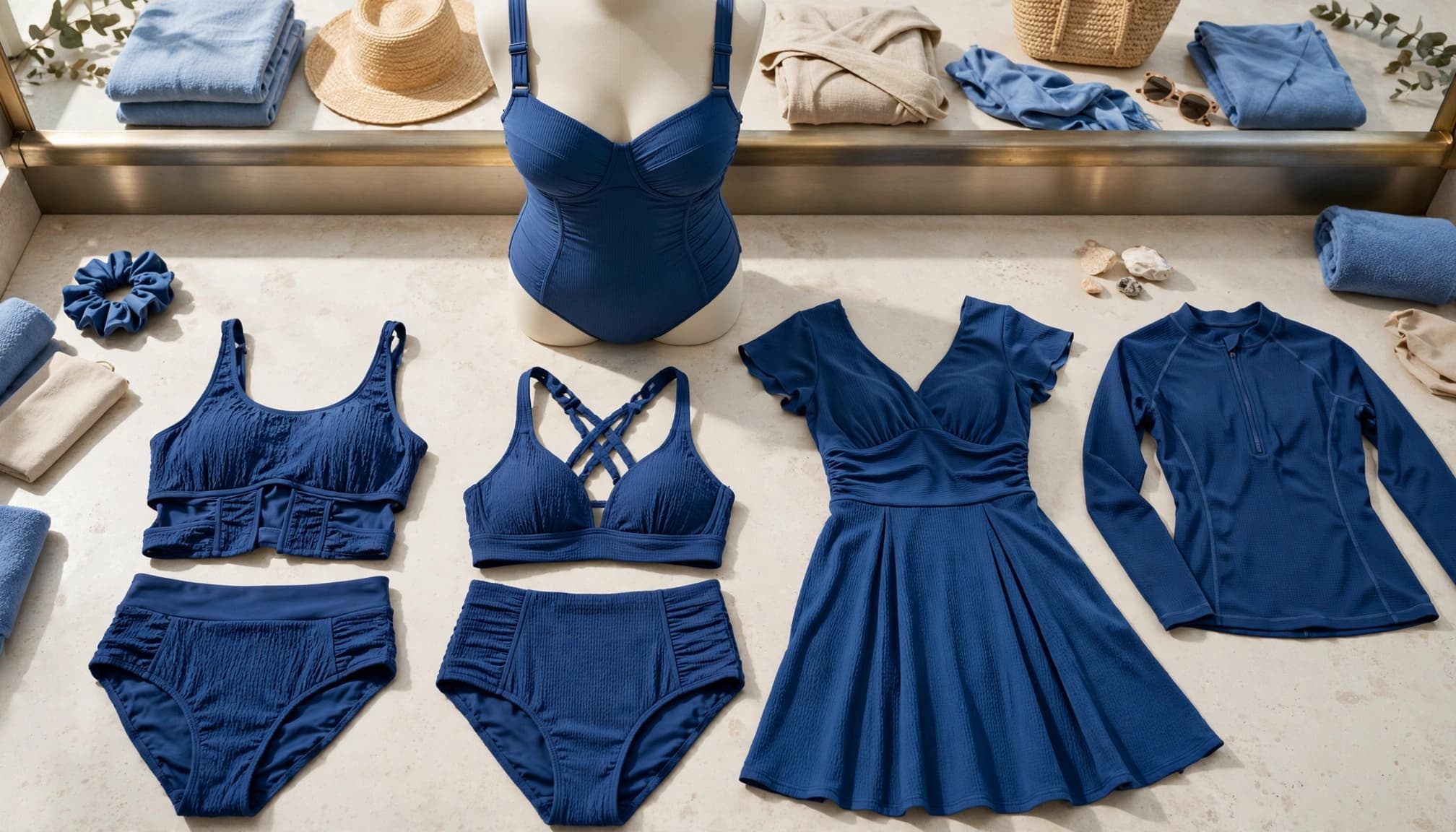
Among plus-size swimsuits, one-piece styles can feel contained and secure, while a tankini top makes it easier to combine separate sizes. A high waist bikini offers a two-piece look with more midriff coverage. For active days, swim shorts and rash vests can provide practical coverage.
Look beyond the silhouette. Adjustable straps, built-in cups, shelf bras, underwiring, power mesh, a ruched front, bandeau tops, halter necks and plunge necklines can all change how a swimsuit feels and performs. Chlorine-resistant fabric is useful if regular pool swimming is part of your routine.
One-Piece Styles for Support and Easy Coverage
One-piece swimsuits give reliable coverage for pool sessions, beach holidays and relaxed poolside wear. They can also create a secure feel without needing multiple pieces to stay aligned.
Shaping panels should smooth and support, rather than feel painfully tight. A ruched front can add gentle shaping without restricting movement. Check the leg opening, back coverage, neckline height and torso length. A suit that is too short in the body will pull at the shoulders, flatten the bust and ride up when you move.
Tankinis and Two-Piece Styles for Flexible Fit
A tankini top works well when your bust, waist and hips fall across different size ranges. Buying separate pieces can give you a better fit than forcing one size to work everywhere.
Choose higher-rise briefs if you want more coverage around the waist. Check whether the tankini top stays down when you lift your arms or enter the water. A longer tankini needs a secure band or fitted inner layer to avoid floating upwards. A ruched front can also add shape while allowing a little flexibility.
Swimdress and Rash Vests for Extra Protection
A swimdress provides a looser outer layer and longer coverage across the hips and upper thighs. It suits people who prefer a dress-like shape, although a heavy or loose skirt can drag in the water.
Rash vests pair well with swim shorts for swimming, paddleboarding and breezy beaches. They also reduce skin exposure, but swim fabric is never a replacement for broad-spectrum sunscreen.
How to Choose Swim Suits That Fit Properly
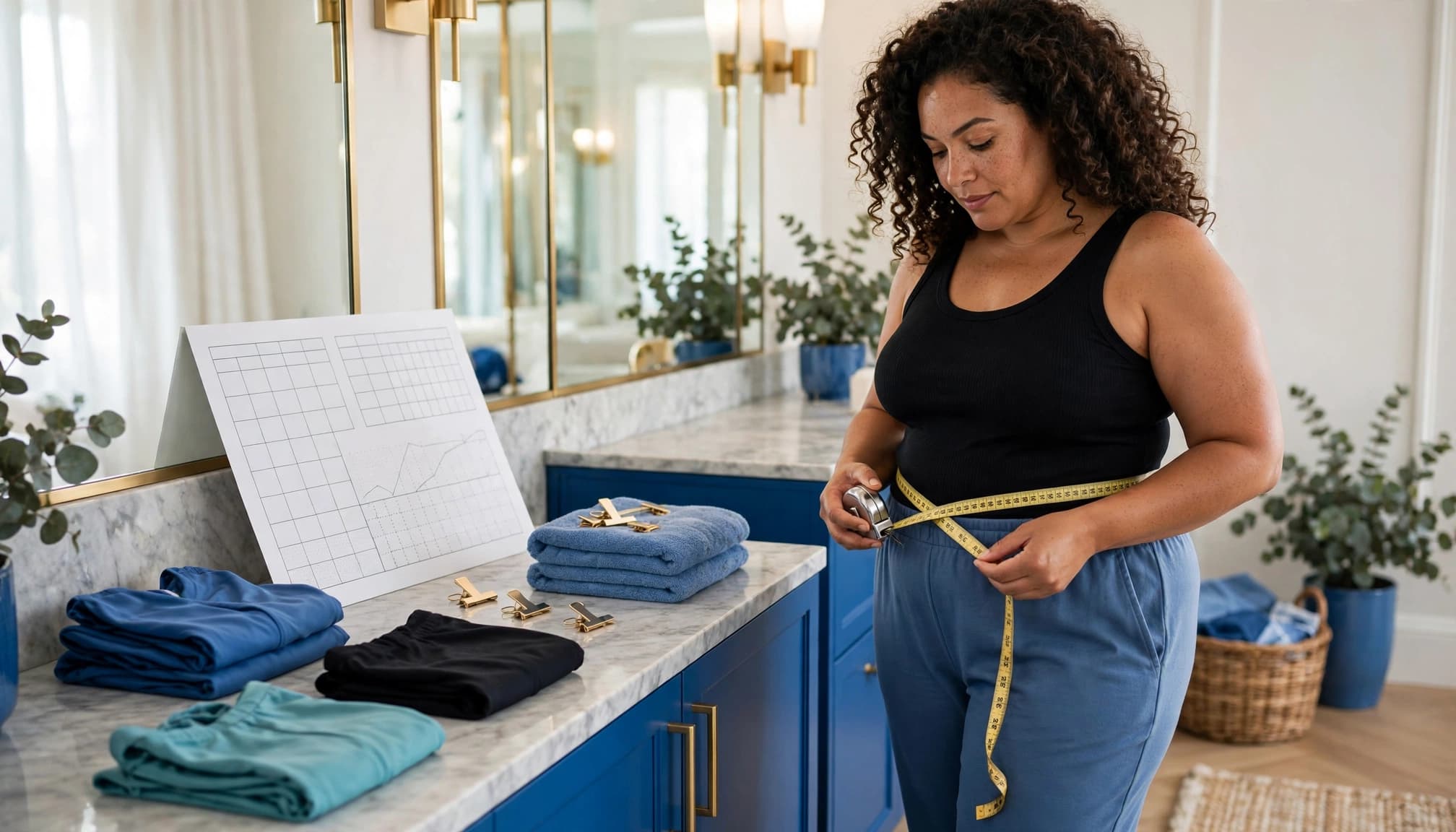
Start with a flexible tape measure. Measure around the fullest part of your bust, directly under the bust, your natural waist and the fullest part of your hips. For a tankini top, check the bust measurement against the brand’s size chart.
For one-pieces, measure your torso from shoulder, through the legs and back to the shoulder. Keep the tape level and close to the body, without pulling it tight. UK clothing sizes vary between makers, so a familiar high-street size is only a starting point.
A good swimsuit sits flat at the seams, stays opaque when stretched and does not dig into the thighs. Any ruched front should gather evenly without pulling. You should be able to sit, walk, bend and raise your arms without the bust gaping or the fabric shifting.
Separate bottoms, including swim shorts, should sit comfortably at the waist and hips, with leg openings that don’t cut in. Your tankini top and bottoms may need different sizes, especially if your bust and hip measurements fall into separate size ranges.
A smaller label size is never better if the swimsuit restricts your breathing, rubs your skin or moves out of place.
Size up when the fabric strains, the leg openings cut in, or the straps leave deep marks. Yet a larger size will not fix every problem. If the bust fit is poor or the torso is too short, choose a different cut. Tailoring swimwear is limited because altering stretch fabric can weaken seams and lining.
Support Features to Look For Around the Bust and Waist
Support comes from the whole construction. Wide adjustable straps spread weight more comfortably, while a firm underbust band stops the bust area from relying only on shoulder straps.
Moulded or removable cups can shape the bust, while underwire may offer stronger lift for some wearers. Higher necklines and fuller back coverage also help during active swimming. A ruched front, tummy control panels and power mesh can add gentle shaping, but they should still allow you to breathe, sit and twist freely.
Fabric, Lining and Construction Checks
Most swimwear uses polyamide or polyester blended with elastane. Polyamide often feels soft and smooth, while polyester usually copes better with repeated chlorine exposure. Elastane supplies stretch and recovery, although it can deteriorate faster with heat, salt and sunscreen residue.
Check for full lining, reinforced seams and secure clasps. Hold the fabric to the light and stretch it gently. Thin fabric that turns pale or transparent under tension is unlikely to feel dependable when wet.
A Simple Fit Test Before You Keep Your Purchase
Try swimwear on over clean underwear, with all tags and hygiene seals intact. Follow the seller’s return conditions before stepping into water.
Move through a short routine at home:
- Sit on a chair and check the waist, leg openings and bust coverage.
- Lift both arms, bend forward and turn side to side, checking that the tankini top stays secure.
- Walk briskly and check for rolling hems, rubbing straps or shifting cups. For swim shorts, check that the waistband and leg openings stay in place.
- Inspect the back in a mirror for gaping or coverage that changes as you move. Check that the ruched front remains comfortable and even.
Comfort is the clearest fit test. If you spend the whole time adjusting the suit, it is not the right one.
How to Shop Online for Swimwear with Confidence
Online shopping gives you access to broader size ranges, more colours and more specialist cuts than a single shop floor can hold. It also makes price comparison easier when choosing plus-size swimwear with better lining or stronger support.
Still, photos can hide thin fabric, and sizing can vary sharply between brands. UK size charts also differ across plus-size clothing ranges. Set a budget first, take your measurements and read the full description. Check whether a tankini top has adjustable straps and whether swim shorts have a secure waistband. Product photographs can reveal construction details such as a ruched front. Before paying, confirm delivery costs, the returns period, hygiene rules and return postage charges.
Keep the order confirmation and product page details until you have checked the fit. Reviews are most useful when they discuss bust support, strap comfort, fabric opacity and size accuracy. Look for comments on a tankini top or swim shorts, including how each held up after swimming.
How Much Should You Spend on a Good Swimsuit?
Value depends on fit and construction, not a fixed price. A higher price can be justified by full lining, durable stitching, adjustable support, reliable fabric recovery and chlorine resistance.
A lower-cost suit can still be good value if it fits well and meets your needs. Compare prices, watch seasonal sales and consider cost per wear. However, a bargain is poor value if the fabric sags after a few pool sessions.
How to Read Product Reviews and Returns Information
Useful reviews state the reviewer’s measurements, usual size, chosen size and intended activity. Vague comments about an item being “nice” tell you little about whether it will stay supportive in the water.
Check whether reviewers bought the same cut and colour, particularly when comparing a ruched front. Fabrics and fits can differ, even within one range. Only order when hygiene seals, unworn conditions and return costs are explained clearly.
Comfort, Style and Long-Term Value Beyond the Fitting Room
Choose colours and prints because you enjoy them. Solid shades can be easy to rewear, contrast panels can create a graphic look, and bold prints can feel playful. None of these choices need to follow supposed rules about body shape.
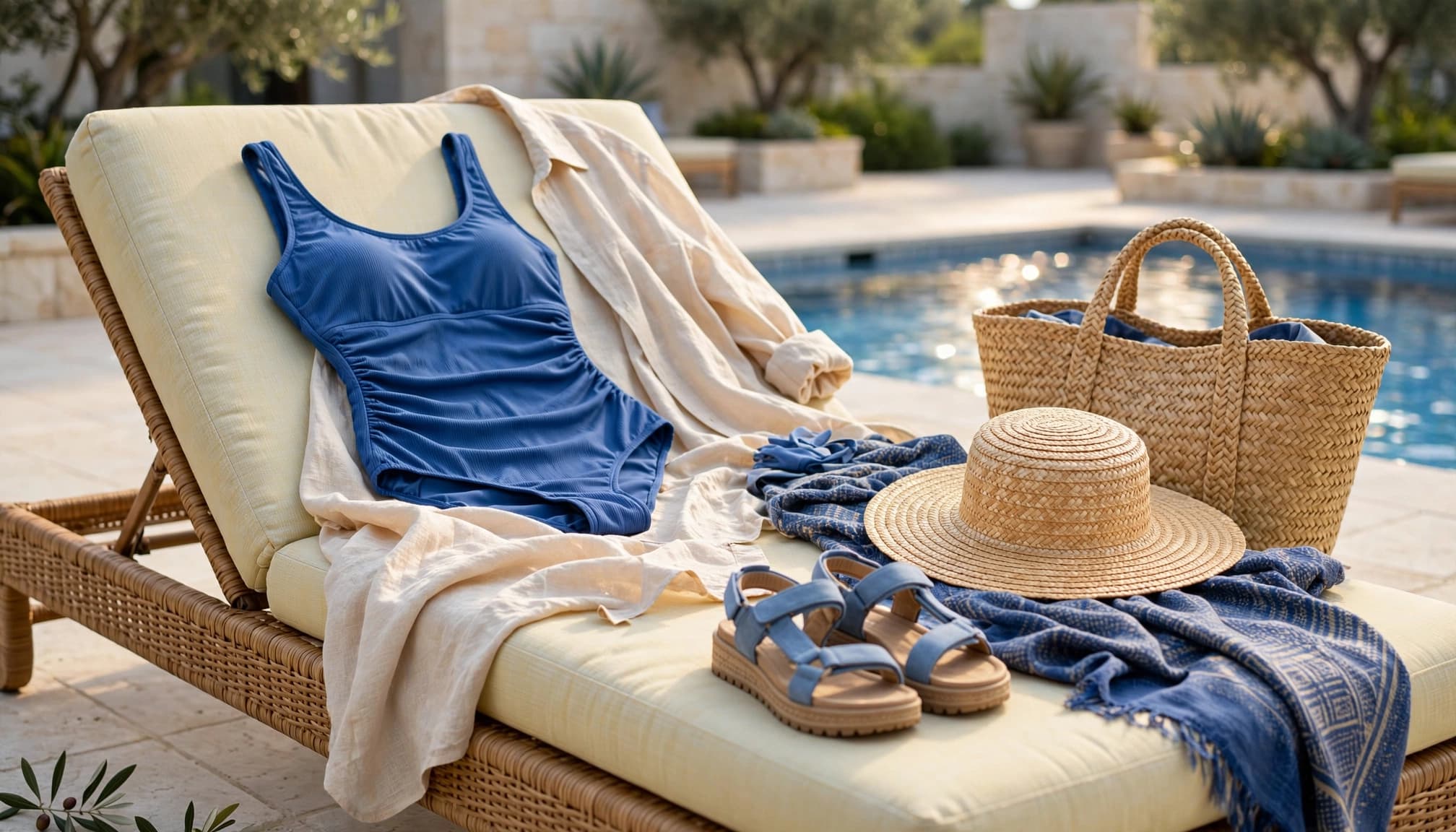
For poolside time, add lightweight beachwear such as a shirt, kaftan or sarong. Wide-leg trousers work well for walking to lunch, while a sun hat, supportive sandals and a large beach bag make the outfit practical. For swimming lengths, choose a more streamlined suit with firm straps and minimal loose fabric, or swim shorts for active sessions.
Choosing Colours, Prints and Cover-Ups You Will Rewear
A cover-up should make changing locations easier, whether you are moving between the beach, a cafe and your accommodation. It can also offer useful sun protection when you are out of the water.
Choose one that works with more than one swimsuit. A tankini top with swim shorts can work for the pool, beach and nearby lunch. A breathable shirt, wrap sarong or swimdress may also offer more use than a complicated beach-only layer.
Pros and Cons of Popular Support Features
Tummy control panels can create a smoother feel, although they shouldn’t feel restrictive on long days. A ruched front can change the feel or appearance of a suit, but it won’t produce the same result for everyone.
Underwire can improve bust support but may rub if the wire sits in the wrong place. Removable cups offer flexibility, yet they can shift after washing. Swim skirts and swim shorts add coverage, but loose fabric can move in the water. A tankini top can provide useful coverage, although its fit still depends on the straps and bust support. Match these features to your comfort and activity, rather than buying them by default.
Care Steps That Help Swimwear Keep Its Shape
Rinse your swimsuit promptly in cool water after swimming. Then wash gently according to the care label, without fabric conditioner or harsh chemicals.
Avoid tumble drying and direct heat. Dry the suit flat or hang it from a sturdy area, then store it only when fully dry. Salt, chlorine, sunscreen and rough pool edges can all shorten the life of stretch fabric, so rotating between two swimsuits helps.
Frequently Asked Questions
What is the most supportive swimsuit for a larger bust?
Look for wide adjustable straps, a firm underbust band, secure cups, a higher neckline and adequate back coverage. Underwire or a structured shelf bra can also help. The most supportive option depends on your measurements and the cut, not whether it’s a one-piece or bikini.
Should I choose a swimsuit with tummy control?
Tummy control is optional. It should feel comfortably supportive, not restrictive when you sit or move. A structured lining often gives enough hold without extreme compression.
How can I stop swimsuit straps from slipping?
First, adjust the straps so they sit firmly without digging in. Persistent slipping can indicate that the bust area, back design or underbust fit is wrong. Avoid over-tightening straps, because that can cause shoulder discomfort without improving support.
Are tankinis a good choice for fuller figures?
Tankinis offer flexible sizing, easier toilet breaks and adjustable coverage. They work particularly well when you need a different size on top and bottom. Check the hem, lining and support construction so the top doesn’t ride up in the water.
How do I know whether swimwear fabric is see-through?
Check the product details for lining, inspect photographs closely and read reviews that mention opacity. At home, test the material with gentle stretching and movement while preserving hygiene seals and following return rules. The fabric should stay substantial and covered under tension.
Choose Swimwear That Works for You
The strongest plus size swim suits combine secure support, comfortable fabric, suitable coverage and durable construction with a style you genuinely enjoy wearing.
Buy it if your measurements match the size chart, the support features suit your needs, the care requirements are realistic and the return terms are clear. Skip it if sizing is vague, lining is poor, compression feels uncomfortable or the straps and seams feel insecure.
Shop by fit and function, then choose the colour, print and shape that makes you want to get in the water.
Explore our Buyers Guides and Reviews
For a list of our main buyers guides use the drop-down menu at the top of the page. Topics related to this article are:
Explore Our Blog Categories for Expert Buying Advice
- AI Powered Product Finder Tools (26)
- Expert Buying Guides & Shopping Tips for UK Shoppers (1,352)
- Brands & Designer Products (Men, Women & Electronics) (270)
- Designer Fashion Brands: Buyer’s Guides & Reviews (151)
- Electronic Brands: Buyers Guides & Reviews (85)
- Apple Products Buyer’s Guides & Reviews (23)
- Brands – Phones, Laptops, PC”s, Tablets | Buyer’s Guides & Reviews (41)
- Electronics – Tablet & iPad Reviews and Buyers Guides (11)
- Kitchen Appliance Brands: Buyer’s Guides & Reviews (22)
- Laptop Brands & MacBooks Buyer’s Guides & Reviews (9)
- Phone Brands & iPhones Buyer’s Guides & Reviews (22)
- Car Buying & Financing Made Easy | Expert Guides for the UK (89)
- Clothing, Fashion & Accessories Buying Guides UK (447)
- Beauty, Health & Wellness | Perfume, Skincare, Makeup & Wellbeing Guides (163)
- Footwear: Trainers & Shoes Buyers Guides (46)
- Jewellery: Expert Reviews, Trends & Buying Guides (71)
- Men's Clothes — Buyers Guides & Reviews (38)
- Men’s Clothes, Fashion & Accessories Guides UK | Latest Trends & Smart Shopping (155)
- Women's Clothing Buyers Guides — Dresses, Tops & More (170)
- Women’s Clothes, Fashion & Accessories Guides UK | Latest Trends & Smart Shopping (389)
- Electronics, Tech & Gadgets: Reviews, Deals & Buying Guides UK (169)
- Furniture Buyer’s Guides | Home & Garden & Styling Tips (310)
- Bedroom Furniture Guides UK | Expert Tips & Best Value Deals (91)
- Garden Furniture, Landscaping & Garden Rooms Guides UK | Expert Tips & Best Value Deals (156)
- Garden Sofa & Sofa Sets Buyers Guides (10)
- Garden Tables & Chairs: Sets, Individual Tables & Seating Buyers Guides (39)
- Home Furniture, Décor & Interior Design Guides UK | Styling Tips & Inspiration (166)
- Living Room Furniture, Design & Décor Guides UK | Styling Tips & Inspiration (56)
- Sofa & Sofa Beds Buyers Guides (18)
- Sofa Beds Buyers Guides (7)
- Sofa Buyers Guides & Expert Advice (10)
- Holidays & Travel: Hotels, Villas & Flights (157)
- Home & Garden Improvements | Renovations & Outdoor Transformation Guides (99)
- Insurance & Protection: Travel, Landlord, Gadget & More UK (159)
- Gadget Insurance UK | Expert Guides, Reviews & Smart Protection Tips (33)
- Home Emergency Cover UK | Expert Guides, Reviews & Practical Protection Tips (21)
- Landlords Insurance UK | Expert Guides, Reviews & Smart Protection Tips (31)
- Travel Insurance UK | Expert Guides, Reviews & Money-Saving Tips (34)
- Pets: Guides, Tips & Inspiration (26)
- Brands & Designer Products (Men, Women & Electronics) (270)
- Gifts for Everyone: Ideas for Every Occasion & Budget (42)