Quick verdict: 4/5. Bikini Shorts are a practical choice for swimmers who want more coverage, security and comfort than traditional bikini briefs. The best pair depends on fit, fabric and intended use. For UK shoppers comparing women’s swimwear, the strongest options combine opaque lining, reliable stretch and a waistband that stays comfortable in and out of water.
This guide compares cuts, coverage, materials, sizing, online shopping checks, care and value. The first AI-generated illustration shows the main styles side by side, helping you judge the amount of leg and hip coverage before buying.
This post may contain affiliate links. If you make a purchase through these links, I may earn a small commission at no extra cost to you.
Key Takeaways
- This style sits between traditional bikini bottoms and fuller swim shorts for coverage and freedom of movement.
- Measure your waist and hips in centimetres, then follow the brand’s size guide.
- Look for lined, chlorine-resistant fabric with flat seams and a dependable waistband.
- High-waisted and boy-short cuts usually feel more secure for active swimming and beach days.
- Value comes from fit, fabric recovery, care instructions and repeat wear, not price alone.
Swim Bottom Styles: Coverage and Best Uses
These swim bottoms have a short leg, usually covering more of the upper thigh and bottom than conventional bikini bottoms. They remain lighter and less bulky than women’s swim shorts or board shorts, so they work well for pool swimming and holiday wear.
UK listings may describe similar cuts as high-waisted shorts, low-rise swim shorts, boy shorts, ruched shorts, side-tie bottoms or shorts with a built-in brief. Trendy designs can include tie-side bikini bottoms, which allow some adjustment but may be less practical for active swimming.

AI-generated illustration of high-waisted, boy-short and side-tie bikini short silhouettes.
For beach walks, pool holidays and casual paddleboarding, these bottoms provide easy coverage without feeling like athletic kit. Traditional briefs suit those who prefer the lightest feel and minimal tan lines. Overall, bikini bottoms range from minimal briefs to secure shorts, helping shoppers match coverage to their preferred activities.
High-Waisted, Boy-Short and Sporty Cuts
A high-waisted bikini bottom sits at or above the natural waist. This cut can feel secure around the middle and works neatly with crop bikini tops, tankinis and long-sleeved swim tops.
Boy-short styles have a straighter leg and broader coverage across the upper thigh. Sporty cuts often use a firmer waistband and shorter inseam, which can reduce shifting during swimming, water aerobics or paddleboarding.
Longer legs can create more visible tan lines. Choose them when coverage and activity matter more than an even tan. Brazilian bikini bottoms offer less coverage, so they aren’t the closest equivalent if you want a secure short-leg fit.
Fabric, Lining and Details That Affect Comfort
Fabric quality becomes obvious after the first swim. Chlorine-resistant fibres help the garment hold its shape in indoor pools, while quick-drying materials are useful for holidays and changing between the sea and hotel pool. Cotton fabric may feel soft, but it absorbs water and dries slowly, making it less suitable than purpose-made swim fibres.
Look for four-way stretch, soft lining and flat seams. A lined front and secure gusset can prevent the thin, clingy feel that some unlined swimwear develops when wet. Thick waistbands, drawcords and strong stitching also improve stability.
When comparing sustainable materials, check the fibre composition and the specific sustainability claims. Recycled materials don’t automatically guarantee durability, so construction and fabric quality still matter.
Very thin fabric, rough seams and loose elastic can become uncomfortable in water, while unlined swimwear may feel clingy when wet. If UV protection matters, check the product description for a stated rating rather than assuming all garments provide the same protection.
How to Choose Swim Bottoms That Fit Properly
Bikini bottoms should feel close to the body without pinching, digging in or limiting your stride. Swim fabric stretches once wet, so a pair that feels loose in the changing room may shift after a few lengths.
Use a flexible tape measure and compare your measurements with the brand’s Size guide. UK dress size is a useful starting point, but it cannot account for fabric stretch, rise or body type. If you fall between sizes, consider the larger option when the fabric has little elastane, the waistband is firm or you prefer a longer leg.
| Check | How to measure or test | What to look for |
|---|---|---|
| Waist | Measure around your natural waist in cm | A waistband that lies flat without rolling |
| Hips | Measure the fullest part of your hips in cm | Enough room to move without sagging |
| Leg coverage | Measure the preferred length from crotch to thigh | A hem that stays put while walking |
| Movement | Sit, bend, squat and take several steps | No pulling, gaping or restrictive seams |
Try a movement check before removing tags. Sit down, walk, bend and raise one knee at a time. If possible, test the shorts in water before relying on them for a holiday or regular pool session.
A secure fit should feel supported at the waist and legs, not compressed. Swimwear that feels restrictive when dry rarely becomes more comfortable in water.
Swim fabric is difficult to alter without affecting stretch and recovery. Save tailoring for removable cover-ups, such as loose trousers or a beach shirt. Before ordering from an Online shop, always check the hygiene seal, return window and whether the item must remain unworn for a refund.
Use Measurements, Not Guesswork, When Shopping Online
First, measure your natural waist and the fullest part of your hips in centimetres. Keep the tape level and comfortable against the skin. Pulling it tight produces a size choice that is likely to feel too small.
Next, identify whether the chart gives body measurements or garment measurements. A garment waist may be smaller because the fabric is designed to stretch. Product pages should state this clearly.
Customer reviews can fill gaps in the description. Prioritise comments on whether shorts run small, ride up, lose shape or become see-through when wet. General comments about colour or delivery are less useful for fit.
Find the Right Rise, Length and Waistband
Low-rise bikini bottoms sit below the waist and usually pair well with longer bikini tops. Mid-rise cuts offer a balanced fit, while high-rise options provide more coverage and often suit cropped tops.
Short legs feel light and can be easier to dry. Mid-length and longer legs give more upper-thigh coverage, although they may feel warmer on hot days and produce extra tan lines.
Wide waistbands suit active swimming because they spread pressure more evenly. A drawstring is useful for kayaking or paddleboarding, where repeated movement can loosen elastic. Decorative knots and thick ties can add bulk under a cover-up.
Check Coverage and Opacity Before You Buy
These garments often look different in water. Pale colours and unlined fabrics can appear more transparent when wet, particularly under bright sunlight.
Check close-up photographs, fabric composition and lining details. Patterned fabrics, darker shades and double layers can provide more visual coverage, yet they don’t replace a proper fit check. The fabric should remain smooth when stretched across the hips and bottom.
Swim Bottoms for Swimming, Holidays and Active Days
In practical use, a well-made pair should remain comfortable when wet, hold its shape after rinsing and dry without staying heavy for hours. Bikini bottoms work well for pool holidays, relaxed sea swimming and active beach days because they pair easily with different tops. Beach shorts are better kept for dry-land cover rather than pool use.
Match them with a bikini top for a coordinated bikini set, or mix and match separate tops and bottoms to suit your plans. A tankini provides more coverage through the torso, whilst an open beach shirt offers an easy route from poolside to lunch.

AI-generated illustration of a swim bottom outfit for a pool holiday.
Pack a spare pair if you expect to swim daily. Quick-drying fabric is especially useful in the UK, where damp swimwear can stay cool and uncomfortable after an outdoor dip.
What to Look for in Active Swimwear
For lap swimming, kayaking, paddleboarding and water aerobics, choose a secure waistband, flat seams, supportive lining and enough stretch through the hips. A drawcord can help during water sports involving repeated bending or contact with a board.
Loose trims and decorative side ties may catch or shift. For demanding activity, a specialist swim shorts style with a firmer waist and longer leg may be a better choice than a fashion-led option.
Pairing Bikini Bottoms With Tops and Cover-Ups
Matching colours create a tidy set, especially when the bottoms have a high waist and the top has a longer band. Colour options range from versatile neutrals to printed and contrasting combinations, making it easy to create a modern beach look or relaxed holiday style.
Pair the bottoms with a triangle bikini, halter bikini top or bandeau bikini, provided the support and coverage suit your activity. For extra coverage, add a rash vest, long-sleeved swim top, loose shirt, sarong, kaftan or lightweight trousers. Higher waistbands sit smoothly under open shirts, whereas low-rise styles often suit a relaxed beach outfit.
Travel, Pool and Care Considerations
Rinse swimwear in cool water after chlorine or salt water. Then wash it at a low temperature according to the care label, using a gentle detergent.
Avoid bleach, fabric softener and radiators. High heat weakens elastic and can dull colour. Dry the bottoms flat or in shade, because careful care preserves stretch, shape and colour for longer.
Are These Swim Bottoms Worth It? Pros, Cons and Alternatives
Recommendation: Bikini bottoms offer strong value when they combine secure construction, opaque fabric and a fit you will wear repeatedly. They are a flexible middle option between bikini briefs and full athletic swim shorts.
Budget pairs often cost around £15 to £30. Mid-range options commonly sit between £30 and £60, while premium versions may cost £60 or more. Price alone doesn’t prove quality. High quality depends more on construction, fabric recovery and lining than on a low price. Also inspect the size range, care instructions and return terms.
The Main Benefits and Drawbacks
Pros
- They offer extra coverage for swimming, beach walks and poolside wear.
- A well-fitted pair can stay secure during active movement.
- They work with bikini tops, tankinis, rash vests and cover-ups.
- Some wearers find the extra leg coverage reduces chafing on active days.
Cons
- Longer cuts can leave additional tan lines.
- Double-lined designs may feel warmer and dry more slowly.
- An incorrect size can ride up at the leg or roll at the waist.
- Style choices are narrower than those for classic bikini briefs.
Comfort depends on construction and personal preference. A short that feels excellent for lounging may not stay secure during a paddleboarding session.
Bikini Bottoms Compared With Other Swimwear Bottoms
Bikini bottoms are lighter, cooler and better for minimal tan lines. They suit relaxed sunbathing and standard swimming when you prefer less leg coverage.
Swim skirts offer a softer, more dress-like appearance and can suit poolside wear. Swim shorts provide the most leg coverage and are often better for sport, but they may feel bulkier in water.
The style sits comfortably between the two. Tankini bottoms or swim leggings make sense when you want more coverage or need practical protection for longer outdoor sessions.
Value for Money and Better Online Buying Decisions
Judge value by cost per wear, fabric recovery and versatility. Versatile colour options can increase cost per wear, especially when the garment works with several tops.
Buying fewer, better-used pieces can support a more considered approach to sustainable clothing. Check credible material information rather than relying on unsupported environmental claims.
Compare measurements, lining, customer feedback and delivery conditions before placing an order. Buy a second pair only after the first has proved comfortable through a proper swim.
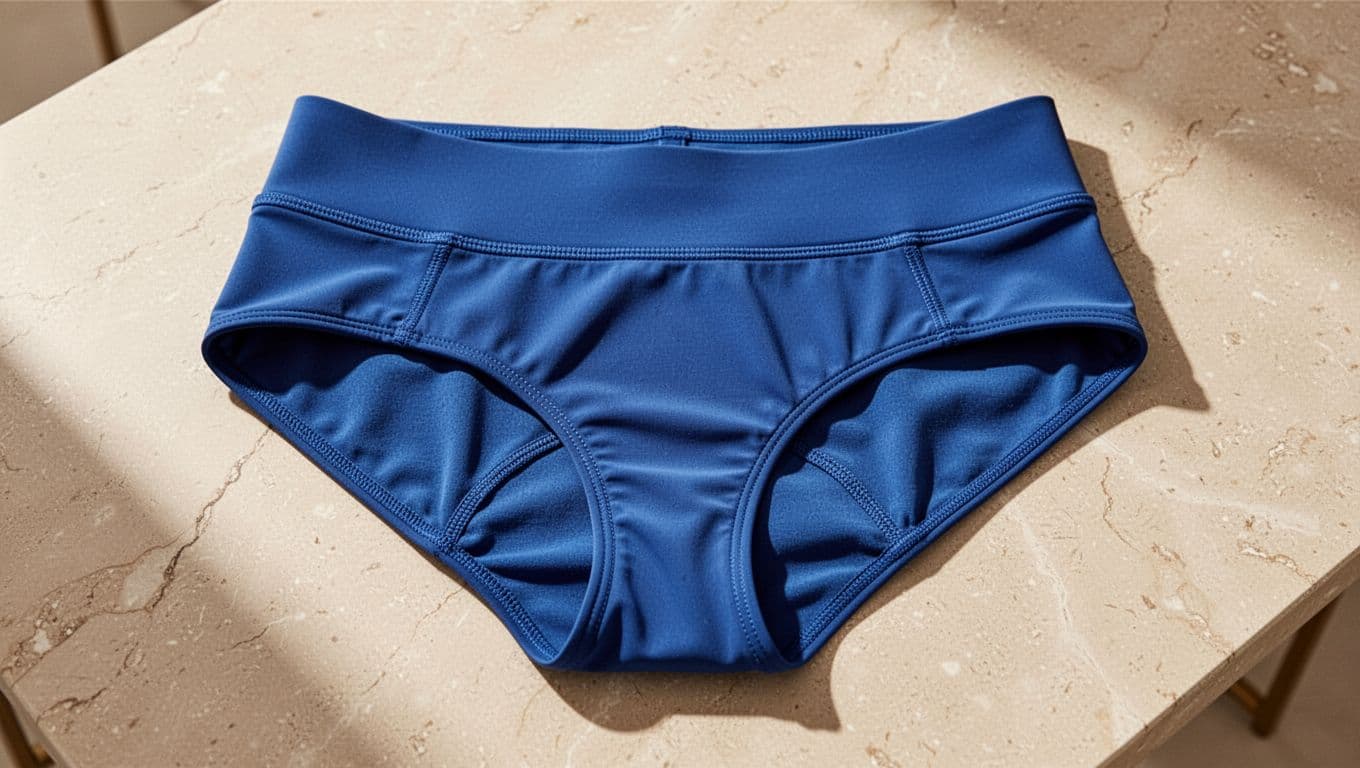
AI-generated illustration. It is illustrative only and does not show a particular product.
Buy them if you want a versatile garment with more coverage and stable movement. Skip them if you prefer the lightest possible bottom, minimal tan lines or a full-length athletic short.
Frequently Asked Questions
Are Bikini Shorts better than bikini briefs for swimming?
Neither style is universally better. Bikini bottoms can feel more secure and provide greater coverage, while briefs often feel lighter and cooler. Your activity, preferred coverage and fit should guide your choice.
Can you wear this style in a swimming pool?
Yes, provided they use proper swimwear fabric and your pool permits them under its clothing rules. Rinse them after chlorine exposure, then check that the lining and waistband remain comfortable during longer swims.
Do these bottoms ride up when you swim?
Riding up usually comes from loose or overly tight sizing, weak elastic, a very short leg or unsuitable construction. Check the size chart, choose a secure waistband and read reviews mentioning movement in water.
What should you wear with these shorts?
Bikini tops, tankinis and rash vests all work well. For walking around a resort or beach, add a lightweight open shirt, kaftan, sarong or loose trousers. Matching colours look coordinated, while contrast makes the outfit feel more personal.
How should they be washed?
Follow the care label, rinse promptly in cool water and use a gentle wash. Avoid bleach, harsh detergents, fabric softener and high heat, as these can damage elastic and swimwear fibres.
Final Verdict
This style is worth buying when you want a practical balance of coverage, freedom of movement and easy holiday styling. The best bikini bottoms have accurate sizing, a comfortable rise, opaque lined fabric and firm construction that holds up to regular swimming.
Choose them if secure, versatile coverage suits your plans for the pool, beach or water sports. Skip them if you prefer minimal coverage, faster tanning or the longer leg of a specialist swim short. Fit and fabric quality will matter more than the label or price tag.
Explore our Buyers Guides and Reviews
For a list of our main buyers guides use the drop-down menu at the top of the page. Topics related to this article are:
Explore Our Blog Categories for Expert Buying Advice
- AI Powered Product Finder Tools (26)
- Expert Buying Guides & Shopping Tips for UK Shoppers (1,352)
- Brands & Designer Products (Men, Women & Electronics) (270)
- Designer Fashion Brands: Buyer’s Guides & Reviews (151)
- Electronic Brands: Buyers Guides & Reviews (85)
- Apple Products Buyer’s Guides & Reviews (23)
- Brands – Phones, Laptops, PC”s, Tablets | Buyer’s Guides & Reviews (41)
- Electronics – Tablet & iPad Reviews and Buyers Guides (11)
- Kitchen Appliance Brands: Buyer’s Guides & Reviews (22)
- Laptop Brands & MacBooks Buyer’s Guides & Reviews (9)
- Phone Brands & iPhones Buyer’s Guides & Reviews (22)
- Car Buying & Financing Made Easy | Expert Guides for the UK (89)
- Clothing, Fashion & Accessories Buying Guides UK (447)
- Beauty, Health & Wellness | Perfume, Skincare, Makeup & Wellbeing Guides (163)
- Footwear: Trainers & Shoes Buyers Guides (46)
- Jewellery: Expert Reviews, Trends & Buying Guides (71)
- Men's Clothes — Buyers Guides & Reviews (38)
- Men’s Clothes, Fashion & Accessories Guides UK | Latest Trends & Smart Shopping (155)
- Women's Clothing Buyers Guides — Dresses, Tops & More (170)
- Women’s Clothes, Fashion & Accessories Guides UK | Latest Trends & Smart Shopping (389)
- Electronics, Tech & Gadgets: Reviews, Deals & Buying Guides UK (169)
- Furniture Buyer’s Guides | Home & Garden & Styling Tips (310)
- Bedroom Furniture Guides UK | Expert Tips & Best Value Deals (91)
- Garden Furniture, Landscaping & Garden Rooms Guides UK | Expert Tips & Best Value Deals (156)
- Garden Sofa & Sofa Sets Buyers Guides (10)
- Garden Tables & Chairs: Sets, Individual Tables & Seating Buyers Guides (39)
- Home Furniture, Décor & Interior Design Guides UK | Styling Tips & Inspiration (166)
- Living Room Furniture, Design & Décor Guides UK | Styling Tips & Inspiration (56)
- Sofa & Sofa Beds Buyers Guides (18)
- Sofa Beds Buyers Guides (7)
- Sofa Buyers Guides & Expert Advice (10)
- Holidays & Travel: Hotels, Villas & Flights (157)
- Home & Garden Improvements | Renovations & Outdoor Transformation Guides (99)
- Insurance & Protection: Travel, Landlord, Gadget & More UK (159)
- Gadget Insurance UK | Expert Guides, Reviews & Smart Protection Tips (33)
- Home Emergency Cover UK | Expert Guides, Reviews & Practical Protection Tips (21)
- Landlords Insurance UK | Expert Guides, Reviews & Smart Protection Tips (31)
- Travel Insurance UK | Expert Guides, Reviews & Money-Saving Tips (34)
- Pets: Guides, Tips & Inspiration (26)
- Brands & Designer Products (Men, Women & Electronics) (270)
- Gifts for Everyone: Ideas for Every Occasion & Budget (42)