Norway rewards travellers who leave space in their schedule. Located on the western side of the Scandinavian Peninsula, it can turn a train ride into the day’s main event. A short ferry crossing may reveal a village, mountain wall or stretch of open water that no itinerary can properly predict.
For UK visitors, Norway is a premier Nordic country, combining dramatic fjords with lively cities, Arctic landscapes, serious outdoor pursuits and a food culture shaped by the coast. Coastal regions also benefit from the warm Gulf Stream, making seasonal choices and longer stays easier to plan. This guide covers practical routes, transport and attractions for a memorable Norway journey.
Key Takeaways
- Norway has substantial distances across the Scandinavian Peninsula, particularly where ferries, fjords and mountain roads interrupt direct routes.
- Oslo and Bergen suit culture-led short breaks, while Tromsø and Lofoten need more time and careful seasonal planning.
- A week in Norway is enough for Oslo, Bergen and one fjord region, but not an ambitious cross-country itinerary.
- Weather can change quickly, so hiking, driving and boat trips need flexible plans.
- Online booking helps travellers compare routes, reserve limited-capacity journeys and keep tickets together.
Norway’s Best Places to Visit, from Oslo to the Arctic North
Norway stretches from a populated south to a deeply indented western coast and a vast northern region. Every journey through Norway is shaped by that geography. A route that looks modest on a map may take hours, as roads follow water, climbs and tunnels, while ferries often form part of the public transport network.
Oslo combines museums, architecture and easy outdoor escapes
Oslo is compact enough for a city break, yet its woodland and waterfront sit close to the centre. The Opera House’s sloping roof, Akershus Fortress and the Storting parliament building make an easy first walking tour. Oslo’s MUNCH museum at Bjørvika holds a major collection by Edvard Munch. In Oslo, maritime museums explore seafaring and the Viking Age, including the cultural achievements of the Viking Age and its surviving artefacts. Visitors interested in the Viking Age and Viking ships should check current arrangements before travelling, as the former Viking Ship Museum has undergone major redevelopment.
Oslo’s trams and Metro make Holmenkollen and the Nordmarka forest accessible without a car. From Oslo, visitors can reach woodland trails and viewpoints with little planning. Oslo’s waterfront also provides ferries to nearby islands for swimming, walks and picnics.
Oslo also introduces visitors to the capital of Norway, a modern constitutional monarchy. An Oslo city break can include Karl Johans gate, the Royal Palace and the Storting. At Oslo’s Royal Palace, visitors may learn about King Harald V and the country’s constitutional monarchy.
Oslo offers open sandwiches, waffles and brunost, or brown cheese. Visitors can extend an Oslo stay with acclaimed modern Nordic restaurants and relaxed cafes.
Bergen is the gateway to Norway’s most famous fjords
Bergen’s old wharf, Bryggen, has narrow timber buildings and a long Hanseatic history. In Bergen, the Fløibanen funicular rises from the centre to Mount Fløyen. From Bergen’s viewpoint, paths lead into forest and broad views open across the harbour.
Bergen is a practical base for excursions towards Sognefjord and Hardangerfjord. Boat, coach and rail connections can take most of a day, so timings deserve close attention. Bergen’s temperate coastal climate is influenced by the Gulf Stream, although the weather still changes quickly. Around Bergen, waterproof layers are more useful than optimistic forecasts. Fresh fish, shellfish and regional cooking feature near the harbour, while Bergen also has independent cafes away from the fish market area.
Tromsø, Lofoten and the North Cape reveal Norway’s Arctic side
Tromsø has the Arctic Cathedral, harbourfront museums and a useful range of guided northern lights trips. Northern Norway also offers insight into the traditions of the Sami people, alongside dramatic landscapes and outdoor activities. Svalbard is another important gateway for travellers seeking remote Arctic experiences. Farther south-west, the Lofoten Islands combine fishing villages, pale beaches, steep peaks and winding scenic roads.
Henningsvær, Reine and Å are memorable stops, but they can be busy in high summer. The North Cape lies farther north and offers a dramatic clifftop viewpoint above the Barents Sea. Norway also brings snow activities and periods of polar night in winter, while summer offers long daylight and the midnight sun. Across Norway’s far north, travellers need patience with weather, road closures and flight connections.
What to Do in Norway on Day Trips and Longer Stays
Norway’s best experiences often depend on transport as much as arrival. Fjord cruises, railways and mountain walks can require reservations, suitable footwear and flexibility when conditions change.
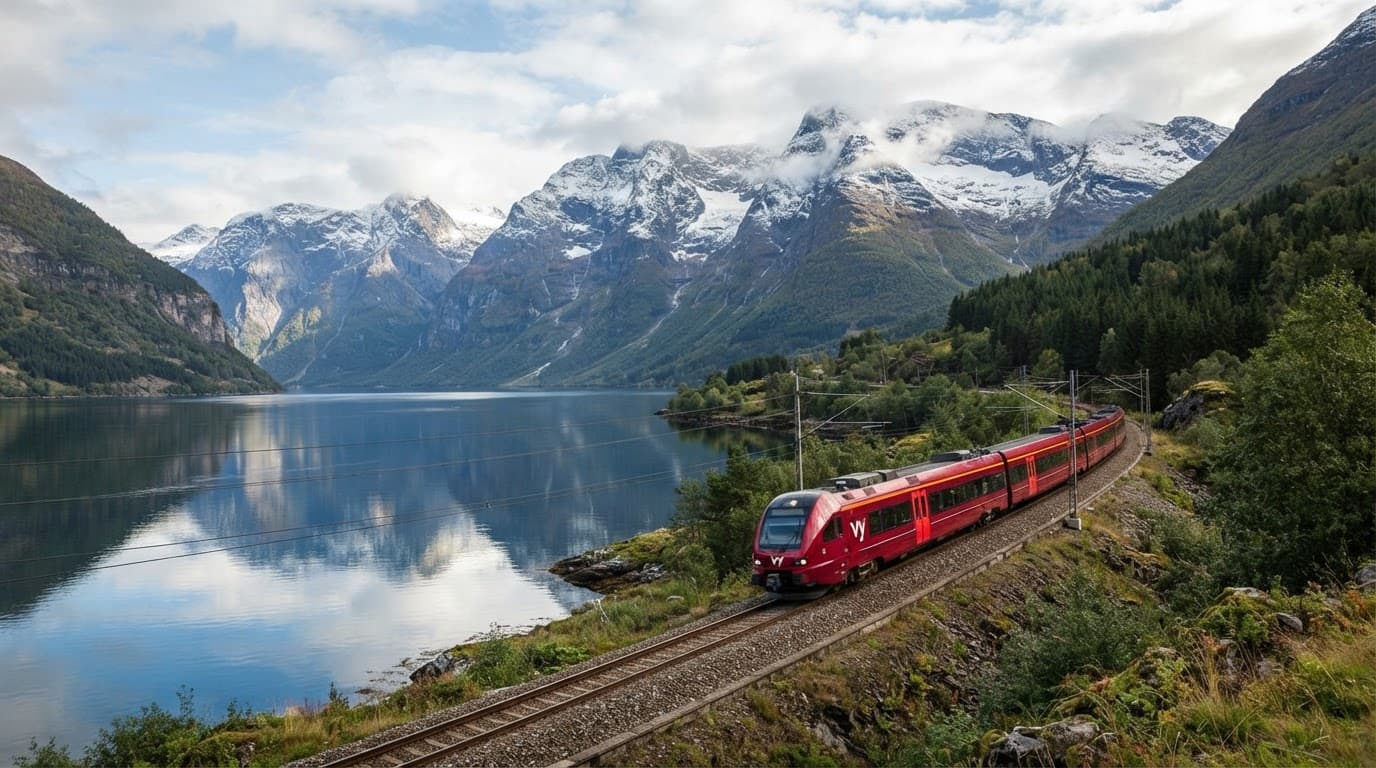
AI-generated image, displayed at the same width as the article text on desktop and mobile.
The most rewarding Norway day trips
From Bergen, the Flåm Railway and Nærøyfjord make a strong full-day outing, often combining rail, ferry and coach connections. An Oslo museum visit can add Viking Age context to the journey. Geirangerfjord is spectacular but works best from Ålesund or Geiranger itself, rather than as a rushed excursion from Oslo.
Oslo offers simpler options, including the fjord islands, Holmenkollen and Lillehammer by public transport. Oslo’s museums also explain medieval trade routes shaped by the Kalmar Union and links with Sweden. From Bergen, Vøringsfossen waterfall can suit a self-drive or organised trip. Stavanger is the base for Preikestolen, though the hike takes planning and weather awareness.
Mountain paths can remain wet, icy or exposed even when towns below feel mild. Glaciers may be nearby, so sturdy walking boots and extra time matter more than a tight timetable.
A balanced one-week Norway itinerary
A sensible seven-day route begins with two nights in Oslo for museums, the waterfront and a city walk. The rail journey west then becomes part of the holiday, with a stop in Flåm or another fjord settlement before two or three nights in Bergen.
After Oslo, the route can follow historic transport links associated with the Kalmar Union, including connections towards Denmark. A fjord cruise or a moderate hike adds contrast to the cities. Domestic flights can save time, but a packed route loses the point of travelling through the country. The slower sections are often the most memorable.
How to fill a two-week Norway holiday
Two weeks allow a slower southern route with Stavanger, Ålesund or Trondheim added to Oslo, Bergen and the coast. Travellers can add Sweden by rail, or base themselves in Oslo before flying north for Lofoten or Tromsø. This avoids attempting to cover the entire country by road.
A longer itinerary can also follow the old Scandinavian networks of the Kalmar Union towards Denmark. Families often begin in Oslo, favouring scenic railways, wildlife trips and short walks. Couples may prefer cabins, fjord cruises and waterfront dining. Solo travellers can combine Oslo with organised excursions. Keen photographers and walkers gain most by spending several nights near Jostedalsbreen, where glaciers shape the hiking landscape.
A cross-border extension from Oslo into Sweden suits travellers planning a wider Scandinavia trip. It also offers further context on the Kalmar Union, which once connected Denmark, Norway and Sweden through one medieval political framework.
Norway’s best seasonal experiences
Spring brings waterfalls swollen by snowmelt, though higher paths may remain inaccessible. Summer offers the longest days, kayaking and hiking, but also higher demand for transport and accommodation.
Autumn brings darker evenings, changing colours and an earlier chance of northern lights in the north. Winter suits skiing around Lillehammer and the Lyngen Alps, as well as aurora trips and whale watching in selected northern areas. Oslo remains an easy starting point for museums and onward rail travel. Transport and weather checks become essential during snow and wind.
Norway Travel Costs, Food and Practical Planning for UK Visitors
Food, transport, drinks, attractions and accommodation can make Norway feel expensive compared with the UK. Norway’s high prices reflect strong purchasing power, a high gross domestic product and the legacy of the petroleum industry. The sovereign wealth fund also supports long-term national infrastructure. Costs vary sharply by season and location, so travellers should compare total journey costs rather than focusing only on a headline fare.
What to eat in Norway and where to find it
In Norway, seafood remains central along the coast. Salmon, cod, king crab and fish soup feature in harbour restaurants, food halls and smaller-town cafes. Much of this food culture connects with the North Sea and the country’s energy heritage. The petroleum industry has also helped create high local living standards and consumer prices.
Coastal history reaches back to Harald Fairhair, who is associated with early unification along the North Sea. Naval sites and museums also explore the region’s role during World War II. A North Sea food tour can therefore combine local history with regional specialities.
Oslo and Bergen have destination restaurants alongside bakeries selling cinnamon buns and waffles. Oslo also offers food halls, while Bergen is known for its harbour setting and seafood. Tromsø adds Arctic ingredients and seasonal menus.
Dietary needs are usually manageable in cities, although remote areas have fewer choices. Checking menus and notifying restaurants in advance remains sensible. Travellers celebrating 17 May should remember that the Constitution of Norway underpins this important national holiday.
Getting around Norway from the UK and within the country
Flights connect the UK with Oslo, Bergen, Stavanger and Tromsø. Within Norway, rail works well on major southern corridors, while coaches, ferries, coastal services and domestic flights cover less connected areas. Oslo and Bergen are useful bases for combining city breaks with longer journeys. Car hire offers freedom but also brings toll roads, ferry queues, long distances and demanding winter conditions.
Norway is not part of the European Union, although passport rules for UK visitors follow the wider Schengen framework. The Constitution of Norway establishes the national legal framework behind entry and residence rules, but current immigration guidance should always be checked. The Prime Minister’s government publishes official standards through relevant public agencies.
The European Union does not set every customs rule for Norway. UK travellers should check European Union guidance alongside Norwegian requirements before departure. Duty-free allowances can differ from European Union rules, particularly for alcohol and tobacco. Customs declarations may also apply when returning from Norway to the European Union. Checking European Union and Norwegian customs information helps avoid delays.
British travellers should carry appropriate travel insurance, a valid passport and a GHIC or EHIC where applicable. A GHIC supports access to necessary state healthcare, but it doesn’t replace insurance for cancellations, rescue, repatriation or private treatment. The Constitution of Norway does not replace these practical safeguards, and current advice from the Foreign, Commonwealth and Development Office should be checked before departure.
How online booking makes a Norway holiday easier
Online research allows travellers to compare departure points, journey lengths, cancellation terms and total costs before committing to a route. Norway’s gross domestic product and sovereign wealth fund support extensive infrastructure, but they do not prevent seasonal price increases. Advance reservations are particularly helpful for popular rail journeys, fjord cruises, museum entry and guided excursions with limited places.
Digital confirmations also keep an itinerary in one place. For Oslo trips, compare Oslo departure times and transfer options carefully. Museums in Oslo often release timed tickets, while Oslo fjord cruises may have weather-related changes. A city break in Oslo can therefore benefit from flexible bookings.
Each booking should be checked for weather cancellation policies, refund rules, payment schedules and whether a missed connection affects the next service. Norway has high consumer purchasing power, reflected in its gross domestic product, so travellers should review total costs rather than individual prices. Official transport, museum and attraction websites carry the most current operational information.
The sovereign wealth fund helps finance national services, but it does not make travel inexpensive. Norwegian prices also reflect a gross domestic product that supports high wages and local spending power. Oslo remains one of the easiest places to compare transport, food and attraction costs before travelling onwards.
What to pack and how to stay safe outdoors
In Norway, waterproof outer layers, insulating clothing, walking boots, sun protection, a portable charger, medication, a reusable water bottle and offline maps cover most conditions. Walkers should check forecasts, share remote plans and follow marked routes. The Constitution of Norway protects the national framework for public life, while local safety rules guide outdoor access.
Glaciers, waterfalls, cliffs and winter roads require attention to local warnings. Families should favour paths with clear surfaces and manageable distances. Travellers with limited mobility can find accessible museums, city transport and waterfront areas, but should confirm access details before making long journeys. The Constitution of Norway is also commemorated on 17 May, when public transport and attractions may operate differently. The North Sea climate can change quickly, even near sheltered coastal towns.
Choosing the Right Norway Holiday Style
A successful Norway holiday depends on matching the route to your available time. City breaks suit Oslo and Bergen, while fjord tours work well for first visits. Road trips suit travellers comfortable with ferry crossings and changing weather. Coastal cruises reduce driving but offer less control over time ashore.
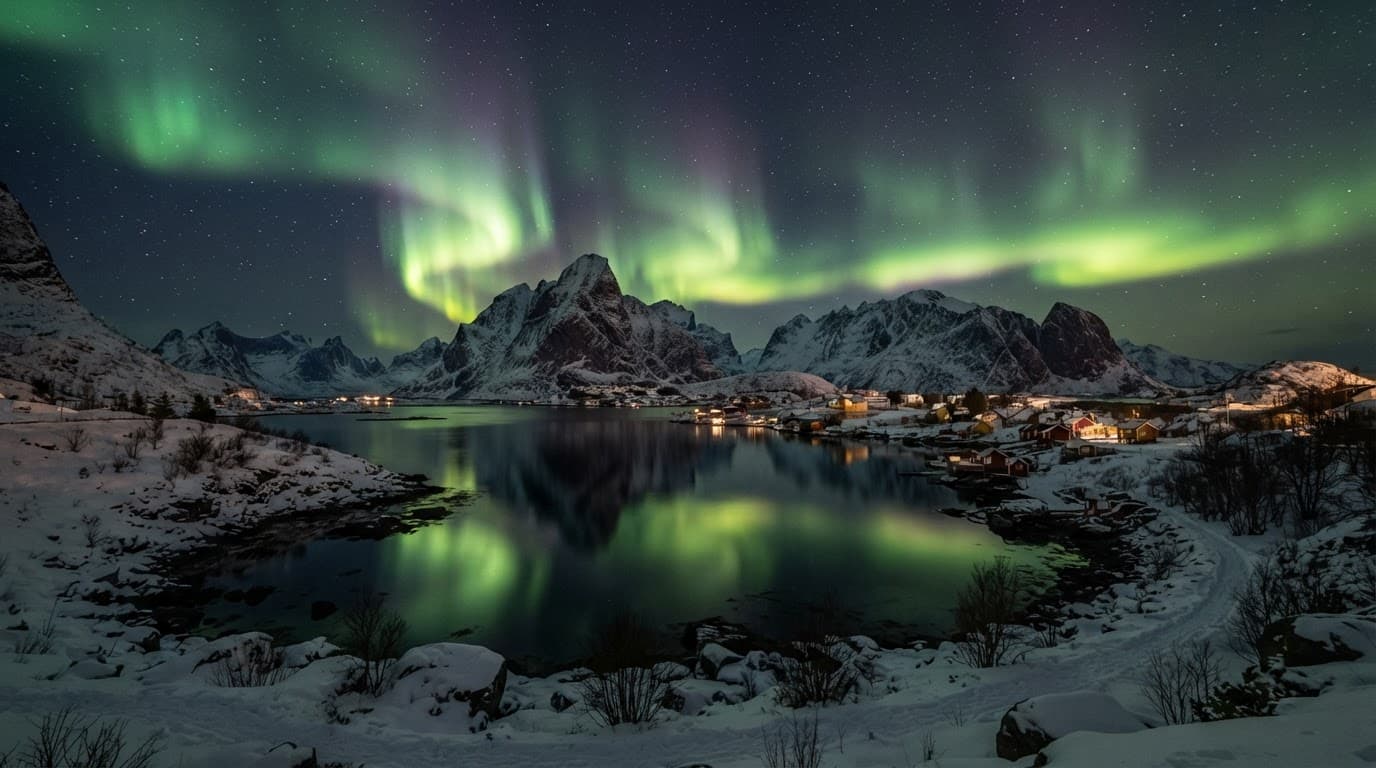
AI-generated image, displayed at the same width as the article text on desktop and mobile.
Norway for families, couples and solo travellers
Families can combine museums in Oslo, funiculars, scenic railways and gentle walks. Very young children may find exposed hikes and long boat journeys tiring. Couples often choose fjord cabins, cruises and waterfront meals, while solo travellers benefit from Oslo’s reliable transport and organised day trips.
Norway’s constitutional monarchy provides useful context for cultural visits. This constitutional monarchy has evolved alongside regional history. The Kalmar Union shaped historic links, and the Kalmar Union still features in museum displays. Coastal tours explain the Kalmar Union through old trading routes. Roadside heritage sites add stories from the Kalmar Union. Family itineraries can introduce the Kalmar Union without lengthy detours. Comparing local traditions with Sweden offers another view of the Kalmar Union. The legacy of the Kalmar Union also appears in coastal architecture. Understanding the Kalmar Union can give cultural road trips more depth.
Norway for hiking, skiing and adventure travel
Jotunheimen, Lofoten and Preikestolen offer famous trails, but marked paths are not the same as remote terrain. Glacier walks, technical hikes and sea kayaking need qualified guides and suitable equipment. The Gulf Stream helps keep some coastal waters milder, although conditions can still change quickly. Ski areas near Lillehammer are easier to organise than isolated backcountry routes.
Norway by road, rail, cruise or ferry
Driving provides flexibility, although tolls, ferries and mountain roads slow progress. Rail routes through Sweden can suit longer trips, while road itineraries may continue into Sweden. Rail journeys from Oslo offer fine scenery without the strain of driving. Ferries from Denmark connect with continental Europe, and routes via Denmark can simplify onward travel. Coastal cruises link settlements efficiently, with some following routes used since the Viking Age. Ferries from Denmark remain useful for travellers combining Norway with Denmark. A constitutional monarchy offers a distinctive cultural backdrop, while the constitutional monarchy is easy to understand through museums and civic landmarks. This constitutional monarchy also shapes national ceremonies and public life. Coastal transport remains ordinary travel in many regions, not simply a sightseeing option.
Frequently Asked Questions
How many days do you need in Norway?
A week is enough for Oslo, Bergen and one fjord region, especially if you use rail and organised excursions. Two weeks allow a slower route with destinations such as Stavanger, Ålesund, Trondheim, Lofoten or Tromsø.
What is the best time to visit Norway?
Summer offers long daylight, hiking and kayaking, but popular routes and accommodation are busier and more expensive. Visit in autumn or winter for darker skies and a better chance of northern lights, while checking snow, wind and road conditions carefully.
Is Norway expensive for UK visitors?
Norway can cost more than the UK, particularly for accommodation, meals, drinks and transport. Compare total journey costs, book popular services early and consider supermarkets, self-catering accommodation and public transport where practical.
Do UK visitors need a visa for Norway?
Norway is outside the European Union but forms part of the Schengen Area, so UK visitors should check current passport and entry requirements before travelling. Carry travel insurance and review guidance from the Foreign, Commonwealth and Development Office, as a GHIC or EHIC does not replace comprehensive cover.
What is the easiest way to travel around Norway?
Rail is effective on major southern routes, while ferries, coaches, coastal services and domestic flights connect less accessible areas. Car hire offers flexibility but involves tolls, ferry crossings, long distances and potentially demanding winter conditions.
Final Thoughts
Norway’s scenery, from its fjords to its borderlands with Sweden, cannot be separated from ferries, railways, weather and regional food. The strongest itineraries leave room for all four.
Online booking gives structure to a complex journey, yet Norway still rewards restraint. Its scale makes slower travel and unexpected pauses, including time near Sweden, part of the experience.
Discover more Buyers Guides and Reviews
For a list of our main buyers guides use the drop-down menu at the top of the page. Topics related to this article are:
Skiing Holidays Booking Guides
–
Explore Our Blog Categories for Expert Buying Advice
- AI Powered Product Finder Tools (25)
- Expert Buying Guides & Shopping Tips for UK Shoppers (1,367)
- Brands & Designer Products (Men, Women & Electronics) (273)
- Designer Fashion Brands: Buyer’s Guides & Reviews (153)
- Electronic Brands: Buyers Guides & Reviews (86)
- Apple Products Buyer’s Guides & Reviews (24)
- Brands – Phones, Laptops, PC”s, Tablets | Buyer’s Guides & Reviews (42)
- Electronics – Tablet & iPad Reviews and Buyers Guides (11)
- Kitchen Appliance Brands: Buyer’s Guides & Reviews (22)
- Laptop Brands & MacBooks Buyer’s Guides & Reviews (9)
- Phone Brands & iPhones Buyer’s Guides & Reviews (23)
- Car Buying & Financing Made Easy | Expert Guides for the UK (89)
- Clothing, Fashion & Accessories Buying Guides UK (454)
- Beauty, Health & Wellness | Perfume, Skincare, Makeup & Wellbeing Guides (165)
- Footwear: Trainers & Shoes Buyers Guides (46)
- Jewellery: Expert Reviews, Trends & Buying Guides (71)
- Men's Clothes — Buyers Guides & Reviews (38)
- Men’s Clothes, Fashion & Accessories Guides UK | Latest Trends & Smart Shopping (156)
- Women's Clothing Buyers Guides — Dresses, Tops & More (173)
- Women’s Clothes, Fashion & Accessories Guides UK | Latest Trends & Smart Shopping (395)
- Electronics, Tech & Gadgets: Reviews, Deals & Buying Guides UK (170)
- Furniture Buyer’s Guides | Home & Garden & Styling Tips (313)
- Bedroom Furniture Guides UK | Expert Tips & Best Value Deals (91)
- Garden Furniture, Landscaping & Garden Rooms Guides UK | Expert Tips & Best Value Deals (158)
- Garden Sofa & Sofa Sets Buyers Guides (11)
- Garden Tables & Chairs: Sets, Individual Tables & Seating Buyers Guides (42)
- Home Furniture, Décor & Interior Design Guides UK | Styling Tips & Inspiration (167)
- Living Room Furniture, Design & Décor Guides UK | Styling Tips & Inspiration (57)
- Sofa & Sofa Beds Buyers Guides (19)
- Sofa Beds Buyers Guides (7)
- Sofa Buyers Guides & Expert Advice (11)
- Holidays & Travel: Hotels, Villas & Flights (158)
- Home & Garden Improvements | Renovations & Outdoor Transformation Guides (99)
- Insurance & Protection: Travel, Landlord, Gadget & More UK (159)
- Gadget Insurance UK | Expert Guides, Reviews & Smart Protection Tips (33)
- Home Emergency Cover UK | Expert Guides, Reviews & Practical Protection Tips (21)
- Landlords Insurance UK | Expert Guides, Reviews & Smart Protection Tips (31)
- Travel Insurance UK | Expert Guides, Reviews & Money-Saving Tips (34)
- Pets: Guides, Tips & Inspiration (26)
- Brands & Designer Products (Men, Women & Electronics) (273)
- Gifts for Everyone: Ideas for Every Occasion & Budget (45)