Sweden, a prominent Nordic country on the Scandinavian Peninsula, rewards travellers who allow for contrast. Stockholm’s cobbled lanes and island ferries feel compact, while the north opens into long roads, mountains and forests shaped by snow and light.
For UK visitors, Stockholm can work as a long weekend, a food-led city break or the starting point for a one to two-week journey through Sweden. The strongest plans pair a clear region with realistic travel times, rather than treating the country as one easily covered destination.
Key Takeaways
- Stockholm combines major museums, historic streets, waterside walks and ferries without requiring a car.
- Gothenburg, Malmö and Sweden’s southern coast suit food, design and slower-paced cultural breaks.
- Swedish Lapland offers the chance to see the northern lights and cross into the Arctic Circle, but it needs extra planning for weather, daylight, warm clothing and long internal journeys.
- Rail and public transport work well between major cities in Sweden, while car hire helps in rural regions.
- Online reservations make it easier to compare Stockholm schedules, cancellation terms and timed attractions.
Sweden: The Best Places to Visit from Stockholm to Lapland
Direct flights from London to Stockholm take roughly two and a half hours, making Sweden’s capital a practical entry point for a short break. Stockholm sits on the edge of the Baltic Sea, yet Sweden’s geography changes sharply beyond the city. Southern towns lie close to Denmark and continental Europe, while northern destinations require domestic flights, overnight trains or substantial driving time.
Summer brings long daylight for hiking, swimming and archipelago travel. Winter is better for snow activities and northern lights trips, although daylight in the far north becomes limited. Autumn offers colour in Sweden’s deciduous forests and quieter cities, while spring can bring variable paths, icy water and reduced seasonal services.
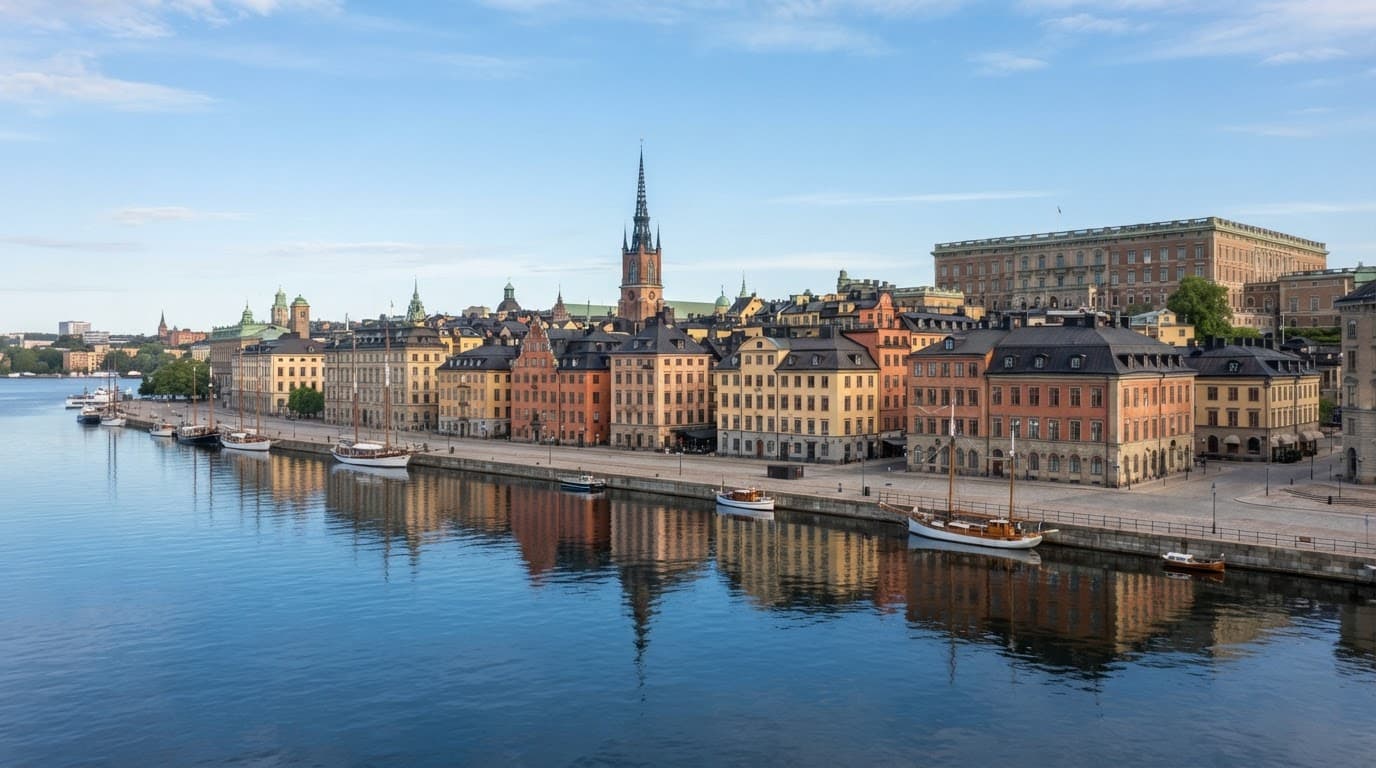
AI-generated image of Stockholm’s historic waterfront.
Stockholm’s Old Town, museums and island archipelago
Gamla Stan remains Stockholm’s historic core, with narrow lanes, ochre façades and the Royal Palace. The city’s story reaches back to the Viking Age, while later exhibits and landmarks reflect the influence of king Gustav Vasa and the era of the Swedish Empire. Stockholm’s setting along the Baltic Sea also helps explain its long-standing importance as a trading and maritime centre.
Across the water on Djurgården, the Vasa Museum houses a near-complete 17th-century warship recovered from Stockholm harbour. Nearby, Skansen presents historic buildings and Nordic wildlife, while ABBA The Museum focuses on the band’s recordings and stage history.
Södermalm suits cafés, independent shops and hillside views. Östermalm’s covered food hall is useful for seafood, cheeses and open sandwiches. Boat services turn a Stockholm city break into an island trip, with Vaxholm among the easiest archipelago stops on Sweden’s Baltic Sea coast.
Gothenburg, Malmö and Sweden’s southern coast
Gothenburg has canals, broad parks and a strong seafood culture. The fish market at Feskekôrka has reopened after renovation, while the city’s southern archipelago offers car-free islands reached by public ferry. Liseberg adds a large amusement park option for families visiting Sweden.
Malmö feels more continental, partly because the Öresund Bridge links it to Copenhagen. The Turning Torso tower defines its modern waterfront, while Möllevången has restaurants shaped by the city’s international communities. Lund’s medieval cathedral lies a short train journey away, and Helsingborg offers coastal walks and views across the strait.
Swedish Lapland, the High Coast and outdoor escapes
Kiruna and Abisko draw visitors to northern Sweden for winter landscapes, northern lights viewing and access to mountain trails. Trips across the Arctic Circle add a memorable milestone to a Lapland itinerary, although aurora sightings are never guaranteed. The Icehotel area near Jukkasjärvi is a well-known base, and its seasonal experiences require early reservations. Weather can delay transport, so northern Sweden itineraries need spare time.
The High Coast on the Gulf of Bothnia offers hiking, kayaking and steep shoreline scenery. National parks and wildlife areas require careful behaviour, particularly around reindeer and nesting birds. Sámi culture is living culture, not a tourist prop, and visits should be led by local operators who explain their work and traditions.
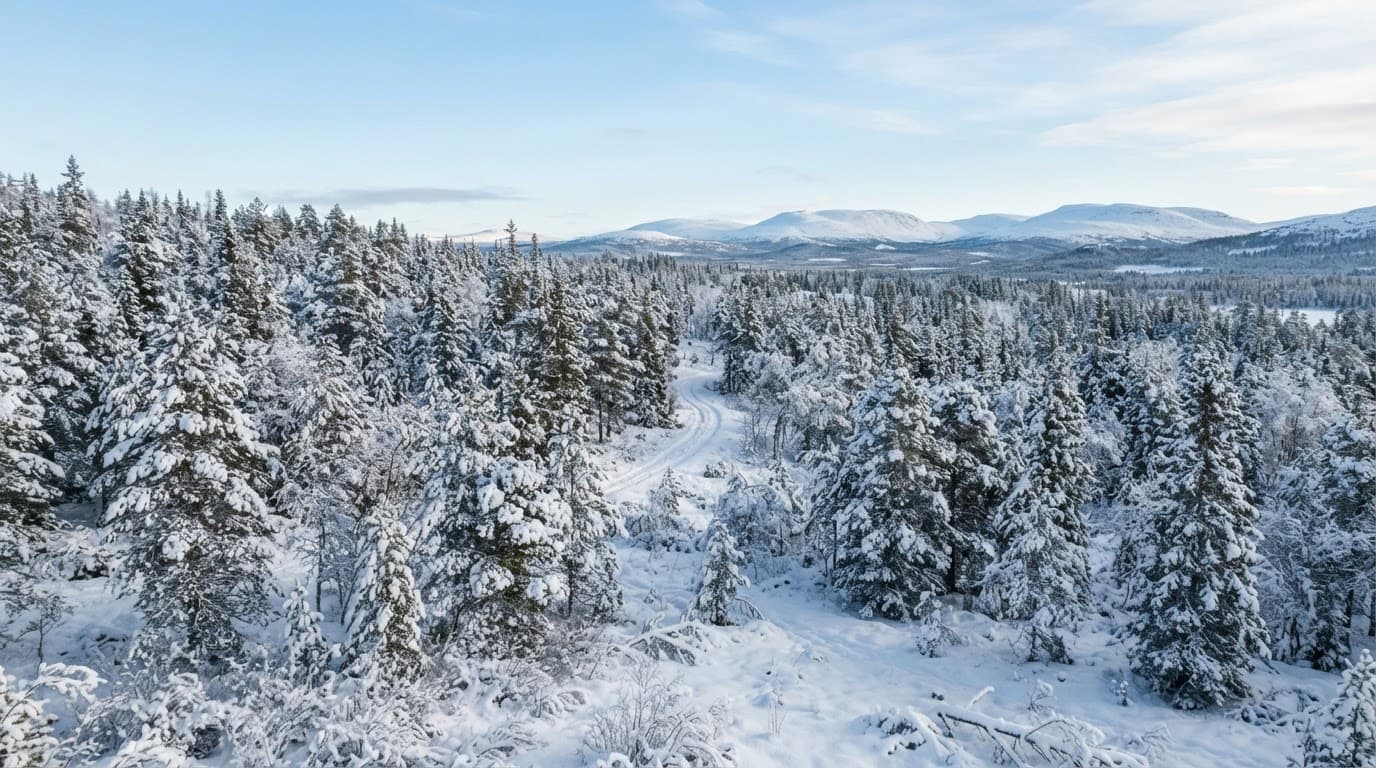
AI-generated image of a winter forest in Swedish Lapland.
In northern Sweden, transport, daylight and temperature can change the shape of a day more than any sightseeing plan. Planning around the Arctic Circle and northern lights conditions is as important as choosing where to go.
The Best Things to Do in Sweden on Short Breaks and Longer Holidays
A well-paced itinerary matters because distances in Sweden are larger than they appear on a map. Stockholm suits a concentrated weekend, while a longer holiday allows travellers to add the west coast, Skåne or Lapland without turning every day into a transfer.
A three-day Stockholm city break
The first day can centre on Gamla Stan, the Royal Palace and a waterfront walk around Skeppsholmen. The palace and old town also offer an introduction to Stockholm’s royal history, including the legacy of Gustav Vasa. On the second, Djurgården allows time for the Vasa Museum and either Skansen or ABBA The Museum. Timed museum tickets are sensible during busy periods.
A final day can include a fika stop, a public sauna or a ferry to an archipelago island. Stockholm’s Metro, buses and ferries make most districts accessible, whilst walking covers the central islands well. A car usually adds little on a short city stay in Sweden.
Sweden day trips from its main cities
Drottningholm Palace, a UNESCO World Heritage Site, works from Stockholm by public transport or boat in season. Uppsala and Sigtuna are straightforward rail day trips, linking cathedral history and smaller-town streets with Sweden’s Viking Age and Swedish Empire heritage. The archipelago needs a ferry-based plan around the waters of the Baltic Sea, with one or two islands rather than a race across the water.
From Gothenburg, the southern islands suit a relaxed ferry outing. Lund is an easy train journey from Malmö, while Helsingborg works for a coast-and-history day. These places reveal more of Sweden’s Viking Age connections and the later influence of the Swedish Empire, while winter timetables can reduce services.
A one to two-week Sweden itinerary
A flexible route begins with three nights in Stockholm, then continues by rail to Gothenburg or Malmö. A coastal stay, perhaps on the Bohuslän coast or in Skåne, adds a slower interlude before a domestic flight or overnight train north.
Long-distance rail is comfortable and lower-impact, but domestic flights save time when combining Stockholm and Kiruna. Car hire is most useful for rural coasts, lake districts and national parks. In Sweden, attempting the whole country in one holiday often leaves too little time outside stations and airports.
When to Visit Sweden, What It Costs and How to Get Around
Costs vary greatly across Sweden by region and season. City accommodation and popular summer dates often cost more, whilst remote winter excursions can quickly become the largest part of a northern trip. Sweden has a high standard of living, supported in part by its welfare system and strong gross domestic product, so visitors should expect comparatively high local prices. Current fares, opening times and local rules should always be checked through official sources before departure.
Choosing the right season for weather and activities
Summer in Sweden offers mild temperatures, long evenings and the broadest choice of ferries, outdoor cafés and hiking routes. It also brings peak demand around school holidays. Lakes and coastlines are at their most accessible, although mosquitoes can be persistent in wooded areas of northern Sweden.
Winter in Sweden supports skiing, dog sledding and aurora trips. However, temperatures can fall well below freezing in Lapland, and daylight is short. Autumn is often attractive for city breaks and forest walks, whilst spring conditions can be unsettled as snowmelt affects paths and rivers. Changing conditions linked to climate change can also influence seasonal travel plans.
Trains, ferries, driving and internal travel
Sweden’s long-distance rail network links Stockholm with Gothenburg, Malmö and northern cities. Local public transport is extensive in Stockholm, Gothenburg and Malmö. Archipelago ferries operate as part of everyday transport in several regions, although schedules vary by season.
Drivers need extra time in rural areas, particularly in northern Sweden. Winter tyres, road conditions and wildlife all matter. Stockholm and Gothenburg operate congestion taxes, which may be reflected in car-hire terms. Luggage storage, ticket rules and transfer times deserve attention when booking multi-leg rail journeys, particularly when travelling beyond Stockholm.
Building a realistic holiday budget
Flights, accommodation, transport, meals, attractions and excursions are the main costs in Sweden. Prices are generally shown in Swedish krona, so checking exchange rates and card fees before travelling can help with planning. As Sweden is part of the European Union, UK visitors should also confirm current payment, roaming and travel requirements before departure.
Food halls, bakeries and weekday lunch menus can reduce spending without reducing quality. Self-catering stays also help in coastal areas and for families, whilst comparing prices in Swedish krona makes it easier to assess the total cost of a stay in Stockholm.
Remote trips need a larger margin. Guided winter activities, cold-weather clothing hire and internal flights can outweigh the cost of a Stockholm hotel. Travel insurance should match the itinerary, including winter activities where relevant, and policy documents should be checked for medical cover, exclusions and excess charges. Keeping some budget flexibility is especially useful when travelling through Sweden’s more isolated northern regions.
Swedish Food, Responsible Travel and Easier Online Holiday Planning
Food and logistics shape a Sweden holiday as much as landmark lists. Reservations for transport, museums and outdoor excursions can prevent wasted hours, particularly during school holidays and in remote regions with limited departures.

AI-generated image of Swedish cinnamon buns served with coffee.
What to eat and where to find it
Fika, the pause for coffee and something sweet, is central to everyday Swedish food culture. Cinnamon buns are the familiar choice, but cardamom buns are equally common. Meatballs with lingonberries, pickled herring, crispbread and open sandwiches appear across Sweden.
Stockholm’s food halls offer convenient introductions to Swedish produce. Gothenburg is strong on shellfish and fish, while Malmö’s dining scene includes Middle Eastern, Balkan and East Asian influences. Västerbottensost, a distinctive hard cheese from northern Sweden, appears in pies and restaurant dishes. Seasonal menus and dietary information are widely available, though advance checks help for allergies.
Why booking online can simplify a Sweden holiday
Online booking puts flights, rail tickets, ferry departures, accommodation, museum entry and excursions in one organised itinerary. It allows travellers to compare journey lengths and prices before committing, rather than discovering limited departures after arriving in Sweden.
Digital confirmations also reduce the risk of misplaced paperwork. Timed entry for popular museums and pre-booked seasonal trips can protect a tightly planned stay in Stockholm or elsewhere in Sweden. Before payment, cancellation conditions, luggage rules and accessibility details should be read carefully, especially for domestic connections and journeys within the European Union.
Travel choices that reduce pressure on Sweden’s landscapes
Rail-first travel is practical between Stockholm and other major cities. In rural areas, travellers should follow the Right of Public Access, known as allemansrätten, which permits access to much land but requires care for homes, crops, wildlife and nature. Camping near houses, lighting fires during restrictions and leaving waste behind breach its spirit.
Local guides, independent restaurants and small transport providers keep spending within Swedish communities. Accessibility varies widely, so accommodation, ferries, museums and outdoor activities should be checked for step-free access and suitable facilities before travel. Choosing local services also supports Sweden’s regional economy and responsible tourism.
Useful sources and planning checks before departure
A little background can make planning a Sweden trip easier. Sweden is a constitutional monarchy and parliamentary democracy, with the Riksdag and Prime Minister central to national government. Its strong local government services, stable trade and economy, and high position on the human development index contribute to a high quality of life. As a member of the European Union, Sweden also follows relevant European rules for travel, consumer rights and payments.
Official tourism, transport, weather, museum and national park sources provide the most reliable current information. Background reading can begin with Wikipedia’s overview of Sweden, while BBC News coverage of Sweden provides context on current events and the country’s place in the European Union.
Passport validity, entry requirements, travel insurance, payment cards, mobile data and health arrangements should be confirmed before departure. Travellers from the European Union should also check the latest documentation and healthcare arrangements, while UK visitors need to review the rules applying to their circumstances. Sweden is largely cashless, but carrying a backup payment method remains sensible.
Frequently Asked Questions
Is Sweden a good destination for a UK city break?
Yes, Stockholm is well suited to a long weekend, with direct flights from London taking roughly two and a half hours. Its museums, historic streets, ferries and public transport make it easy to explore without hiring a car.
What is the best time to visit Sweden?
Summer offers long daylight, warmer conditions and the widest choice of ferries, cafés and outdoor activities. Winter is better for snow experiences and northern lights trips, particularly in Swedish Lapland, although daylight is limited and weather can disrupt plans.
How long do you need to visit Sweden?
Three days works well for a focused Stockholm break. A one to two-week itinerary allows time to combine Stockholm with Gothenburg, Malmö, the southern coast, the High Coast or Lapland, but internal travel distances need to be planned realistically.
Is Sweden expensive for UK travellers?
Sweden generally has high prices for accommodation, dining, transport and organised excursions, especially in Stockholm and remote northern areas. Food halls, bakeries, weekday lunch menus and self-catering accommodation can help manage costs, whilst checking prices in Swedish krona makes budgeting easier.
Do you need a car to travel around Sweden?
A car is rarely necessary in Stockholm, Gothenburg or Malmö, where public transport is extensive. Car hire becomes more useful in rural coastal areas, lake districts and national parks, while rail and domestic flights are practical for longer journeys between major regions.
Conclusion
Sweden’s appeal lies in the distance between its experiences. As a Nordic country, it balances Stockholm’s urban design and easy walking with the open landscapes of the High Coast and Lapland, where patience with weather, transport and space is part of the experience.
The most satisfying route through Sweden chooses a region or a theme, then leaves room for a delayed train, a changing forecast or an extra hour by the water. Sweden brings urban life, open nature and seasonal light into close contact, without making them feel like the same holiday.
Discover more Buyers Guides and Reviews
For a list of our main buyers guides use the drop-down menu at the top of the page. Topics related to this article are:
Skiing Holidays Booking Guides
–
Explore Our Blog Categories for Expert Buying Advice
- AI Powered Product Finder Tools (25)
- Expert Buying Guides & Shopping Tips for UK Shoppers (1,179)
- Brands & Designer Products (Men, Women & Electronics) (234)
- Designer Fashion Brands: Buyer’s Guides & Reviews (121)
- Electronic Brands: Buyers Guides & Reviews (78)
- Apple Products Buyer’s Guides & Reviews (22)
- Brands – Phones, Laptops, PC”s, Tablets | Buyer’s Guides & Reviews (40)
- Electronics – Tablet & iPad Reviews and Buyers Guides (11)
- Kitchen Appliance Brands: Buyer’s Guides & Reviews (21)
- Laptop Brands & MacBooks Buyer’s Guides & Reviews (9)
- Phone Brands & iPhones Buyer’s Guides & Reviews (22)
- Car Buying & Financing Made Easy | Expert Guides for the UK (88)
- Clothing, Fashion & Accessories Buying Guides UK (337)
- Beauty, Health & Wellness | Perfume, Skincare, Makeup & Wellbeing Guides (123)
- Footwear: Trainers & Shoes Buyers Guides (42)
- Jewellery: Expert Reviews, Trends & Buying Guides (58)
- Men's Clothes — Buyers Guides & Reviews (37)
- Men’s Clothes, Fashion & Accessories Guides UK | Latest Trends & Smart Shopping (132)
- Women's Clothing Buyers Guides — Dresses, Tops & More (118)
- Women’s Clothes, Fashion & Accessories Guides UK | Latest Trends & Smart Shopping (286)
- Electronics, Tech & Gadgets: Reviews, Deals & Buying Guides UK (162)
- Furniture Buyer’s Guides | Home & Garden & Styling Tips (275)
- Bedroom Furniture Guides UK | Expert Tips & Best Value Deals (90)
- Garden Furniture, Landscaping & Garden Rooms Guides UK | Expert Tips & Best Value Deals (131)
- Home Furniture, Décor & Interior Design Guides UK | Styling Tips & Inspiration (155)
- Living Room Furniture, Design & Décor Guides UK | Styling Tips & Inspiration (55)
- Holidays & Travel: Hotels, Villas, UK Breaks & Skiing (148)
- Insurance & Protection: Travel, Landlord, Gadget & More UK (157)
- Gadget Insurance UK | Expert Guides, Reviews & Smart Protection Tips (32)
- Home Emergency Cover UK | Expert Guides, Reviews & Practical Protection Tips (21)
- Landlords Insurance UK | Expert Guides, Reviews & Smart Protection Tips (31)
- Travel Insurance UK | Expert Guides, Reviews & Money-Saving Tips (34)
- Pets: Guides, Tips & Inspiration (25)
- Brands & Designer Products (Men, Women & Electronics) (234)
- Gifts for Everyone: Ideas for Every Occasion & Budget (35)