The Kingdom of the Netherlands packs historic cities, major art collections, cycle routes and North Sea beaches into a country that is easy to reach from the UK. As one of the Low Countries, much of the landscape sits below sea level, offering a unique geography that is as fascinating as its culture. Amsterdam may draw the largest crowds, yet Rotterdam, The Hague, Utrecht and smaller towns offer very different reasons to stay longer.
A short break can centre on canals and museums, while a one or two-week holiday leaves room for windmills, coastal walks, family attractions and slower meals. Good planning matters because popular sights often require timed entry and transport choices shape each day.
Key Takeaways
- The Netherlands is highly accessible from the UK, offering efficient connections via rail, air, and ferry for both short city breaks and longer exploration.
- While Amsterdam is a primary draw, the country is compact enough to easily incorporate other notable cities like Rotterdam, The Hague, and Utrecht into a single itinerary using the reliable national rail network.
- Proper planning is essential; many major museums and attractions require timed entry reservations, and savvy travellers book these online well in advance to avoid disappointment.
- Visitors should be mindful of local infrastructure, particularly the dedicated cycle lanes which serve as primary transport routes and require constant vigilance from pedestrians.
- Beyond the famous canals, the country offers diverse experiences ranging from North Sea beaches and historic windmills to world-class art collections and a unique culinary scene influenced by a rich colonial history.
Why the Netherlands Works So Well for UK Holidaymakers
The journey from the UK is relatively short by air, rail, or ferry, which makes the Netherlands practical for a long weekend as well as a longer tour. Flights reach several Dutch airports, while rail journeys through London connect with Amsterdam and beyond. Since the UK left the European Union, travellers should check their passport validity and travel requirements, but the country remains highly accessible. Ferry crossings provide a comfortable alternative for travellers taking a car or those who prefer a less hurried start to their holiday.
Once there, frequent trains link the major cities. The country is compact, so Amsterdam, Rotterdam, The Hague, and Utrecht can sit within one rail based itinerary without constant changes of accommodation.
Cultural attractions sit close to beaches, countryside, and family days out. This mix makes the Netherlands suitable for couples seeking galleries, families visiting theme parks and zoos, and travellers who prefer relaxed cycling holidays.
The best time to visit the Netherlands
Spring brings flower displays, especially around Keukenhof and the bulb fields of South Holland. Summer is best for cycling, canal terraces, and the beaches along the North Sea at Scheveningen, Zeeland, and the Wadden Islands.
Autumn suits museum visits and quieter city breaks, while winter brings festive markets and indoor attractions. Weather changes quickly in every season, so waterproof layers and flexible plans are sensible.
Getting around by train, tram, bicycle and boat
Intercity trains connect Amsterdam, Rotterdam, The Hague, Utrecht, Maastricht, and many smaller places. Trams and buses fill the gaps within cities, while ferries and canal boats offer useful, scenic routes in Amsterdam and Rotterdam.
Cycling is part of daily life, but visitors should treat cycle lanes seriously. Check Dutch train ticket rules, bicycle restrictions, journey times, and local travel cards before departure. A cyclist has priority in many marked lanes, even where pedestrians expect to cross.
Dutch cycle paths are transport routes, not decorative pavements. Looking both ways is essential.
The Netherlands’ Most Memorable Cities and Landmarks
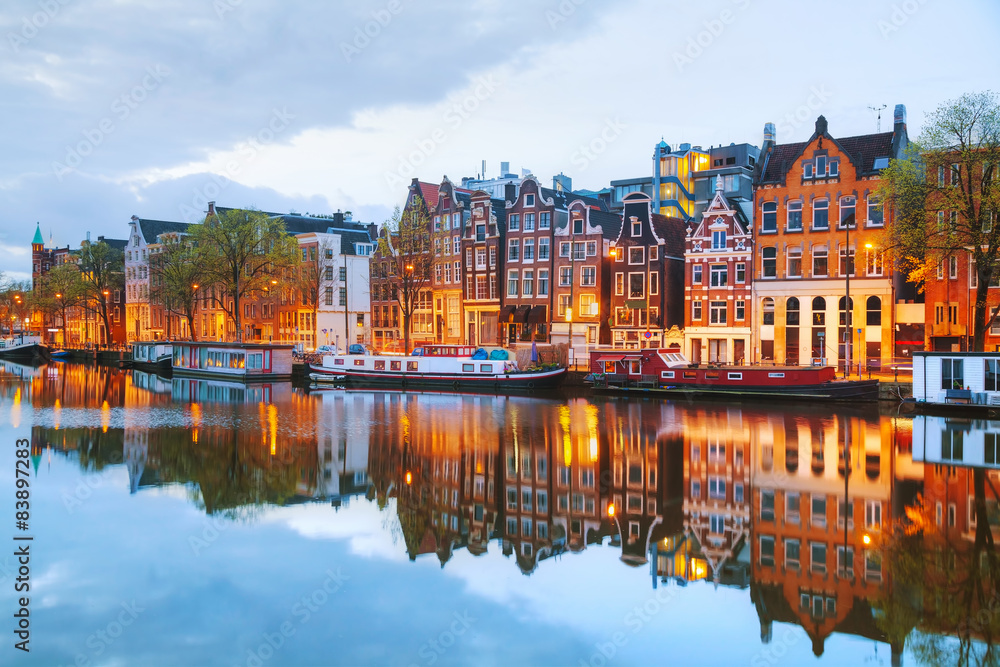
Amsterdam’s canal ring, recognised on the UNESCO World Heritage list, remains a powerful introduction to the country. The Rijksmuseum, which showcases the masterpieces of the Dutch Golden Age, alongside the Van Gogh Museum, the Jordaan, and the area around Anne Frank House, can fill several days. However, a holiday based only in Amsterdam misses the contrast found elsewhere.
Rotterdam is defined by post-war rebuilding, experimental architecture, and one of Europe’s largest ports. The Markthal, Cube Houses, and riverside skyline offer a sharp change from the narrow gabled streets built during the height of the Dutch Republic.
The Hague combines government institutions around the Binnenhof with the Mauritshuis, home to Vermeer’s Girl with a Pearl Earring and other essential works from the Dutch Golden Age. The Peace Palace surroundings and Scheveningen beach make it possible to combine paintings, politics, and sea air in one stay.
Utrecht has low canals with waterside cellars, medieval lanes, and the Dom Tower. Maastricht, near the Belgian border, has a more southern character, with old squares, churches, and a strong café culture.
Amsterdam beyond the famous canal belt
The main museums and canal walks deserve time, yet De Pijp, Plantage, and Amsterdam Noord provide a calmer view of the city. De Pijp has markets and neighbourhood restaurants, while Plantage has green space, the zoo, and cultural sites.
Highly demanded attractions often use timed entry, so reservations should be made before travel. Residential streets and memorial locations require restraint, particularly around Anne Frank House, where queues and photography can disturb local life.
Rotterdam, The Hague and Utrecht for a different city break
Rotterdam suits travellers interested in Dutch architecture and maritime history. The Hague offers formal boulevards, major museums, and direct access to the coast. Utrecht feels more compact, with cafés beside the Oudegracht and strong rail links in every direction.
Together, these cities work well as a multi-city route. A base in Utrecht can reduce travel time, while separate overnight stays reveal more of Rotterdam’s evening waterfront and The Hague’s beach atmosphere.
Day Trips and Longer Routes Through the Netherlands
The Netherlands rewards a measured itinerary. Major cities are close together, but museums, markets and coastlines can easily take longer than expected.
Easy day trips from Amsterdam
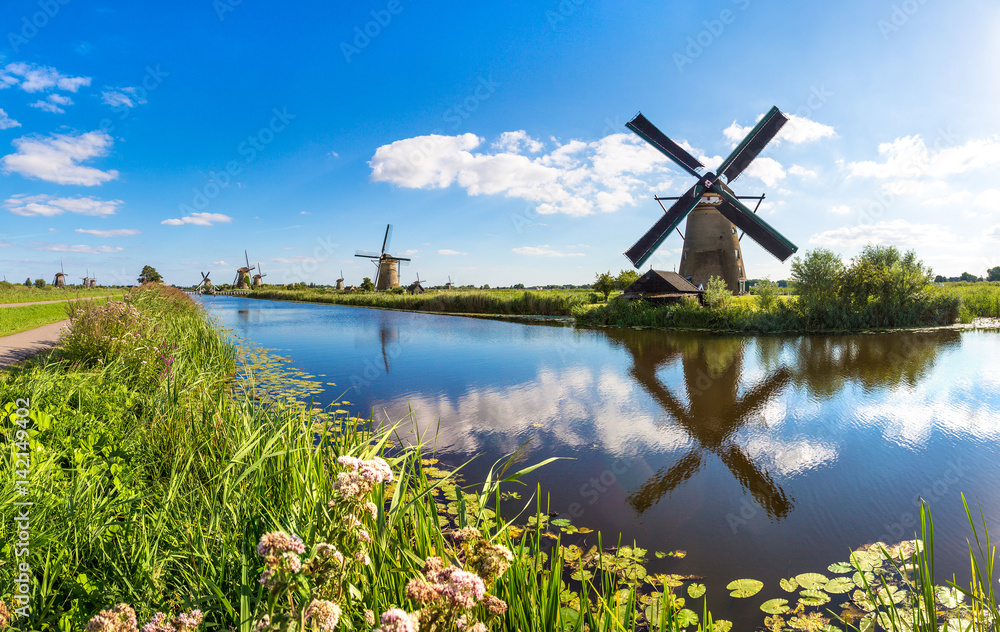
Zaanse Schans offers a glimpse into the country’s industrial past, with working windmills and historic buildings situated on polders, a testament to the masterful land reclamation that characterises the region. Nearby, Haarlem offers galleries, brick architecture and the Frans Hals Museum, while Volendam and Marken retain their historic links to fishing and maritime trade.
Delft is known for its canals, blue-and-white pottery and a long association with Johannes Vermeer. Spring visitors can add Keukenhof to their plans when the gardens are in bloom. These popular spots often become busy by late morning, so taking early trains and pre-booking entries can protect your day from lengthy queues.
A one-week route for first-time visitors
A balanced first visit could allow three nights in Amsterdam, one or two in Utrecht, then two nights split between Rotterdam and The Hague. Delft fits naturally between the latter two cities, offering a short rail journey and an easy centre for walking.
This route leaves time for canal cruises, the Rijksmuseum, Rotterdam’s expansive harbour, the Mauritshuis and a beach walk at Scheveningen. Zaanse Schans or Haarlem can easily replace a museum day for travellers who prefer the countryside or smaller city streets. Rail travel keeps the schedule simple, as there is little need to change accommodation every night when exploring the Netherlands.
A relaxed two-week itinerary with coast, countryside and islands
A longer holiday allows you to explore further afield, such as Zeeland’s beaches and estuaries, or Friesland’s charming waterside towns. You might also consider visiting a Wadden Island like Texel, which is shaped by the tides of the North Sea. These areas bring dune paths, wetlands, birdlife and quieter cycling routes, often protected by impressive dikes that highlight the nation’s ongoing relationship with the water.
Smaller places make better sense when you have extra time. Giethoorn features canals instead of streets in its oldest quarter, Leiden combines university history with exceptional museums, and Amersfoort and ‘s-Hertogenbosch offer well-preserved centres without the pressure often found in Amsterdam.
Rest days are essential on a two-week route. A morning spent beside a harbour or on a coastal cycle path can be just as memorable as another gallery ticket.
What to Eat and Where to Find Dutch Food
Dutch cuisine is much broader than the familiar image of cheese and chips. Markets, Indonesian restaurants, bakery counters and modern Dutch dining rooms all appear in the larger cities. Exploring the diverse food scene throughout the Netherlands reveals a culinary culture that is constantly evolving.
The best meals often lie beyond the busiest tourist streets. Food halls, neighbourhood cafés and well-reviewed destination restaurants can offer better value and a clearer sense of local habits. In Amsterdam, Restaurant De Kas is known for produce-led cooking, while Rotterdam’s Markthal brings many casual options under one roof.
Dutch dishes and drinks worth trying
Freshly made stroopwafels are best warm, while poffertjes are small, fluffy pancakes often served with butter and sugar. Bitterballen, crisp fried ragout balls, commonly appear as a classic Dutch snack with drinks. Fries usually arrive with a choice of sauces rather than plain salt.
Herring is a traditional coastal snack, though taste and preparation vary. Famous Dutch cheeses include Gouda and Edam, while apple pie is often served in generous slices with cream. Indonesian rijsttafel, a meal of small dishes shaped by colonial history, remains a distinctive part of the Dutch dining experience.
Larger cities have wide vegetarian and plant-based choices, particularly around De Pijp, Utrecht’s centre and the various city food markets.
How to plan meals during a sightseeing day
Opening hours vary, especially outside major cities. Booking popular restaurants in advance avoids a late search after museums close. A proper lunch can also break up a crowded sightseeing schedule.
Markets and casual cafés are useful alternatives to expensive central dining. Countryside trips require snacks and water, as village options may be limited outside peak hours.
How to Plan and Book a Netherlands Holiday Online
Online planning makes multi-stop holidays easier to compare before money changes hands. Transport times, accommodation areas, attraction availability, cancellation terms, and total costs in Euro can be checked together rather than pieced together after arrival.
Official attraction and transport pages should take priority over third-party descriptions. Fare conditions, luggage limits, local taxes, and ticket collection rules can alter the true cost of a trip. As you are travelling from the UK, it is also worth noting that standard European Union consumer protection and roaming regulations may influence how you manage your bookings and mobile connectivity.
What to compare before paying
The lowest headline figure rarely tells the whole story. Useful checks include:
- Departure airport or rail station, transfer duration, and baggage allowance.
- Accommodation location, breakfast terms, local taxes, and cancellation conditions.
- Timed attraction entry, rail connections, and the cost of travel between cities.
- Whether tickets require a phone signal, printing, collection, or advance seat reservations.
A centrally located room can cost more but reduce late-night taxi journeys and lost sightseeing time.
Using online tools to build a smoother itinerary
A day-by-day plan should include realistic train times, museum slots, and space for lunch or bad weather. Offline maps, saved tickets, and weather checks reduce reliance on mobile data.
Confirmation emails and booking references should remain available offline. Digital planning cuts paperwork and makes changes easier, but each provider’s terms still govern refunds and amendments. When managing your Netherlands itinerary, ensuring all documents are accessible on your device will help you navigate your travel dates with confidence.
Practical Advice for UK Travellers in the Netherlands
Entry requirements can change, so you should always check the official UK government travel advice before departure. As a constitutional monarchy, the Netherlands operates under a system where the Prime Minister leads the government, and the States General serves as the primary legislative body, often based in historic buildings in The Hague. While the mainland is a key member of the European Union and NATO, it is worth noting that the country also oversees the Caribbean Netherlands, which consists of three special municipalities. This nation has a proud history of independence that continues to shape its distinct cultural identity today.
Money, language and everyday customs
English is widely spoken in visitor areas, although using a few Dutch phrases is always courteous. Dank je wel means thank you, and goedemorgen means good morning. The Netherlands uses the Euro, and while card payments are widespread, carrying a backup card or a small amount of cash is sensible.
Restaurant service is less formal than in the UK, and tips are usually modest rather than automatic. Around canals, trams and cycle routes, attention matters more than hurried sightseeing. Pedestrians should never step into a cycle lane without checking it first, as the Dutch take their cycling infrastructure very seriously.
Staying safe, comfortable and prepared
Busy stations and major attractions can attract pickpockets, so keep your bags and phones secure, just as you would in London or other crowded UK cities. Canals have low edges, and tram tracks can easily catch bicycle wheels if you are exploring on two wheels.
Travel insurance remains essential. A GHIC or EHIC may help with necessary state healthcare where accepted, but it does not replace the need for comprehensive insurance. Essential medication, accessibility information and emergency contacts should always be carried, and you should remember that 112 is the universal emergency number.
Frequently Asked Questions
Do I need a visa to travel to the Netherlands from the UK?
UK citizens generally do not require a visa for short tourist stays, but you must ensure your passport meets current validity requirements for the European Union. It is recommended to check the official UK government travel advice website before booking your trip to stay updated on the latest entry regulations.
Is it easy to get around the Netherlands without a car?
Yes, the Netherlands has an exceptional public transport network consisting of frequent intercity trains, trams, and buses that connect almost all major tourist destinations. Cities are also highly cycle-friendly, and using a combination of rail travel and local bicycle rental is often the most convenient and authentic way to explore.
Is English widely spoken in the Netherlands?
English is spoken to a very high standard by the vast majority of people in the Netherlands, especially in hotels, shops, museums, and restaurants. While you will have no trouble communicating, learning a few basic Dutch phrases like ‘dank je wel’ (thank you) is considered a polite and appreciated gesture.
When is the best time of year to visit?
Spring is particularly famous for the vibrant tulip displays and blooming bulb fields, while summer offers the best weather for cycling and enjoying the coastal beaches. If you prefer fewer crowds and lower prices, the autumn months are excellent for visiting museums and enjoying a quieter city break experience.
A Country Built for Repeat Visits
The Netherlands is remarkably easy to reach from the UK, yet it resists being reduced to just one canal-lined capital. Amsterdam offers a compelling starting point for any trip, but the modern architecture of Rotterdam, the expansive coastline of The Hague, the medieval waterside streets of Utrecht and the intimate, quiet scale of Delft reveal a much wider experience. Whether you are exploring historic town centres or looking out across land reclaimed from below sea level, the variety of the Dutch landscape ensures there is always something new to discover.
Careful online planning protects your time and budget, particularly when coordinating trains and timed entry tickets for popular landmarks. Still, the strongest memories often come from those unscheduled pauses, a spontaneous ferry crossing, a quiet bakery stop or a leisurely cycle ride beside the water. Every visit offers a deeper appreciation for the diverse character of the Kingdom of the Netherlands.
Discover more Buyers Guides and Reviews
For a list of our main buyers guides use the drop-down menu at the top of the page. Topics related to this article are:
Skiing Holidays Booking Guides
–
Explore Our Blog Categories for Expert Buying Advice
- AI Powered Product Finder Tools (25)
- Expert Buying Guides & Shopping Tips for UK Shoppers (1,367)
- Brands & Designer Products (Men, Women & Electronics) (273)
- Designer Fashion Brands: Buyer’s Guides & Reviews (153)
- Electronic Brands: Buyers Guides & Reviews (86)
- Apple Products Buyer’s Guides & Reviews (24)
- Brands – Phones, Laptops, PC”s, Tablets | Buyer’s Guides & Reviews (42)
- Electronics – Tablet & iPad Reviews and Buyers Guides (11)
- Kitchen Appliance Brands: Buyer’s Guides & Reviews (22)
- Laptop Brands & MacBooks Buyer’s Guides & Reviews (9)
- Phone Brands & iPhones Buyer’s Guides & Reviews (23)
- Car Buying & Financing Made Easy | Expert Guides for the UK (89)
- Clothing, Fashion & Accessories Buying Guides UK (454)
- Beauty, Health & Wellness | Perfume, Skincare, Makeup & Wellbeing Guides (165)
- Footwear: Trainers & Shoes Buyers Guides (46)
- Jewellery: Expert Reviews, Trends & Buying Guides (71)
- Men's Clothes — Buyers Guides & Reviews (38)
- Men’s Clothes, Fashion & Accessories Guides UK | Latest Trends & Smart Shopping (156)
- Women's Clothing Buyers Guides — Dresses, Tops & More (173)
- Women’s Clothes, Fashion & Accessories Guides UK | Latest Trends & Smart Shopping (395)
- Electronics, Tech & Gadgets: Reviews, Deals & Buying Guides UK (170)
- Furniture Buyer’s Guides | Home & Garden & Styling Tips (313)
- Bedroom Furniture Guides UK | Expert Tips & Best Value Deals (91)
- Garden Furniture, Landscaping & Garden Rooms Guides UK | Expert Tips & Best Value Deals (158)
- Garden Sofa & Sofa Sets Buyers Guides (11)
- Garden Tables & Chairs: Sets, Individual Tables & Seating Buyers Guides (42)
- Home Furniture, Décor & Interior Design Guides UK | Styling Tips & Inspiration (167)
- Living Room Furniture, Design & Décor Guides UK | Styling Tips & Inspiration (57)
- Sofa & Sofa Beds Buyers Guides (19)
- Sofa Beds Buyers Guides (7)
- Sofa Buyers Guides & Expert Advice (11)
- Holidays & Travel: Hotels, Villas & Flights (158)
- Home & Garden Improvements | Renovations & Outdoor Transformation Guides (99)
- Insurance & Protection: Travel, Landlord, Gadget & More UK (159)
- Gadget Insurance UK | Expert Guides, Reviews & Smart Protection Tips (33)
- Home Emergency Cover UK | Expert Guides, Reviews & Practical Protection Tips (21)
- Landlords Insurance UK | Expert Guides, Reviews & Smart Protection Tips (31)
- Travel Insurance UK | Expert Guides, Reviews & Money-Saving Tips (34)
- Pets: Guides, Tips & Inspiration (26)
- Brands & Designer Products (Men, Women & Electronics) (273)
- Gifts for Everyone: Ideas for Every Occasion & Budget (45)