Clutter has a funny way of spreading. One pile becomes three, then the sideboard disappears under “useful” stuff, and suddenly your home feels smaller. The right shelving unit can fix that fast, not by hiding everything, but by giving your things a proper place.
This guide keeps it simple: how to choose the right size, the right strength, and the right style for UK homes (including awkward alcoves, tight terraces, and rented flats). It also covers materials, quick quality checks, and safe fitting, whether you’re organising a living room, kitchen, bedroom, home office, or garage. Budgets vary, from basic flat-pack to solid wood and modular systems, so the aim is to help you buy once and buy well.
Choose the right shelving unit for your space and what you need to store
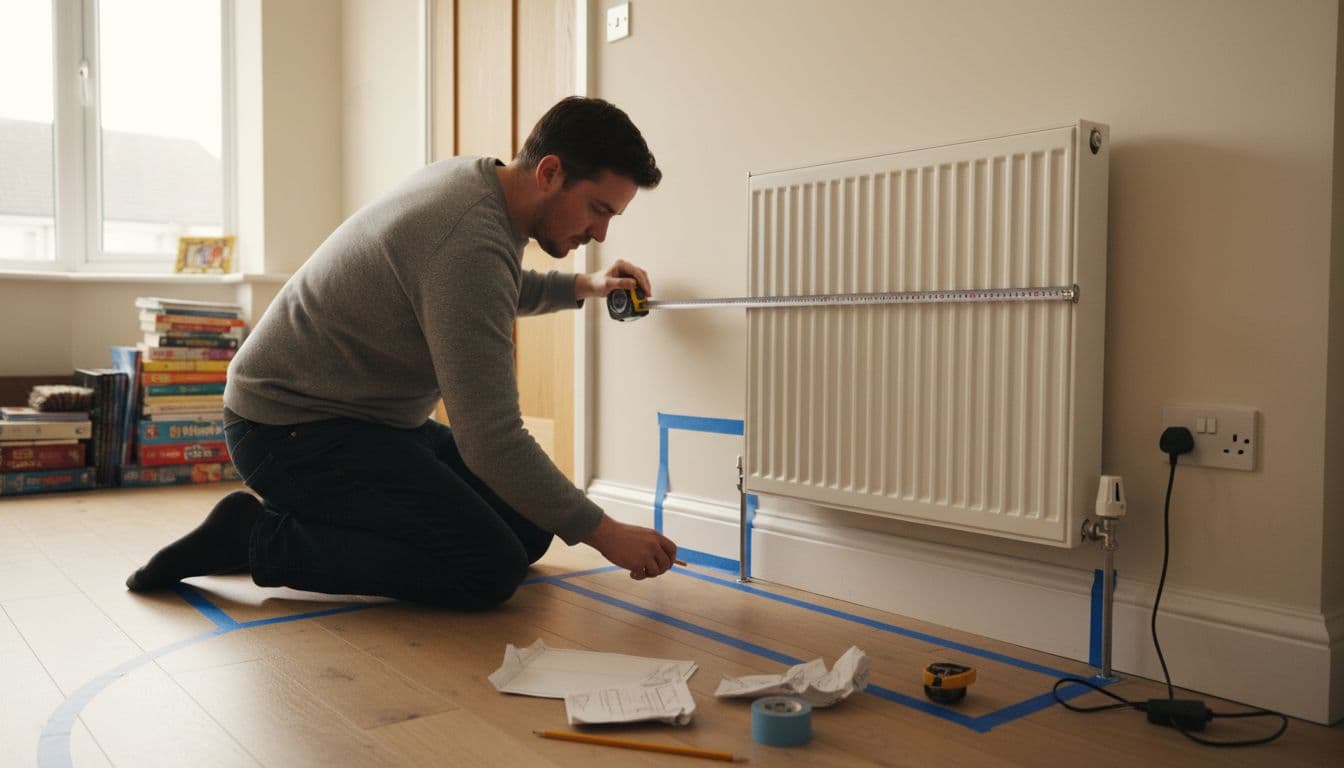 Measuring up properly helps you avoid buying shelving that blocks doors, radiators, or sockets (image created with AI).
A shelving unit isn’t just “a shelf”. It’s a piece of furniture that needs to fit your room and your routines. Start by listing what you want to store, then measure the space. This stops the classic mistake of buying something that looks perfect online, then turns up too deep, too tall, or too flimsy.
Think of shelving like a suitcase. If you pack the wrong case, you either squash everything in, or you drag around wasted space. The best choice feels calm and obvious once it’s in place.
Measure first, then plan your layout (height, width, depth, and clearance)
Measure the height, width, and depth of the spot where the shelving will go. Then measure what could get in the way.
- Skirting boards can push units forward, leaving a gap at the back.
- Radiators need breathing space, and shelves too close can trap heat.
- Plug sockets and switches can become awkward if a unit sits right in front.
- Door swings matter, especially in box rooms and hallways.
- Walking space matters more than people think, a tight pinch point gets annoying quickly.
Depth is the quiet deal-breaker. Books and vinyl need a sensible depth; kitchen items might need more if you’re storing jars or appliances; baskets need enough room to slide in and out without scraping your knuckles. When in doubt, measure your biggest item and add a bit of clearance.
A quick visual trick: use painter’s tape on the wall, or cut paper templates and tape them up. It’s like trying on clothes before buying, it shows you the “fit” straight away.
Match shelf strength to the load (books, vinyl, plants, tools, storage boxes)
Weight matters because shelves fail slowly. A unit can look fine for months, then you notice the middle shelf bowing like a tired smile.
Use common-sense checks:
Signs a unit is too light-duty: thin shelves with long spans, weak connectors, or a tall frame that wobbles when you touch it.
Simple ways to prevent sag and wobble: put the heaviest items on the bottom, spread weight evenly across the shelf, and avoid loading one side like a ship listing in rough seas.
Adjustable shelves help you fit odd-shaped items, but they also need good supports. For longer shelves, a centre support (or a design with vertical dividers) can make a big difference. Always check the manufacturer’s load rating if it’s provided, and treat it as a real limit, not a suggestion.
Types of shelving units and where each works best
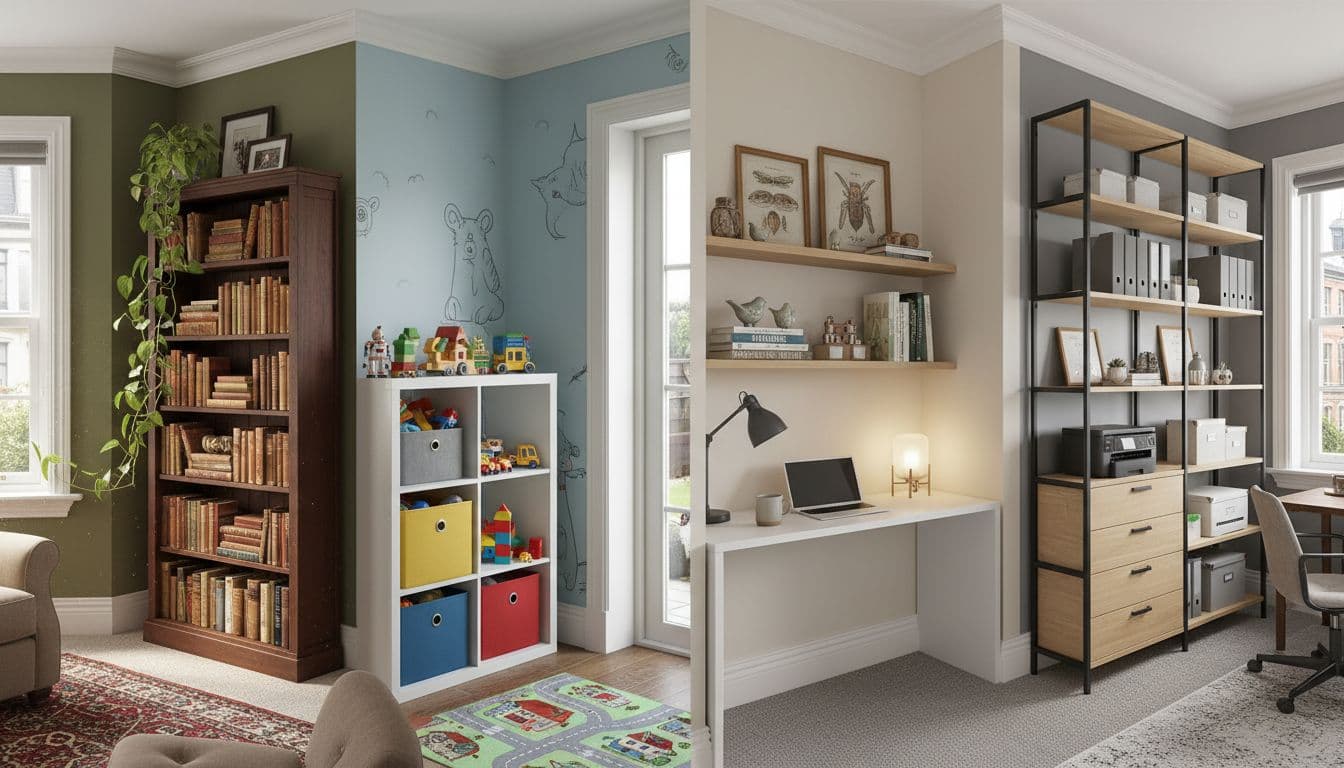 Different shelf styles suit different rooms, from freestanding bookcases to wall-mounted shelves and modular systems (image created with AI).
There’s no single “best” shelving unit, only the best one for your room and your habits. The main styles below cover what most people search for, and each solves a slightly different storage problem.
Freestanding shelving units, bookcases, and cube storage
Freestanding units are the easiest win. No drilling, quick to move, and simple to rework when you rearrange furniture. They suit living rooms, bedrooms, rented homes, and anywhere you might change your mind later.
The trade-off is stability. Tall units can tip if they’re narrow, top-heavy, or on uneven floors. If it’s going in a family home, anchoring is often the sensible choice (more on that below).
Cube storage is great for mixed use, toys, paperwork, chargers, and all the “bits” that don’t stack nicely. To stop it looking messy, treat open cubes like open cupboards:
- Use baskets or boxes to group small items.
- Mix display space with hidden storage.
- Leave some breathing room, every cube doesn’t need filling.
Wall-mounted shelves and floating shelves (great for small rooms)
Wall-mounted shelves free up floor space, which matters in smaller rooms and tight flats. They work well above desks, in alcoves, in hallways for keys and post, and in bathrooms for towels and toiletries.
The key is using the right fixings for your wall type. Plasterboard needs different fixings than brick or blockwork, and some walls hide pipes and cables. Before drilling, check the area and avoid mounting shelves directly above sockets, radiators, or known pipe runs.
A tidy look comes from small choices: matching brackets, shelves levelled properly, and cables either clipped neatly or kept away from the shelf zone. Floating shelves can look sharp, but only if the installation is solid and the load stays light to medium.
Modular and adjustable shelving systems (grow with you)
Modular systems suit people whose needs change. A home office might become a nursery, a spare room might turn into a hobby space, and suddenly you want drawers, doors, or extra shelves.
Look for systems built around uprights or tracks, with shelves that adjust without fuss. The real value is in add-ons: drawers for paperwork, rails for hanging items, doors to hide clutter, and extra sections you can add later. If you plan to use the same system in more than one room, choose a finish that won’t clash with changing décor.
Materials, finish, and build quality, what lasts and what looks good
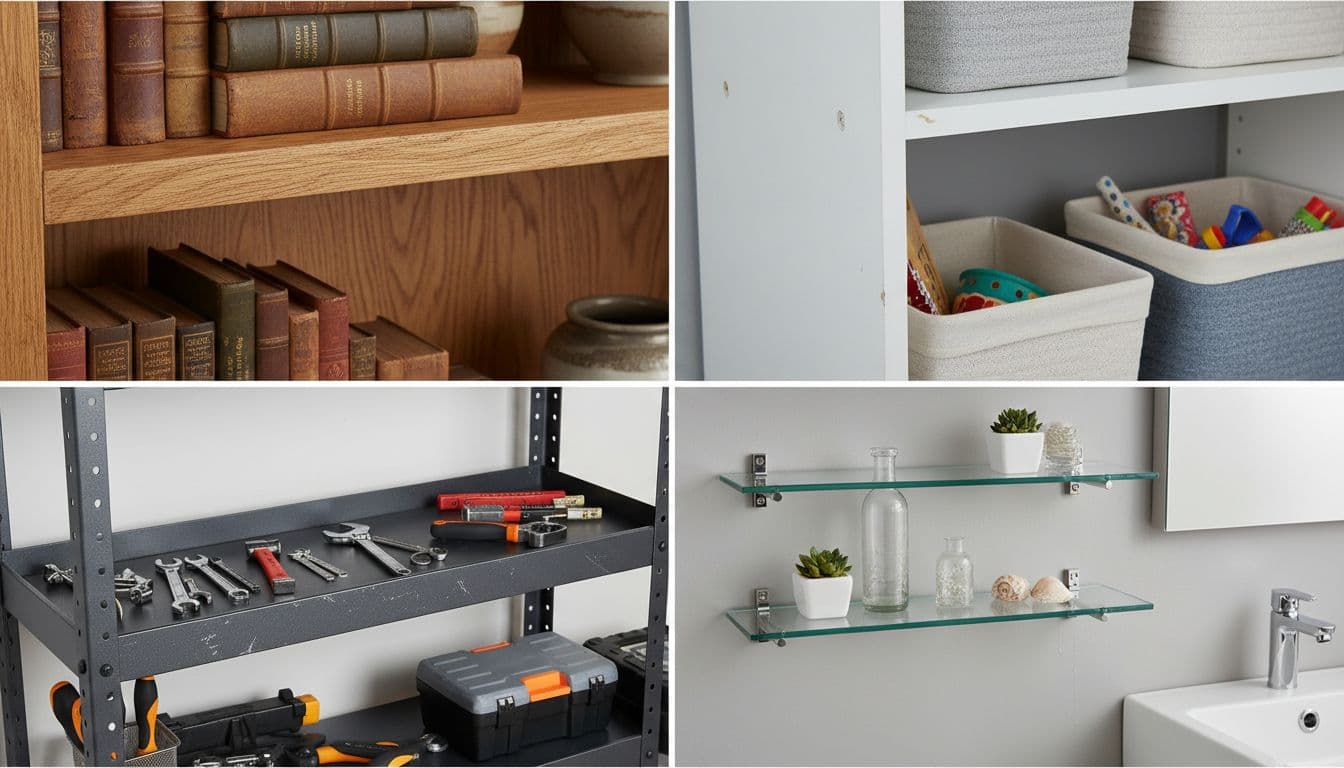 Common shelf materials have different strengths, from warm wood to practical metal and clean-looking glass (image created with AI).
Material affects how a shelving unit looks, how long it lasts, and how much attention it needs.
Wood, MDF, metal, and glass shelves (pros, cons, and upkeep)
Here’s a simple comparison of common shelving materials:
| Material | Best for | Pros | Watch-outs | Care tips |
|---|---|---|---|---|
| Solid wood | Living rooms, bedrooms | Warm look, can be sanded and repaired | Can mark if untreated, can move slightly with humidity | Wipe dry, use coasters under plants |
| MDF (often painted or laminated) | Budget storage, cube units | Smooth finish, good value | Swells if water gets into edges | Keep dry, don’t mop spills into joints |
| Metal | Garage, utility, pantry | Strong, handles heavy loads | Can rust in damp areas | Keep dry, treat chips quickly |
| Glass | Bathrooms, display areas | Light, clean look | Usually lower load, shows marks | Use glass cleaner, avoid heavy items |
If you’re using shelves in a damp space (bathroom, utility room, unheated garage), material choice matters. MDF edges and cheap finishes don’t love moisture. Metal needs rust protection, and untreated wood needs care.
Quick quality checks before you buy (back panels, fixings, wobble, and shelf sag)
You don’t need to be an expert to spot a flimsy unit. Check these basics:
- Back panel: a solid, well-fitted back helps stop racking (that side-to-side wobble).
- Shelf thickness and span: long, thin shelves sag faster, especially under books.
- Fixings and connectors: better hardware usually means better stability.
- Adjustable feet: useful on uneven floors, common in older UK homes.
- Build square: even flat-pack can be strong if it’s assembled tight and square.
If possible, gently test for wobble. A shelving unit shouldn’t feel like it’s balancing on hope.
Safety, assembly, and smart ways to save money on shelving units
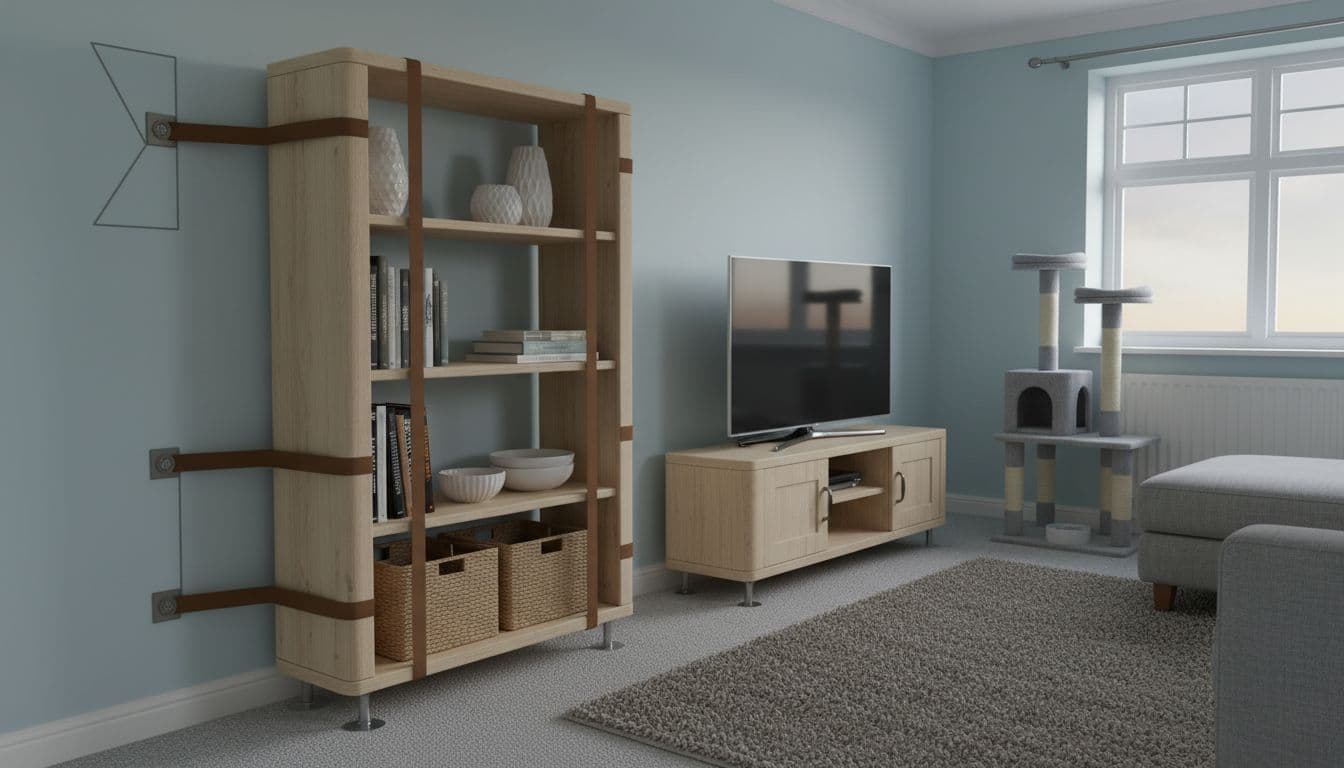 Anchoring tall units and placing heavy items low helps prevent tip-overs in busy family spaces (image created with AI).
A great shelving unit is only great if it’s safe, stable, and suits your budget.
Safety basics: anchoring, child and pet proofing, and preventing tip-overs
Tall, narrow shelving is the highest risk, especially on carpet, near doors, or in homes with children and pets. If a unit could tip when a drawer is opened or a shelf is tugged, anchor it.
Wall straps are a simple fix, but they only work if the wall fixings match the wall type. Use the right fixings for plasterboard, brick, or blockwork, and don’t guess if you’re unsure. Place heavy items low, keep climbing temptations away (like stools or toy boxes next to shelves), and avoid routing loose cords behind units where they can snag.
Save money without regret: set a budget, compare features, and avoid costly mistakes
Saving money isn’t about buying the cheapest option. It’s about paying for what stops future hassle.
A quick spending filter helps:
Worth paying for: stability, thicker shelves for heavy loads, better moisture resistance in kitchens and bathrooms, and adjustability if your needs change.
Easy places to save: open shelving rather than doors, simpler finishes, and fewer decorative extras.
Also factor in the hidden costs: fixings, baskets, drawer inserts, delivery, and any tools you might need. Buying the right size first time often beats buying twice, especially if you later replace a unit that doesn’t fit the space or starts to sag.
Conclusion
A good shelving unit brings order to the everyday mess, but the best results come from the basics: measure properly, match the shelf strength to what you’ll store, choose the right type for the room, and check materials and build quality before you commit. Don’t treat safety as optional, especially with tall units. Start today by measuring your space and writing a quick list of what needs a home, then compare shelving by features, not just price.
Explore More Expert Buyers Guides and Reviews
For a list of our main buyers guides use the drop-down menu at the top of the page. Topics related to this article are:
Home and Garden Furniture Buyers Guides
Bedroom Furniture Buyers Guides
living Room Furniture Buyers Guides
Garden Furniture Buyers Guides
–
Explore Our Blog Categories for Expert Buying Advice
- AI Powered Product Finder Tools (25)
- Expert Buying Guides & Shopping Tips for UK Shoppers (1,431)
- Brands & Designer Products (Men, Women & Electronics) (285)
- Designer Fashion Brands: Buyer’s Guides & Reviews (163)
- Electronic Brands: Buyers Guides & Reviews (88)
- Apple Products Buyer’s Guides & Reviews (25)
- Brands – Phones, Laptops, PC”s, Tablets | Buyer’s Guides & Reviews (42)
- Electronics – Tablet & iPad Reviews and Buyers Guides (11)
- Kitchen Appliance Brands: Buyer’s Guides & Reviews (22)
- Laptop Brands & MacBooks Buyer’s Guides & Reviews (9)
- Phone Brands & iPhones Buyer’s Guides & Reviews (23)
- Car Buying & Financing Made Easy | Expert Guides for the UK (89)
- Clothing, Fashion & Accessories Buying Guides UK (496)
- Beauty, Health & Wellness | Perfume, Skincare, Makeup & Wellbeing Guides (183)
- Footwear: Trainers & Shoes Buyers Guides (49)
- Jewellery: Expert Reviews, Trends & Buying Guides (73)
- Men's Clothes — Buyers Guides & Reviews (39)
- Men’s Clothes, Fashion & Accessories Guides UK | Latest Trends & Smart Shopping (167)
- Women's Clothing Buyers Guides — Dresses, Tops & More (194)
- Women’s Clothes, Fashion & Accessories Guides UK | Latest Trends & Smart Shopping (435)
- Electronics, Tech & Gadgets: Reviews, Deals & Buying Guides UK (173)
- Furniture Buyer’s Guides | Home & Garden & Styling Tips (326)
- Bedroom Furniture Guides UK | Expert Tips & Best Value Deals (93)
- Garden Furniture, Landscaping & Garden Rooms Guides UK | Expert Tips & Best Value Deals (169)
- Garden Sofa & Sofa Sets Buyers Guides (11)
- Garden Tables & Chairs: Sets, Individual Tables & Seating Buyers Guides (53)
- Home Furniture, Décor & Interior Design Guides UK | Styling Tips & Inspiration (169)
- Living Room Furniture, Design & Décor Guides UK | Styling Tips & Inspiration (57)
- Sofa & Sofa Beds Buyers Guides (19)
- Sofa Beds Buyers Guides (7)
- Sofa Buyers Guides & Expert Advice (11)
- Holidays & Travel: Hotels, Villas & Flights (161)
- Home & Garden Improvements | Renovations & Outdoor Transformation Guides (102)
- Insurance & Protection: Travel, Landlord, Gadget & More UK (159)
- Gadget Insurance UK | Expert Guides, Reviews & Smart Protection Tips (33)
- Home Emergency Cover UK | Expert Guides, Reviews & Practical Protection Tips (21)
- Landlords Insurance UK | Expert Guides, Reviews & Smart Protection Tips (31)
- Travel Insurance UK | Expert Guides, Reviews & Money-Saving Tips (34)
- Pets: Guides, Tips & Inspiration (26)
- Brands & Designer Products (Men, Women & Electronics) (285)
- Gifts for Everyone: Ideas for Every Occasion & Budget (49)