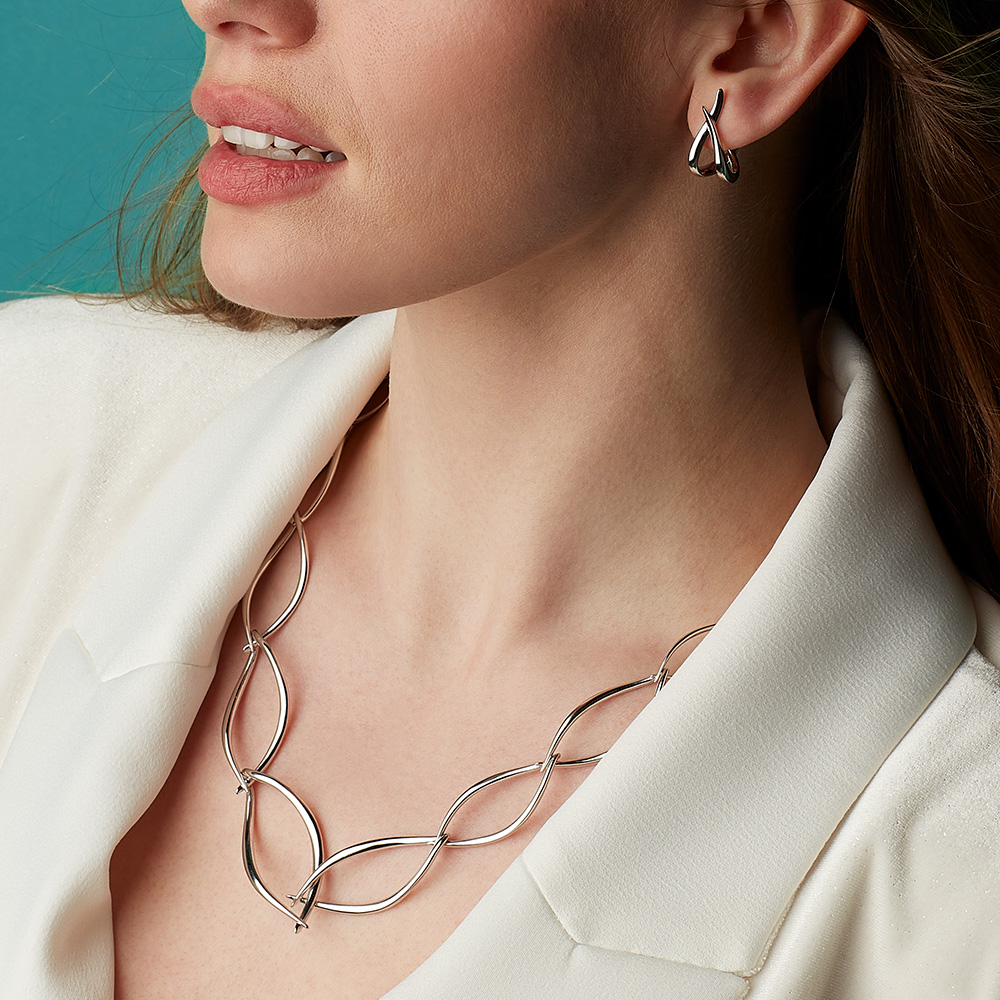
Silver jewellery has that quiet kind of glamour. It catches the light, looks chic with almost anything, and feels special without shouting about the price tag. For many UK women, it hits the sweet spot between everyday wear and little luxury.
If you want silver jewellery that looks expensive but does not wreck your budget, this guide is for you. It will walk you through the types of silver, how to spot real quality, how to avoid common shopping mistakes, and when to buy to get the best prices.
Think of this as a friendly, money-saving, comparison-driven guide for UK shoppers, not a dry jewellery textbook. Grab a cuppa, open your favourite price comparison tab, and let’s start.
What is silver jewellery and why do UK women love it?
Silver jewellery is any ring, necklace, bracelet, earring, or pendant made from silver or mainly silver. Most quality pieces use sterling silver, which is silver mixed with a small amount of another metal to make it stronger.
In the UK, silver is popular for a few simple reasons:
- It looks fresh and modern without trying too hard.
- It pairs well with casual outfits and smarter looks.
- It costs far less than solid gold, so you can buy more than one piece.
Compared with costume jewellery, silver usually feels heavier, looks brighter, and lasts longer. Compared with gold, it gives a similar sense of polish at a mid-range price. For many women, it is the easy choice for daily wear, work, and nights out.
How silver jewellery compares to gold, plated, and costume pieces
When you shop, you will see all sorts of metals and price points. A quick comparison helps you judge value at a glance.
| Type | Look and feel | Typical price level | Durability & wear | Best for |
|---|---|---|---|---|
| Sterling silver | Bright white, cool-toned | Mid-range | Can tarnish, easy to polish | Everyday wear, long-term use |
| Solid gold | Yellow, rose, or white | High | Very durable, keeps value | Heirloom pieces, special investments |
| Gold plated on base metal | Gold at first glance | Low to mid | Plating wears off with time | Trend pieces you do not plan to keep for years |
| Stainless steel | Grey, slightly darker than silver | Low | Very hard-wearing, rarely tarnishes | Budget-friendly basics, chunky looks |
| Cheap costume alloys | Varies, often very shiny | Low | Can flake, fade, or turn skin green | One-off nights out, fancy dress |
Silver sits neatly in that middle space. It gives a luxury feel at a realistic price, so you get more wear for every pound you spend.
Popular silver jewellery styles in the UK right now
Trends move fast, but a few silver styles are having a real moment across the UK:
- Chunky silver chains with simple tees and blazers
- Stacking rings, thin bands mixed with one bolder ring
- Huggie hoops that sit close to the ear, plain or with tiny stones
- Classic signet rings, often with initials or tiny symbols
- Personalised name necklaces, often in script fonts
- Birthstone pendants, either single stones or cluster charms
- Minimalist silver studs for work, tiny bars, discs, or dots
Pick one or two that match your everyday outfits first, then add fun trend pieces once your basics feel sorted.
Understanding sterling silver, hallmarks, and other silver types
This is where you save real money. Once you understand the main silver terms and UK hallmarks, you can spot a bargain and avoid paying solid-silver prices for plated pieces.
Most UK product pages will mention terms like “sterling silver”, “925”, or “silver plated”. A quick check of those words, plus any hallmark photos, tells you a lot about what you are really buying.
What is sterling silver and why “925” matters
Pure silver is very soft, so jewellers mix it with other metals to make it stronger. Sterling silver is:
- 92.5 percent pure silver
- 7.5 percent other metals, usually copper
That is where “925” comes from. When you see:
- “925 sterling silver” in the description
- A tiny “925” stamp on the piece
you know it meets the standard most UK jewellers use for quality daily-wear silver.
Sterling silver has a bright, cool-white colour. It can pick up a warm tone over time because of the copper, but a quick polish brings it back to life. It costs more than plated pieces, yet far less than solid gold, so it is often the best value for money for long-term wear.
Silver plated, vermeil, and pure silver: key differences
You will also see other terms that sound similar but behave very differently.
Silver plated
- A base metal, such as brass, with a thin layer of silver on top
- Cheaper, lighter, and often very shiny at first
- The silver layer can wear off, especially on rings and bracelets
- Good for short-term trends, not ideal for “forever” pieces
Gold vermeil on silver
- Thick gold plating on sterling silver
- Better quality than standard gold plating on base metal
- When the gold wears, you still have silver under it
- Great if you like mixing gold and silver and want more value
Fine or pure silver (often marked 999)
- 99.9 percent pure silver
- Softer and more likely to bend or scratch
- Often used for coins or special pieces, not heavy daily wear
- Usually more expensive and needs more gentle care
For everyday wear, most UK women are best off choosing sterling silver or vermeil on sterling silver. Silver plated works if you just want a fun trend for one season and do not mind if it fades.
Reading UK silver hallmarks so you do not get tricked
In the UK, real silver jewellery above a certain weight must be hallmarked by an official assay office. This helps you avoid fakes and mystery metals.
Here is the simple version:
- If a piece is sold as silver and weighs more than 7.78 grams, it legally needs a hallmark.
- The hallmark is usually a tiny set of symbols, not just “925”.
- It might show the fineness (925, 958, or 999), a maker’s mark, and a small symbol for the assay office, such as London or Birmingham.
Where to look:
- Rings: inside the band
- Necklaces and bracelets: near the clasp or on a small tag
- Earrings: on the post or the back, sometimes very small
When shopping online in the UK, check if the product photos show the hallmark on more expensive pieces, and read the description carefully. If you only see vague terms like “silver tone” or “silver coloured” with no mention of sterling or 925, walk away or assume it is costume jewellery.
How to choose silver jewellery that suits your style and skin
The prettiest piece in the shop is not always the one you will wear twice a week. To avoid wasted spend and returns, match silver jewellery to your skin tone, your wardrobe, and your lifestyle.
Think less about following every TikTok trend and more about what you reach for at 7am on a work day.
Picking silver jewellery for your skin tone and everyday outfits
Silver is kind to most skin tones, which is one reason UK women love it.
A quick guide:
- Cool skin tones (pink or blue undertones) usually glow with silver.
- Neutral tones can wear both gold and silver, so choose based on clothes.
- Many warm tones suit silver, especially when paired with deeper colours.
Look at the clothes you wear most. Do you live in:
- Black, navy, grey, and white? Silver looks sharp and clean.
- Pastels, creams, and soft blues? Silver keeps the look light and fresh.
- Earthy tones like rust, khaki, and camel? Try silver mixed with small gold accents, such as a silver chain with a tiny gold charm.
Match your jewellery to your favourite coat, bag, or trainers. If you wear a black puffer, white trainers, and a grey hoodie three days a week, simple silver hoops and a medium chain will feel right at home.
Everyday essentials: hoops, studs, chains, and rings that go with everything
A small silver “capsule” gives you options without a drawer full of never-worn pieces. Start with:
- Simple studs for work and school runs
- Small or medium huggie hoops for evenings and weekends
- One medium silver chain or pendant at collarbone length
- One statement ring you love looking at on your hand
- One set of thin stacking rings you can mix and match
These pieces usually offer the best cost per wear. You can wear the studs and chain with a blazer, a hoodie, or a summer dress. Swap in the statement ring and hoops for a night out and your look jumps a level with almost no effort.
Once this base is in place, you can use comparison sites to hunt for fun extras like ear cuffs or anklets, without worrying that you have skipped the basics.
Special occasion silver jewellery for weddings, parties, and events
For weddings, parties, and big events, silver really comes into its own. It works with most dress colours, from deep jewel tones to pastels and neutrals.
Good options include:
- Drop earrings with cubic zirconia or crystals, paired with simple studs in other piercings
- Silver tennis bracelets or slim bangles that catch the light as you move
- Layered necklaces, such as a choker plus a longer pendant
When is it worth paying extra?
- For designs that feel classic, such as a plain tennis bracelet, silver with quality stones can stay in your wardrobe for years.
- For very bold, fashion-led shapes, you can save money by choosing plain silver with no stones, so you do not worry if you wear it only a few times.
If you are unsure, think, “Will I wear this to at least three events in the next two years?” If yes, it is usually worth spending a bit more on better silver and stones.
Smart ways to shop for silver jewellery in the UK and save money
You do not need a jeweller’s loupe to shop smart. You just need a few habits, plus a comparison mindset.
Before you buy, compare prices across a few UK retailers, check details carefully, and time your purchase when you can.
High street vs online vs small makers: where to buy silver jewellery
You have plenty of choice in the UK, each with its own pros and cons.
High-street jewellers
- Reliable quality and clear hallmarks
- Often higher prices, but regular sales
- Good if you like to see and try on pieces first
Fashion retailers
- Trend-led designs, easy to add to a clothes order
- Quality can vary a lot; some pieces are plated, not sterling
- Returns are usually simple, but read the fine print
Online-only brands and price comparison sites
- Wide choice, from minimalist to bold designs
- Easy to compare prices in a few tabs
- Look for clear details on metal type and hallmarks
Marketplaces and small makers (Etsy, craft fairs, local makers)
- Unique designs and custom pieces
- Prices can be great value or very high, depending on the maker
- Ask questions about metal type, hallmarks, and returns
A quick tip: if a piece seems very cheap for its size and shine, check carefully if it is silver plated rather than sterling.
How to check quality, reviews, and returns before you click buy
Before you hit “add to basket”, run through this short checklist:
- Does the description clearly say “925 sterling silver” or similar?
- Are there close-up photos, including the clasp and back of the piece?
- Is there mention of a UK hallmark on heavier items?
- Do reviews mention weight, shine, and how it wears over time?
- Are there real customer photos, not just perfect studio shots?
Be wary of phrases like “silver tone”, “silver effect”, or “silver coloured”. These usually mean no real silver.
Also check the returns policy. Jewellery can be tricky if it is classed as a hygiene item, especially earrings. A fair returns window and clear terms protect you if the piece looks different in real life.
Best times of year to find silver jewellery deals in the UK
Timing your buy can free up a lot of budget.
Key sale periods in the UK:
- January sales, once the Christmas rush has passed
- Mid-season fashion sales around spring and autumn
- Black Friday and Cyber Monday in late November
- Pre-Christmas offers, often starting in November
- Summer clearance, when retailers make room for new ranges
For brands you like, sign up to newsletters so you get early notice of private sales or discount codes. Check outlet sections on jewellers’ websites and use price comparison or price-tracking tools to see if a “deal” really is a deal.
If you can wait for a sale, you might step up from silver plated to sterling silver for the same money.
How to care for silver jewellery so it does not tarnish
Silver naturally reacts with air and some chemicals, which leads to tarnish, that dull grey or yellowish film. The good news is that a few simple habits keep it bright, and basic cleaning brings dull pieces back to life.
You do not need fancy kits or a spare afternoon every week. Just small routines.
Simple daily habits to keep silver shiny and bright
Try these easy habits:
- Take silver off before showering, swimming, or going to the gym.
- Put on perfume, hairspray, and body lotion first, then jewellery.
- Wipe pieces with a soft, dry cloth at the end of the day.
- Remove rings before cleaning, cooking with strong spices, or using bleach.
Doing even two of these most days will slow down tarnish and protect any stones.
Best ways to clean tarnished silver jewellery at home
When your silver starts to look dull, start gentle.
Safe options:
- Silver polishing cloths; cheap, quick, and ideal for chains and rings.
- Mild silver cleaner; follow the instructions and rinse well.
- Warm water with a little mild soap, then a soft brush for simple pieces.
Be careful with online “miracle” hacks that use strong chemicals or very hot water, especially if your jewellery has stones, enamel, or plating. These tricks can strip finishes or loosen settings.
Always read any care advice from the seller. Some pieces, such as those with soft stones or heavy plating, need gentler cleaning.
Storing silver jewellery to avoid knots, scratches, and colour change
Good storage makes a big difference and does not need to be fancy.
Try to:
- Keep silver dry, away from damp bathrooms.
- Store pieces in soft pouches or lined compartments so they do not scratch each other.
- Use small zip bags or anti-tarnish strips if you live somewhere humid.
- Fasten chains before putting them away to avoid knots.
A simple drawer organiser with small sections, each holding one or two pieces, works well in most homes.
Conclusion
Silver jewellery is one of the easiest ways to lift your everyday outfits without spending a fortune. When you know what type of silver you are buying, how UK hallmarks work, and which styles suit your life, you get more joy and better value from every piece.
Start with one or two key sterling silver items, such as classic hoops or a medium chain, then use comparison tools to find the best prices from trusted UK retailers. Time your buys around sales, read the small print, and look for clear metal details before you pay.
With a bit of care and smart shopping, your silver collection can grow slowly, feel personal, and stay shiny for years. You do not need a huge budget, just a clear eye, a few checks, and the confidence to pick pieces you will actually wear and love.
Explore our Buyers Guides and Reviews
For a list of our main buyers guides use the drop-down menu at the top of the page. Topics related to this article are:
–
Explore Our Blog Categories for Expert Buying Advice
- AI Powered Product Finder Tools (26)
- Expert Buying Guides & Shopping Tips for UK Shoppers (1,313)
- Brands & Designer Products (Men, Women & Electronics) (266)
- Designer Fashion Brands: Buyer’s Guides & Reviews (146)
- Electronic Brands: Buyers Guides & Reviews (85)
- Apple Products Buyer’s Guides & Reviews (23)
- Brands – Phones, Laptops, PC”s, Tablets | Buyer’s Guides & Reviews (41)
- Electronics – Tablet & iPad Reviews and Buyers Guides (11)
- Kitchen Appliance Brands: Buyer’s Guides & Reviews (22)
- Laptop Brands & MacBooks Buyer’s Guides & Reviews (9)
- Phone Brands & iPhones Buyer’s Guides & Reviews (22)
- Car Buying & Financing Made Easy | Expert Guides for the UK (89)
- Clothing, Fashion & Accessories Buying Guides UK (427)
- Beauty, Health & Wellness | Perfume, Skincare, Makeup & Wellbeing Guides (153)
- Footwear: Trainers & Shoes Buyers Guides (46)
- Jewellery: Expert Reviews, Trends & Buying Guides (71)
- Men's Clothes — Buyers Guides & Reviews (38)
- Men’s Clothes, Fashion & Accessories Guides UK | Latest Trends & Smart Shopping (146)
- Women's Clothing Buyers Guides — Dresses, Tops & More (162)
- Women’s Clothes, Fashion & Accessories Guides UK | Latest Trends & Smart Shopping (372)
- Electronics, Tech & Gadgets: Reviews, Deals & Buying Guides UK (169)
- Furniture Buyer’s Guides | Home & Garden & Styling Tips (300)
- Bedroom Furniture Guides UK | Expert Tips & Best Value Deals (92)
- Garden Furniture, Landscaping & Garden Rooms Guides UK | Expert Tips & Best Value Deals (148)
- Garden Sofa & Sofa Sets Buyers Guides (10)
- Garden Tables & Chairs: Sets, Individual Tables & Seating Buyers Guides (31)
- Home Furniture, Décor & Interior Design Guides UK | Styling Tips & Inspiration (164)
- Living Room Furniture, Design & Décor Guides UK | Styling Tips & Inspiration (56)
- Sofa & Sofa Beds Buyers Guides (18)
- Sofa Beds Buyers Guides (7)
- Sofa Buyers Guides & Expert Advice (10)
- Holidays & Travel: Hotels, Villas & Flights (157)
- Home & Garden Improvements | Renovations & Outdoor Transformation Guides (96)
- Insurance & Protection: Travel, Landlord, Gadget & More UK (159)
- Gadget Insurance UK | Expert Guides, Reviews & Smart Protection Tips (33)
- Home Emergency Cover UK | Expert Guides, Reviews & Practical Protection Tips (21)
- Landlords Insurance UK | Expert Guides, Reviews & Smart Protection Tips (31)
- Travel Insurance UK | Expert Guides, Reviews & Money-Saving Tips (34)
- Pets: Guides, Tips & Inspiration (26)
- Brands & Designer Products (Men, Women & Electronics) (266)
- Gifts for Everyone: Ideas for Every Occasion & Budget (40)
- AI Powered Product Finder Tools (26)
- Expert Buying Guides & Shopping Tips for UK Shoppers (1,313)
- Brands & Designer Products (Men, Women & Electronics) (266)
- Designer Fashion Brands: Buyer’s Guides & Reviews (146)
- Electronic Brands: Buyers Guides & Reviews (85)
- Apple Products Buyer’s Guides & Reviews (23)
- Brands – Phones, Laptops, PC”s, Tablets | Buyer’s Guides & Reviews (41)
- Electronics – Tablet & iPad Reviews and Buyers Guides (11)
- Kitchen Appliance Brands: Buyer’s Guides & Reviews (22)
- Laptop Brands & MacBooks Buyer’s Guides & Reviews (9)
- Phone Brands & iPhones Buyer’s Guides & Reviews (22)
- Car Buying & Financing Made Easy | Expert Guides for the UK (89)
- Clothing, Fashion & Accessories Buying Guides UK (427)
- Beauty, Health & Wellness | Perfume, Skincare, Makeup & Wellbeing Guides (153)
- Footwear: Trainers & Shoes Buyers Guides (46)
- Jewellery: Expert Reviews, Trends & Buying Guides (71)
- Men's Clothes — Buyers Guides & Reviews (38)
- Men’s Clothes, Fashion & Accessories Guides UK | Latest Trends & Smart Shopping (146)
- Women's Clothing Buyers Guides — Dresses, Tops & More (162)
- Women’s Clothes, Fashion & Accessories Guides UK | Latest Trends & Smart Shopping (372)
- Electronics, Tech & Gadgets: Reviews, Deals & Buying Guides UK (169)
- Furniture Buyer’s Guides | Home & Garden & Styling Tips (300)
- Bedroom Furniture Guides UK | Expert Tips & Best Value Deals (92)
- Garden Furniture, Landscaping & Garden Rooms Guides UK | Expert Tips & Best Value Deals (148)
- Garden Sofa & Sofa Sets Buyers Guides (10)
- Garden Tables & Chairs: Sets, Individual Tables & Seating Buyers Guides (31)
- Home Furniture, Décor & Interior Design Guides UK | Styling Tips & Inspiration (164)
- Living Room Furniture, Design & Décor Guides UK | Styling Tips & Inspiration (56)
- Sofa & Sofa Beds Buyers Guides (18)
- Sofa Beds Buyers Guides (7)
- Sofa Buyers Guides & Expert Advice (10)
- Holidays & Travel: Hotels, Villas & Flights (157)
- Home & Garden Improvements | Renovations & Outdoor Transformation Guides (96)
- Insurance & Protection: Travel, Landlord, Gadget & More UK (159)
- Gadget Insurance UK | Expert Guides, Reviews & Smart Protection Tips (33)
- Home Emergency Cover UK | Expert Guides, Reviews & Practical Protection Tips (21)
- Landlords Insurance UK | Expert Guides, Reviews & Smart Protection Tips (31)
- Travel Insurance UK | Expert Guides, Reviews & Money-Saving Tips (34)
- Pets: Guides, Tips & Inspiration (26)
- Brands & Designer Products (Men, Women & Electronics) (266)
- Gifts for Everyone: Ideas for Every Occasion & Budget (40)
–