Clinique’s range offers a choice of textures and price points, but each formula needs to suit your skin and budget.
A formula that feels comfortable on dry cheeks may seem heavy on an oily forehead, as different skin types have different needs. Compare lotion, gel, jelly and cream, alongside the ingredients and finish you prefer.
Price matters too, especially when a larger bottle looks better value but contains a formula you haven’t tried. Start with texture and comfort, then weigh up the packaging, your existing skincare routine and the cost of committing to a full size.
Key Takeaways
- Dramatically Different Lotion+, Gel and Hydrating Jelly offer different textures, so don’t treat them as interchangeable purchases.
- Moisture Surge focuses on hydration, whilst richer creams appeal to shoppers who prefer a more cushioned finish.
- Match your choice to skin comfort, known sensitivities and the products you already use.
- Compare current UK prices per millilitre, including delivery, rather than judging the headline price alone.
- A smaller size can reduce the financial risk of choosing a formula that doesn’t suit you.
Clinique Moisturiser: Which Formula Could Suit You?
Clinique is known for dermatologist-developed skincare and its three-step cleansing, exfoliating and moisturising routine. Its face moisturisers come in different formats for a range of skin types.
Product names, ingredients, sizes and UK availability can change. Check the exact listing and current pack rather than relying on an older review.
Dramatically Different lotions, gels and jelly
Dramatically Different Moisturising Lotion+, also listed as Dramatically Different Moisturizing Lotion, is the richer-feeling choice among these three. Consider it if your skin feels dry or you prefer some softness after application. UK packs may use “Moisturising” rather than “Moisturizing”. Verify the exact product and formula, rather than assuming the spelling signals a difference.
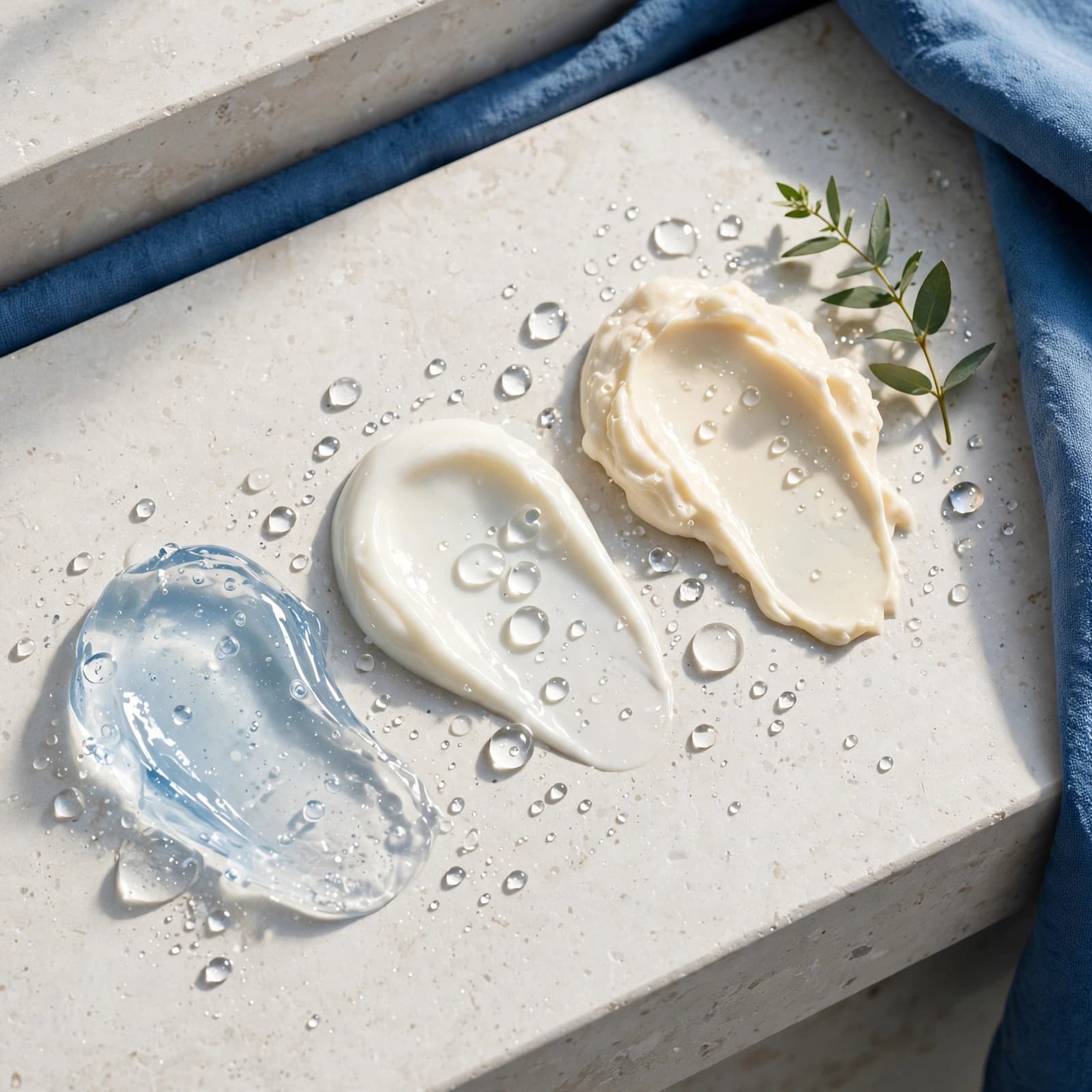
Dramatically Different Moisturising Gel offers a lighter-feeling option if you dislike a substantial coating. Dramatically Different Hydrating Jelly has a clear, watery texture, which may appeal if you prefer a hydrating jelly that feels unobtrusive.
Gel and jelly aren’t interchangeable descriptions of the same formula. Compare their ingredient lists and intended skin types before buying. An oil-free moisturiser may suit you if you prefer a lighter finish.
If you’re unsure, try a small amount before committing. Initial slip, the finish after settling and comfort several hours later are separate considerations.
You may also encounter Maximum Hydrator and Superdefense, alongside Smart Clinical Repair and Brightening Moisturizer. Check current UK listings and formulas, as availability can vary. A Smart Clinical Repair wrinkle correcting cream may appear in searches for anti ageing, while Brightening Moisturizer listings may mention vitamin C. If you’re concerned about dark spots, check the product’s specific claims rather than assuming a moisturiser addresses them.
Moisture Surge and richer cream options
Moisture Surge products focus on lightweight hydration, with gel-cream textures among the range. They may suit you if your skin needs daily hydration but you dislike a dense cream.
Hydration claims belong to the individual product. Check current packaging for any stated duration and the conditions behind it, rather than assuming every Moisture Surge formula performs identically.
Richer options, including Moisture Surge Intense, may feel more comforting if you have dry skin. That preference may become stronger during cold weather or when indoor heating leaves skin feeling tight.
A richer formula doesn’t automatically mean better hydration for everyone. The useful choice is one that leaves your skin comfortable without an unwanted greasy feel.

How to Choose a Clinique Face Moisturiser for Your Skin
Start by noticing how your skin feels after cleansing and throughout the day. Face moisturisers support hydration and comfort, but they aren’t a cure for acne, eczema or rosacea, including concerns on blemish-prone skin.
Match the texture to dry, oily, combination or sensitive skin
Skin types offer a useful starting point, though suitability varies between skin types and individual formulas.
Dry skin that feels tight often benefits from a richer texture to help reduce moisture loss. If you have dry skin, consider a formula that feels comfortable without leaving your skin greasy.
Oily skin may feel more comfortable with a lighter lotion or gel. Even oily skin needs hydration, despite surface shine.
Combination skin allows a more local approach. Apply less across an oily forehead and more on dry cheeks, or choose different textures for those areas.
For sensitive skin, check for known allergens and try the formula on a small area first. Glycerin, a moisture-binding ingredient, and panthenol, a skin-conditioning ingredient, are useful names to recognise, but their presence depends on the formula. Neither guarantees a product will suit you.
Check ingredients, scent and your existing routine
Read the full ingredient list rather than relying on the front label. Fatty alcohols such as cetyl alcohol differ from alcohol denat.
Check active ingredients and their stated purpose. Salicylic acid may appear in some products, but its presence and purpose depend on the specific formula; a moisturiser isn’t an acne treatment.
Smart Clinical Repair and Superdefense are product lines, while vitamin C is an ingredient. Check the current label to see whether a particular formula includes them. Claims about dark spots relate to appearance, and results vary by product.
Clinique often promotes fragrance free skincare. Even so, the label doesn’t mean odourless or suitable for every sensitivity.
Apply moisturiser after cleansing and treatment products, unless their instructions specify another order. In the morning, follow with sunscreen as directed for SPF protection. Sunscreen helps protect against UV exposure, but don’t expect a moisturiser to remove dark spots.
If you use retinoids or exfoliating acids, avoid changing several products at once. Otherwise, it can be harder to identify the cause of irritation. Persistent redness, cracking or discomfort warrants advice from a pharmacist or GP, rather than repeated product swaps.
What to Expect from Clinique Moisturisers, and What They Cost
The appeal of a Clinique moisturiser lies in formula choice and everyday usability. Value depends on your preferred finish, packaging and current price.
The main strengths and possible drawbacks
The range gives you scope to choose by texture rather than accepting one standard cream. Still, the following trade-offs matter:
- Several textures make it easier to find a finish you enjoy using regularly.
- Pumps, tubes or jars offer different dispensing preferences, depending on the product and size.
- A higher price doesn’t necessarily make a face cream better value if a simpler moisturiser meets your needs.
- A formula can feel too rich, too light or uncomfortable on an individual person’s skin.
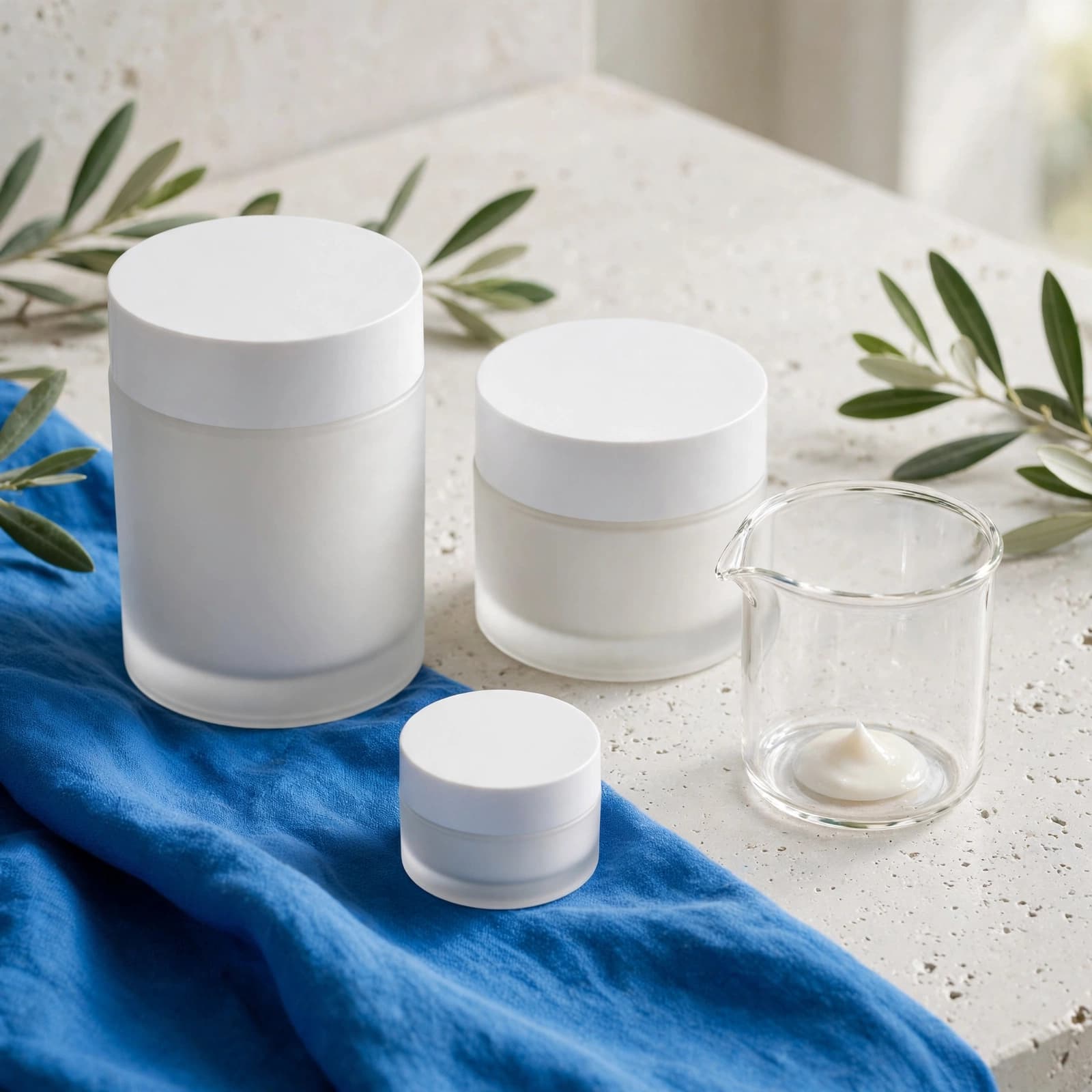
The Smart Clinical Repair range includes a wrinkle correcting cream, but its product category doesn’t guarantee a better personal fit. Check packaging photos before ordering. A pump offers controlled dispensing, whilst a jar requires you to scoop out the product with clean hands. Neither format proves superior skincare performance.
Compare price per millilitre and try a smaller size first
Calculate price per millilitre by dividing the price in pounds by the volume. Then include delivery charges and compare equivalent formulas.
A smaller pot may cost more per millilitre while putting less money at risk if the formula doesn’t suit you.
Travel sizes or sets can help, where available. However, a set only offers useful value if you’ll use its other contents.
Compare Maximum Hydrator and Superdefense only when the current UK listings and formulas match what you’re looking for. Don’t pay more for vitamin C on the assumption that a moisturiser will deliver a particular result for dark spots.
For alternatives, compare Neutrogena Hydro Boost Water Gel with lightweight hydration options, or CeraVe Moisturising Cream with richer creams. Check each current formula for fragrance and other ingredients that matter to you.
These are different products, not identical substitutes. Compare texture, ingredients and pack size before deciding whether Clinique’s price feels worthwhile.
Buying Clinique Moisturiser Online Without Guesswork
Online shopping makes it easier to compare face moisturisers by size, formula and offer. You may also find a wider selection than at one local counter, although availability and prices vary.
The saving only counts if you receive the right product and can use it comfortably.
Check the exact formula and delivered price
Read the complete product name, volume and description. Verify names such as Maximum Hydrator and Superdefense against the current UK listing. Similar packaging can conceal an important difference between Lotion+, Gel, Jelly and a Moisture Surge cream.
Next, check that the ingredient list matches the item you’re ordering. If the listing is incomplete, request the details before paying.
Compare the total delivered price rather than the promotional headline. Also, look for clear seller contact details, delivery times and return conditions. Opened or unsealed cosmetics may have restrictions on change-of-mind returns, so don’t assume you can send back a used jar simply because you dislike its texture.
Read reviews for the details that matter
Reviews are most useful when the writer describes skin types and a routine comparable to yours. Look for observations about stickiness, shine, tightness and how the product behaves alongside sunscreen.
Someone who shaves regularly may mention neck dryness or stinging that matters to your own choice. However, a moisturiser shouldn’t sting persistently, and freshly irritated skin needs extra care.
Don’t treat online claims about results, including those concerning dark spots, as a guarantee. Give less weight to star ratings without context. One person’s “too rich” may describe the finish you want, whilst “absorbs instantly” may disappoint someone seeking lasting softness.
Reviews help narrow your shortlist; they can’t predict your individual tolerance.
Frequently Asked Questions
Is Clinique moisturiser suitable for sensitive skin?
Suitability depends on the individual formula and your sensitivities. A product labelled “allergy tested” doesn’t guarantee you won’t react, so check the full ingredient list for known triggers. Test a small area first and stop using it if irritation develops; a home trial can’t rule out every allergy.
Can I use Clinique moisturiser every day?
Many face moisturisers are designed for regular use, but follow the directions for your chosen product. Morning and evening use may suit your routine, although you don’t need to reapply if your skin feels comfortable. Don’t assume a moisturiser will treat dark spots or guarantee results. Stop and reassess if you notice persistent burning, redness or itching.
Can I wear Clinique moisturiser under make-up?
Yes, provided the formula’s finish works with your skin and make-up. Allow skincare and sunscreen to settle before applying foundation, and avoid rubbing repeatedly over the same area. If products roll into little flakes, try thinner layers and review the combination rather than assuming the moisturiser alone is responsible.
How much moisturiser should I apply?
Start with a small amount, spread a thin layer and add more where needed, following the product’s instructions. There isn’t one universal quantity for every texture, face size or area of application. If excess product stays slippery or feels heavy, use less next time rather than rubbing harder to force absorption.
Final Verdict: Buy for the Formula, Not the Name
Buy it if a particular Clinique texture fits your routine, its ingredients suit your skin and the price feels reasonable. The range offers enough variety to make a considered choice worthwhile.
Skip it if you’re paying for familiarity or choosing a moisturiser on the assumption that it’ll treat dark spots. A less expensive formula may already keep your skin comfortable, and a premium price doesn’t guarantee a better personal match.
If you’re uncertain, start with a smaller size where available. The worthwhile purchase is the moisturiser you can use comfortably and consistently, rather than the largest pot or strongest hydration claim.

Explore our Buyers Guides and Reviews
Tinted Moisturiser With SPF Guide