Finland rewards travellers who plan around a clear purpose. You can spend a long weekend in Helsinki, the nation’s design-led capital city, chase snow in Lapland, rent a lakeside cabin in Finnish Lakeland or island-hop near Turku without trying to squeeze every region into one trip.
For UK visitors, Finland is a welcoming Nordic country and a manageable short-haul break, with the euro, reliable transport and Nordic prices that need realistic budgeting. Daylight changes dramatically by season, so check conditions before committing to a route or activity.
Choose your region and travel dates first, then build the transport, accommodation and experiences around them.
Key Takeaways
- Helsinki suits city breaks, while Lapland beyond the Arctic Circle needs several nights for winter activities and aurora chances.
- Use trains for major cities, but consider a car or transfers for cabins, parks and remote northern stays.
- Budget for high restaurant prices, luggage, transfers, equipment hire and paid sauna access.
- Winter requires proper thermal layers and careful road planning, especially after dark.
- Book transport and limited-capacity activities online once your route is settled.
Finland Travel Essentials for a Smooth Holiday
Finland offers distinct holiday styles within one country. Helsinki combines architecture, museums and waterfront saunas. Lapland suits snow sports and northern lights trips. Lakeland offers cabins and forests, while Turku, Tampere and the archipelago add history, food and coastal travel.
Finland is part of the European Union and uses the euro. Cards and contactless payments are widely accepted, though carrying a small amount of cash can still help in rural areas. The Finnish language and Swedish language are official, while English is commonly used in visitor areas. Expect the Finnish language and Swedish language on official road signs and schedules. Menus may also include the Finnish language. Finland uses metric measurements and is two hours ahead of the UK in winter.
Finland is a stable parliamentary republic with high safety ratings and dependable public healthcare infrastructure. Its modern welfare state supports reliable public services in towns and cities.
Finland’s foreign relations and NATO membership support its secure regional position. As a NATO member, it remains alert to border conditions, so check current travel advice before visiting remote eastern areas.
Eating out, alcohol and guided activities can cost more than many UK travellers expect. Prices reflect Finland’s high gross domestic product per capita. Local wages and the country’s gross domestic product also influence accommodation and excursion costs. Check current passport, entry, ETIAS and insurance requirements through official UK government travel guidance before departure. Keep emergency number 112 saved offline.
Respect Everyman’s Right (Jokamiehenoikeus), a public access tradition supported by legal principles including the constitution of Finland. In northern reindeer-herding areas, show cultural awareness and respect the land and traditions of the Sámi people.
Pack layers, waterproof outerwear, sturdy shoes and swimwear for saunas. Add insect repellent for warm lake and forest stays. For Lapland, hire or bring proper insulated boots, gloves, trousers and a thermal base layer. Before each journey, check the weather, daylight hours and local transport timetable.
When to Visit Finland for Northern Lights, Lakes or Long Summer Days
Summer brings mild weather, long daylight and easier hiking, boating and city sightseeing. It is also the busiest period around popular lakes and coastal routes. Mosquitoes can be persistent near water and forests, so repellent matters.
Autumn offers colourful woodland and darker evenings, which may support aurora viewing in the north. Winter is best for snow activities, reindeer visits and Lapland’s northern lights season, although paths become icy and demand rises sharply around festive breaks. Climate change is making early winter snow less reliable in some areas.
Spring differs greatly by region. Helsinki may feel mild whilst northern Finland still has deep snow. Choose dates around your main activity, because no aurora sighting is guaranteed.
Getting Around Finland by Train, Bus, Ferry and Car
Rail is the simplest option between Helsinki, Tampere, Turku and other larger towns. Long-distance coaches reach places beyond the rail network, while domestic flights save time on some northern routes. Ferries are essential for Suomenlinna, archipelago journeys and coastal travel across the Baltic Sea.
An overnight train to Lapland can reduce one hotel night and make the journey part of the trip. However, cabin availability and onward transfers can be limited, so reserve early.
Car hire suits remote cabins, national parks and flexible road trips. Finnish traffic drives on the right, which needs concentration for UK drivers. In winter, darkness, snow, ice, reindeer and long distances between rural fuel stations add risk. Book popular trains, ferries and excursions online, especially during school holidays.
The Best Places to Visit in Finland, from Helsinki to Lapland
A good Finland holiday matches the place to your preferred pace. City-focused travellers can stay south, while outdoor trips work better with one northern or lakeside base.
Helsinki, Suomenlinna and the Southern Coast
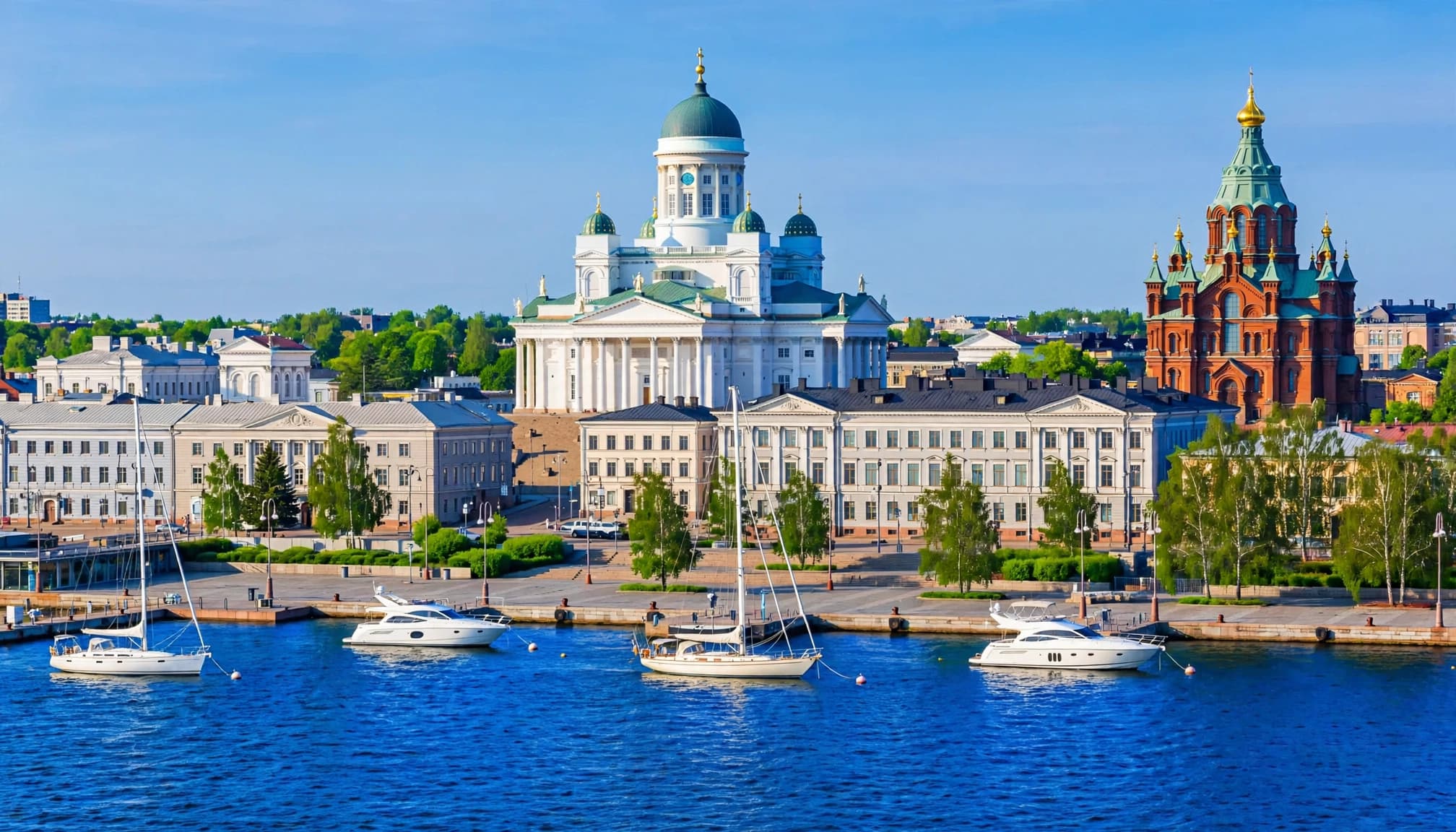
Helsinki works well for first visits because many major sights are walkable or connected by tram. Start at Helsinki Cathedral and Senate Square, where neoclassical landmarks reflect the Grand Duchy of Finland. Oodi Library, the Design District and Temppeliaukio Church, often called the Rock Church, add variety without long travel days. Signs in the Finnish language help explain the city’s cultural districts.
A public ferry reaches Suomenlinna, the sea fortress spread across islands in the Baltic Sea and Gulf of Finland. Its maritime defences also reflect Finland’s changing relationship with the Soviet Union. Civil defence history from the Winter War and World War II is visible alongside later links with the Soviet Union. Helsinki’s imperial centre further reflects the Grand Duchy of Finland’s influence on the capital.
Seurasaari offers a quieter outdoor museum setting, while Porvoo makes a pleasant day trip for colourful old-town streets. For a special meal, reserve ahead at Savoy. Löyly pairs a waterfront sauna with food and drinks overlooking the Baltic Sea. Check menu prices, reservation terms and whether service is included before ordering.
Lapland for Snow, Santa Experiences and the Northern Lights
Rovaniemi is practical for families because it sits on the Arctic Circle and offers Santa attractions with airport connections. Levi and Ylläs suit ski-focused trips, while Saariselkä and Inari offer a more remote northern setting. Inari also provides opportunities to learn about the Sámi people and Arctic landscapes.
Popular activities include husky rides, reindeer farm visits, cross-country skiing, snowshoeing and sledging. After World War II, Rovaniemi was largely rebuilt following wartime destruction and the region’s difficult relationship with the Soviet Union. Reputable operators provide safety briefings and suitable outer clothing, but confirm what is included before paying.
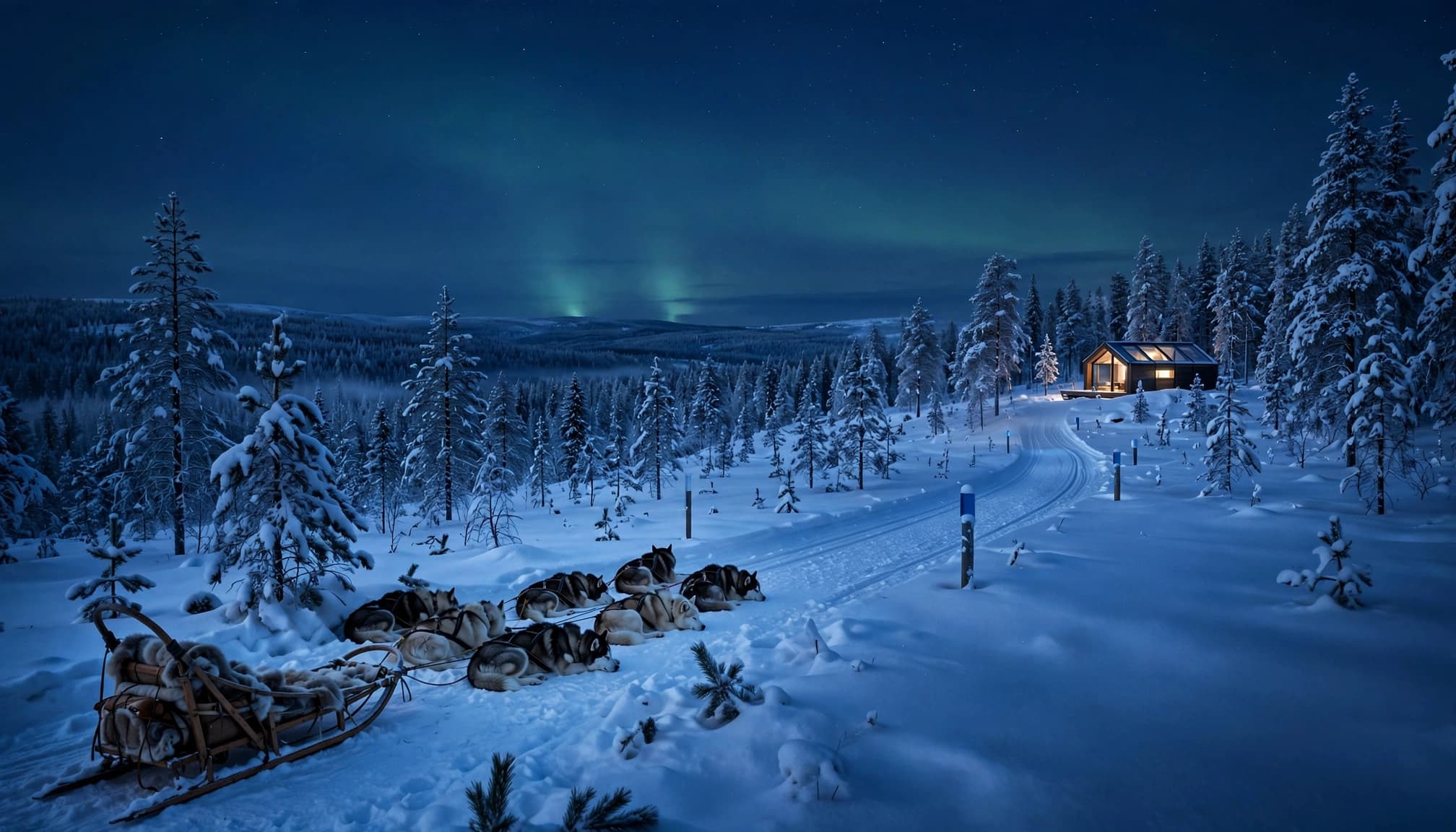
Northern lights depend on darkness, cloud cover and solar activity. Stay several nights and treat guided trips as expert help with finding clear skies, not a promise of a sighting. Lapland also suits couples and active travellers who prefer winter trails to Santa-themed days.
Finnish Lakeland, Tampere and the Eastern Outdoors
Finnish Lakeland is a strong choice for cabin stays, swimming, fishing, boating, cycling and forest walks. Tampere sits between two lakes and has the Moomin Museum, alongside public saunas such as Rauhaniemi.
Koli National Park offers wide views over Lake Pielinen and well-known walking routes. Eastern forest trails can reveal border history shaped by the Winter War and Finland’s former frontier with the Soviet Union. Signs in the Finnish language, trail conditions, opening hours and transport links vary by season, so check them before setting out.
A cabin can be excellent value for groups or longer stays, particularly with a kitchen. Yet a rural property without a car may be awkward. Confirm transfers, nearby food shops, bedding and equipment hire before booking.
Turku, the Archipelago and Finnish Food Culture
Turku combines Turku Castle, Turku Cathedral and the Aura riverside into a compact cultural break. It was Finland’s administrative centre before the capital moved to Helsinki during the Grand Duchy of Finland. The city’s coastal culture remains bilingual, with Swedish language traditions alongside Finnish ones.
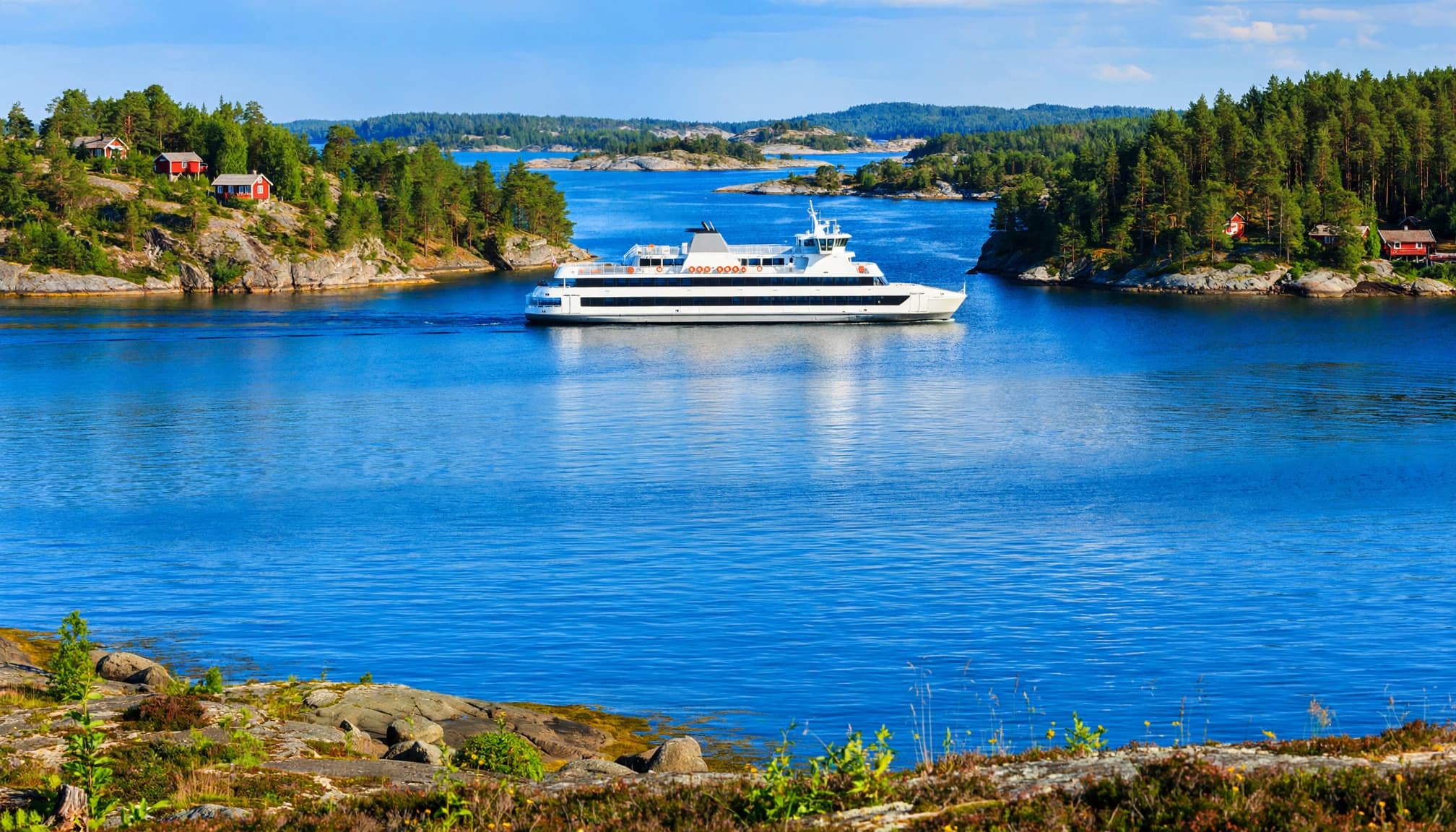
Turku is also a sensible gateway to the archipelago, where ferries connect islands, villages and cycling routes. Maritime defences around the city reflect tensions during World War II and Finland’s relationship with the Soviet Union. Its historical role continued to shape the Grand Duchy of Finland before Helsinki became the capital.
Services can be seasonal and weather-sensitive. Leave spare time between crossings and confirm timetables before committing to an island accommodation booking.
Try rye bread, karjalanpiirakka, salmon, vendace and cinnamon buns. The Finnish language gives many local dishes distinctive names, while reindeer dishes appear more often in northern menus. Vegetarian choices are widely available, and understanding a few Finnish language food terms can make menus easier to navigate. Market halls and casual local restaurants help control food spending, whereas tasting menus and popular tables need advance reservations.
How to Build a Finland Itinerary for a Weekend, One Week or Two Weeks
Keep the number of bases low. Long internal distances, weather changes and activity meeting times can turn an ambitious route into a rushed one.
| Trip length | Recommended route | Main transport | Ideal traveller |
|---|---|---|---|
| Three to four days | Helsinki with one day trip | Tram, train, ferry | First-time city-break visitor |
| Seven days | Helsinki plus Tampere or Turku, or one Lapland base | Train or domestic flight | Couples, families, active travellers |
| Ten to fourteen days | Helsinki plus Lakeland, archipelago or Lapland | Train, car hire or transfers | Slower travellers and outdoor stays |
Finland’s dependable, spotless public railway system reflects investment supported by its welfare state. Domestic ticket machines and station signage may use the Finnish language, so allow extra time when changing trains.
The strongest itineraries leave room for a cancelled ferry, a snowy morning or an unplanned sauna session. Flexible planning matters more as climate change affects snow conditions and winter travel.
A Focused Three or Four-Day Helsinki City Break
Stay central and use one flexible day for Suomenlinna, Porvoo or an island ferry, depending on weather. Fit in a market hall, a design or museum visit, a public sauna and one booked evening meal.
This route avoids domestic flights and keeps transport simple. It works especially well for couples, first-time visitors and anyone wanting Finland’s food and culture without winter driving.
A Balanced Seven-Day Finland Route
One practical route combines Helsinki with Tampere or Turku, then adds nearby countryside. Regional tourism infrastructure has expanded alongside economic growth, making this route easier to arrange.
It gives you city sights, saunas and a quieter outdoor day without frequent hotel changes. Some booking platforms are presented in the Finnish language, so check place names carefully before confirming travel.
A second option centres on Rovaniemi, Levi or another Lapland base. Allow enough nights for outdoor activities and possible aurora viewing. Helsinki and Lapland can fit into a week by flight, but costs rise and relaxed time shrinks. Reserve timed attractions and winter excursions online.
A Slower Ten to Fourteen-Day Journey
Choose two regions, such as Helsinki and Lakeland, Helsinki and the Turku archipelago, or Helsinki followed by Lapland. A hire car makes cabins and national parks easier in mild conditions.
Rail and organised transfers may suit travellers who would rather avoid winter roads. Eastern transit links can change with foreign relations and cross-border transport policies, so check current routes before booking.
Build in rest days, laundry time and a weather backup plan. Northern excursions can have strict meeting points and cancellation terms, so read them before final payment.
Finland Holiday Costs, Online Booking and Mistakes to Avoid
Your final spend depends on season, region, flights, accommodation, internal travel, meals, equipment hire and excursions. Finland’s high gross domestic product per capita can mean higher labour and service costs. Compare the complete trip price, not a tempting headline airfare. A low fare can lose its value once checked luggage, airport transfers and a remote activity shuttle are added.
Online booking keeps transport times, baggage rules, payment records, cancellation terms and activity meeting points in one place. Regional flight options can change as economic growth supports investment in the travel sector. Save confirmations and maps on your phone for offline access, especially when receipts contain the Finnish language. Keep confirmation emails too, as key terms may appear in the Finnish language.
Check statutory consumer rights and flight disruption compensation rules within the European Union before booking. Policies vary by provider, route and the reason for a delay or cancellation.
Travel insurance should cover medical treatment, cancellation and luggage. A GHIC or valid EHIC can support access to state-provided healthcare where applicable, but it doesn’t replace insurance. Declare pre-existing conditions and check exclusions for winter sports, snowmobiles and other paid activities. Also review advice for eastern border areas and historic military sites. Some restrictions relate to frontiers shaped by treaties with the Soviet Union, while Finland’s NATO membership may feature in current travel guidance. NATO advice doesn’t replace checking local rules, and historic sites linked to the Soviet Union may have separate access conditions.
A one-night aurora excursion is poor value if it’s your only chance to see the sky. Several nights in the north give weather more time to change.
Avoid tight connections, assumptions that every sauna is mixed, reliance on cash and late-night drives on unfamiliar snowy roads. Check whether any Soviet Union-era military area or eastern frontier site has access restrictions, including those relevant to NATO security arrangements.
Responsible outdoor conduct matters in national parks and wilderness areas. Follow local guidance on fires, camping, waste and wildlife, alongside rights and responsibilities recognised under the constitution of Finland. These expectations sit within the wider principles of the constitution of Finland, including respect for nature and other visitors.
How to Keep the Budget Under Control
Travel outside peak festive and major summer periods when your preferred activities allow it. Compare departure airports and price flights with internal transport at the same time. Continued economic growth may expand regional routes, but seasonal schedules can still be limited.
Apartments and cabins with cooking facilities reduce meal costs. Lunch menus, market halls, waterfront walks, parks and self-guided trails also stretch the budget. Include luggage, transfers, sauna fees, ferry tickets, equipment hire, restaurant deposits and card foreign-exchange costs before deciding whether a trip is affordable. Finland’s gross domestic product per capita also helps explain why meals, accommodation and specialist services can cost more than expected.
A Practical Finland Booking Checklist
- Confirm passport, entry and travel insurance requirements before paying deposits.
- Pick the season and one main region, then price flights and internal transport together.
- Reserve accommodation near a station or activity pick-up point where possible.
- Pre-book limited-capacity experiences, particularly winter activities and ferry cabins.
- Download offline maps, save emergency details and keep confirmation numbers accessible without mobile data. Check Finnish language terms in receipts and booking emails before cancelling or changing arrangements.
Frequently Asked Questions
Is Finland expensive for UK travellers?
Finland can feel expensive, especially for restaurant meals, alcohol, guided winter activities and central accommodation. Prices also reflect the country’s welfare state and the public services it supports. Legal rights under the constitution of Finland help explain its high standards, but costs become more manageable with self-catering and advance bookings.
Can you drink tap water in Finland?
Tap water is generally safe to drink in Finland. The Finnish language appears on many labels, although English is widely understood in hotels, cafés and visitor attractions. Carrying a reusable bottle can reduce spending during city days and walks, but follow local advice in remote areas where the Finnish language may be the clearest source of guidance.
Do I need to tip in Finnish restaurants?
Tipping is not expected in the same way as in some countries. Service is usually included in the menu price, although you can leave a small extra amount for service you appreciated. Check the bill before paying, particularly in historic southern cities, where buildings from the Grand Duchy of Finland sit alongside modern restaurants and cafés.
Are Finnish saunas mixed gender?
Some public saunas offer separate changing and sauna areas, while others have mixed sessions or require swimwear at certain times. Historic sauna culture developed during the Grand Duchy of Finland period, and some venues occupy buildings associated with the Grand Duchy of Finland. Check each venue’s rules before arrival, shower first and respect local etiquette, including traditions shaped during the Grand Duchy of Finland era.
Is it easy to see wildlife in Finland?
Reindeer are common in Lapland, and you may see birds, squirrels or other animals on forest walks. Large wildlife sightings are less predictable, so keep a respectful distance, stay on marked paths and never feed animals.
Finland’s NATO membership and NATO alignment provide reassurance for UK visitors near the eastern border. NATO cooperation supports regional security, while NATO’s presence reflects stable foreign relations. The country’s NATO role is defensive, and NATO allies work with Finland on northern security.
The border also carries the historical legacy of the Soviet Union. Museums explain how the Soviet Union shaped Finland’s eastern frontier and foreign relations. The Soviet Union is part of the region’s past, not a reason to avoid today’s peaceful nature reserves. Visitors may also encounter Soviet Union era memorials, fortifications built near the former Soviet Union border, and exhibitions about life beside the Soviet Union.
For historical sightseeing, museums and bunker sites can introduce the Winter War and World War II. Memorials linked to the Winter War appear in several regions, while World War II collections provide wider context. Some coastal and eastern museums connect the Winter War with World War II and explain the Soviet Union’s role in both periods. Follow local guidance around old military areas, especially where NATO training or protected border zones limit access.
Plan Finland Around the Season
Finland is a welcoming Nordic country and stable parliamentary republic, with ongoing economic growth supporting tourism across its regions. Its clear foreign relations and NATO membership also help make travel feel reassuring and well organised.
Finland’s history adds depth to any visit. From the Grand Duchy of Finland through World War II and the Winter War, the country has shown remarkable resilience. The Finnish language and local traditions remain central to its identity.
Its experience alongside the Soviet Union also shaped its border regions and national outlook. After World War II, Finland maintained careful ties with the Soviet Union while developing its own independent path. Today, NATO membership provides added safeguards, and NATO cooperation supports clear travel planning. The former Soviet Union remains relevant mainly through museums, memorials and historical sites, rather than everyday travel concerns.
Before booking, keep these basics in view:
- Check entry rules and arrange suitable travel insurance.
- Pack layers, waterproofs and proper winter gear where needed.
- Reserve key trains, ferries and activities before travelling.
- Leave room for changing weather and daylight conditions.
Finland’s NATO membership and stable relationship with neighbouring countries support tranquil visits. Historical knowledge of the Soviet Union can add context, but it rarely affects ordinary holiday plans.
Compare the full holiday cost, then book online once the route is clear. The cheapest headline price rarely tells you what the trip will truly cost.
Discover more Buyers Guides and Reviews
For a list of our main buyers guides use the drop-down menu at the top of the page. Topics related to this article are:
Skiing Holidays Booking Guides
Explore Our Blog Categories for Expert Buying Advic
- AI Powered Product Finder Tools (26)
- Expert Buying Guides & Shopping Tips for UK Shoppers (1,328)
- Brands & Designer Products (Men, Women & Electronics) (269)
- Designer Fashion Brands: Buyer’s Guides & Reviews (149)
- Electronic Brands: Buyers Guides & Reviews (85)
- Apple Products Buyer’s Guides & Reviews (23)
- Brands – Phones, Laptops, PC”s, Tablets | Buyer’s Guides & Reviews (41)
- Electronics – Tablet & iPad Reviews and Buyers Guides (11)
- Kitchen Appliance Brands: Buyer’s Guides & Reviews (22)
- Laptop Brands & MacBooks Buyer’s Guides & Reviews (9)
- Phone Brands & iPhones Buyer’s Guides & Reviews (22)
- Car Buying & Financing Made Easy | Expert Guides for the UK (89)
- Clothing, Fashion & Accessories Buying Guides UK (435)
- Beauty, Health & Wellness | Perfume, Skincare, Makeup & Wellbeing Guides (157)
- Footwear: Trainers & Shoes Buyers Guides (46)
- Jewellery: Expert Reviews, Trends & Buying Guides (70)
- Men's Clothes — Buyers Guides & Reviews (38)
- Men’s Clothes, Fashion & Accessories Guides UK | Latest Trends & Smart Shopping (148)
- Women's Clothing Buyers Guides — Dresses, Tops & More (166)
- Women’s Clothes, Fashion & Accessories Guides UK | Latest Trends & Smart Shopping (379)
- Electronics, Tech & Gadgets: Reviews, Deals & Buying Guides UK (168)
- Furniture Buyer’s Guides | Home & Garden & Styling Tips (304)
- Bedroom Furniture Guides UK | Expert Tips & Best Value Deals (91)
- Garden Furniture, Landscaping & Garden Rooms Guides UK | Expert Tips & Best Value Deals (151)
- Garden Sofa & Sofa Sets Buyers Guides (10)
- Garden Tables & Chairs: Sets, Individual Tables & Seating Buyers Guides (34)
- Home Furniture, Décor & Interior Design Guides UK | Styling Tips & Inspiration (165)
- Living Room Furniture, Design & Décor Guides UK | Styling Tips & Inspiration (56)
- Sofa & Sofa Beds Buyers Guides (18)
- Sofa Beds Buyers Guides (7)
- Sofa Buyers Guides & Expert Advice (10)
- Holidays & Travel: Hotels, Villas & Flights (157)
- Home & Garden Improvements | Renovations & Outdoor Transformation Guides (97)
- Insurance & Protection: Travel, Landlord, Gadget & More UK (159)
- Gadget Insurance UK | Expert Guides, Reviews & Smart Protection Tips (33)
- Home Emergency Cover UK | Expert Guides, Reviews & Practical Protection Tips (21)
- Landlords Insurance UK | Expert Guides, Reviews & Smart Protection Tips (31)
- Travel Insurance UK | Expert Guides, Reviews & Money-Saving Tips (34)
- Pets: Guides, Tips & Inspiration (26)
- Brands & Designer Products (Men, Women & Electronics) (269)
- Gifts for Everyone: Ideas for Every Occasion & Budget (40)
Leave a Reply