Few footwear brands occupy as much space in sport and streetwear as Nike. Yet its models vary considerably in comfort, durability and value.
The range covers leather classics, everyday pairs, gym styles and basketball models. This guide examines which styles suit each purpose, what affects sizing and price, and how UK shoppers can buy with more confidence online. It applies equally to women’s trainers and men’s trainers.
Key Takeaways
- Nike’s strongest point is its range, with credible options for casual wear, running, strength training and court sports.
- Air Force 1 and Dunk Low remain must-have lifestyle designs, but they aren’t built for serious running or gym sessions.
- Pegasus suits many runners seeking a balanced daily shoe, while Vomero and Invincible models offer a softer underfoot feel.
- Fit changes between silhouettes, so length, width, heel hold and return terms matter more than your usual shoe size.
- A sale price only offers value when the materials, purpose and expected wear justify the final cost.
Why the Brand Still Stands Out
Nike’s appeal rests on a long connection to elite sport and everyday fashion. Its early history began with running footwear, before the company became a global force in athletic footwear through partnerships with athletes, basketball and distinctive design. An independent account of Nike’s history traces that shift from track-focused beginnings to a business recognised well beyond sport.
People often like the choice of colourways, familiar silhouettes and broad size availability. The Swoosh is instantly recognisable, while collaborations and limited editions give some releases a collectable status. Nike trainers cover lifestyle, running and sport-specific options across a wide price range, although technical models and scarce colourways can quickly become expensive.
That visibility creates a drawback. A popular pair may command a premium because of the logo, rather than better materials or stronger results. Some leather and synthetic uppers crease early, while sizing can feel narrow in certain models. A limited release may be desirable, but it is rarely the most rational choice for daily miles or wet commutes.
The design details and technologies that matter
Nike Air cushioning uses pressurised units within the midsole to soften impact. Foam midsoles add another layer of comfort, although softer foam is not automatically more supportive. Zoom Air units can create a different riding or sporting feel, but the technology alone does not guarantee stability. A stable heel, an appropriate flex point and a secure upper often matter more during long days.
Mesh uppers usually improve airflow and reduce weight. Leather can last well and cleans easily, although it tends to feel warmer. Move to Zero is Nike’s sustainability initiative, but sustainable materials and environmental credentials vary by model. Check the current product specification rather than assuming every pair offers the same features.
Rubber soles with a pronounced tread provide grip. Tread depth and compound on the outsoles can affect traction across pavements and indoor surfaces, while padded collars may reduce rubbing around the ankle.
Visible Air units, oversized soles and bold panels often define the look of a shoe. They may still feel comfortable, but their visual appeal should not be confused with a guarantee of better running support.
Lifestyle trainers versus performance footwear
Air Force 1, Dunk and many Air Max models work best as casual footwear. Their firmer construction and fashion-led shape can suit short walks and daily errands, but they are not substitutes for running shoes.
Running ranges such as Pegasus, Vomero and Invincible use lightweight uppers, shaped underfoot response and tread patterns built for repeated forward movement. Exact construction changes between generations, so current product information matters more than an older review or familiar name.
The Best Models for Different Uses
The right model depends on the job it will do most often. The comparison below covers sports shoes for everyday wear, road miles, lifting and court use. Prices are approximate UK positions and should be checked against the current RRP, as sales and new releases alter the picture.
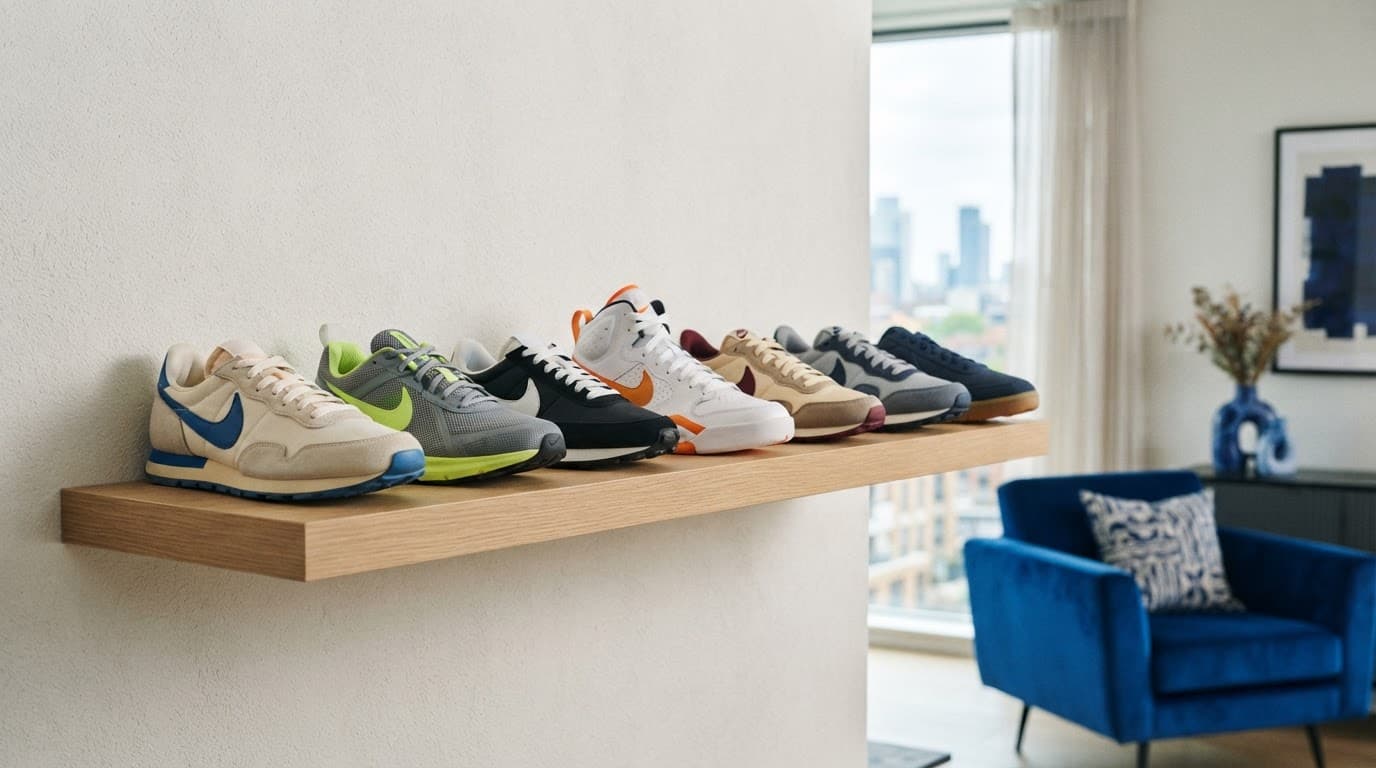
AI-generated illustration of different trainer styles for everyday and performance use.
| Model or range | Best use | Main strengths | Likely compromise | UK price position |
|---|---|---|---|---|
| Air Force 1 | Everyday style | Durable look, easy styling | Heavy, limited airflow | Around £110 |
| Dunk Low | Casual wear | Retro colourways, low profile | Firm feel, fashion premium | Around £110 |
| Air Max 1 or 90 | Daily wear | Structured retro feel | Bulkier than runners | Around £145 to £155 |
| Pegasus | Road running, walking | Balanced and versatile | Less plush than max-protection shoes | Around £130 to £140 |
| Vomero or Invincible | Easy runs, recovery miles | Softer underfoot feel | Higher price, less stable feel for some | Around £160 to £175 |
| Metcon | Strength training | Flat, stable base | Poor choice for distance running | Around £130 |
The table shows why one label cannot settle the decision. A shoe built for squats asks different things of the foot than one designed for a 10 km run.
Air Force 1 and Dunk Low for everyday style
The Air Force 1 remains a must-have because it works with jeans, chinos and casual trousers without demanding much thought. Its substantial cupsole gives it a planted feel, while smooth leather or synthetic panels are easy to wipe clean. However, it is relatively heavy and can become warm after hours of wear.
Dunk Low models offer a slimmer profile and a strong archive-basketball look. Colour blocking is a major attraction, though demand for certain releases can push prices above their practical worth. Both shoes suit everyday outfits far better than hard training.
Air Max models for cushioning and retro design
Air Max 1 and Air Max 90 combine visible cushioning with layered uppers and durable streetwear appeal. They feel structured underfoot and are often more supportive for standing than flatter vintage-style trainers. Still, leather overlays add weight and reduce breathability.
The Air Max 270 has a larger heel unit and a more modern shape. It can feel soft for casual use, although a larger heel unit alone does not prove better overall support. Fit and heel stability remain the deciding factors.
Pegasus, Vomero and other running trainers worth trying
Pegasus is a sensible starting point for road runners and walkers seeking a measured balance of cushioning, grip and durability. It is generally less extreme than specialist running shoes, making it useful for mixed daily mileage.
Vomero models tend to offer a softer, more protective ride. Invincible pairs often use ZoomX foam to push that feeling further, though current specifications should be checked. Some runners enjoy the softness, while others prefer a firmer platform with more predictable stability. Breathability, heel hold and outsoles should take priority over colour.
Training, basketball and specialist options
Metcon training shoes are worth trying for strength sessions because their flatter soles feel more secure under loaded lifts. Running shoes compress more under pressure and can feel unsteady during squats or deadlifts.
Basketball shoes add lateral support and court grip, while trail running models use more aggressive tread for loose ground. Football boots are a separate category, with studs and football-specific traction for grass or artificial pitches. Each option has a clear purpose, so performance-led designs should not be chosen solely for their appearance.
How to Choose a Pair for Comfort and Value
A useful buying framework starts with intended use, then checks fit, materials and price. The best pair is worn regularly for its intended activity, not simply chosen from the newest launch page.

AI-generated illustration of checking fit before committing to a new pair.
Get the fit right across Nike’s different ranges
Sizing varies between Nike silhouettes and their sizing ranges. Measure both feet later in the day, when they are likely to be slightly larger, and choose based on the longer foot. Wear normal socks during a try-on.
The same checks apply when choosing women’s trainers or men’s trainers, as model shape matters more than the label. Allow enough room for natural toe movement without heel lift. Wider feet may need a roomier model or an available width option, rather than a larger size that leaves the heel loose. Before ordering online, check the model-specific sizing ranges, width options and return deadline.
Judge comfort, support and durability beyond first impressions
Softness can feel impressive for five minutes, yet it may not suit several hours of walking. Check where the shoe bends, how firmly the heel sits and whether the upper presses across the forefoot.
Examine the outsoles, including rubber coverage, stitching and material around high-wear areas. Leather creases, mesh can snag and pale midsoles show dirt quickly in British weather. A pair does not treat foot conditions, so persistent pain calls for advice from an appropriate health professional.
Work out whether the price reflects real value
Compare a Nike sale price with the current RRP, construction and likely use, rather than judging it by the discount percentage alone. A newer colourway can cost more than the same construction from a previous season.
Older Pegasus versions, for example, can offer excellent value when the fit works. Limited editions often carry a scarcity premium. That can make sense for collectors, but it does not improve their suitability for rain, running or gym work. A cheaper pair that fits poorly is not a saving, because it will spend more time in the box than on the foot.
Buying Online in the UK Without an Expensive Mistake
Online shopping gives access to more sizes and colours than a single shop floor. It also makes comparing specifications, older models and prices easier. Those advantages disappear if delivery charges, return costs or doubtful listings are overlooked.

AI-generated illustration of researching trainers online before purchase.
Check authenticity, returns and delivery before paying
A short pre-payment check prevents many avoidable problems:
- Confirm the seller’s identity, UK contact details and secure payment process. Established retailers such as JD Sports can offer useful reassurance, but still check the product page, returns terms and current stock status.
- Read the returns policy, including the condition required for a refund and any postage deduction.
- Check the style code against the product photos, size label and box details. Availability can differ between men’s trainers and other ranges, so compare measurements and the model code rather than guessing from the category.
- Establish whether the footwear is new, used or refurbished, and whether VAT or additional charges apply.
- Verify any Move to Zero claim or sustainability detail against the current listing, rather than relying on copied seller descriptions.
- Treat unusually low prices, copied photographs and pressure to pay outside a platform as warning signs.
Keep the order confirmation and proof of purchase. They are useful if the wrong size arrives or a fault appears later.
Use product reviews and independent sources properly
Buyer reviews are most useful when the same issue appears repeatedly, such as a narrow toe box, weak grip or rapid creasing. One glowing comment or one angry review proves little on its own.
Specialist reviews can add context on comfort and durability, while independent reporting and reference sources may explain a model’s history. This helps distinguish buyer experience from independent testing.
Product photographs should show the actual colourway and construction, not only a generic promotional image.
Frequently Asked Questions
Do Nike trainers fit true to size?
Nike sizing varies between silhouettes, so your usual size is only a starting point. Measure both feet, check the model-specific size guide and make sure there is enough toe room without heel movement.
Are Air Force 1 and Dunk Low suitable for running?
Air Force 1 and Dunk Low models are designed mainly for casual wear rather than repeated running. Their firmer, heavier construction can feel less comfortable and supportive than a dedicated running shoe such as the Pegasus.
Which Nike trainers are best for everyday walking?
Pegasus is a versatile choice for walking and light road use, while Air Max models offer a more structured feel for casual wear. Air Force 1 and Dunk Low suit shorter walks and everyday outfits, but may feel warm or heavy over longer distances.
Are Nike trainers worth buying in a sale?
A sale price offers good value when the model fits well, suits its intended use and has durable construction. Compare the discount with the current RRP, return terms and likely wear rather than choosing based on the percentage reduction alone.
How can I avoid buying counterfeit Nike trainers online?
Check the seller’s identity, product code, photographs, payment process and returns policy before paying. Unusually low prices, copied images and pressure to pay outside a recognised platform are warning signs.
Strengths, Weaknesses and the Final Verdict
Nike’s range is its clearest strength. The brand offers enduring lifestyle designs, credible road options and purpose-built gym models, supported by decades of recognisable design. Air technology and foam development have produced comfortable choices across very different categories.
The weaknesses are equally clear. Popular releases can carry inflated prices, fit changes from model to model, and some lifestyle designs sacrifice breathability for appearance. Air Force 1 suits everyday style, Pegasus is a strong road-running starting point, Metcon suits strength work, and previous-generation technical models often offer the best value.
A trainer’s logo cannot compensate for a poor fit or a model used far outside its intended purpose.
Conclusion
Nike trainers can be excellent choices when matched to the right use, but its huge catalogue rewards careful selection over brand loyalty. The most sought-after classics are often strongest as fashion choices, while running pairs, gym models and trail footwear should be judged by their specific jobs.
The AI-generated illustrations and compact comparison table show the same practical divide: each pair needs to fit well, wear reliably and make financial sense. Comfort, construction and purpose remain more useful measures than a famous logo.
Explore our Buyers Guides and Reviews
For a list of our main buyers guides use the drop-down menu at the top of the page. Topics related to this article are:
Laptop Insurance Buyers Guides
Gadget Insurance Buyers Guides
Home Emergency Cover Buyers Guide
Travel Insurance Buyers Guides
Car Breakdown Cover Buyers Guide
–
Explore Our Blog Categories for Expert Buying Advice
- AI Powered Product Finder Tools (25)
- Expert Buying Guides & Shopping Tips for UK Shoppers (1,367)
- Brands & Designer Products (Men, Women & Electronics) (273)
- Designer Fashion Brands: Buyer’s Guides & Reviews (153)
- Electronic Brands: Buyers Guides & Reviews (86)
- Apple Products Buyer’s Guides & Reviews (24)
- Brands – Phones, Laptops, PC”s, Tablets | Buyer’s Guides & Reviews (42)
- Electronics – Tablet & iPad Reviews and Buyers Guides (11)
- Kitchen Appliance Brands: Buyer’s Guides & Reviews (22)
- Laptop Brands & MacBooks Buyer’s Guides & Reviews (9)
- Phone Brands & iPhones Buyer’s Guides & Reviews (23)
- Car Buying & Financing Made Easy | Expert Guides for the UK (89)
- Clothing, Fashion & Accessories Buying Guides UK (454)
- Beauty, Health & Wellness | Perfume, Skincare, Makeup & Wellbeing Guides (165)
- Footwear: Trainers & Shoes Buyers Guides (46)
- Jewellery: Expert Reviews, Trends & Buying Guides (71)
- Men's Clothes — Buyers Guides & Reviews (38)
- Men’s Clothes, Fashion & Accessories Guides UK | Latest Trends & Smart Shopping (156)
- Women's Clothing Buyers Guides — Dresses, Tops & More (173)
- Women’s Clothes, Fashion & Accessories Guides UK | Latest Trends & Smart Shopping (395)
- Electronics, Tech & Gadgets: Reviews, Deals & Buying Guides UK (170)
- Furniture Buyer’s Guides | Home & Garden & Styling Tips (313)
- Bedroom Furniture Guides UK | Expert Tips & Best Value Deals (91)
- Garden Furniture, Landscaping & Garden Rooms Guides UK | Expert Tips & Best Value Deals (158)
- Garden Sofa & Sofa Sets Buyers Guides (11)
- Garden Tables & Chairs: Sets, Individual Tables & Seating Buyers Guides (42)
- Home Furniture, Décor & Interior Design Guides UK | Styling Tips & Inspiration (167)
- Living Room Furniture, Design & Décor Guides UK | Styling Tips & Inspiration (57)
- Sofa & Sofa Beds Buyers Guides (19)
- Sofa Beds Buyers Guides (7)
- Sofa Buyers Guides & Expert Advice (11)
- Holidays & Travel: Hotels, Villas & Flights (158)
- Home & Garden Improvements | Renovations & Outdoor Transformation Guides (99)
- Insurance & Protection: Travel, Landlord, Gadget & More UK (159)
- Gadget Insurance UK | Expert Guides, Reviews & Smart Protection Tips (33)
- Home Emergency Cover UK | Expert Guides, Reviews & Practical Protection Tips (21)
- Landlords Insurance UK | Expert Guides, Reviews & Smart Protection Tips (31)
- Travel Insurance UK | Expert Guides, Reviews & Money-Saving Tips (34)
- Pets: Guides, Tips & Inspiration (26)
- Brands & Designer Products (Men, Women & Electronics) (273)
- Gifts for Everyone: Ideas for Every Occasion & Budget (45)