It’s 2am, you’re half-asleep, and you hear it. A hissing sound, then the unmistakable splash of water on the kitchen floor. Or it’s the morning of a family get-together and the toilet decides it won’t flush. Plumbing problems don’t book appointments, they arrive when you’re busy, tired, or about to leave the house.
That’s where plumbing emergency cover can help. It’s designed for sudden issues that need urgent attention, often with a 24/7 helpline and an arranged call-out to stop things getting worse. In many cases it sits inside a wider home emergency cover policy, although you can sometimes buy it on its own.
This guide explains what plumbing emergency cover is, what it usually includes, what it doesn’t, typical limits, and how to pick a policy that fits a UK home.
What is plumbing emergency cover, and when do you actually need it?
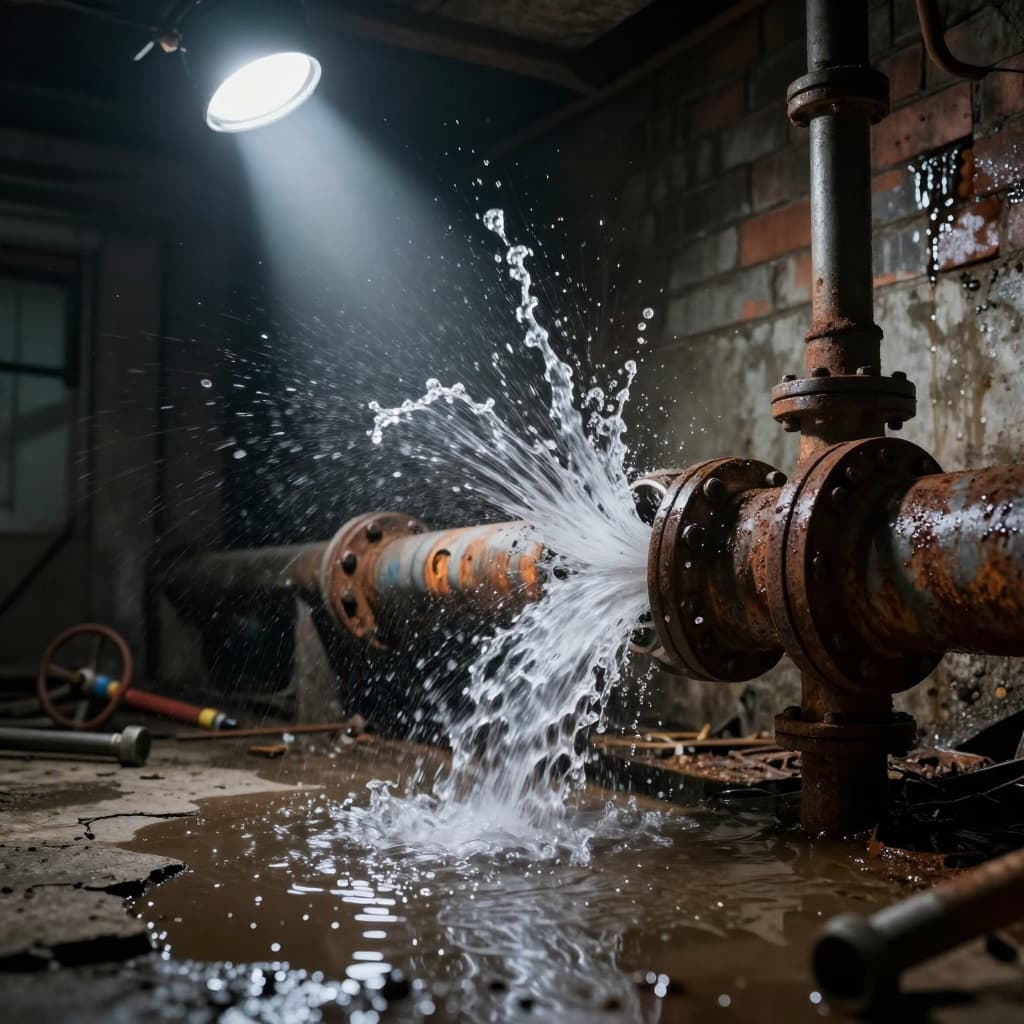 An urgent burst-pipe situation in a typical UK kitchen, created with AI.
Plumbing emergency cover is an insurance-style policy that pays for urgent help when your home’s plumbing fails suddenly. Think of it as a way to get an emergency plumber organised quickly, without you ringing around, hoping someone will come out tonight.
In practice, it often works like this:
You call a 24/7 helpline and answer a few quick questions. They’ll ask what’s happening (water pouring through a ceiling, toilet overflowing, no water supply), how bad it is, and whether you’ve already turned the stopcock off. Based on that, they decide whether it counts as an emergency under the policy.
If it does, they arrange a tradesperson, usually from an approved network. The aim is to make the situation safe and restore an essential service, like water supply or sanitation. That might mean replacing a failed valve, clearing a blockage, or doing a temporary repair to stop a leak.
Most plumbing emergency cover is sold in one of three ways:
- As a standalone policy focused on plumbing and drains
- As an add-on to your home insurance
- As part of a bundle called home emergency cover (which may also include electrics, heating, or pest issues)
The most important thing to understand is what it’s for. Plumbing emergency cover is built for urgent, sudden faults that risk damage to your home or leave you without basic services. It’s not there to keep your plumbing in perfect condition.
A good rule of thumb is this: if you could wait a week without serious risk or major disruption, it probably isn’t an “emergency” under most policies. A dripping tap is annoying, but it’s rarely treated as an emergency. Water pouring through light fittings is.
Plumbing emergencies that can happen in any UK home
Plumbing problems don’t care whether you live in a Victorian terrace or a new-build flat. Here are common emergencies that crop up across the UK:
- Burst or badly leaking pipes: Often triggered by cold snaps, ageing joints, or knocks during DIY.
- Blocked drains causing overflow: Toilets, sinks, or external drains backing up, sometimes after heavy rain.
- Leaking toilet or cistern: A failed fill valve can waste water fast, a cracked pan can flood a bathroom.
- Broken or stuck stopcock: A small fault becomes a big one if you can’t shut the water off.
- Failed shower pump: Sudden loss of water pressure can make washing and cleaning a struggle.
- Water tank leaks: In lofts, a small split can become a ceiling stain, then a ceiling collapse.
- Sudden loss of internal water supply: If it’s caused by a fault inside your property.
- Leaks affecting electrics: Water near sockets, lights, or the consumer unit can become dangerous quickly.
Common triggers include freezing temperatures, older pipework, limescale build-up, poor DIY fittings, and tree roots pushing into underground drainage.
Plumbing emergency cover vs home insurance, what is the difference?
Plumbing emergency cover and home insurance can work together, but they aren’t the same thing.
Plumbing emergency cover usually focuses on the emergency repair itself. That means call-out, labour, and parts (up to a set limit) to stop the leak, clear the blockage, or get water and sanitation working again.
Home insurance (buildings and contents) is more about the damage after the event. For example, if “escape of water” ruins your laminate flooring, damages plaster, or wrecks a sofa, that’s often a buildings or contents claim, depending on what was affected.
Here’s the catch: some home insurance policies may pay for the damage but not the cost to find and fix the source of the leak, or they may cover it only in certain cases. Policy wording varies a lot, so it’s worth checking what you already have before you buy extra cover.
What plumbing emergency cover usually includes, and the key limits to watch
Plumbing emergency cover can be brilliant when it’s set up well. It can also disappoint if the limits are tight or the exclusions are broad. The value is in the small print, not the headline price.
Most policies aim to get your home back to a basic, liveable state as quickly as possible. That means stopping water where it shouldn’t be, restoring water where you need it, and preventing immediate further damage. It does not always mean making everything look “as it was”.
A practical example: a plumber might need to cut into a section of plasterboard to access a leaking pipe. Emergency cover may pay for the plumber to fix the pipe and make it safe. It may not pay to re-plaster, re-tile, and redecorate. Those costs might sit with you, or they might fall under buildings insurance if you’re covered for resulting damage.
Typical cover features, 24/7 helpline, call-outs, labour and parts
Most plumbing emergency cover includes:
- 24/7 assistance line: You report the fault and get guidance (like shutting off the stopcock).
- Emergency call-out: An engineer attends to assess and tackle the issue.
- Labour and parts: Up to a cap, often per claim.
- Making safe: The priority is to stop the leak or stop the overflow.
- Temporary repairs: A short-term fix to restore essential service fast.
- Approved trades: Many policies require you to use their arranged plumber.
Watch the financial limits and practical limits closely:
- Claim cap: Many policies have a maximum amount they’ll pay per claim.
- Annual limit: Some cap the total payout across the policy year.
- Call-out limit: Some restrict how many emergencies you can claim for.
- Parts limits: A policy may pay for parts, but only up to a certain value.
If you want peace of mind, look for a cap that would actually cover a weekend call-out and a meaningful repair, not just a quick patch.
Common exclusions, wear and tear, pre-existing faults, and poor maintenance
Exclusions are where most arguments start. Plumbing emergency cover is generally not designed to pay for predictable, slow problems.
Common exclusions include:
- Wear and tear: Ageing pipes, perished seals, and gradual breakdown.
- Slow leaks: A damp patch that has grown over months often won’t qualify.
- Dripping taps and minor issues: Often treated as non-emergency maintenance.
- Limescale and corrosion: Especially in hard-water areas.
- Pre-existing faults: Issues that existed before the policy started, even if you only noticed them later.
- Neglect: Damage linked to poor upkeep can be rejected.
Cold weather has its own pitfalls. If pipes froze because the home was left unheated for a long period, some insurers may decline a claim, especially if the policy expects you to maintain a minimum temperature or drain the system.
Drainage cover can also be tricky. Some policies exclude:
- Blockages outside your property boundary
- Shared drains (common in flats and some terraces)
- Blockages caused by tree roots, unless the policy says it includes them
Read the definition of “your drains” carefully, it can be narrower than you think.
Response times, excess, and what happens after the emergency fix
Many policies set response targets, such as attending within a certain number of hours. In real life, attendance can depend on where you live, weather, and how severe the emergency is compared with others that day.
Most providers triage jobs. A leak affecting electrics is likely to be treated more urgently than a slow but steady drip under the sink.
Also check the excess (the amount you pay towards each call-out). Some policies have £0 excess, others charge a set fee per incident. If the excess is high, you may decide to pay for smaller emergencies yourself.
After the emergency fix, you may still have follow-up work. “Putting things right” often means restoring basic function, not restoring finishes. You might need separate repairs for:
- Plaster, paint, and decoration
- Flooring replacement
- Tiling and grouting
- Damp treatment after a leak
That’s not always a problem, it just needs budgeting and clear expectations.
How to choose the right plumbing emergency cover for your home
The best policy is the one that matches your home’s risks and your tolerance for surprise costs.
Start with your property. Older houses tend to have more hidden joints, older stopcocks, and pipe runs that have seen decades of movement. Flats can be simpler inside your unit, but complicated by shared services, access rules, and the risk of leaks affecting neighbours. If you’re a landlord, speed matters because delays can turn into complaints and damage.
Next, check what you already have. Some home insurance policies include home emergency cover, and some heating plans include limited plumbing help. Overlap is common, and double-paying is easy.
When you compare policies, don’t focus on the monthly price first. Focus on the outcome you want at 11pm on a Sunday: a clear helpline, a realistic claim cap, and a plumber who will attend.
Quick checklist, questions to ask before you buy
Before you commit, look for clear answers to these:
- What exactly counts as a plumbing emergency?
- What is the claim cap per incident, and is there an annual limit?
- Is there a limit on the number of call-outs per year?
- Are drains and external pipes included, or only internal plumbing?
- Are shared drains covered if you live in a flat or terrace?
- Is there an excess, and is it per call-out?
- Are there limits on parts costs?
- Are trace and access costs included (finding the leak and reaching it)?
- Do you have to use approved trades, or can you choose your own?
- Is there a waiting period after you take the policy out?
- Does the policy exclude issues linked to wear and tear?
You don’t need to memorise every clause, but you do need to understand the main restrictions.
Real-life examples, who benefits most, and who might not need it
Plumbing emergency cover isn’t a must-have for everyone. It depends on your home, your budget, and how you handle surprises.
First-time buyer in an older terrace
Older pipes and older stopcocks can fail without warning. If you don’t yet have a trusted local plumber, emergency cover can remove the stress of finding one during a crisis.
Family home with one bathroom
A blocked toilet or a major leak isn’t just inconvenient, it can stop the household functioning. Cover that treats sanitation as an emergency can be worth it here.
Flat owner with shared plumbing
Leaks can affect neighbours quickly. Emergency help can reduce damage, but it’s essential to check whether shared drains, communal pipework, and access rules are included or excluded.
Landlord with tenants
Fast response protects the property and helps keep tenants happy. Look for policies that allow claims when the tenant reports the issue, and check how access is handled.
When it might be less useful:
- Brand new homes with a strong developer warranty or new plumbing systems
- People with a healthy emergency fund and a reliable plumber who can attend quickly
- Homes already covered under a home service plan that includes emergency plumbing, as long as you confirm the limits and exclusions
If you’re unsure, compare the cost of a policy against what you could realistically pay for an out-of-hours call-out, plus parts, plus follow-up repairs.
Conclusion
Plumbing emergencies are messy, disruptive, and often expensive, especially when they strike at the worst time. Plumbing emergency cover can help by getting a plumber out fast and keeping the emergency repair cost more predictable. The catch is that value depends on the details, like claim caps, excess, response times, and what counts as an emergency.
Before you buy, check what cover you already have through home insurance or service plans, then compare policies on the outcomes that matter, not just the headline price. Read the exclusions around wear and tear, slow leaks, and drainage boundaries.
If you want fewer nasty surprises, review the policy wording carefully, then choose cover that matches your home and how you live.
Shop for More with Our Verified UK Insurance providers:
Home Emergency Cover Home Appliance Cover – Income Protection
Travel Insurance – Gadget Insurance – Phone Insurance – Caravan Insurance – Cycle Insurance – E-Bike Insurance
Car Finance – Car Breakdown Cover – Van Breakdown Cover – Motorbike Breakdown Cover
–
Explore our Buyers Guides with Money Saving Tips
For a list of our main buyers guides use the drop-down menu at the top of the page. Topics related to this article are:
Laptop Insurance Buyers Guides
Gadget Insurance Buyers Guides
Tennant’s Insurance Buyers Guide
Landlords Insurance Buyers Guide
Home Emergency Cover Buyers Guide
Travel Insurance Buyers Guides
Car Breakdown Cover Buyers Guide
–
Explore Our Blog Categories for Expert Buying Advice
- AI Powered Product Finder Tools
- Apple Products Buyer’s Guides & Reviews
- Beauty, Health & Wellness | Perfume, Skincare, Makeup & Wellbeing Guides
- Bedroom Furniture Guides UK | Expert Tips & Best Value Deals
- Beds Buying Guides UK | Types, Tips & Best Deals
- Brands – Phones, Laptops, PC”s, Tablets | Buyer’s Guides & Reviews
- Brands & Designer Products (Men, Women & Electronics)
- Car Buying & Financing Made Easy | Expert Guides for the UK
- Car Rental Worldwide: Compare Prices & Top Deals for UK Travellers
- Christmas Essentials: Decorations & Gift Ideas
- Clothing, Fashion & Accessories Buying Guides UK
- Designer Fashion Brands: Buyer’s Guides & Reviews
- Electronic Brands: Buyers Guides & Reviews
- Electronics – Tablet & iPad Reviews and Buyers Guides
- Electronics, Tech & Gadgets: Reviews, Deals & Buying Guides UK
- Europe Holidays & Hotels: Top Destinations, Booking Guides & Local Attractions
- Expert Buying Guides & Shopping Tips for UK Shoppers
- Footwear Brands: Reviews & Buyer’s Guides
- Furniture Buyer’s Guides | Home & Garden & Styling Tips
- Gadget Insurance UK | Expert Guides, Reviews & Smart Protection Tips
- Garden Furniture UK: Expert Reviews, Deals & Buying Guides
- Garden Furniture, Landscaping & Garden Rooms Guides UK | Expert Tips & Best Value Deals
- Garden Rooms, Offices & Garden Buildings Guides UK | Expert Tips & Best Value Deals
- Gifts for Everyone: Ideas for Every Occasion & Budget
- Holidays & Travel: Hotels, Villas, UK Breaks & Skiing
- Home Décor, Interior Design & Styling Tips UK | Inspiration & Expert Advice
- Home Emergency Cover UK | Expert Guides, Reviews & Practical Protection Tips
- Home Furniture Guides UK | Expert Tips & Best Value Deals
- Home Furniture, Décor & Interior Design Guides UK | Styling Tips & Inspiration
- Insurance & Protection: Travel, Landlord, Gadget & More UK
- iPhone Buying Guides, Reviews & Comparisons for the UK
- iPhone Insurance UK | Expert Guides, Reviews & Smart Protection Tips
- Jewellery: Expert Reviews, Trends & Buying Guides
- Kitchen Appliance Brands: Buyer’s Guides & Reviews
- Kitchen Appliances UK: Buyers Guides, Reviews & Money Saving Tips
- Landlords Insurance UK | Expert Guides, Reviews & Smart Protection Tips
- Laptop Brands & MacBooks Buyer’s Guides & Reviews
- Laptop Brands: Buyer’s Guides & Reviews
- Living Room Furniture, Design & Décor Guides UK | Styling Tips & Inspiration
- Men’s Clothes, Fashion & Accessories Guides UK | Latest Trends & Smart Shopping
- Men’s Fragrance Brands: Perfume & Aftershave Reviews & Buyers Guides
- Perfume & Aftershave Brands: Reviews & Buyers Guides
- Perfume & Fragrance: Best Scents, Reviews & Buying Guides
- Pets: Guides, Tips & Inspiration
- Phone Brands & iPhones Buyer’s Guides & Reviews
- Phone Brands: Buyer’s Guides & Reviews
- Phone Insurance UK | Expert Guides, Reviews & Smart Protection Tips
- Sportswear Brands: Reviews & Buyers Guides
- Trainer Brands: Reviews & Buyer’s Guides
- Travel Insurance UK | Expert Guides, Reviews & Money-Saving Tips
- UK Holidays & Hotels: Best Destinations, Booking Guides & Local Attractions
- Women’s Clothes, Fashion & Accessories Guides UK | Latest Trends & Smart Shopping
- Women’s Designer Brands: Buyer’s Guides & Reviews
- Women’s Designer Shoe Brands: Buyer’s Guides & Reviews
- Women’s Dresses | Online Shopping Guides, Style Tips
- Women’s Perfume Brands: Reviews & Buyers Guides
Save Money and Shop Smarter – Join Our Free Newsletter!
Get expert buying advice, exclusive deals, and money-saving tips delivered straight to your inbox.