Verdict: the Best Facial Cream is the one your skin stays comfortable with, not the one with the highest price or longest list of claims. A cream that feels lovely on someone else may leave you shiny, tight or irritated.
The sensible choice depends on your skin type, skincare routine and budget. This UK buying guide helps you compare face moisturiser textures, ingredients and everyday performance before you commit to a full-size pot.
Key Takeaways
- Choose a face moisturiser that suits your skin: a richer cream for dry skin, or a lighter lotion or gel-cream for oily skin.
- Check the full ingredient list for known triggers, especially fragrance or alcohol denat. Glycerine is a humectant that can help attract moisture.
- Judge comfort after the cream settles and again later in the day, and notice whether your skin barrier feels comfortable.
- Compare a budget moisturiser by price per millilitre, not pack price alone; a smaller size can make a first purchase less risky.
- Treat SPF, sensitive-skin and anti-ageing claims as details to check, not promises.
How to choose the best facial cream for your skin
Start with how your face feels after cleansing. Skin type labels are only a starting point: tight cheeks, an oily forehead or patches that sting are more useful clues. Weather, shaving, age and other skincare products can all change what feels comfortable.
Face moisturiser should leave your skin comfortable without making your routine harder. If you dread its greasy finish or need another cream an hour later, it isn’t a good fit, however impressive the packaging looks.
Choose a texture that suits dry, oily or combination skin
Dry skin often benefits from a richer Hydrating cream that leaves a soft, protective finish. Oily skin may feel better with a lotion or Gel moisturiser that spreads easily and settles without much shine. Texture alone doesn’t tell you how well a formula moisturises, so pay attention to the result.
Combination skin needs a little flexibility. You might apply a light layer across your face, then add more to dry cheeks. This approach shares some similarities with the lightweight, layered hydration associated with Korean skincare, but there’s no need for every area to feel identical.
Sensitive skin needs a simpler formula
For Sensitive skin, check for ingredients that have troubled you before. Fragrance and alcohol denat are worth noticing, although their presence doesn’t mean everyone will react. Fatty alcohols, such as cetyl alcohol, are different ingredients and often help give creams their texture. Glycerine is another ingredient you may see in moisturisers.
A Fragrance-free option with fewer extras is a sensible starting point. Try a small amount on a limited area first, follow the product directions and stop using it if irritation develops. Even a product sold for sensitive skin can cause a reaction.
Consider when and where you will use it
A light daytime cream may sit better under make-up, whilst a richer one can feel welcome after an evening cleanse. Heated rooms and cold weather may also change how much moisture your skin needs.
Some daytime moisturisers include SPF. If you choose one for sun protection, use the amount and reapplication schedule on its label. Don’t let it replace shade, protective clothing or other sun-safe habits, particularly when you’re outdoors for longer.
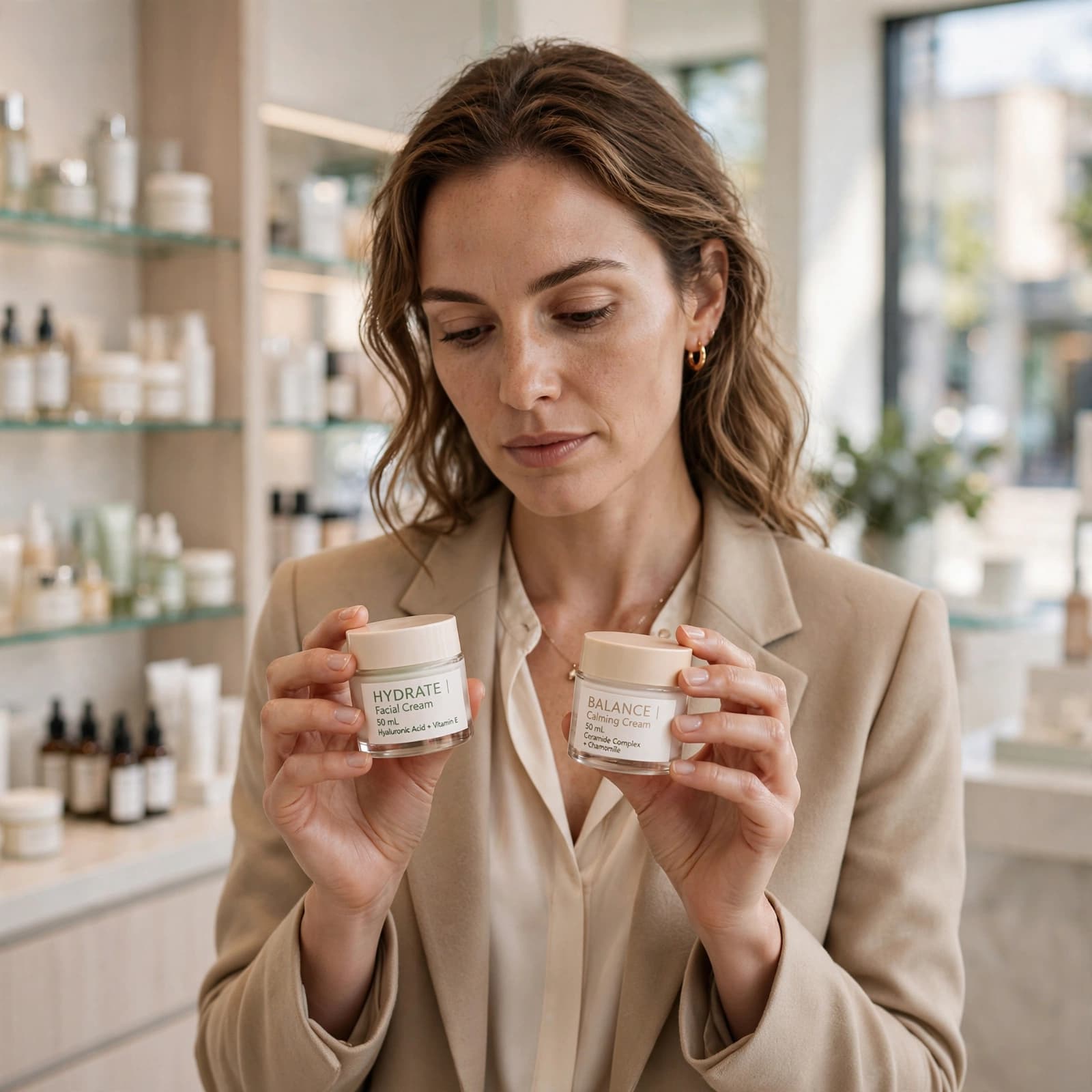
Which facial cream ingredients are worth looking for?
Ingredient names tell you more about a formula than a description such as “luxury hydration”. Moisturisers often combine substances that attract water, soften the skin and reduce moisture loss. You don’t need every fashionable ingredient in one jar.
Look for ingredients that support moisture and comfort
Humectants attract water. Glycerine is a common example, and Hyaluronic acid appears in many facial creams. Some Korean skincare products also feature hydration-focused ingredients, though formulas vary. Neither name tells you whether the finished product will feel light or heavy: the whole formula determines that.
Emollients help skin feel smoother. Squalane, Vitamin E and certain oils can play this role, while occlusives such as petrolatum and dimethicone help limit water loss. Glycerine and Ceramides may appear alongside them in a Hydrating cream, but the balance affects how it feels. A cream can contain several types at once, which is why a light-feeling product may still moisturise well.
Panthenol is another ingredient you may see on the label. Some formulas also contain Ceramides or Niacinamide, but their presence doesn’t guarantee a cream will suit reactive skin. Some Korean skincare routines layer hydration products, but Active ingredients such as Niacinamide still need to be judged in the finished formula, as does Glycerine.
Read the full label, not just the front of the pack
Scan the ingredient list for known triggers before looking at claims. If fragrance has caused problems, check beyond “perfume” for named fragrance ingredients; if alcohol denat tends to leave your skin uncomfortable, look for it too.
Active ingredients should be judged in the context of the finished formula. Ingredient order offers a broad sense of what’s included, but doesn’t reveal exact concentrations of Glycerine or Hyaluronic acid, or predict how the cream will feel. Terms such as “natural”, “anti-ageing” and “for sensitive skin” are starting points for comparison, not proof of performance. Collagen or Peptides on a label don’t establish results, and topical Collagen claims alone don’t prove how a cream performs. Follow the directions, and stop using a product if a reaction develops.
Compare facial creams for comfort, performance and value
The best facial cream should earn its place in your actual routine. A pleasant first touch matters, but so do its finish, how it sits beneath other products and how your skin feels by late afternoon.
Test how the cream behaves in your daily routine
Face moisturiser performance is easiest to assess on clean skin. Skincare routine steps can affect how it layers, so let a modest amount settle before applying another product. Notice whether it spreads smoothly or drags, then check for a sticky film, unwanted shine or tightness. Under make-up, watch for pilling, where the product rolls into small bits.
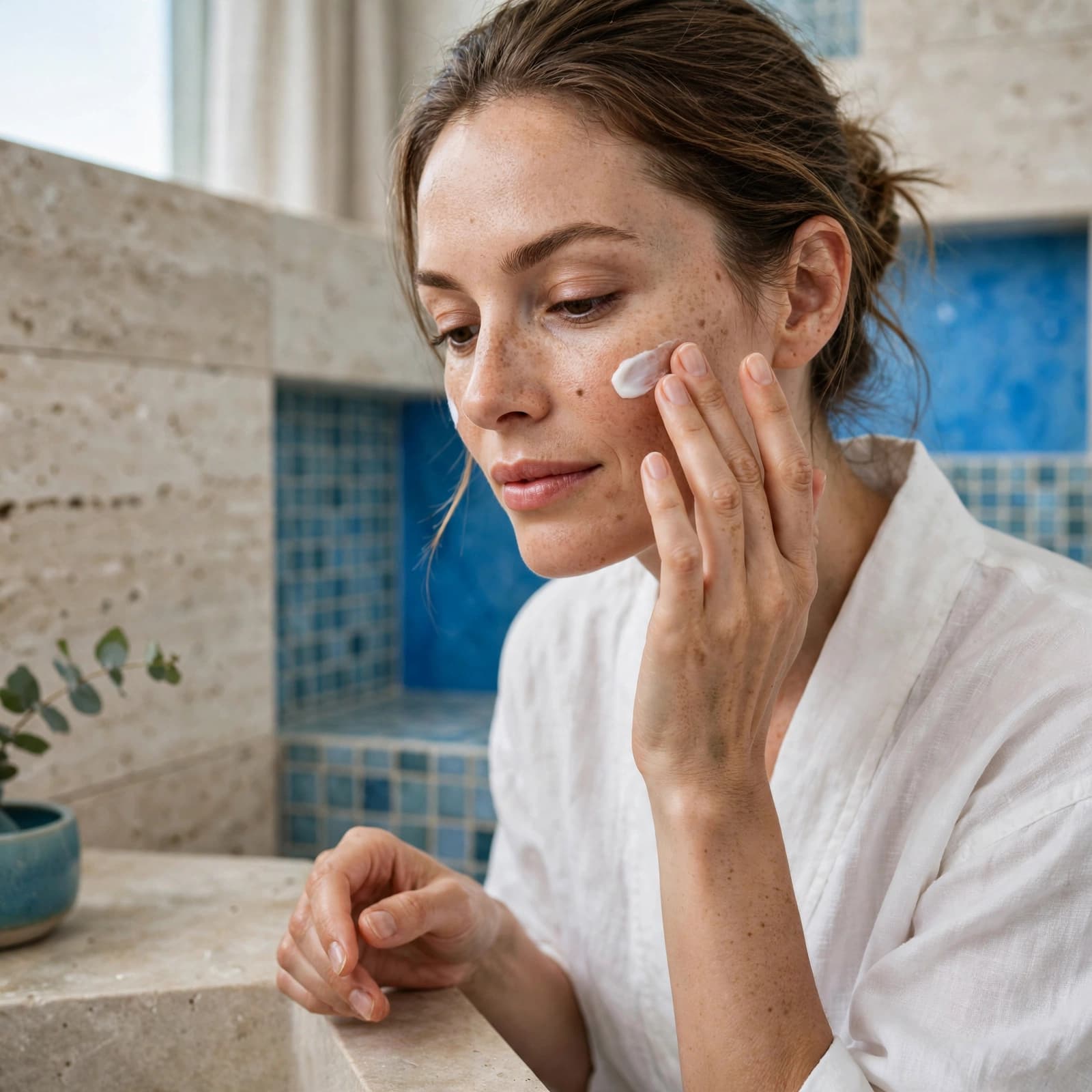
Daily moisturiser performance becomes clearer over several uses rather than after one application. A Gel moisturiser may feel light, but check whether it settles without leaving shine or pilling. A Hydrating cream that feels rich at bedtime may become uncomfortable during a warm commute, while a weightless finish means little if your cheeks feel dry later. No testing period guarantees that irritation won’t appear, so stop if your skin reacts.
Compare cost per amount and shop online carefully
Divide the price by the pack size to compare cost per millilitre. When comparing a Budget moisturiser, check its pack size and full ingredient list, including Glycerine, but don’t treat a lower price or any single ingredient as proof of quality. A larger jar may cost less per millilitre, but offers little value if you won’t finish it or dislike using it. Sample and travel sizes can help you assess a formula before paying for more.
Shopping online gives you a wider choice of textures and makes pack sizes and prices easier to compare. Check the full ingredient list, the amount supplied and the returns terms before ordering. Reviews from people with similar skin and routines can reveal issues such as pilling or a strong scent, but their verdicts remain personal.
Are premium facial creams worth the extra money?
Face moisturiser prices can reflect a texture you prefer, easier packaging or a formula that layers neatly. They can’t guarantee better results for your skin. The clearest comparison is between products you’d genuinely use every day.
For example, CeraVe Moisturising Cream is a richer option if you prefer a substantial finish. Simple Kind to Skin Hydrating Light Moisturiser is a starting point if you’d rather use a lighter lotion. Check the current formula and ingredient list, including Glycerine, but its presence alone doesn’t make a cream better. Claims about Niacinamide, Collagen or Anti-ageing benefits aren’t guarantees; judge them by the formula and your own experience, not price alone.
The trade-offs are practical:
- A Budget moisturiser can be easier to assess when your main aim is comfortable moisturising.
- A texture you enjoy may be worth paying more for if it makes daily use easier.
- Richer creams can feel greasy on areas that become shiny during the day.
- An expensive cream is poor value if fragrance, finish or packaging puts you off using it.
Choose the less costly option when it meets your needs. Pay more only for a difference you can feel or use.
When a cream alone won’t solve the problem
Face moisturiser helps with moisture and comfort, but it won’t fix every cause of dryness or irritation. A harsh cleanser or frequent use of exfoliating products can leave skin feeling tight, even when your moisturiser is suitable. If your routine has become complicated, reducing the number of products may help you identify what’s causing discomfort. Some moisturising formulas contain Glycerine, which helps attract moisture but doesn’t treat irritation or an underlying condition.
Persistent redness, cracking, a spreading rash or repeated stinging deserves advice from a pharmacist or GP. The same applies if you’re managing a skin condition and ordinary creams aren’t helping. A cosmetic product’s “repair” claim shouldn’t take the place of appropriate care.
Sun protection should be considered separately. A moisturiser without labelled SPF offers no labelled sun protection, and an SPF cream only helps when you use it as directed.
Frequently Asked Questions
Do I need a separate eye cream?
Not necessarily. If your usual facial cream is comfortable around the eye area and its directions allow use there, a separate product may add little. Keep creams out of your eyes, and avoid applying an irritating formula near delicate skin.
Can I use body moisturiser on my face?
You can consider it if the formula suits your skin and the directions don’t advise against facial use. Body products sometimes have a richer finish or stronger fragrance than you want on your face. Try a small area first rather than assuming that comfortable body skin predicts a comfortable face.
Should I moisturise if I have acne-prone skin?
Yes, acne-prone skin can still feel dry, especially when you use treatments that cause dryness. Face moisturiser should feel comfortable alongside your treatment; Glycerine is a humectant, but suitability depends on your skin and the complete formula. Non-comedogenic is a useful claim to note, but it doesn’t guarantee that a product won’t cause breakouts for you.
Does facial cream expire after opening?
Yes. Check the packaging for an expiry date or a period-after-opening symbol, often shown as a number beside an open-jar icon. Store the product as directed and avoid introducing water into the container. Changes in smell, colour or texture are reasons to stop using it.
How often should I apply facial cream?
Use the product directions and adjust to how your skin feels. Many people apply moisturiser after cleansing in the morning and evening, but a single application may suit your routine. If you need to reapply constantly because your skin feels tight, review the cleanser and cream together.
The final verdict on facial cream
Choose a Face moisturiser if its texture suits your skin, avoids known triggers and stays comfortable throughout your routine. Skip it if the finish bothers you or the price relies on claims you can’t judge in use.
A simple, affordable formula is a sensible place to start. As with the cream that suits someone else but not you, the deciding factor is how well it works on your own skin.
–
–
–