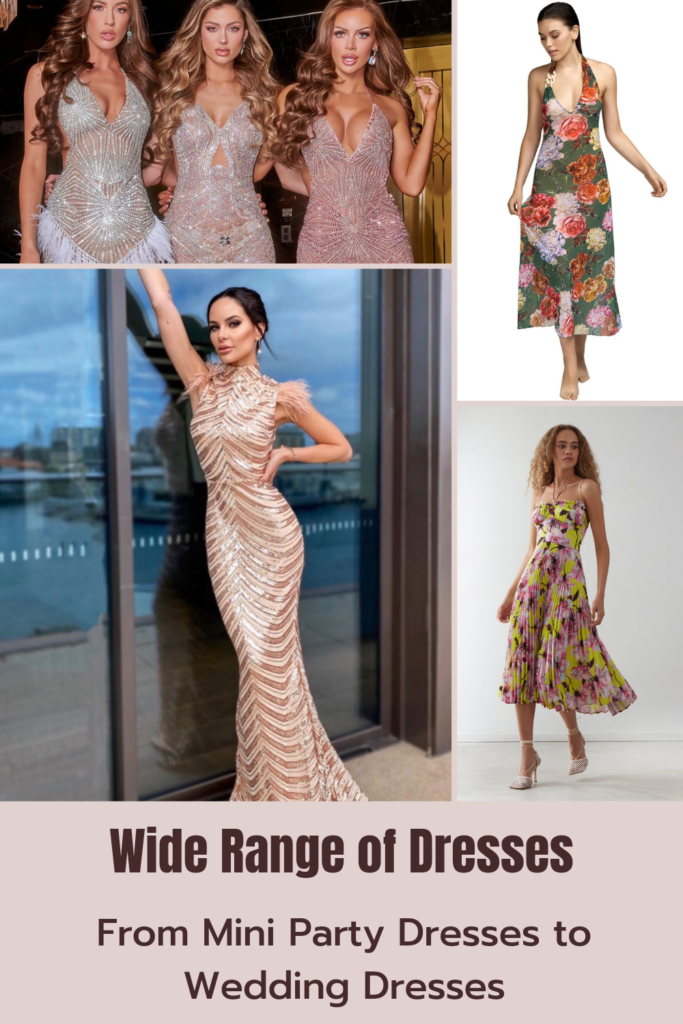
It’s worth buying if you’ll rewear it, enjoy the colour and find a comfortable fit within your budget.
It’s a strong choice if you like bold outfits for celebrations, holidays or everyday wear, but a poor fit won’t improve with brighter colour. Our recommendation is to prioritise wearability over trend appeal.
This buyer’s guide weighs versatility, fabric quality, construction and cost, with practical styling ideas and online shopping advice. Start by deciding where you’ll wear it and which shade you’ll enjoy beyond its first outing.
Key Takeaways
- Choose a pink you enjoy in daylight, because fabric sheen, lighting and screen settings can change its appearance.
- Prioritise comfortable movement, suitable coverage and accurate measurements rather than relying on your usual size.
- Inspect seams, lining, fastenings and care requirements before paying more for a premium option.
- Use existing shoes, jewellery and layers to increase rewear opportunities and reduce outfit costs.
- Compare online prices alongside delivery charges, return costs and clear sizing information.
Is This Bold Colour Worth Buying?
A hot pink dress gives an outfit an immediate focal point. A simple design can feel dressed-up without elaborate jewellery, making the colour useful for parties and occasions.
The shade can vary, from cool, vivid fuchsia to warmer tones closer to coral. A bright pink fabric with a glossy finish catches light differently from matt cotton, so dresses in similar shades can look quite different.
Your preference matters more than any universal rule about skin tone. Hold the colour near your face in daylight where possible. Choose a shade you enjoy wearing, rather than one you feel obliged to like.
Rewear potential depends on your plans. A washable dress might work for meals out and summer weekends, whilst an embellished gown has fewer uses.
For better value, divide the purchase price by the number of times you realistically expect to wear it. Include alteration and cleaning costs where relevant. A cheaper dress worn once can cost more per outing than a better-made option worn regularly.
Choose the Right Cut, Fabric and Fit
There isn’t one ideal silhouette for every body. Choose according to your preferred coverage, movement and occasion, then assess how the garment actually fits. Sizes vary between labels, so treat the number as a starting point.
Compare silhouettes for comfort and occasion
An A-line skirt offers room around the legs, whilst a wrap dress allows some waist adjustment. Check that its neckline and skirt overlap stay secure when you sit.
Shirt dresses offer adjustable buttons and optional belts. Sheath dresses sit closer to the body, so check hip room and stride length. Slip dresses feel fluid, but narrow straps or low backs may limit bra options.
A mini dress, midi dress and maxi dress describe length rather than shape. Check garment measurements, as the hem’s position depends on your height.
Try sitting, walking and raising your arms. Sleeves shouldn’t pull across the shoulders, and the neckline shouldn’t need constant adjustment. Hem or strap alterations can improve an otherwise suitable dress.
When choosing plus size pink dresses, compare garment measurements, coverage and freedom of movement instead of relying on size labels.
Check fabric, lining and make
Cotton and linen are useful for warm-weather wear, although linen creases readily. Silk can feel smooth and drape softly. A satin dress may use silk or another fibre, as satin describes a weave rather than a fibre.
Heavier crepe, velvet or wool blends suit cooler conditions. Thickness alone doesn’t prove quality.
Examine opacity, lining coverage and seams. Stitching should look even, fastenings should operate smoothly, and hems shouldn’t twist. Stretch should support movement without excessive pulling.
Feel the inside, as scratchy seams or stiff lining can undermine comfort. Read the care label before committing.
Style the Dress for Real-Life Plans
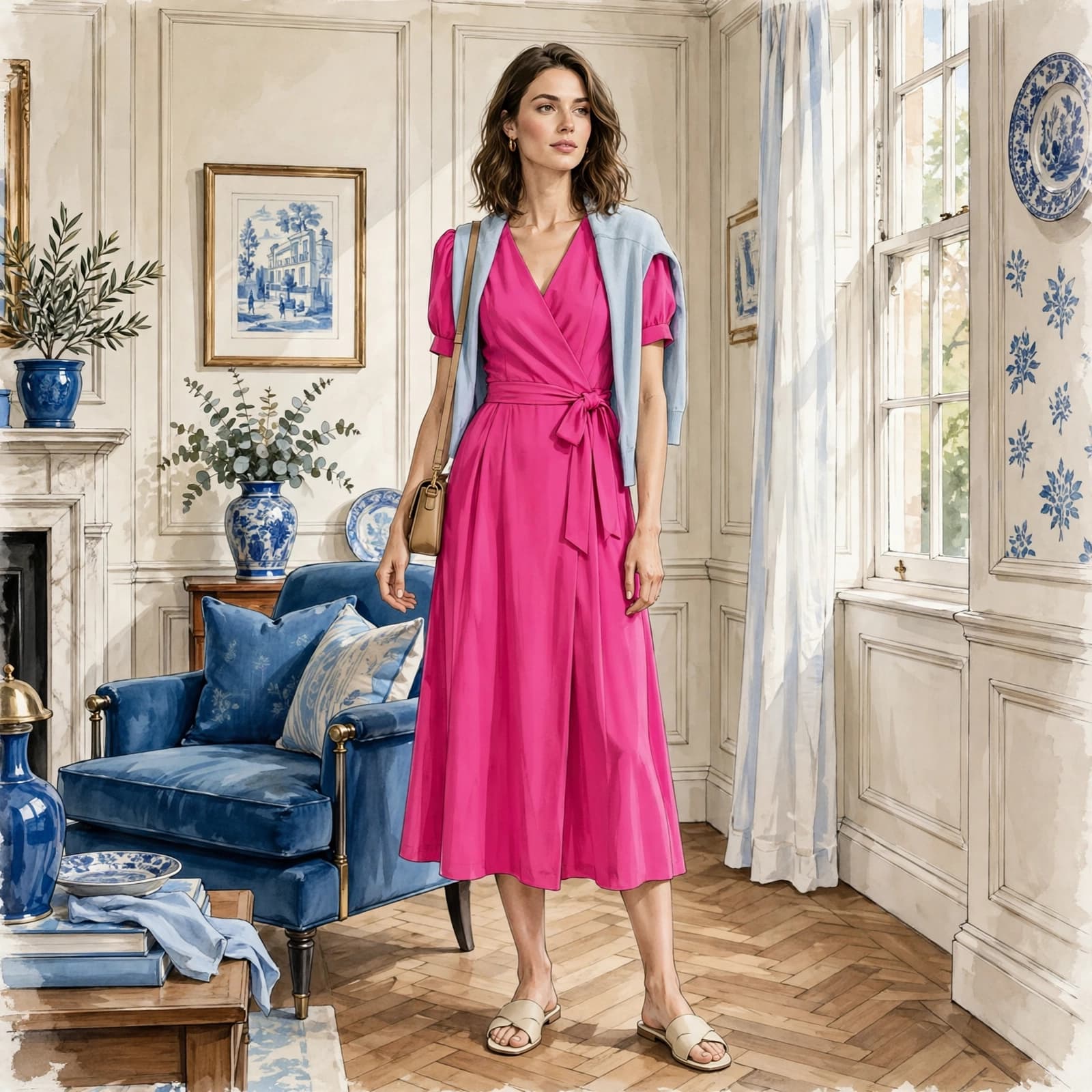
Start with shoes and layers you already own. Changing accessories can make the dress more or less formal without adding to your shopping list.
Build outfits for daytime, work and events
For relaxed daytime plans, pair a cotton midi dress or floral shirt dress with flat sandals or clean trainers. Add a simple crossbody bag and lightweight cardigan. A relaxed skirt leaves room for walking and sitting comfortably.
For work or smart-casual settings, try a sheath or A-line midi with a neutral blazer and loafers. Choose a neckline that stays comfortable throughout the day and sleeves that fit beneath the jacket. This works where workplace dress codes allow bright colours.
For evenings, choose a fluid maxi dress with refined earrings, a compact bag and comfortable block heels or dressy flats. Smooth lining helps the skirt move freely. Match the level of formality to the event’s dress code.
Balance the colour with shoes and accessories
Black, cream and tan are straightforward pairings. Silver or gold accessories add shine without introducing another bright colour, although combinations remain a matter of taste.
Keep jewellery restrained when the dress has ruffles, sequins or an unusual neckline. With a plain design, a contrasting bag or stronger earrings can add interest.
For changeable UK weather, consider the outer layer too. A cardigan works for relaxed plans, whilst a blazer adds structure. Try the complete outfit together: bulky sleeves can bunch under a fitted jacket.
Check the Price, Pros and Cons Before You Buy
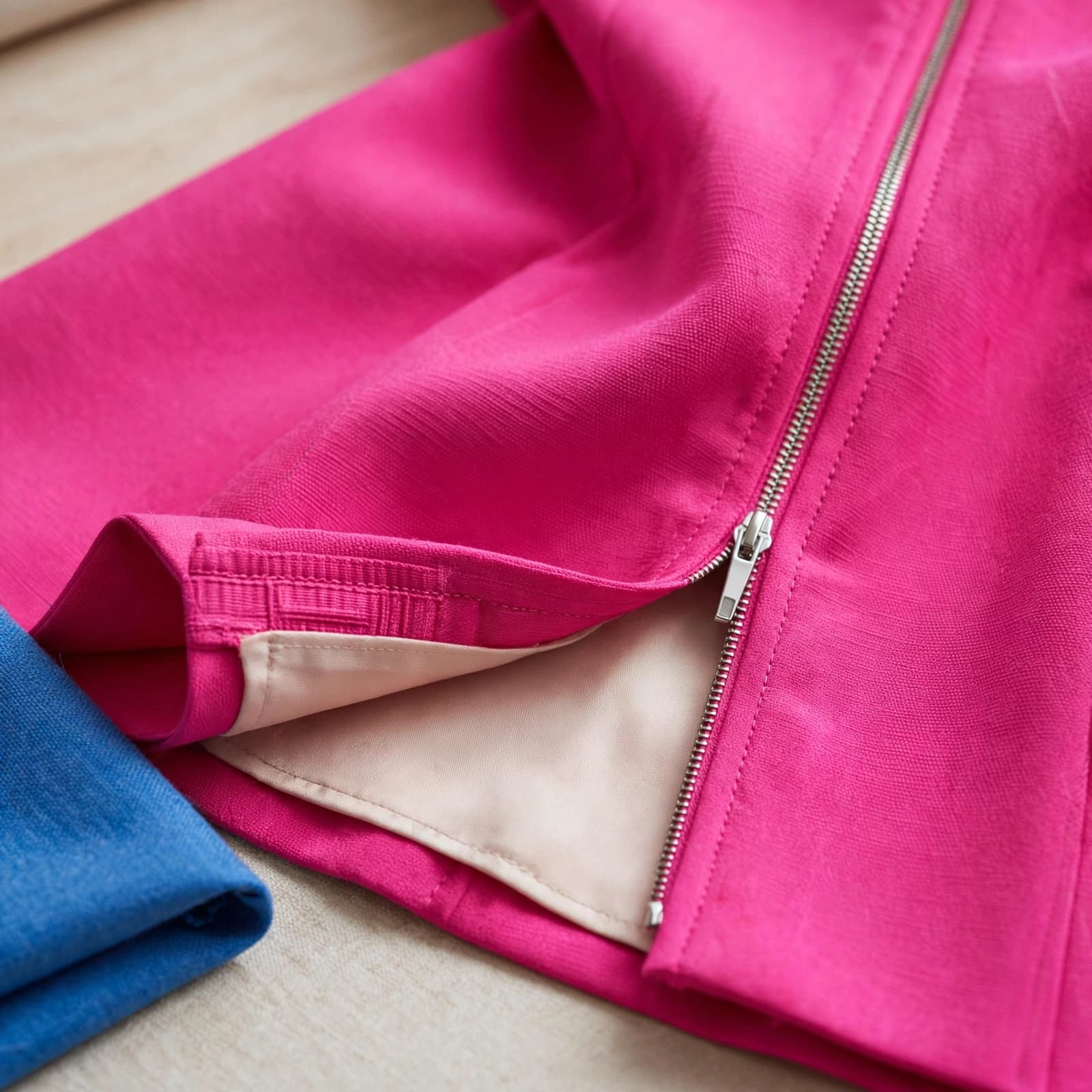
A higher price doesn’t automatically buy better comfort or durability. Compare the garment’s materials and finish, then judge whether those differences matter for your intended use.
Decide whether the cost matches the quality
Look at fabric composition, even stitching, lining and fastening strength. For a satin dress, check the finish and care needs too. Seams shouldn’t gape under normal movement, and the zip should lie flat rather than buckle.
A lower-priced dress can offer good value through a simple cut and sound construction. A premium option should justify its cost through better fabric, thoughtful lining or more precise finishing.
Consider long-term wear too. Loose embellishments, snag-prone surfaces and strained seams deserve attention before purchase. Natural fibres aren’t automatically more durable than synthetic ones; the cloth and construction both matter.
Cost per wear should include necessary alterations and specialist cleaning. Also count any shoes or layers you’d need to buy. A dress that works with your existing wardrobe has a financial advantage.
Weigh the main advantages and drawbacks
The strongest benefits are practical as well as visual:
- The memorable colour gives a simple outfit a clear focal point.
- An adaptable cut can work across several occasions with different accessories.
The main limitations deserve equal weight:
- Bright pink may have fewer uses in a wardrobe built around muted colours.
- Online shade differences and delicate fabrics can add disappointment or care costs.
Buy it if the shade feels right, the fit allows comfortable movement and you can name several likely outings.
Skip it if you’re overlooking poor construction, restrictive fit or expensive upkeep because you like the colour.
Buy Online with Fewer Fit and Colour Surprises
Online shopping offers more choice of lengths, sizes and fabrics than one shop can display. It also makes it easier to compare similar designs. However, delivery and return charges can reduce the appeal of the lowest advertised price.
Use measurements, reviews and return terms
Measure around the fullest part of your bust, natural waist and widest part of your hips, keeping the tape level. Compare these measurements with the size chart, including when shopping for plus size pink dresses, and check whether it lists body measurements or garment measurements.
Reviews can flag recurring issues with tight sleeves, thin fabric or colour differences. Look for comments about fit and photographs taken in natural light, rather than relying on star ratings alone.
Check delivery charges, return deadlines, refund terms and any conditions for sale items.
For most online clothing purchases in the UK, you have 14 days after delivery to notify the retailer that you want to cancel, then another 14 days to return the item. Sale prices don’t remove these statutory rights.

Make an informed choice between online and in-store shopping
Online browsing makes it easy to compare similar dresses without travelling. Fitting rooms let you check drape, texture and comfort first-hand.
If you’re choosing an unfamiliar silhouette or need a precise shade, trying it on can help. For online orders, check the return terms and allow time for delivery, an exchange and any tailoring.
Seasonal discounts can improve value, but compare the final price. A discount doesn’t make a dress worth buying if you won’t wear it.
Frequently Asked Questions
Which colours complement the dress?
Cream and tan create a softer contrast, whilst black makes a sharper combination. Silver, gold and navy can also work, depending on the dress’s undertone and your taste. Test accessories together rather than assuming a particular metallic tone is always the right match.
Can I wear a hot pink dress to a wedding?
Yes, if the invitation’s dress code and the couple’s preferences allow it. Follow any stated colour guidance and avoid overly bridal styling, such as a train or bridal-looking headpiece. The dress’s fabric, length and embellishment should suit the wedding’s formality.
How can I tell if the dress will be see-through?
Check the fabric weight, lining details and customer comments about transparency. When it arrives, assess it in daylight with the underwear you plan to wear, whilst keeping the tags attached and following the return conditions. Lightly stretched areas may reveal more than loose sections.
How should I wash and store a hot pink dress?
Follow the care label, including any dry-clean-only instruction. If washing is permitted, use the stated temperature and a gentle method. Separate it from pale garments if colour transfer is a concern. Store it away from prolonged direct sunlight, fold heavy knits and use suitable hangers for woven dresses.
Our Verdict: Buy for the Wear You’ll Get
A purchase earns its place when comfort, construction, wardrobe compatibility and value all hold up beyond one photograph or event. Our recommendation is a conditional buy: choose a comfortable fit, sound construction and a shade that works with your existing wardrobe.
Buy if the cut, care needs and total cost suit your plans. Skip it if the colour is persuading you to accept discomfort or a poor finish.
The strongest choice is the one you’ll reach for again without needing another round of purchases.