A 1920s flapper dress suits shoppers looking for distinctive occasionwear with movement and a relaxed silhouette. It’s often searched for as a Great Gatsby dress, but the style isn’t reserved for one body shape. Choose a flapper dress with a neckline, length and decoration that suit your preferences.
For UK shoppers, the strongest choices balance comfort with secure construction and manageable care requirements. Our guide helps you choose a flattering, wearable design, assess fabric and fit, and compare online options confidently. Start with the dress’s shape and finish before deciding how much sparkle you want.
Key Takeaways
- Choose a flapper dress with a fit you can comfortably wear again.
- Compare flapper dresses by shape and coverage to suit the occasion.
- Compare garment measurements with a dress you own, because UK sizing varies between makers.
- Assess the lining, seams and embellishment attachment alongside the fabric composition.
- Balance dramatic decoration with comfortable footwear and one or two period-inspired accessories.
- Compare the full online cost, including delivery, returns and likely cleaning expenses.
What defines the style?
The look draws on the Jazz Age and the Roaring 20s, when looser dresses and shorter hemlines accompanied changing attitudes towards women’s clothing. A 1920s dress often had a relaxed, straight-cut body and a hem that moved easily.
Decoration gives a 1920s flapper dress much of its evening character. Fringe swings with each step, whilst beads and sequins catch the light. Art deco-inspired fans, chevrons and geometric patterns add definition without requiring a fitted waist.
Modern interpretations vary considerably. Some reproduce period shapes closely; others combine vintage-inspired decoration with contemporary stretch fabrics, fitted bodices or shorter lengths. A flapper dress described as a “Gatsby dress” may use the label for a broad modern interpretation, whilst some versions look more like a flapper costume than wearable occasionwear.
The distinction matters when buying. A straight shift hangs differently from a body-skimming dress covered in fringe, even when both share similar beadwork. Likewise, a drop waist can sit at the upper hip or lower down, changing the proportions.
Look at the undecorated outline as well as the surface details. If that underlying shape appeals to you, the dress is more likely to earn repeat wear once the themed party has passed.
Which style suits your occasion?
Start with how you’ll spend the evening. A dress for dancing has different demands from one worn mainly for dinner, photographs or a seated celebration.
Fringe and beaded dresses for parties
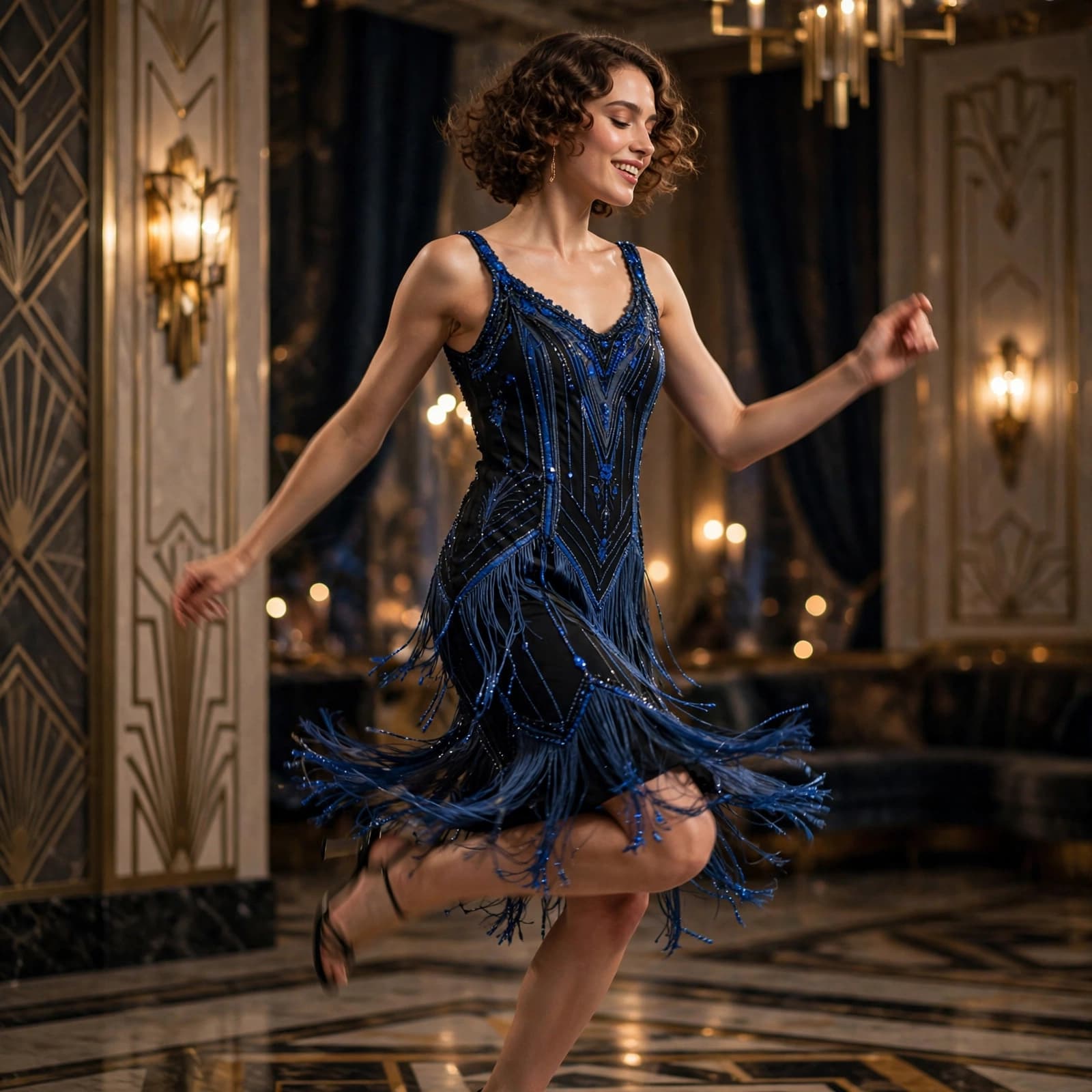
A fringe flapper dress adds visible movement, even during gentle steps. A beaded flapper dress adds texture and sparkle, making it a strong choice when you want the party dress to carry the outfit.
More decoration also means more to assess. Dense beading can pull on lightweight fabric, while rough embellishment around armholes may rub against skin. For a long event, consider the overall weight and whether you’ll sit comfortably against decorated panels.
Close-up photographs are particularly useful here. They reveal whether the pattern comes from stitched beads, sequins or a printed effect.
Simpler shift shapes for easier rewearing
A plainer shift offers more flexibility for dinners, evening drinks and themed occasions. Subtle art deco embroidery or a fringed hem can suggest the Jazz Age without dominating the dress.
Choose a neckline and sleeve length you already enjoy wearing. Then add a headband or small embellished bag when the occasion calls for a stronger period reference.
How to choose the right fit, fabric and finish
A flapper-inspired cut often leaves space through the waist, but looseness alone doesn’t guarantee comfort. A drop waist places the seam lower and shifts the dress’s proportions. The shoulders, neckline and hips still determine how it hangs.
Check measurements, movement and coverage
UK size labels vary between makers. Compare the bust, waist, hip and length measurements with a dress that already fits comfortably. First establish whether the chart gives body measurements or finished garment measurements, because they’re different.
Shoulder seams and straps should sit securely without pulling. The neckline should provide your preferred coverage when you lean forward or sit.
Look at the lining and fastening, too. A restrictive lining can limit an otherwise generous outer layer, and a difficult zip can complicate dressing.
Judge coverage by the lining’s hem, rather than the lowest tips of the fringe.
When possible, try the dress with your intended underwear and shoes. Walk, sit and take a few dance steps before removing any tags.
Assess fabric, embellishment and care needs
Fabric affects drape, breathability, weight and upkeep. A satin finish describes appearance, not fibre content, so read the composition rather than assuming it means silk.
Polyester, viscose and silk can all appear in occasionwear, but weave, lining and construction also affect how they feel. No fibre guarantees durability by itself.
On a beaded flapper dress, inspect seams, loose beads and fringe attachment as soon as it arrives. Decoration should sit securely without obvious puckering. Finally, read the care label before deciding whether the dress suits your maintenance budget.
How to wear the look without feeling in costume
A contemporary outfit can retain the dress’s character without reproducing every period detail. Let your usual preferences guide the styling, whether you favour minimal accessories or a more dramatic evening look.
Choose shoes and accessories that balance the look
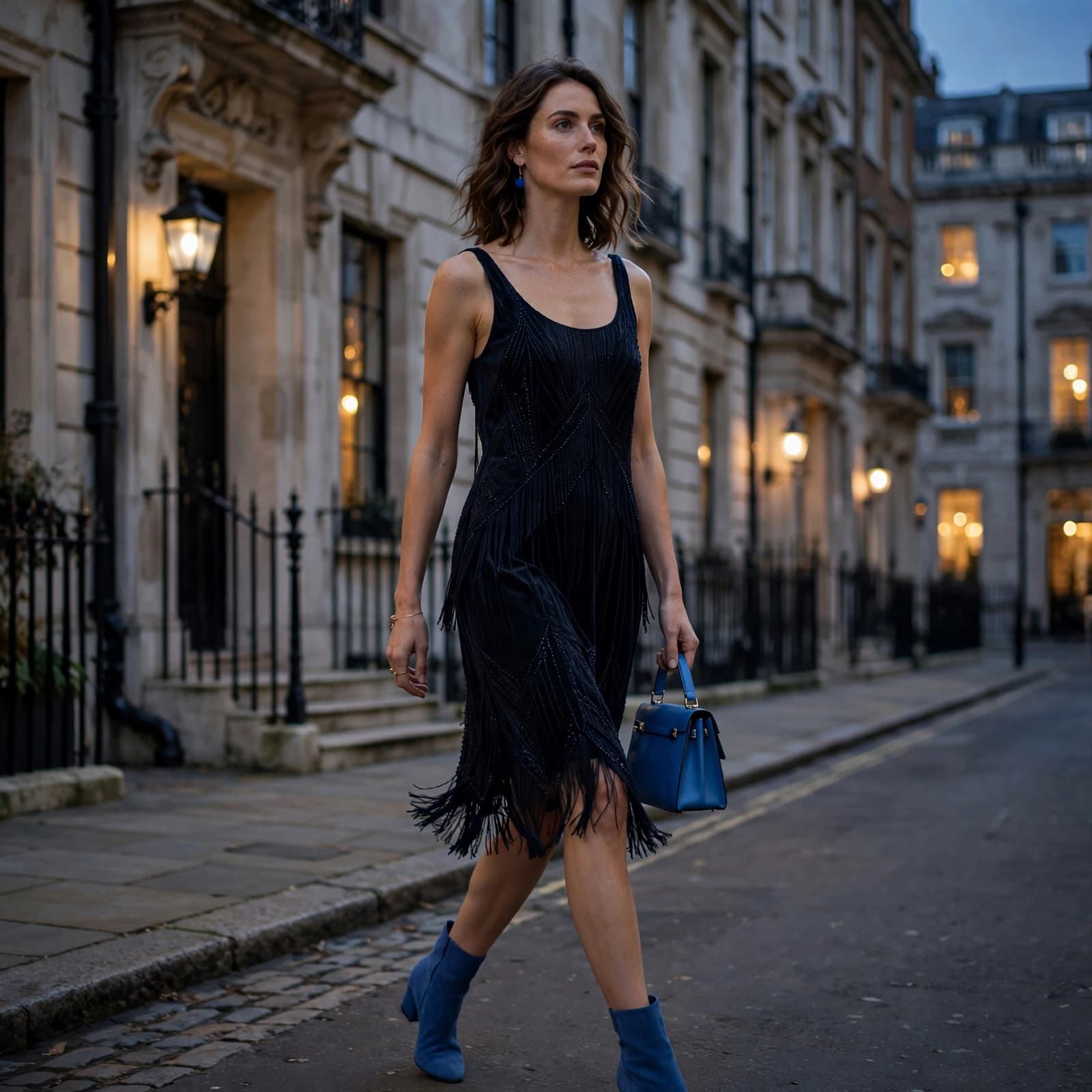
Low heels, ballet flats and secure block heels work well when dancing is the priority. Higher heels remain an option if they’re comfortable for your plans and the venue.
A simple clutch keeps the outfit practical. For jewellery, consider small earrings when beadwork already surrounds the neckline, or a longer necklace over an undecorated front.
For a Great Gatsby dress look, choose one or two period-inspired details, such as a headband or bag. You don’t need feathers, gloves and layered pearls together to make the reference clear.
Adapt the outfit to weather and personal style
For a UK evening, add a smart jacket, wrap or light coat that accommodates the decoration without catching it. Try the layers together, since textured sleeves and beadwork can snag.
Black or navy creates an understated base, whilst jewel tones make a stronger statement. A longer lined hem or sleeves can provide extra coverage without sacrificing movement.
Buying online: compare value before you buy
Online shopping offers a broader choice of colours, lengths and sizes than a single shop can usually display. It also makes price comparisons easier, although a lower headline price doesn’t always mean better value. Flapper dresses are widely available, including styles for Roaring 20s-themed events.
Compare fabric and lining, embellishment close-ups, garment measurements, care instructions, delivery charges and returns terms. Include any return postage in your budget, especially when fit is uncertain. Customer photographs can also reveal how the dress hangs beyond studio styling.
Weigh the advantages against the drawbacks
The category has clear strengths and compromises:
- Advantages include distinctive event styling, expressive movement and decoration that can reduce the need for extra accessories. A party dress with these details can suit special occasions.
- Drawbacks include delicate trims, potentially weighty beadwork, variable sizing and care requirements that may limit everyday use.
Value depends on expected wear, comfort and construction. A beaded flapper dress that needs repairs or specialist cleaning may cost more to enjoy than its initial price suggests.
Consider modern alternatives and make a confident choice
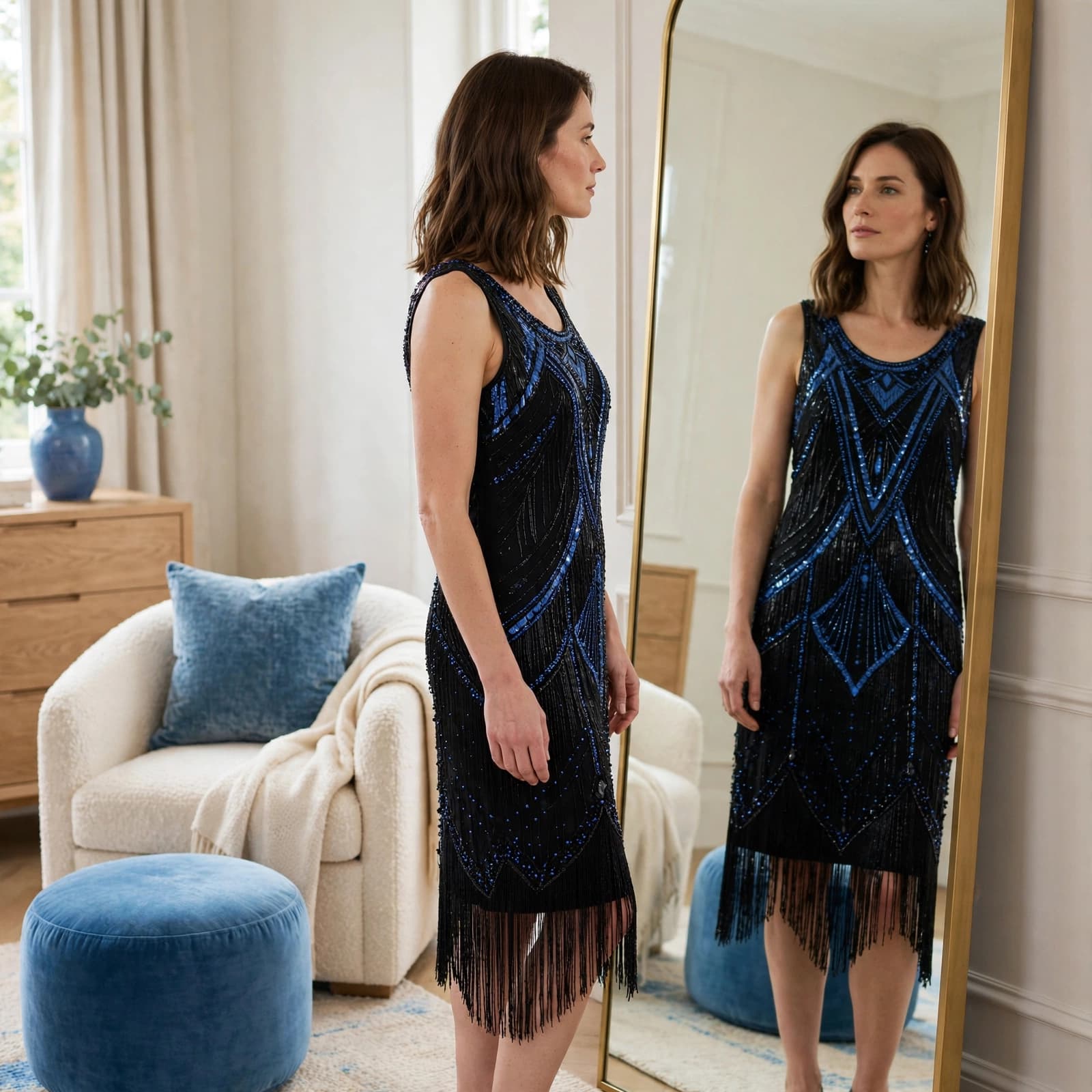
Compare a fully embellished dress with a simple drop-waist or shift dress styled using accessories you own. The simpler option offers more opportunities to change the mood.
Buy it if a flapper dress suits your upcoming occasions, you enjoy the silhouette and can accommodate its care needs within your budget.
Skip it if you want frequent low-maintenance wear, dislike weighted clothing or would prefer a dress that works with fewer styling adjustments.
Frequently Asked Questions
How does a dropped-waist dress differ from this style?
A dropped waist is a construction detail: the waist seam sits below the natural waist. This style often pairs a relaxed silhouette with Jazz Age-inspired decoration, though some modern versions have no dropped seam. A plain drop-waist dress can therefore have little period character.
Can you wear this style to a wedding?
Yes, when it matches the invitation and dress code. A flapper dress with restrained beading and comfortable accessories usually offers more flexibility than theatrical headwear. Avoid white or ivory unless the couple’s dress instructions welcome them, and consider whether the outfit suits both the ceremony and reception.
Is this style comfortable for dancing?
It can be, particularly when the shape leaves room through the hips and the lining moves freely. Heavy embellishment, tight armholes or long fringe can reduce comfort. For partner dancing, consider whether loose trims might catch on jewellery, buttons or a partner’s clothing.
How should you care for a dress with beadwork?
Follow the garment label, because the base fabric and decoration may require different treatment. Don’t pull loose threads or beads; handle the area gently and arrange a repair where needed. Avoid hanging a heavily weighted dress by delicate straps, and follow any supplied storage guidance.
What shoes work best with this style?
Flats, low heels and block heels are practical choices for many evening events. Match them to the hem length and venue: narrow heels can sink into lawns, while secure straps may help shoes stay in place during dancing. Comfort matters more than historical accuracy.
Final verdict: buy for the evenings you’ll enjoy
This style makes sense for someone who wants distinctive occasionwear and values fit, comfort and construction alongside decoration. The strongest choice gives you room to enjoy the event without constant adjustments.
Buy it if the silhouette suits your preferences and you’ll welcome opportunities to wear it again. Skip it if delicate trims and extra care would outweigh the pleasure of wearing it.
Before ordering, compare measurements, lining and care details. Wearability is a better reason to buy than sparkle alone.