A shirt dress is a versatile buy for easy styling, but its fabric, fit and construction determine whether it earns wardrobe space. The strongest choice feels comfortable, moves freely and works with shoes and layers you already own.
For UK shoppers, wearability matters more than a perfect product photograph, especially when you’re buying online. Our buying guide focuses on the details that affect comfort, durability and value, without treating every button-front dress as interchangeable.
Start with the shape you enjoy wearing, then judge the material and fit against your everyday routine.
Key Takeaways
- Choose a silhouette that suits your preferred look, with enough room across the bust, shoulders and hips.
- Compare fabric composition, opacity and care instructions rather than judging quality by photographs or price alone.
- Secure buttons, tidy seams and well-positioned pockets make a practical difference to comfort and durability.
- Online shopping offers wider choice and easier price comparisons, but delivery charges and return costs affect value.
- Buy for outfits you’ll wear repeatedly, rather than an occasion that needs a different dress code.
Shirt Dress: What It Is and Who It Suits
A shirt dress borrows the structure of a shirt and extends it into a standalone outfit. Its familiar collar and button-front fastening give it a defined appearance, whilst the skirt shape determines how relaxed or tailored it feels.
The category offers plenty of choice, but no single cut suits every preference or occasion.
The details that set it apart
Common features include a collar, front buttons, shirt-style cuffs and a separate or matching tie belt. Some designs have a full-length fastening; others button only through the bodice.
Pockets add convenience, although their position affects the silhouette. Meanwhile, a straight hem looks different from a curved shirttail hem, which can rise at the sides.
A tunic usually has a shorter, looser shape and often works over trousers or leggings. A shirt dress should provide enough length and coverage to wear independently. A T-Shirt Dress usually has a more casual, T-shirt-inspired shape. Compared with separate pieces, a dress removes the need to match a top and bottom.
A quick verdict on everyday wear
The main advantage is easy outfit building. Change your footwear and outer layer, and the same dress can suit a weekend outing or an office with a relaxed dress code.
However, fit demands attention because one garment must accommodate your upper and lower body. A dress that fits comfortably at the hips might pull across the bust.
This style suits shoppers who enjoy collars, adjustable waist definition and straightforward layering. Crisp fabric and a shaped waist usually look smarter than soft, oversized cuts. For formal occasions, judge the actual dress against the dress code rather than relying on accessories to change its character.
Compare Shirt Dress Styles, Fabrics and Build Quality
Silhouette, fabric and finishing deserve separate attention. A pleasing colour won’t compensate for scratchy material or buttons that strain.
Choose a cut for the look you want
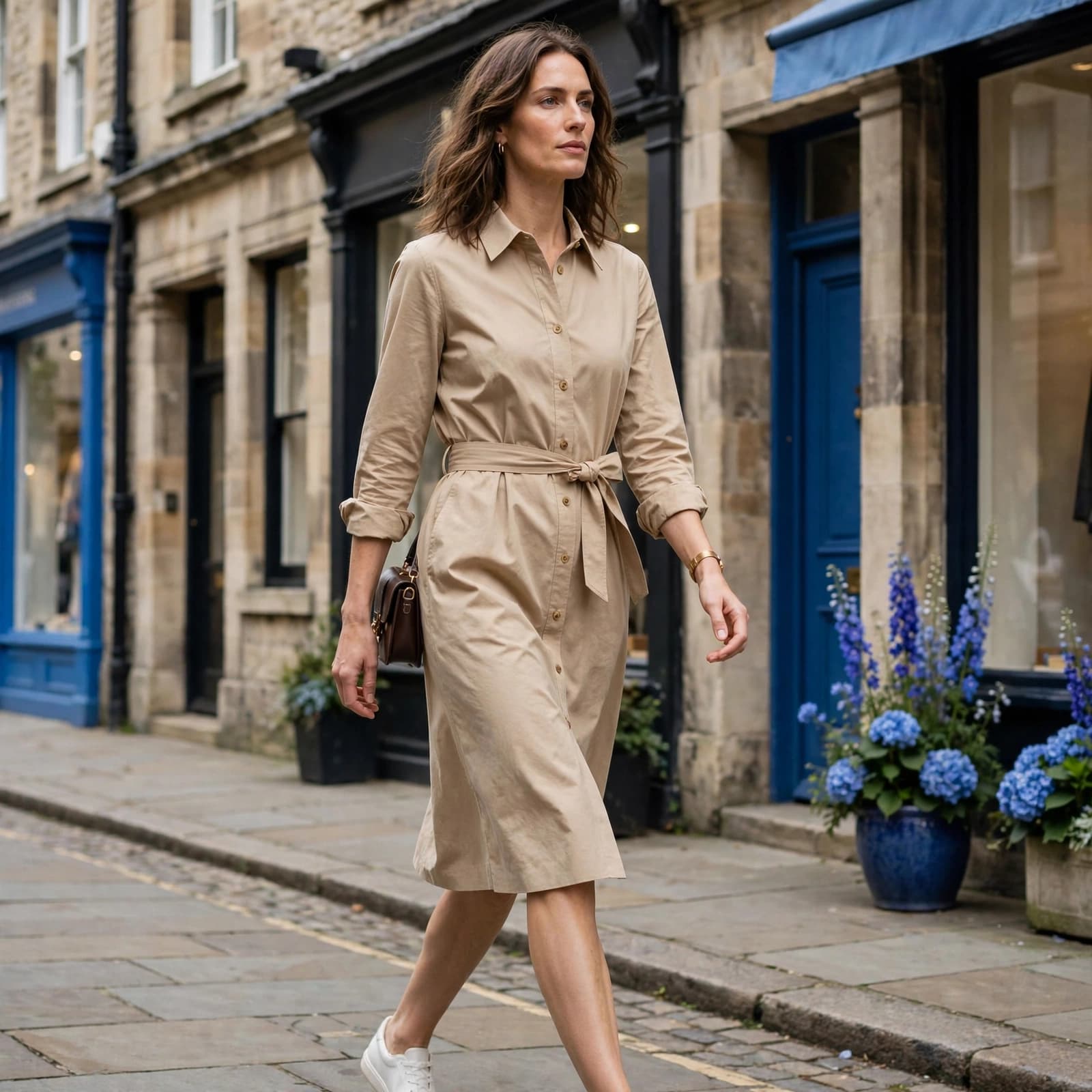
A classic belted cut gives adjustable waist definition. In contrast, relaxed and oversized shapes offer more room, although excessive volume can make layering awkward.
Fitted designs need more precise sizing, especially in non-stretch fabric. A midi dress offers coverage, whilst a shirt-dress maxi can restrict your stride if the skirt is narrow.
An A-line skirt adds space around the hips. Long-sleeve styles add coverage, but tight upper sleeves can limit reaching.
Match the fabric to comfort and care
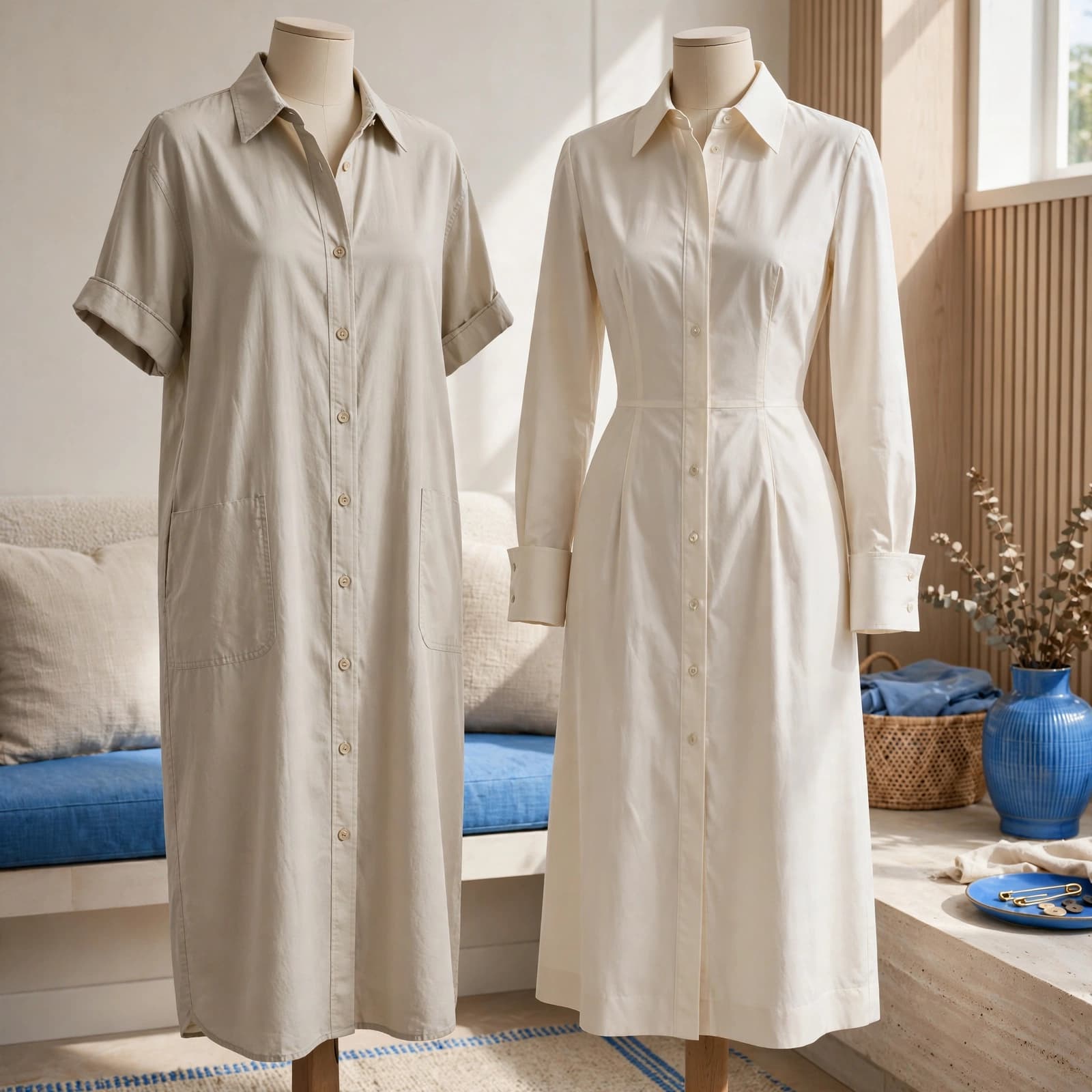
Cotton poplin often feels crisp; softer cotton weaves give a more relaxed finish. Linen suits warm weather, but creasing is part of its character.
Heavier cotton, denim and wool blends offer more substance for cooler days. Some synthetic blends crease less, although their feel and breathability vary with the weave.
Viscose can drape softly but may need gentle laundering. Meanwhile, silk feels smooth and requires careful care. Read the garment’s care label before buying: machine-washable, hand-wash-only and dry-clean-only dresses create different demands.
Check the finishing before you buy
Look for even stitching without puckered seams, loose threads or distorted buttonholes. Buttons should sit securely, with enough fabric overlap along the fastening.
Check whether pockets lie flat and whether a lining helps coverage without bunching. Lightweight fabric isn’t automatically poor quality, but transparency may require another layer.
A lining improves coverage, but it can’t correct buttons that pull because the dress is too tight.
How to Choose the Right Shirt Dress Fit and Size
UK size labels vary between makers. Measurements and fit notes give you a better starting point than ordering your usual number automatically.
Measure key points and check the size chart
Measure your bust at its fullest point, your natural waist and the fullest part of your hips. Keep the tape level without pulling it tight.
Then compare those measurements with the chart. Distinguish body measurements from garment measurements: a woven dress needs room beyond your body dimensions for comfortable movement.
Check the stated length against a dress you already like. Model height helps explain photographs, but it doesn’t tell you where the hem will fall on you. Also read whether the design is fitted, relaxed or oversized, and whether the fabric stretches.
Test comfort, coverage and movement
Try the dress with the underwear and shoes you expect to wear. Stand naturally, sit down, walk and reach forwards.
The button placket should lie flat rather than form stretched gaps. Similarly, the waist shouldn’t dig in when seated, and the sleeves shouldn’t pull across your upper arms.
Check side-hem coverage and any slit while moving. For light-coloured or sheer materials, a slip or camisole can improve coverage, although another layer may feel warm. Assess opacity in daylight because indoor lighting can hide transparency.
Use belts and alterations thoughtfully
A belt adds definition, but it can’t create missing room through the bust or hips. If removable, try wearing the dress without it for a looser shape.
A tailor may shorten the hem or adjust sleeves. However, changes around the shoulders or bust can involve more work, and insufficient fabric limits what’s possible. Choose a comfortable starting fit rather than budgeting for major reconstruction.
Style a Shirt Dress and Shop Online with Confidence
Build outfits for work, weekends and smarter plans
For daytime, pair a relaxed cotton or linen midi dress with trainers or loafers and a cross-body bag. A cardigan adds warmth without needing a completely different outfit.
For work, choose a neat belt, simple jewellery and structured shoes. Navy, black or muted prints are easy to coordinate, although your existing wardrobe should guide colour choice.
For an evening meal, try dressier shoes and a compact bag with a softly draped dress. Keep a light jacket handy for changeable UK weather.
Weigh the benefits against the drawbacks
- Benefits include quick outfit building, adjustable styling and room for comfortable layering in suitable cuts.
- Drawbacks include creasing, possible button gaping and limited scope to correct a poor fit. Delicate fabrics can also add laundering expense.
Compare prices, returns and alternatives
Online shopping makes it easier to compare colours, sizes and prices without travelling between shops. However, photographs can’t fully communicate fabric texture or weight.
Compare the full delivered price, composition, size chart and return terms before ordering. Customer reviews can highlight repeated complaints about shrinkage or transparency, but individual fit comments need context.
For most standard UK online clothing purchases, you have 14 days after delivery to cancel, then another 14 days to return the goods. Return postage may still be your responsibility.
Higher prices don’t guarantee better construction. Consider likely wears and cleaning costs alongside the purchase price. A tunic offers a looser alternative with trousers, while a T-shirt dress is another casual option. Separate shirts and trousers let you choose different sizes for each half.
Frequently Asked Questions
Can you wear a shirt dress in winter?
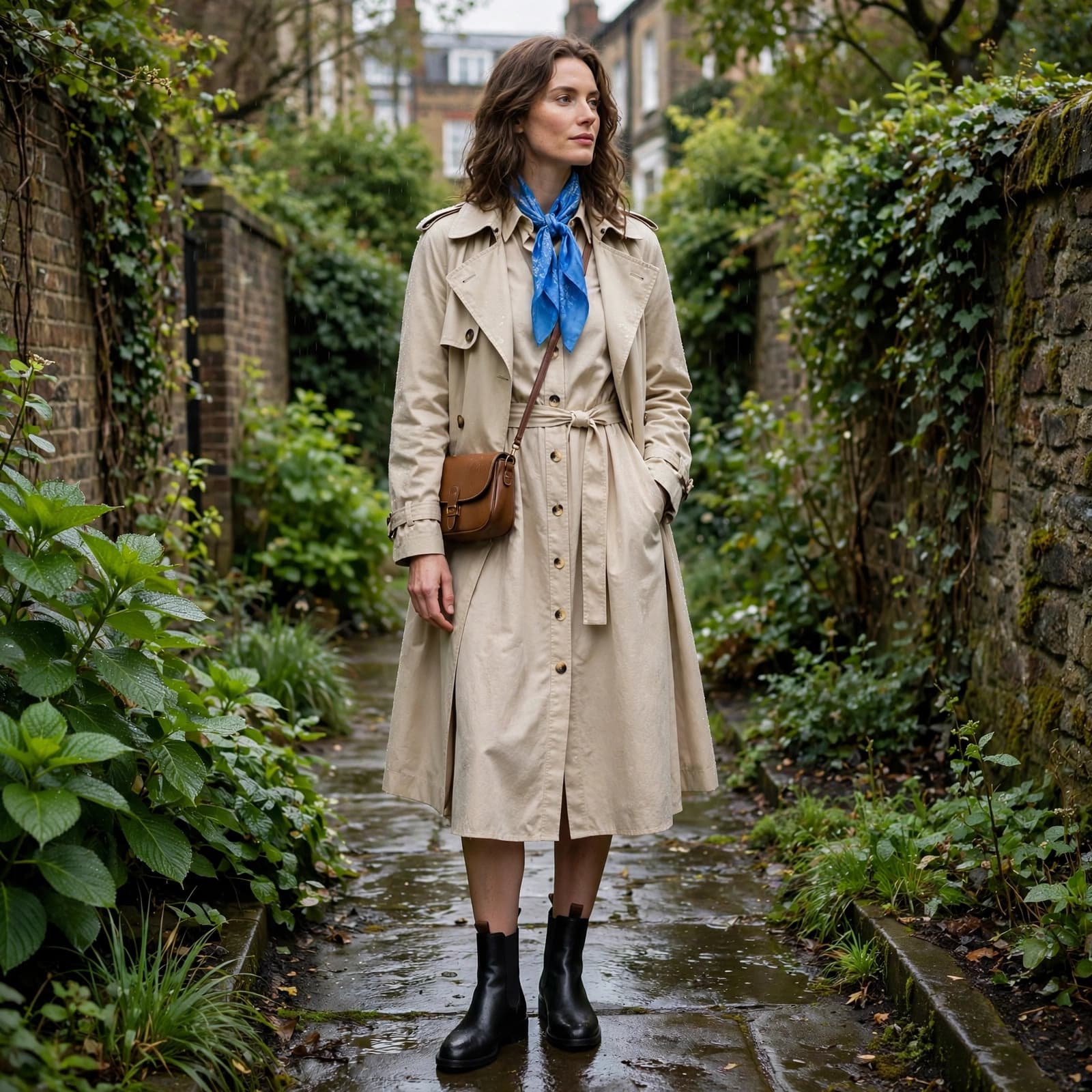
Yes, provided the fabric and layers suit the temperature. Try opaque tights, ankle or knee-high boots and a jumper over the dress, with a coat outdoors. Heavier cotton or wool-blend styles offer more substance than lightweight summer fabrics, which may feel cold even with accessories.
Should a shirt dress be loose or fitted?
Either works if you can move comfortably and enjoy the shape. A fitted design needs enough room through the bust and waist, whilst a relaxed design shouldn’t overwhelm your preferred proportions. Pay attention to shoulder placement, too: dropped shoulders can be intentional in oversized styles.
How do you stop a shirt dress gaping?
Try a roomier size or a cut with more space across the bust. A camisole adds coverage, whilst a tailor may add a discreet fastening where the fabric already meets comfortably. If the placket pulls under tension, choose a different fit rather than forcing it closed.
What shoes go best with a shirt dress?
Trainers and flat sandals suit casual outfits, whilst loafers give a neater daytime finish. Ankle boots work well in cooler weather, and dressier flats or heels can suit evening plans. Match the choice to your hem length, walking needs and forecast rather than following a fixed rule.
Can you wear a shirt dress open as a layer?
A fully buttoned design can work open over a simple top and trousers. Choose a fabric with enough movement to hang comfortably, and remove the belt if it pulls the sides backwards. Partial button-front styles won’t offer the same option, so the fastening determines whether this extra use is practical.
Final Verdict: Buy for Your Routine
Buy a shirt dress if its fabric, fit and care needs match your routine, and you can picture wearing it several ways. Repeat wear makes the purchase worthwhile, especially when it works with clothes and shoes you already own.
Skip it if the buttons pull, the material feels uncomfortable or the upkeep demands more time than you want to give. When shopping online, compare measurements and return terms before paying, so a tempting photograph doesn’t outweigh the practical details.