A promise ring is worth buying when its meaning is clear to the people involved and the ring suits the wearer’s daily life. It can be a meaningful symbol of commitment. Someone might give one as a romantic gift for a special occasion, but it isn’t a required step before engagement.
If you’re choosing one, shared expectations matter as much as the design. This guide covers what the ring can mean, how styles and materials compare, and what to check before ordering online.
Key Takeaways
- Its meaning has no fixed definition, so agree on the commitment it represents before giving one.
- Choose the wearer’s preferred style and a comfortable fit over a fashionable design they won’t wear.
- For everyday use, examine the metal, finish and stone setting as closely as the gemstone.
- Online shopping makes specifications and prices easier to compare, but check sizing, returns and delivery terms before paying.
- A higher carat weight or price doesn’t automatically mean a better ring.
Meaning, Expectations and What the Commitment Does Not Imply
A promise ring is a personal symbol of commitment. For one couple, the ring might mean staying devoted whilst living apart. For another, it may mark a decision they’ve already discussed and want to remember. There is no prescribed script or occasion.
That freedom makes a conversation important. If one person sees the ring as a private gesture and the other sees it as a proposal with a date attached, the gift can create confusion. Say what you’re promising before choosing how to express it.
Common promises couples choose to mark
Couples may exchange rings to mark a lasting commitment to their relationship, a shared goal or a period of long-distance devotion. One person might buy a ring to honour a promise to themselves. Friends and family members can use rings to mark their bonds too.
The design doesn’t need to announce the promise to everyone else. A plain band with an engraving can hold a precise meaning for its wearer, whilst a visible motif can make for a meaningful design for someone who enjoys telling the story behind their jewellery.
How it differs from an engagement ring
A ring given during a proposal usually communicates an intention to marry. The ring doesn’t carry that expectation unless the people involved have agreed it does. It needn’t lead to an engagement, and neither type of ring is automatically more sincere or valuable.
Design conventions are flexible as well. The ring can feature a single stone, a plain band or a bold shape. If it resembles a proposal ring, discuss how the wearer feels about questions from other people before buying it.
Styles, Stones and Metals to Consider
Start with the jewellery the intended wearer already reaches for. A ring that looks striking in a photograph may spend most of its life in a box if it catches on sleeves or feels awkward.
From simple bands to heart and infinity designs
Slim, smooth bands are easy to pair with other rings and tend to sit comfortably under gloves. A modern collection of designs might include minimalist silhouettes, elegant solitaires, halo styles and cluster rings. Engraving adds a private detail, although it may limit returns. Heart, infinity, linked and paired designs make the symbolism visible without needing a large stone.
Check the finish on decorative rings. Raised details can catch on knitwear, whilst a low-profile design is less intrusive during daily tasks. The right level of decoration depends on the wearer, not their gender or relationship.
Choosing diamonds, coloured gemstones or no stone
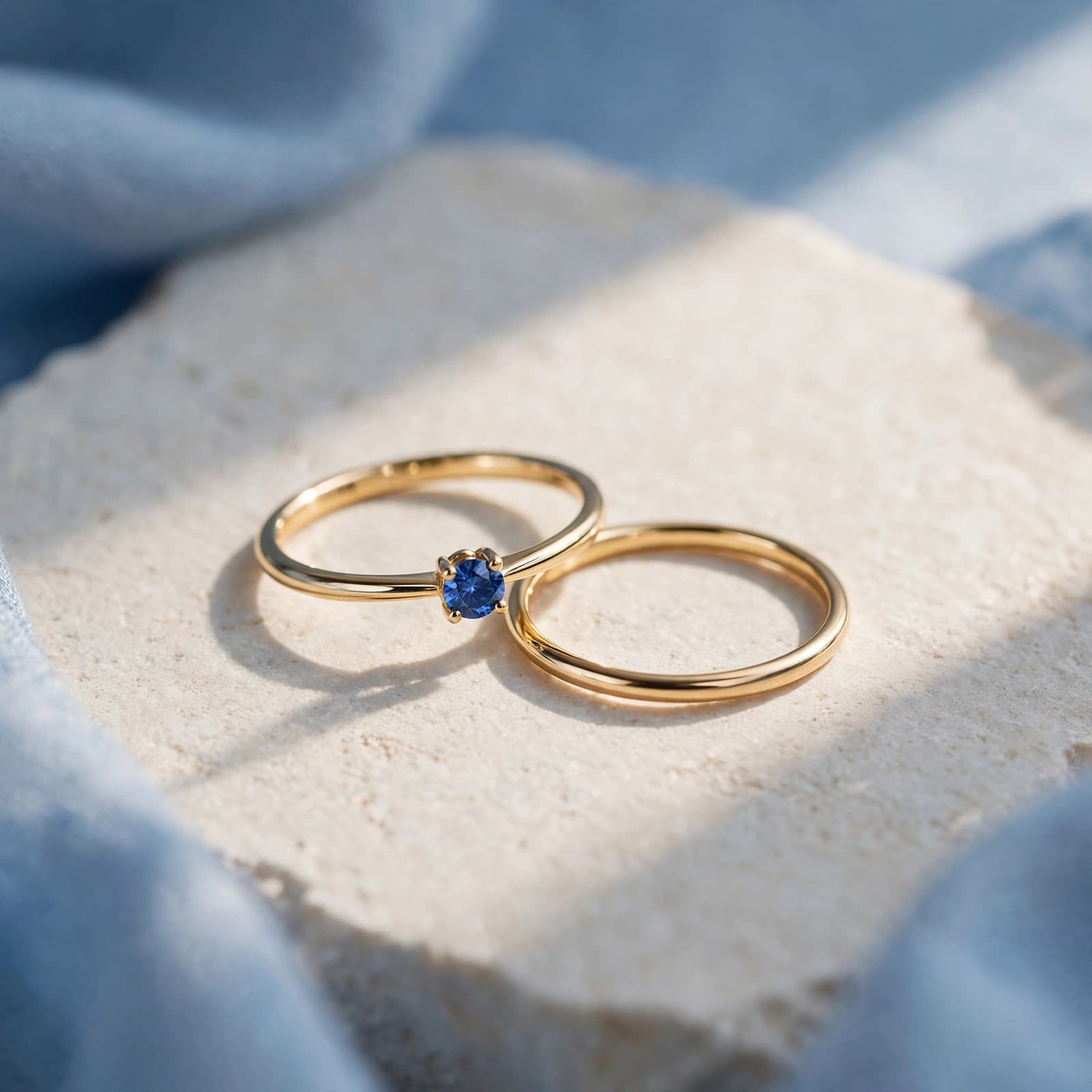
A small diamond offers familiar sparkle; gemstone promise rings featuring a birthstone or favourite colour can feel more personal. Compare natural stones, which vary in colour and character, with lab-grown diamonds. A lab diamond has the same chemical composition as a mined diamond, though its origin differs. Check the stone type and any disclosed treatments.
Look beyond the stone’s size. A low bezel setting protects its edge, while claws expose more of it but may snag if poorly finished. A plain band avoids concerns about loose settings altogether.
Gold, silver and platinum in everyday wear
Sterling silver, including polished silver, often costs less than gold or platinum, but can tarnish and show scratches. Yellow gold has a warm colour; white gold may need rhodium replating. Gold vermeil is gold plating over sterling silver, so it may need different care from solid gold. Platinum feels dense on the hand and develops a surface patina over time.
In the UK, 9ct and 18ct gold offer different price points and gold content. Check for an appropriate hallmark on precious-metal jewellery where hallmarking rules apply; exemptions depend on the metal and item weight. Metal choice should also reflect skin comfort and the wearer’s routine.
How to Choose a Ring That Feels Personal
The best choice starts with the wearer, not a search for the most impressive photograph. Their usual rings can reveal their preferred metal colour, band width and how much attention they like a piece to attract.
Agree on the meaning before choosing the design
Talk openly about the commitment. Does the wearer want a ring, or would another gesture feel more comfortable? If you’re exchanging rings, they don’t need to match or use the same metal.
Discuss whether the ring is private or something they’ll share with family and friends. A gift shouldn’t pressure someone into an engagement, a timeline or a public declaration they haven’t chosen. Once you’ve agreed on the meaning, an engraving could refer to something you both recognise.
Get the size, fit and comfort right
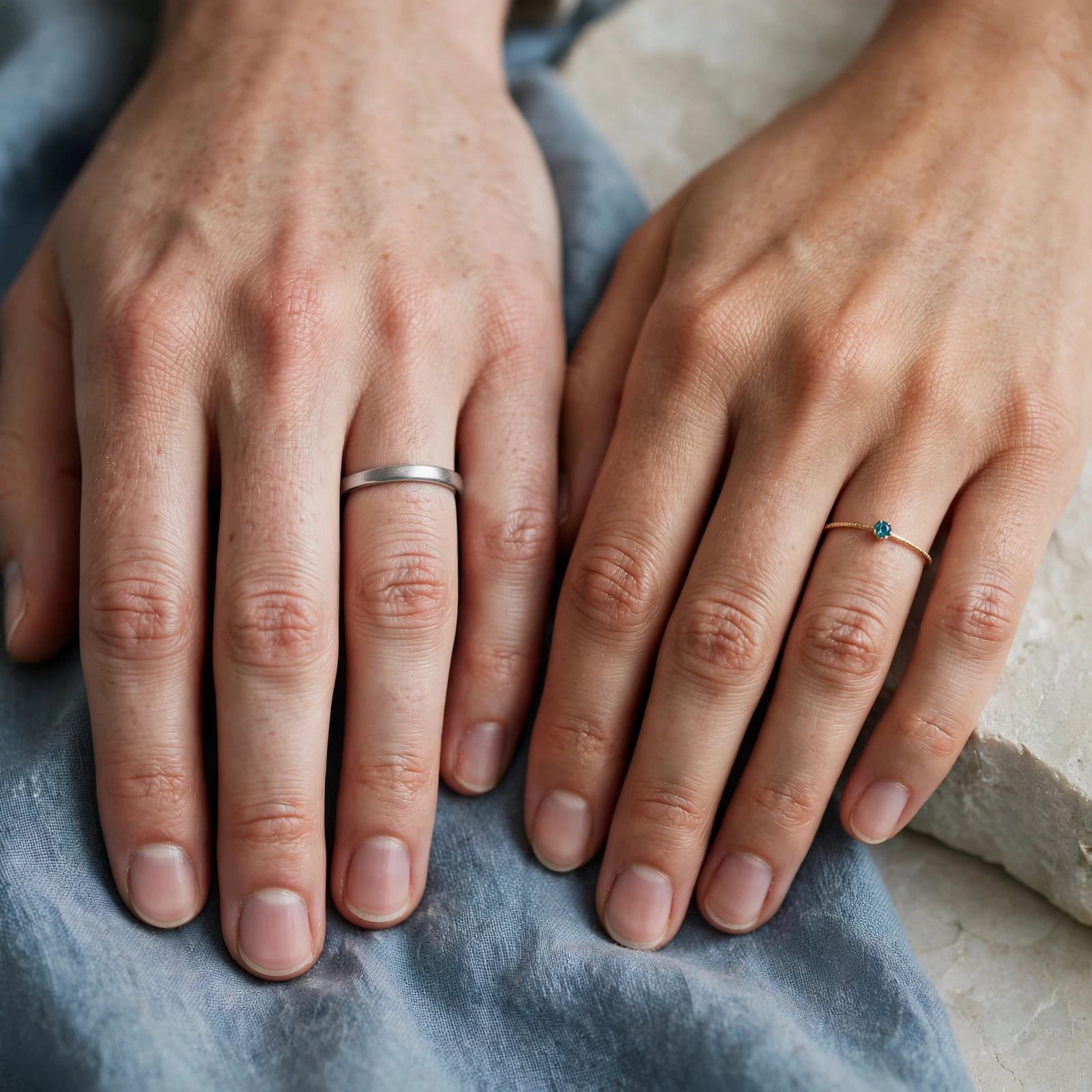
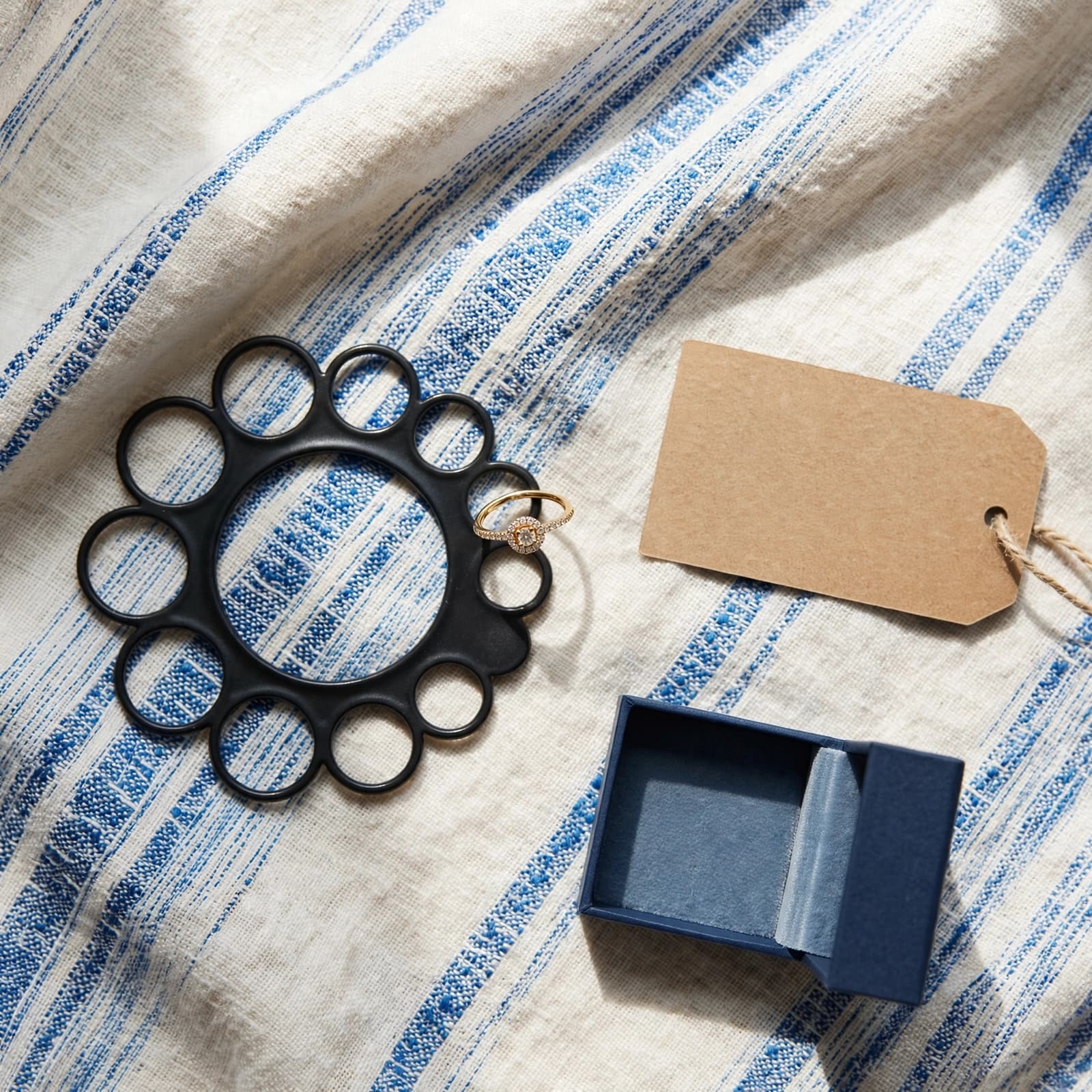
A professional sizing check is the safest option, especially if the design is the only surprise. If you measure at home, follow the seller’s sizing guide and measure the finger where the ring will sit. Fingers can change size with temperature, so don’t rely on one measurement taken when hands are unusually cold or warm.
Wider bands often feel tighter than narrow ones in the same nominal size. Check whether a stone-set or patterned ring can be resized, and by how much. An all-round pattern leaves less room for alterations.
Set a budget based on quality, not carat weight
Price reflects the metal, gemstone and workmanship, as well as the name attached to the piece. A modest, well-finished band can offer better value than a larger stone in a flimsy setting.
Compare rings with similar metal purity, band width and stone specifications. If there’s a diamond, ask what its stated carat weight refers to and whether independent grading information is available. There’s no need to borrow or stretch your budget to meet an expected price tag.
How to Judge Build Quality and Value
Without examining a particular ring, no photograph can prove how its edges feel or how securely a stone sits. Product details help narrow the choice, but the finish and construction matter when the ring arrives.
Inspect the details that affect long-term wear
Assess the craftsmanship and quality of the finished band and setting. The inside of a band should feel smooth, with no sharp joins or rough engraving. A stone should sit firmly, and claws shouldn’t catch readily on fabric. Look at the band beneath the setting too: an extremely thin section can wear or bend more easily than a substantial one.
A hallmark confirms precious-metal fineness where required; it doesn’t tell you whether a stone setting is well made.
Daily wear still leaves marks on sound jewellery. Silver may need polishing, gold can scratch, and plated finishes may need attention. Regularly check stone settings and store the ring separately when it’s off the hand.
Weigh the trade-offs before paying more
When comparing fine jewellery, judge price by materials and construction, not status. You can also check whether the maker provides sourcing details, such as the use of recycled metals.
Silver, gold and platinum are precious metals, but each brings different costs and care needs:
- A plain silver band is often affordable and easy to style, but it needs care to manage tarnish.
- A gold band usually costs more, yet offers several colours and purities without relying on a stone for interest.
- A gemstone can make the ring more personal, although its setting adds a point to inspect and maintain.
- Platinum offers a distinctive weight and feel, but its higher cost won’t make the promise more meaningful.
For many buyers, a well-made silver or 9ct gold band is a sensible alternative to a larger diamond ring. Choose the premium option when you value its materials and finish, not because the occasion appears to demand it.
Buying Online with Confidence
Buying online gives you more styles to compare than a single shop visit. It also makes differences in a promise ring’s band width, metal purity and stone size easier to spot side by side. Prices only tell a useful story when you’re comparing like-for-like specifications.
Read the specifications, not just the photographs
Close-up photographs and bright lighting can make a ring look larger and more brilliant than it will in ordinary daylight. Look for images on a hand or beside a scale, as well as views of the side and underside of the setting.
Before ordering, verify:
- The metal type, purity and whether any finish is plated.
- The band width, especially if the wearer prefers a slim or substantial ring.
- The stone type, size and setting, including whether treatments are disclosed. “Handpicked gemstones” alone doesn’t provide these details.
- The available sizes and whether the design can be resized.
If key information is missing, ask the seller. Look for clear answers that reflect jewellery expertise, particularly on specifications or care. Customer comments about fit and how the ring looks in person can help, but they don’t replace clear product specifications.
Check delivery, returns, resizing and care terms
Confirm the full delivered price, dispatch time and how the parcel will be packaged. Then check the return deadline, refund conditions and whether engraving or other personalisation changes your options. Standard online purchases and made-to-order items can be treated differently.
Ask who pays for resizing and postage if the fit is wrong. Care instructions and repair support matter too, particularly for plated finishes or stone settings. Keep the order details and inspect the ring promptly when it arrives, so you can raise a problem within the stated timeframe.
Frequently Asked Questions
Which finger should it be worn on?
There’s no universal rule. The wearer can choose whichever finger is comfortable, including one that leaves their engagement or wedding-ring finger free if they’d rather avoid confusion. Size it for that finger, since fingers on the same hand can differ.
Can one be given to a friend or family member?
Yes. It can mark a friendship, family bond or shared commitment without any romantic meaning. Make that intention clear when giving it, rather than relying on the ring to explain itself.
Does it mean you will get engaged?
No engagement is implied by the ring alone. If marriage is part of the commitment, both people should say so explicitly and agree what, if anything, they expect next.
Can it be worn every day?
Many people do, provided its metal and setting suit their routine. Take it off for activities that risk knocks, chemical exposure or loss, and check stone settings for movement. Follow the care guidance for its particular materials.
How much should you spend?
There’s no required amount or accepted price range. Set a figure you can afford, then prioritise fit, sound construction and a design the wearer likes. A meaningful gift isn’t improved by debt or pressure to match somebody else’s spending.
Choose a Ring That Fits the Commitment
The best choice makes sense to the people involved and feels right on the wearer’s hand. Clear meaning and comfortable wear matter more than carat weight or a conventional design.
Before ordering, check the size, metal details and setting, then read the delivery, returns and resizing terms. Those practical checks help the ring remain a pleasure to wear long after the gift is given.

–
–
–
Some popular pages that may be of interest:
–