Dermalogica Daily Microfoliant is a water-activated exfoliating powder, offering an alternative to ready-to-use exfoliants. It needs mixing with water before use, which some may appreciate and others may find fiddly.
Base your decision on the formula, ease of use, skin tolerance and cost, not the promise of making exfoliation a daily habit. Check the current product label for ingredients and directions, as formulas, pack sizes and prices can change.
First, consider what the powder offers, how it fits your routine and where its limits lie.
Key Takeaways
- Daily Microfoliant is a water-activated exfoliating powder, so preparation and gentle application matter.
- Surface exfoliation may improve skin’s feel, but it doesn’t treat every cause of roughness or uneven tone.
- Follow the current label and introduce it cautiously, rather than assuming daily use suits you.
- Sensitive or irritated skin needs extra care, especially alongside retinoids or other exfoliants.
- Compare pack size, total cost and seller reliability before buying online.
What Daily Microfoliant is and how its formula works
Daily Microfoliant is Dermalogica’s rice-based, rinse-off exfoliating enzyme powder. Unlike a ready-made scrub, it needs water before you apply it. That preparation step changes the consistency, so the amount of water matters.
Dermalogica’s product descriptions list rice-derived ingredients, papain enzyme and salicylic acid. Check the current packaging for the full list of active ingredients, as formulas can change or differ between markets.
Rice-derived ingredients contribute to the powder base. Papain is a papaya-derived enzyme that helps break down proteins involved in holding dead surface cells together. Salicylic acid is a beta hydroxy acid, or BHA, used in exfoliating formulas. An ingredient name alone doesn’t establish how strongly the finished product will act.
What to expect from the texture and finish
Expect a powder-to-paste preparation rather than a ready-to-use cream. Water disperses the powder into a creamy paste, but the consistency depends on how closely you follow the directions.
These are expectations based on the format, not findings from hands-on testing. After rinsing, some users may notice a smoother feel, while others may experience dryness or discomfort. Your starting skin condition, application pressure and frequency all affect the outcome.
The main benefits, and what exfoliation cannot do
The intended benefit is removing dead skin cells from the surface, which may support cell renewal and help skin feel smoother. However, more frequent exfoliation doesn’t guarantee smooth skin.
Cosmetic changes to skin tone or a bright complexion aren’t assured, and the product doesn’t promise deep pore cleansing. It isn’t a medical treatment for acne, pigmentation or persistent skin problems, and it can’t replace moisturiser or daily sun protection. If roughness comes with redness, cracking or soreness, adding an exfoliant may make the discomfort worse.
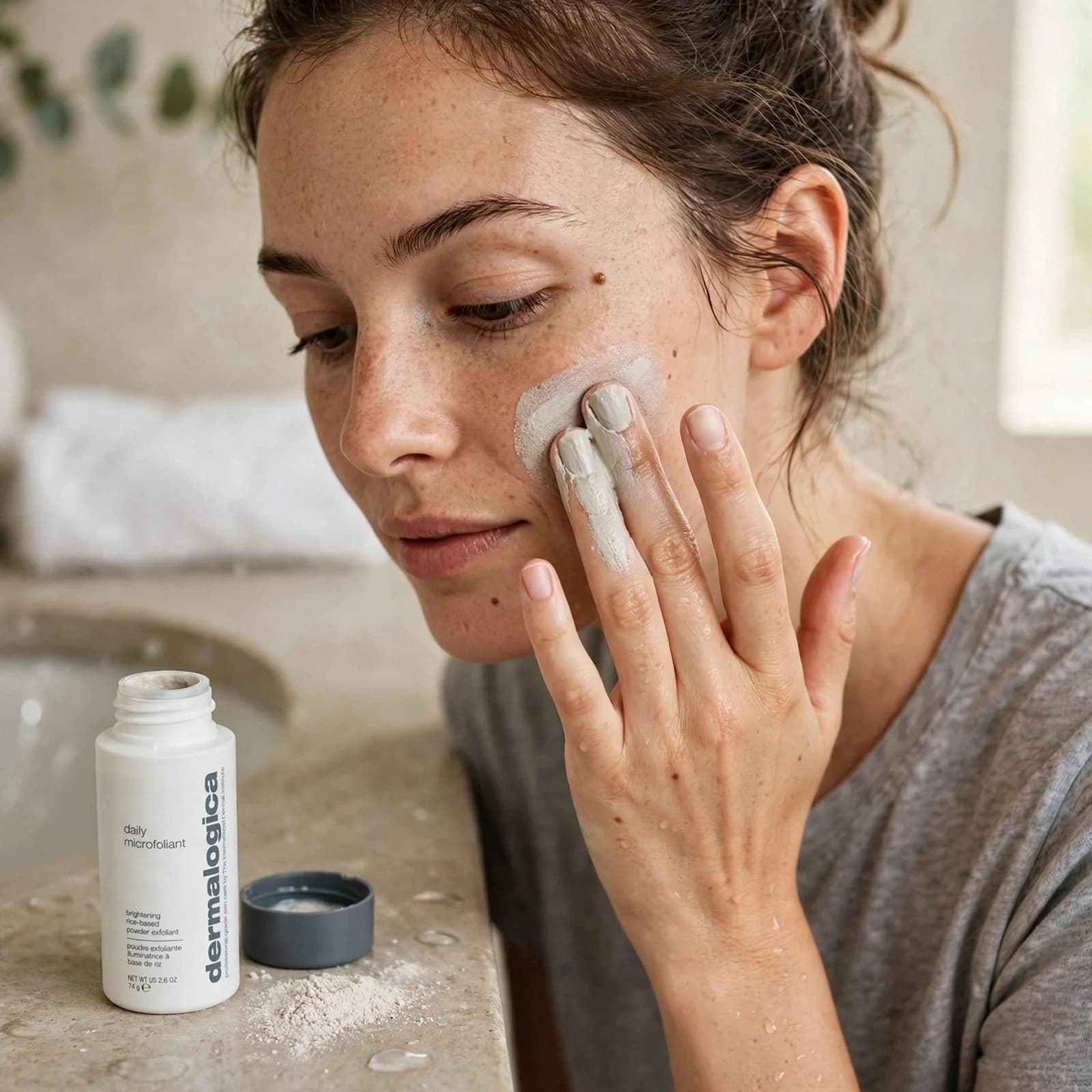
How to use the powder safely in your routine
Read the directions on your pack first. Follow its stated amount, contact time and frequency rather than copying another person’s routine.
- Begin with clean, damp hands and a damp face after cleansing.
- Dispense the amount of powder specified on the current label.
- Add water and mix into the creamy paste described in the directions.
- Massage gently, avoiding your eyes and any broken or irritated skin.
- Rinse thoroughly, then follow with your usual moisturiser.
Don’t press harder to increase the effect. Also, keep water out of the container and close it after dispensing.
Where it fits alongside cleanser, moisturiser and SPF
In your skincare routine, cleanse, exfoliate as directed, then moisturise. Exfoliation is optional after daily cleansing, not a replacement for cleanser. During the day, apply sunscreen as the final skincare step before make-up.
If you’re new to exfoliation, start less often than the maximum frequency permitted by the label. The product name doesn’t mean daily use is a suitable starting frequency.
Initially, keep other exfoliating acids, abrasive scrubs and retinoids out of the same routine. Otherwise, several potentially irritating products can make it difficult to identify what caused a reaction. A simple routine makes tolerance easier to assess.
Signs to pause or reduce use
Persistent stinging, burning, redness, tightness or peeling are reasons to stop using the product. Don’t treat soreness as evidence that exfoliation is working.
Wait until your skin feels comfortable before considering another application. If irritation continues, ask a pharmacist or GP for advice. Similarly, seek guidance before experimenting if a skin condition makes product selection uncertain.
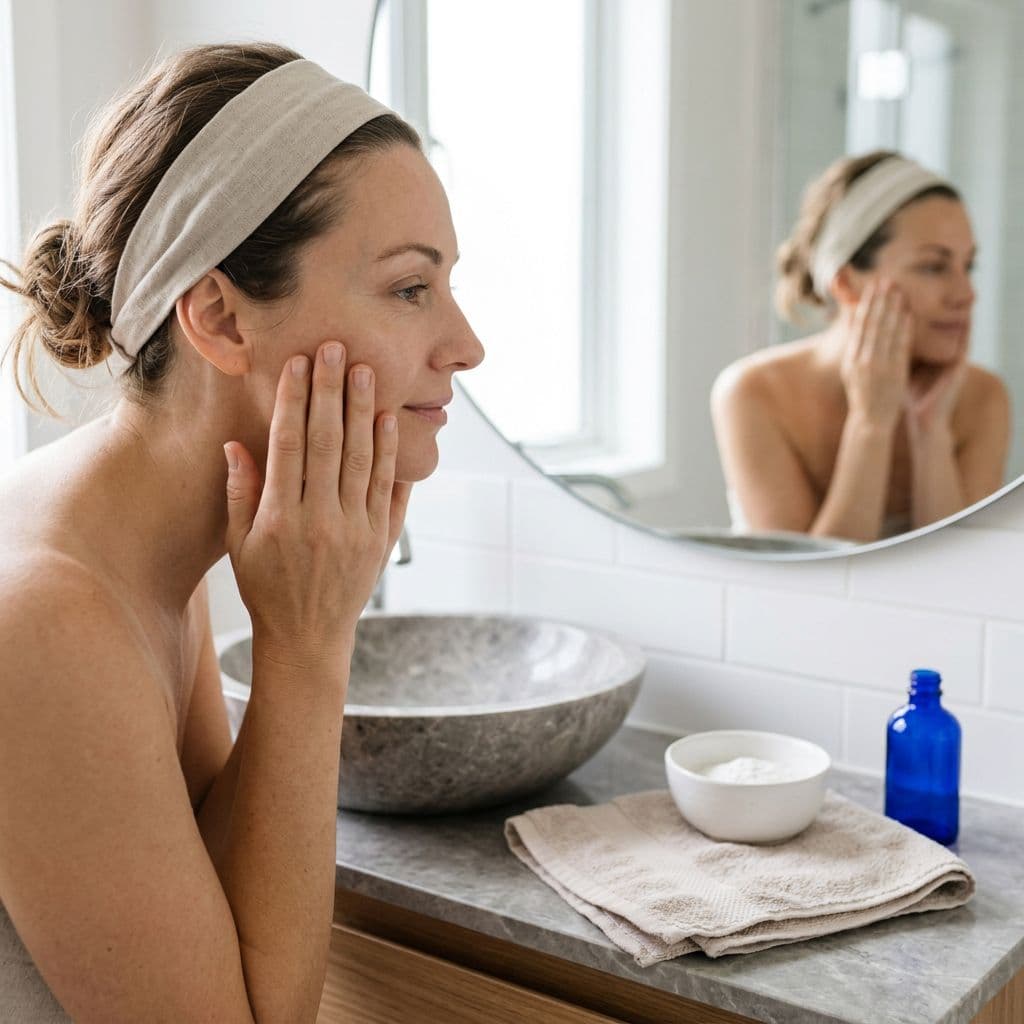
Who may suit this powder, and how it compares
This format may appeal if you want an occasional rinse-off exfoliation step and don’t mind preparing it. Tolerance matters more than skin-type labels such as oily, combination or dry. Whether it provides gentle exfoliation depends on how your skin responds.
How it differs from acid exfoliants and face scrubs
A leave-on exfoliant containing alpha hydroxy acids stays on the skin according to its directions. This powder requires mixing, gentle massage and rinsing. A ready-to-apply facial exfoliating scrub usually needs no preparation and relies partly on particles and movement across the skin.
These categories can overlap: a powder or scrub may also contain exfoliating acids or enzymes. Compare the active ingredients and instructions, rather than assuming every powder is mild or every liquid is strong.
Exfoliation doesn’t control or guarantee the skin’s natural cell renewal process. Choose one approach that fits your routine before considering additional exfoliation.
Who should take extra care before buying
Reactive, very dry or damaged skin needs particular caution. Known ingredient allergies also make checking the complete label essential.
This powder shouldn’t be presented as a treatment for uneven pigmentation. When comparing other ingredient lists, you may see colloidal oatmeal or liquorice root extract. Neither is confirmed as part of this powder, guarantees suitability or promises a change in pigmentation.
If you use prescription acne products or strong cosmetic actives, ask your pharmacist or prescribing clinician about adding an exfoliant. Don’t interrupt prescribed treatment simply to accommodate another skincare purchase.
The practical advantages and drawbacks are:
- Mixing a dry powder lets you prepare a fresh portion, although you still need to follow the recommended amount.
- A rinse-off format may suit people who prefer a defined exfoliation step.
- Preparation takes more effort than applying a ready-made product, particularly when you’re short of time.
- Price and potential irritation remain drawbacks, even if the texture appeals.
There is no universal winner here. Someone who dislikes measuring and mixing may prefer a simpler format, whilst another buyer may value that preparation step.
Is the powder good value, and what should you check before buying?
The powder offers good value only if the format earns a place in your routine. An expensive product that irritates your skin or stays unused isn’t a worthwhile purchase.
Compare pack size, cost per gram and likely frequency of use. However, avoid estimating applications unless you have reliable dispensing information. Using extra powder doesn’t make it better value.
Compare online prices without overlooking the details
Buying online can offer a wider choice of pack sizes and make price comparisons easier. However, compare the total delivered price, not just the advertised figure.
Check that the seller is identifiable and trustworthy, the packaging is sealed, and the listing provides a current ingredient list. UK delivery charges, dispatch times and returns terms should also be clear. Read any hygiene-related restrictions before opening the product.
Dermalogica Daily Milkfoliant is another powder to compare, rather than an automatic upgrade. A lower-strength exfoliant may also deserve consideration, but neither format nor branding guarantees gentleness.
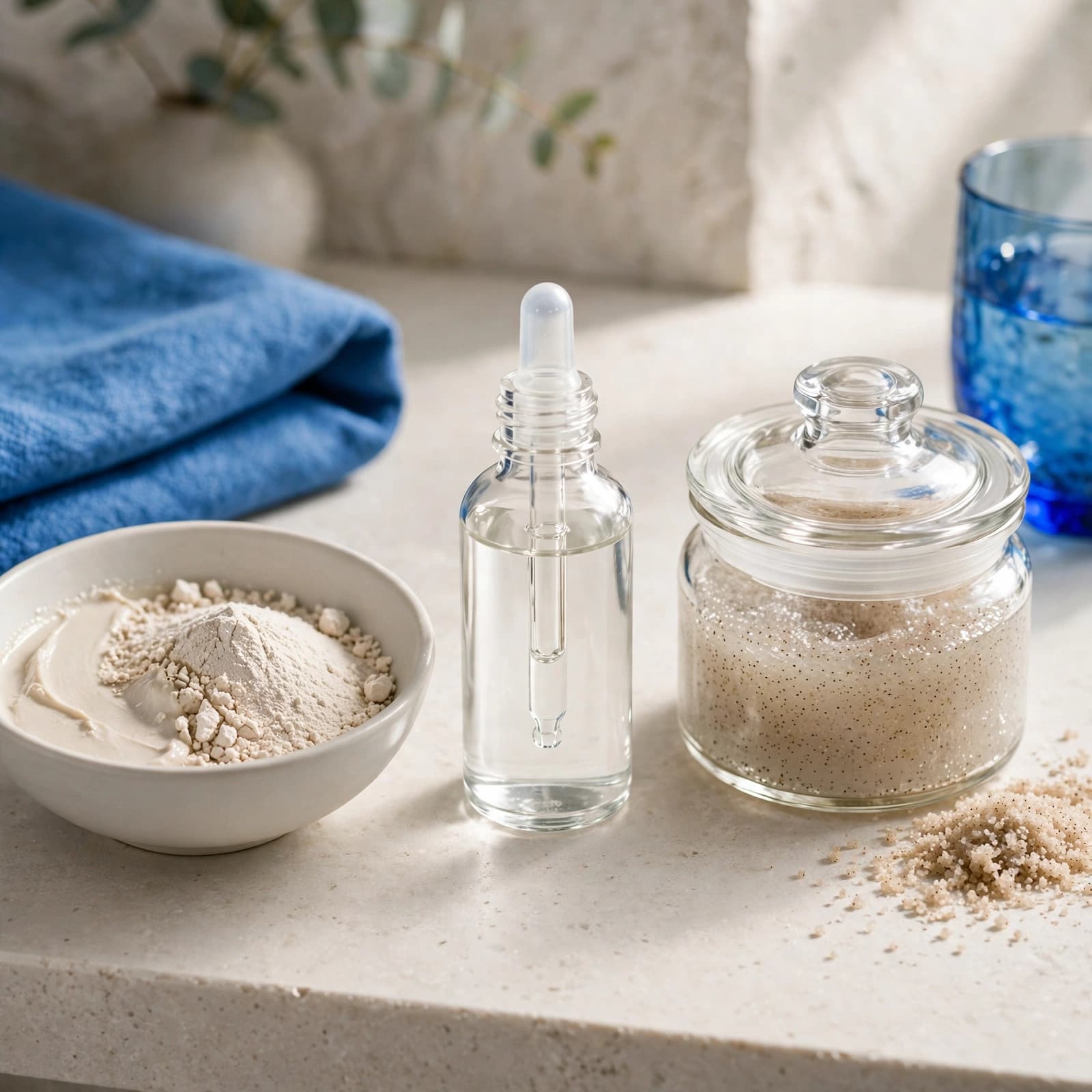
A simple buy-it-or-skip-it verdict
Buy it if you like the water-activated format, can follow the preparation instructions and already tolerate exfoliation. The price should also fit comfortably within your skincare budget.
Skip it if your skin is sore, easily irritated or already showing signs of over-exfoliation. It’s also reasonable to pass if you want a quicker routine or can’t justify the cost. Seek advice first if an existing skin condition complicates the decision.
Frequently Asked Questions
Can it be used every day?
The word “Daily” isn’t a reason to assume daily use suits everyone. Follow the current label and adjust within those directions according to your skin’s response. Previous tolerance doesn’t guarantee that the same frequency will remain comfortable when your routine or skin condition changes.
Can you use it with retinol or other exfoliants?
Combining potentially irritating products requires caution, even when you use them at different times. Introduce products separately so you can assess each one’s effect. If you use prescription retinoids, or your skin is sensitive or irritated, ask a pharmacist or clinician before adding another exfoliating step.
Is Daily Microfoliant suitable for sensitive skin?
There isn’t a blanket answer because sensitive skin covers different reactions and triggers. Check the full ingredient list against any known allergies, and test cautiously according to the label. A small-area test can’t guarantee repeated facial use will be comfortable, so stop if irritation develops.
Do you need sunscreen when using an exfoliant?
Daily broad-spectrum sun protection is a sensible habit, especially when exfoliating products are part of your routine. Choose SPF30 or higher and follow its application and reapplication directions. Sunscreen doesn’t make excessive exfoliation safe, and it works alongside shade, clothing and avoiding prolonged exposure.
Conclusion: Buy for the format, not the name
The powder is a reasonable option if you enjoy preparing a rinse-off exfoliant and your skin tolerates exfoliation. This format is worth the price only if the extra step feels useful, not because it promises a radiant complexion.
Follow the current label, introduce it carefully and judge the result by skin comfort, not by how often you use it. If mixing feels inconvenient or your skin reacts easily, a gentler or simpler option may be the more sensible purchase.