If moisturiser leaves your face looking greasy by lunchtime, skipping it to reduce excess oil can seem sensible. Yet oily skin can still feel tight, dry or irritated, especially after cleansing. Quick verdict: a lightweight gel-cream or lotion is a sensible first choice if it supports hydration and feels comfortable.
The best moisturizer for oily skin is one you can use consistently without feeling slick. That may be a gel in warm weather or a slightly richer lotion when your cheeks feel dry. Start with texture, ingredients and how your skin behaves throughout the day, including how moisturiser layers beneath sunscreen.
Key Takeaways
- Oily skin still benefits from moisturiser, particularly if cleansing leaves it feeling tight or uncomfortable.
- Gels feel light on oily skin, whilst gel-creams and lotions can give dry patches more lasting comfort.
- Look for ingredients such as glycerin, hyaluronic acid and ceramides to support hydration levels and the skin barrier, rather than just targeting surface oil.
- Apply a modest amount, then use a suitable sunscreen in the morning.
- When buying online, compare full formulas and price per amount. Introduce one new product at a time.
Best Moisturizer for Oily Skin: What to Look For
A good buying decision starts with how your skin feels, not a claim on the front of a pot. For oily skin, consider texture, ingredients that provide moisture and anything you know irritates your face.
Choose a light texture that feels comfortable
Gels tend to spread easily and leave a fresh, barely-there feel. A gel-cream adds a little more cushion, whilst a lightweight formula such as a lotion can feel comfortable without a dense finish. If your T-zone gets shiny quickly, look for a product that settles without a greasy film.
Still, texture alone can’t tell you whether a formula will suit your skin. A carefully applied lotion may feel lighter than a gel piled on too thickly, even on oily skin. Pay attention to how it feels an hour later, not only when you first put it on.
Look for hydration and barrier-supporting ingredients
Glycerin and hyaluronic acid attract water, supporting hydration without necessarily giving a rich finish. Ceramides are lipids that help support the skin barrier, which matters even when your face produces plenty of oil. Surface oil and water in the skin are different things, so hydration levels still matter.
Niacinamide may help regulate sebum production and support overall skin health, but it isn’t a guaranteed treatment for oiliness or acne-prone skin. A formula with ceramides can support the moisture barrier; choose ingredients that leave your face comfortable and maintain hydration.
Check fragrance, finish and claims with care
If fragrance has irritated you before, check the full ingredients list for entries such as parfum. Fragrance sensitivity varies, and an “unscented” description isn’t always the same as fragrance-free. The list is more useful than the headline claim, particularly if you have sensitive skin.
Likewise, non-comedogenic is a helpful clue if you’re concerned about clogged pores, not a promise that no one will get spots. A matte finish may suit daytime wear if you prefer oil control. It isn’t essential, and a very dry-looking finish is little use if your skin feels uncomfortable underneath. For ongoing irritation or concerns, speak to your GP or pharmacist; a dermatologist can also offer advice.
Which Moisturiser Type Suits Your Skin and Routine?
The same face can want different textures across its surface or as the weather changes. For oily skin, start by considering where you feel oily or dry, and what you can comfortably wear each day.
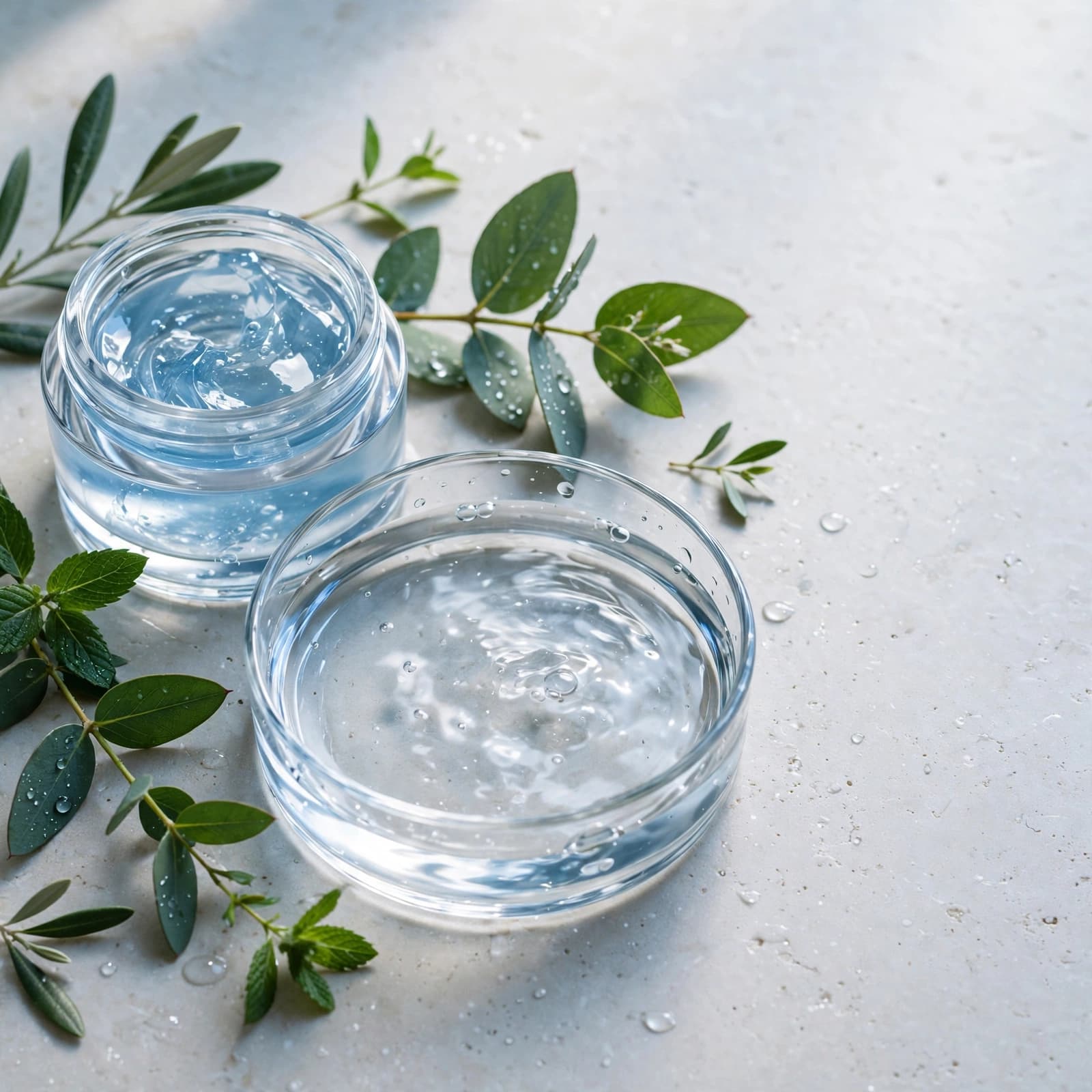
Gel moisturisers for a fresh, light feel
A gel moisturizer can appeal when heavier products sit on top of your skin or make sunscreen feel like one layer too many. Its water-based feel may suit warm weather or a humid commute, and it can layer comfortably under sunscreen. Many gels settle quickly, but a matte finish depends on the formula and how much you apply. For oily skin, a lightweight formula may feel less greasy, but a water-based feel doesn’t mean it’ll suit everyone.
The trade-off is comfort. If your cheeks are flaky or you have irritation around your mouth, a very light gel may leave those areas wanting more. A fresh sensation on application doesn’t prove that the product provides enough moisture for the whole day.
Gel-creams and lotions for balanced everyday hydration
A gel-cream sits between a watery gel and a traditional cream. This gel-cream often feels soft and light without disappearing quite as quickly. An oil-free, lightweight lotion can suit someone who wants a little more lasting comfort, particularly after washing their face.
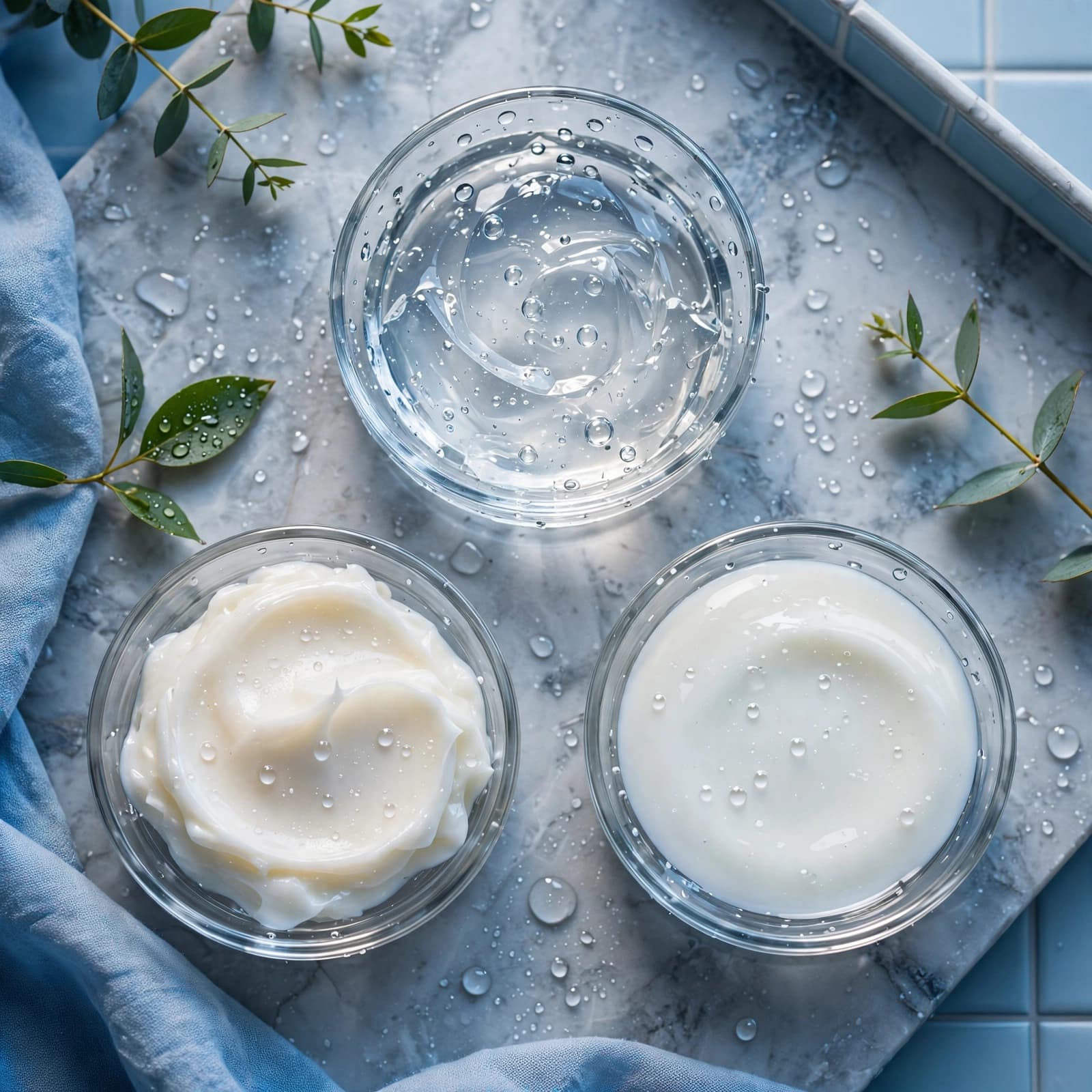
For combination skin, one formula can still work across most of the face. Smooth a thin layer over the forehead and nose, then add a little more to drier cheeks. Gel-creams can layer well beneath sunscreen, but if a product feels slippery under make-up or sunscreen, reduce the amount before ruling out the formula.
When a richer cream or a targeted formula may help
Oily skin can still need hydration, and your hydration levels may shift with the weather or your routine. Cold weather, indoor heating and harsh cleansing may make a richer cream useful on a flaky patch, even if you’d never want it across your T-zone. There is no requirement to use the same amount everywhere.
If you have acne-prone skin, some moisturisers contain ingredients marketed for blemishes, such as salicylic acid. Introduce these cautiously, especially if you already use an acne treatment that dries your skin. Moisturiser can improve comfort, but it isn’t a cure for acne or breakouts. The best moisturizer for oily skin during summer may also be too light for your cheeks in winter.
How to Choose and Use a Moisturiser Without Adding Shine
For oily skin, a promising product can still feel heavy when you apply too much or layer it with several rich products. Start with your skin’s needs, then give a simple routine time to show how it wears.
Match the formula to your skin, not just the label
Notice whether you have oily skin across your whole face or mainly across the forehead, nose and chin. After gentle cleansing, does it feel comfortable, tight or both in different places? If you have sensitive skin, take extra care, especially if fragranced products or acne treatments have caused stinging before.
If you’re uncertain, begin with a simple, light formula rather than one with several active ingredients. Then assess it over ordinary days, including time spent outside and under sunscreen. Notice whether hydration levels feel balanced. Persistent tightness may signal that your skin needs more hydration; a greasy film around the pores or new breakouts may mean using less or trying another texture.
Apply a small amount and layer products in order
Put moisturiser on clean skin and start with a modest amount, spreading it gently across the face. Add more only where you need it. Rubbing hard won’t make a product absorb better, and applying a thick layer can leave even a light gel feeling sticky.
In the morning, follow with a suitable broad-spectrum sunscreen. The NHS advises choosing SPF 30 or higher with at least four-star UVA protection. Don’t skimp on sunscreen to counter shine. Instead, let your moisturiser settle before applying sunscreen, and choose a finish you enjoy wearing at the recommended amount. Together, your cleanser, treatment, moisturiser and sunscreen shape how your skincare routine feels.
Compare online options and test your choice
Online shopping makes it easier to compare textures, pack sizes, prices and compatibility with sunscreen. Check the full ingredients list, calculate the price per 100 ml and read the return terms before ordering. A cheaper-looking pot may cost more for the same amount of product.
Reviews are most useful when writers describe oily skin like yours and mention the finish after several hours, including how it wears beneath sunscreen. Star ratings alone tell you little about irritation or how a formula feels on your face. Patch test a new product on a small area first, then introduce it to your routine on its own. Give yourself time to notice any clear discomfort or change in spots before buying more.
Common Moisturiser Mistakes That Can Make Oily Skin Feel Worse
More shine doesn’t always mean your skin’s hydration levels are high enough. If your face looks oily yet feels tight, sore or flaky, excess oil may be masking discomfort or a weakened skin barrier. Look at your whole routine before replacing your moisturiser again.
Skipping moisturiser or over-cleansing to control oil
Leaving out moisturiser doesn’t reliably stop oily skin producing oil. Meanwhile, repeated washing or a harsh cleanser can strip away hydration and leave your face uncomfortable. Wash gently rather than chasing a squeaky-clean finish, then use a light moisturiser where you need one.
Take extra care if you shave. An alcohol-heavy aftershave splash may feel crisp and dry at first, but it can sting freshly irritated skin, trigger breakouts or worsen tight patches. If you have soreness or further breakouts after shaving, choose a gentler approach and don’t treat a drying splash as a substitute for moisturiser.
Changing too many products at once
A new cleanser, exfoliant and moisturiser used together make it difficult to tell which one caused a reaction. Introduce one product at a time and keep the rest of your routine familiar. If something causes obvious stinging or a rash, stop using it.
Persistent, painful acne or ongoing irritation deserves more than another speculative purchase. A pharmacist can suggest suitable treatments, while a dermatologist or your GP can assess concerns that don’t improve. This is particularly useful when you find yourself cycling through products without knowing what your skin reacts to.
Frequently Asked Questions
Should people with oily skin moisturise every day?
Many people with oily skin find daily moisturiser helps keep their face comfortable, especially after cleansing or whilst using acne treatments. A suitable light formula can support hydration and the skin barrier without feeling rich. Your hydration levels may vary with the weather and the rest of your routine.
Can moisturiser cause spots or clogged pores?
A non-comedogenic label doesn’t guarantee a product won’t clog pores or cause breakouts, particularly for people with acne-prone skin. If a new moisturiser causes a clear, repeated problem, stop using it. Ask a pharmacist, GP or dermatologist for advice if the problem persists or becomes painful.
Is oil-free moisturiser always better for oily skin?
No. An oil-free formula may appeal if you dislike a rich finish, but the label doesn’t tell you how the complete product will feel. Application amount and the products worn over it matter too. Choose based on comfort rather than treating “oil-free” as a requirement.
Can one moisturiser work for oily and combination skin?
Yes, a lightweight product may feel comfortable across most of your face. Apply less to an oily T-zone and a little more to drier areas. If your cheeks still feel tight, you can use a richer product there without covering your whole face in it.
A Comfortable Choice Beats a Complicated One
The best moisturiser for oily skin supports balanced hydration levels and fits a skincare routine you’ll maintain. It needn’t be expensive or heavily marketed.
Start with a light gel-cream, check the ingredients that matter to your oily skin and test one new product at a time. If it feels good after cleansing and sits comfortably under sunscreen, it’s a more useful choice than a promising label.
–
–
–