The Best Tinted Moisturiser for daily wear depends on your skin type, preferred finish, coverage needs and shade. Choose lightweight coverage for a natural look or a no makeup makeup finish. A premium price doesn’t guarantee comfortable wear, and a swatch may not reflect how a formula feels on dry cheeks or an oily forehead.
Recognised options offer different balances of hydration, pigment and shine, so there’s no single winner for everyone. This guide compares four well-known choices, alongside the practical checks that help you avoid an expensive mismatch.
Start with the result you want, then compare the formula, shade and overall value before committing.
Key Takeaways
- Choose your finish first: a dewy finish adds visible glow, whilst natural or soft-matte options offer less shine.
- Compare Laura Mercier, bareMinerals, NARS and Fenty Beauty by coverage and comfort, rather than reputation alone. A BB cream and a CC cream are related lightweight bases, but differ from tinted moisturiser.
- Choose a formula that suits your skin, especially if you have dry skin.
- Test depth and undertone in daylight, allowing the product to settle before judging.
- Use separate broad-spectrum sunscreen for sun protection, rather than relying on a thin make-up layer.
- Check current UK prices, product volume, delivery charges and cosmetic return conditions before ordering.
Best Tinted Moisturiser: Which Products Are Worth Considering?
These four options offer different finishes and coverage levels. Check current formula names and shade availability, as ranges can change.
For a natural, moisturised finish
Laura Mercier Tinted Moisturiser Natural Skin Perfector is worth comparing if you want sheer coverage with a natural-looking finish. Check the exact version, as the brand offers several complexion formulas.
Meanwhile, bareMinerals Complexion Rescue combines tinted coverage with a hydrating gel-cream format. Its dewy finish may appeal to drier skin, although anyone who dislikes visible shine should compare it carefully.
For more coverage or a wider shade choice
NARS Pure Radiant Tinted Moisturiser offers buildable coverage with a radiant finish. It’s worth considering when you want some flexibility over how much pigment you apply, with a fresh, radiant glow.
Fenty Beauty Eaze Drop Blurring Skin Tint offers light-to-medium coverage with a soft-matte finish and a broad shade selection. However, it’s a skin tint rather than a conventional tinted moisturiser, so compare hydration needs separately.
A bb cream or cc cream isn’t automatically the same as a tinted moisturiser, as coverage and formula benefits vary. If you’re weighing base-product formats, a hydrating foundation may offer a different balance of coverage and moisture. For mature skin, preferences still depend on finish, comfort and coverage, not age alone.
How to compare price and overall value
Compare current UK prices alongside volume, shade accuracy and comfort. The best tinted moisturiser for your budget is one you’ll use regularly, rather than an unsuitable formula bought at a discount.
Ask whether samples or shade tools are available before purchasing. Also consider these trade-offs:
- Lightweight coverage can even out your complexion whilst leaving freckles visible.
- Sheer formulas may still need concealer for stronger redness or dark marks.
How to Choose a Tinted Moisturiser for Your Skin
A good match starts with your skin’s comfort and the look you want, rather than a product’s popularity.
Match the finish and formula to your skin type
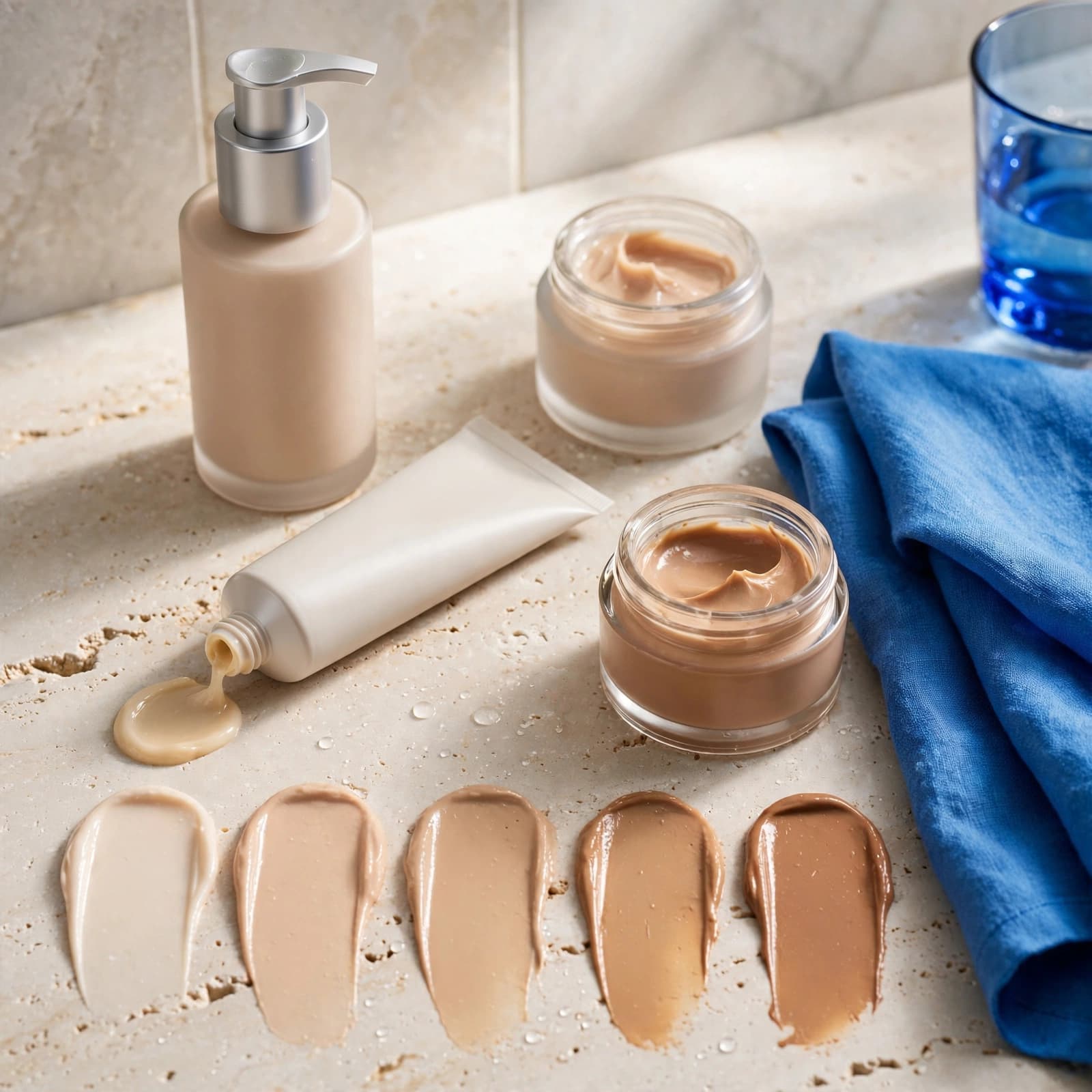
Dewy finishes leave a visible glow, natural finishes resemble lightly moisturised skin, and matte formulas reduce shine. Drier skin may prefer a nourishing texture, whilst oily or combination skin may favour a lighter feel.
Skin type doesn’t dictate every choice. You can enjoy a radiant finish and powder your forehead. If you have sensitive skin or certain ingredients cause problems, check the full ingredient list. You can also look for product claims such as oil-free formula or non-comedogenic, but these don’t guarantee suitability.
Find a shade that blends with your skin tone
Match depth first, then undertone. Warm shades often lean golden, cool shades pink or rosy, and neutral shades balance those directions. Olive undertones can look more muted or greenish.
Test a small amount along your jaw in daylight, comparing it with your neck. Allow it to settle before judging the blend. Online shade tools are starting points, so check return conditions before ordering an unfamiliar shade.
Understand coverage, ingredients and SPF claims
Most tinted moisturisers offer light, flexible coverage, although some build further. Hydrating ingredients such as glycerin or hyaluronic acid may support moisture, but the complete formula determines how a product feels. Unlike a tinted moisturiser, a cc cream is designed for colour correction.
SPF claims differ between products. A tinted moisturiser with spf may offer some sun protection, but a thin make-up layer won’t reliably deliver the labelled protection. For dependable sun protection, apply separate broad-spectrum spf sunscreen, choosing at least spf 30 or spf 50, according to its directions. Check for UVA protection as well as UVB protection, and follow reapplication guidance.
How to Apply It for a Smooth, Even Result
Thin layers give you more control over colour and texture, and can create a subtle no makeup makeup look. Start sparingly, then assess your skin before adding more.
Prep skin and choose your application method
Begin with clean skin and let your skincare settle. If cheeks feel tight or flaky, add moisturiser where needed. Apply sunscreen for sun protection before make-up, allowing it to settle according to the instructions.
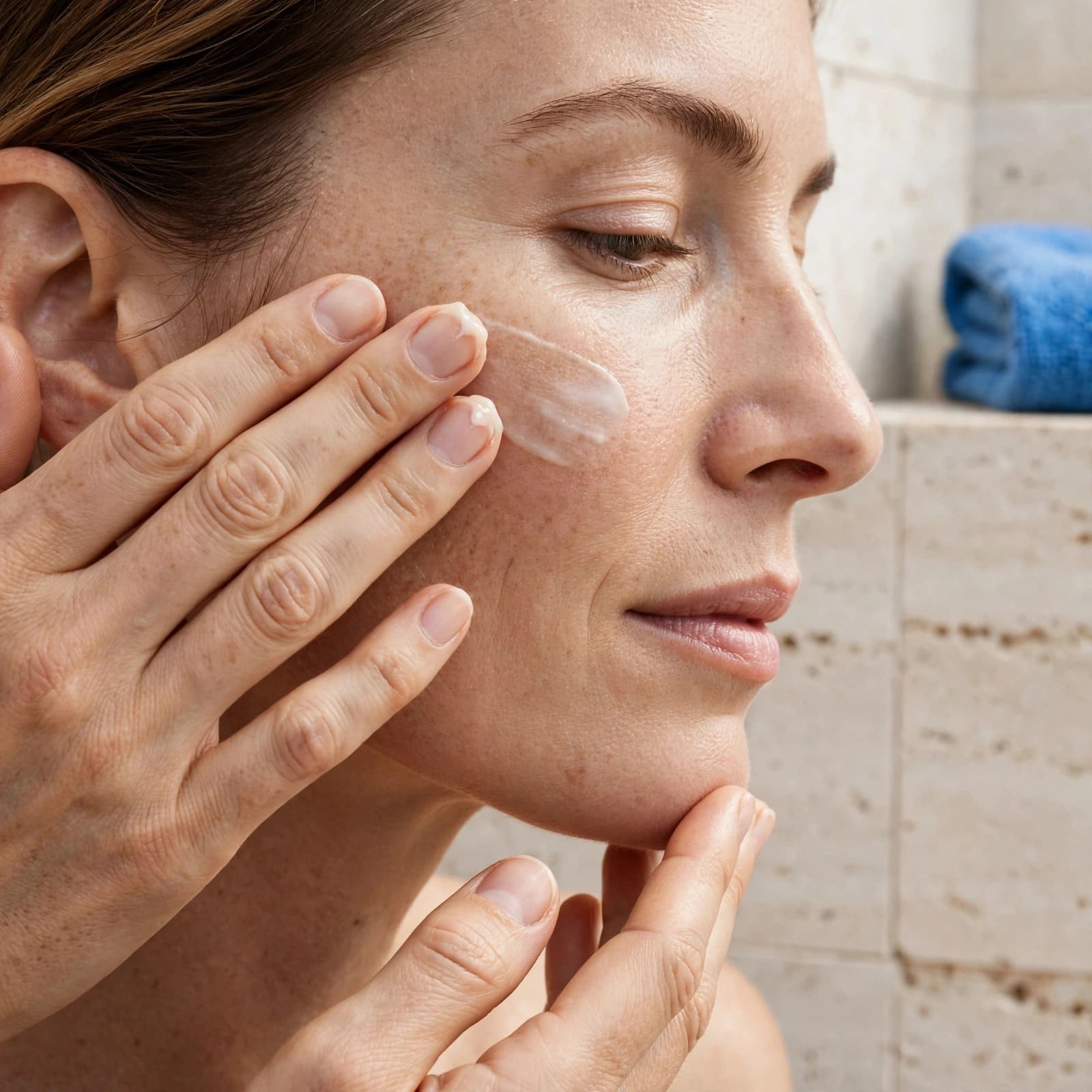
Fingers offer a quick, sheer application because their warmth helps spread the formula. A brush gives more control around the nose, whilst a damp sponge can soften edges. Use clean tools and avoid vigorous rubbing, particularly on sensitive or irritated skin.
Build coverage without making it look heavy
Blend a small amount across the centre of your face, then work outwards. This keeps coverage concentrated where you need it and avoids a thick edge around the jaw.
Add another thin layer only over areas that still need evening out. For an individual blemish or dark mark, use concealer instead of adding tint everywhere. Finally, check your hairline, eyebrows and jaw in daylight, because bathroom lighting can disguise uneven blending and product caught in facial hair.
Set and refresh it to suit your day
Press a little powder onto areas that become shiny, rather than covering your entire face automatically. Leaving drier cheeks unpowdered can preserve a fresher appearance.
Wear time depends on your skin, the formula, weather and any products underneath. Later, blot excess oil gently before touching up. Repeated layers over sweat or shine can look uneven, so keep a refresh light and targeted. For longer days, assess how the finish changes before deciding whether you need more powder.
What to Check Before Buying Online
Online shopping makes it easier to compare a broader selection and current prices. However, screen colours and promotional photographs need careful interpretation.
Compare the details, not just the product photos
Read the coverage, finish, volume, shade description and undertone notes together. Check whether you’re comparing a tinted moisturiser with a bb cream, cc cream or hydrating foundation, as these labels don’t promise identical performance. A cc cream is generally designed for colour correction, though claims vary by formula.
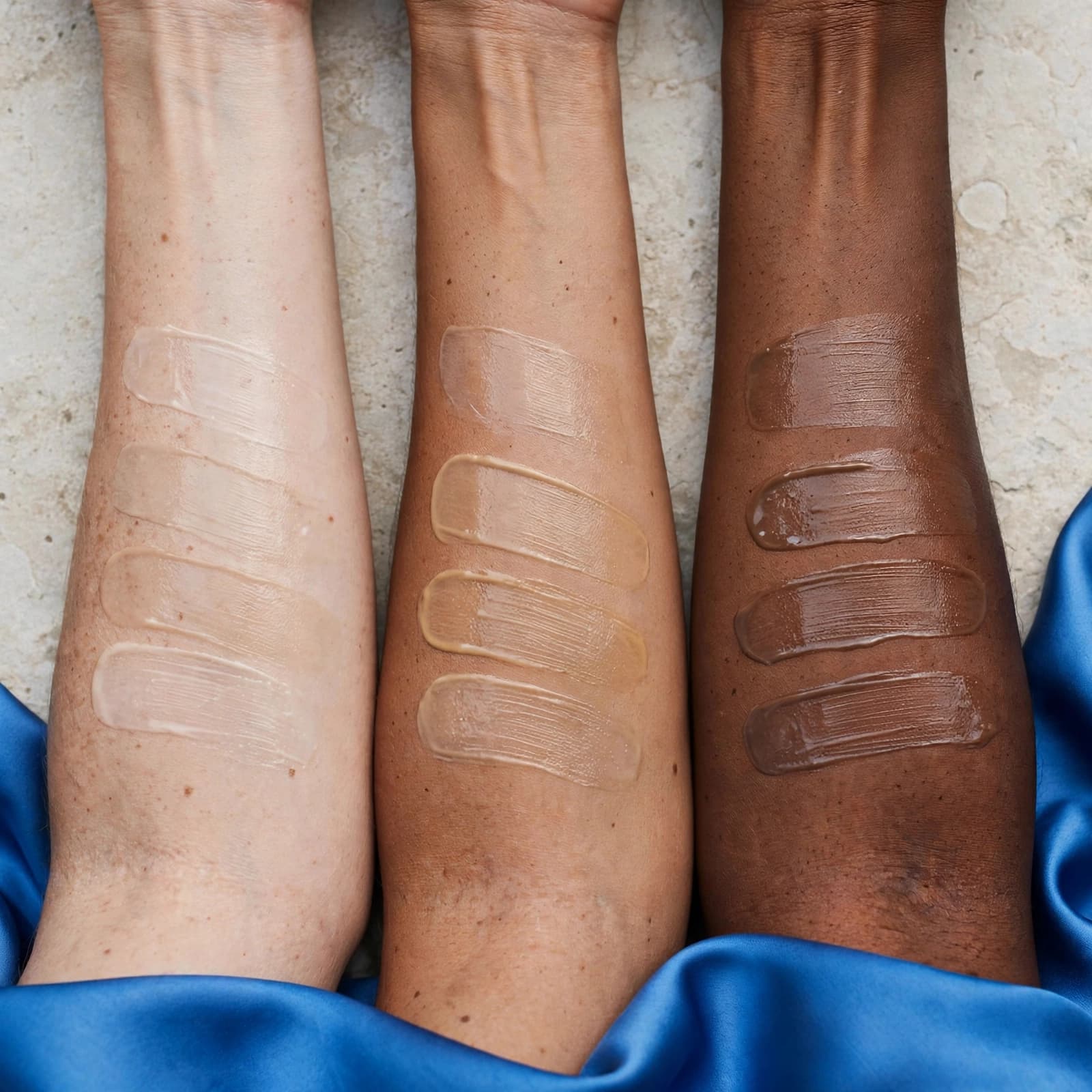
Look for swatches across several skin tones and use shade-matching tools as a guide. A studio image may make a finish look smoother or more luminous than it appears during everyday wear.
Check the full ingredient list for the exact product version you’re ordering. Treat non-comedogenic claims as something to verify, not a guarantee. Reviews are more useful when they describe the writer’s skin type, application method and finish preferences.
Check delivery, returns and value before checkout
Compare the final delivered price, including any delivery charges. A lower headline price doesn’t always produce a cheaper order. If you’re ordering a tinted moisturiser, check whether samples are available before committing to a full-size tube.
Read return conditions carefully, particularly rules covering opened cosmetics and broken hygiene seals. Don’t assume you can return a shade after trying it.
Cost per millilitre helps compare different pack sizes, but comfort and colour accuracy matter more than the lowest figure. Also check the period-after-opening symbol: a larger tube offers limited value if you won’t use it within its recommended period.
Frequently Asked Questions
Can tinted moisturiser replace foundation?
Yes, if you prefer lighter coverage and don’t mind some natural variation showing through. A cc cream offers another option, while foundation may give you more control over pronounced marks or redness. You can keep both, choosing a sheer base for everyday wear and fuller coverage when you want a more polished result.
Do I need moisturiser underneath tinted moisturiser?
That depends on the formula, which may include ingredients such as hyaluronic acid, and how your skin feels after cleansing. If it still feels tight, use your usual moisturiser underneath and let it settle before applying make-up. Persistent discomfort is a reason to reconsider the formula, rather than adding more tinted product in the hope of fixing dryness.
Can I wear tinted moisturiser if I have oily skin?
Yes, many people with oily skin can wear it comfortably. Oiliness doesn’t rule out dehydration, so a drying formula isn’t automatically the right choice. Look for a lighter texture, then judge how it wears across your forehead and nose rather than assuming an oil-free label guarantees a shine-free day.
Does tinted moisturiser with SPF protect skin on its own?
It can provide its stated sun protection when applied in the tested amount and according to its directions. However, that amount may give more make-up coverage than you want. Separate broad-spectrum sunscreen makes daily application more practical, and layering SPF products doesn’t add their protection numbers together.
Conclusion: Choose the Formula You’ll Want to Wear
Buy a tinted moisturiser if you want lighter coverage and a finish that leaves some natural skin visible. Skip a particular formula if it feels uncomfortable, misses your shade or needs repeated layering to deliver the coverage you want.
Prioritise comfort and shade match before brand reputation or a tempting discount. Compare the shortlisted options against your own skin and routine.
Before buying, check current product details and the final price. The right choice earns its place through regular, comfortable wear, rather than an impressive product description.