Professional bridal makeup is worth paying for when you need skilled application and a managed wedding morning; confident makeup users can do their own wedding makeup. Either way, the look should reflect the bride, suit the ceremony and venue, photograph well and feel comfortable on the wedding day, all within your budget.
If you rarely wear foundation, a full-coverage base may feel unfamiliar, whilst a favourite evening look may need adjusting for bright daylight. We recommend prioritising familiarity and wear over a bigger product collection, with skin preparation and a trial guiding what you buy or book.
Start by deciding how much support you want on the day, then choose the style, test the products and compare online purchases carefully before committing.
Key Takeaways
- Choose an artist or DIY according to your makeup skills, budget and wedding-morning workload.
- Build your look around your personal style, outfit and venue, rather than copying an edited photograph.
- Keep skincare familiar and test the complete makeup look under different lighting.
- Buy online for wider shade choice and price comparisons, allowing time to test purchases.
- Budget for the whole service or kit, including travel, trials, delivery and touch-ups.
Bridal Makeup: Decide Between a Professional Artist and Doing It Yourself
Your decision depends on confidence, available time and how many people need makeup. Both routes involve preparation, but they place different demands on your budget and wedding morning.
What a makeup artist can add to your wedding day
An experienced artist can adapt application to your skin tone, texture and preferred finish. They may also bring knowledge of flash photography, long-wear techniques and how to keep preparation on schedule.
Look for a portfolio showing varied skin tones, ages and styles. Consistent work across different faces tells you more than one heavily edited portrait.
A trial gives you time to discuss coverage and comfort. When comparing services, include travel arrangements, assistants and the number of people the artist can prepare. A larger wedding party needs enough hands and time.
When a DIY bridal look makes sense
DIY works well if you enjoy makeup, know your skin and feel comfortable recreating a finished look. You control the products and can keep familiar favourites.
However, savings shrink if you buy an entirely new kit. Brushes, replacement shades and practice products all count towards the total.
Rehearse the complete application and time it without rushing. Then ask someone you trust to photograph you in daylight and with flash. Choose DIY when those rehearsals feel manageable alongside dressing, hair styling and the rest of your morning.
Choose a Bridal Makeup Look That Feels Like You
Use inspiration photographs to identify details you like, such as softly defined eyes or a satin lip. Copying every element can produce a look that feels unfamiliar.
Match the finish to your style and setting
Natural makeup usually keeps coverage light and definition subtle. Soft glam adds blended eyeshadow, fuller lashes or stronger cheek colour. More defined looks use sharper liner, deeper tones or a statement lip.
Consider your outfit, neckline, jewellery and hairstyle together. Elaborate earrings might suit softer eye makeup, although your usual style matters more than any rule.
Bright outdoor daylight reveals texture clearly, whilst dim indoor lighting can soften definition. Also consider the season and schedule: a summer garden ceremony and an evening reception may call for different finishes, without requiring two separate looks.
Make complexion and eye makeup work together
Choose coverage according to what you want to even out. A skin tint with targeted concealer may feel more comfortable than foundation everywhere.
Test complexion shades along the jaw and compare them with your neck in natural light. Blush adds colour, whilst bronzer can add warmth; highlighter is optional. Keep blush balanced with the rest of your look, and avoid heavy application.
Keep brows, eyeliner, lashes and eyeshadow balanced with the rest of your face. Then test lipstick beside your chosen blush and outfit. A cohesive finish matters more than the number of products, so leave out anything that adds weight without improving the look.
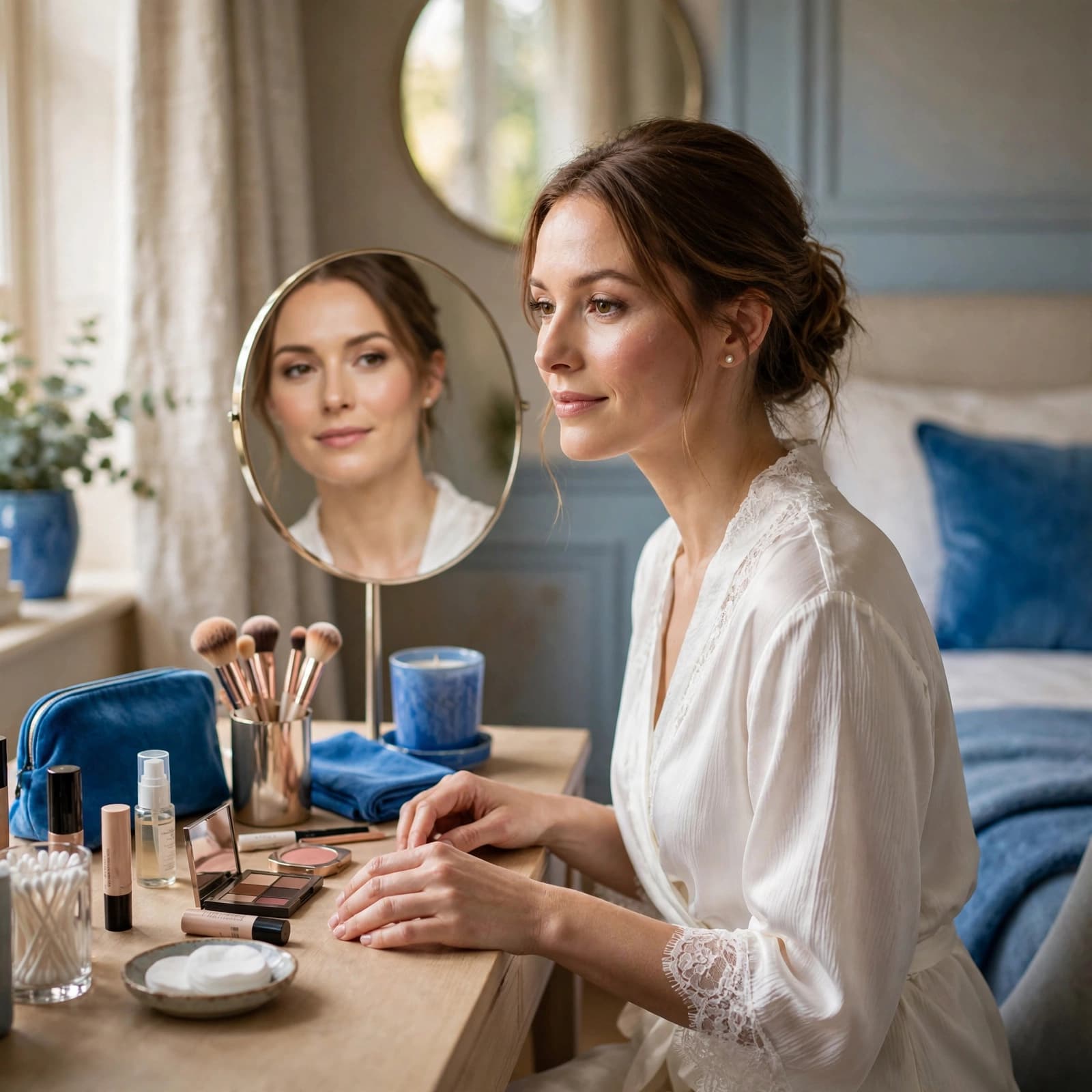
Prepare Your Skin and Make the Makeup Trial Count
Good preparation means a steady routine and useful testing. Skincare won’t change your skin overnight, and a trial needs more than a quick look in one mirror.
Follow a steady skincare routine before the wedding
Keep gentle cleansing, moisturising and daytime sun protection consistent. Use familiar products that leave your skin comfortable, rather than chasing a completely different complexion.
Strong new exfoliants, retinoids or intensive treatments can cause irritation. Avoid introducing them close to the wedding, especially if you don’t know how your skin responds.
Persistent acne, eczema or other concerns deserve advice from a GP or qualified skin professional. Makeup can adjust appearance, but it doesn’t treat an underlying condition. Practise your morning skincare beneath the planned base to spot pilling or unwanted shine.
Use the trial to test the full look
Bring reference photographs and explain which details appeal to you. Wearing a similar neckline helps you judge the balance; try the planned hairstyle too, where practical.
Check the finished makeup, including eyeshadow and mascara, in daylight, indoor lighting and flash photographs. Wear it for several hours and note creasing, fading, dryness or any discomfort from your mascara.
Tell the artist if the base feels heavy, lashes feel uncomfortable or the result doesn’t feel like you. Record product names, shades and agreed changes. For DIY, keep the application order too, so the successful version is easy to repeat.
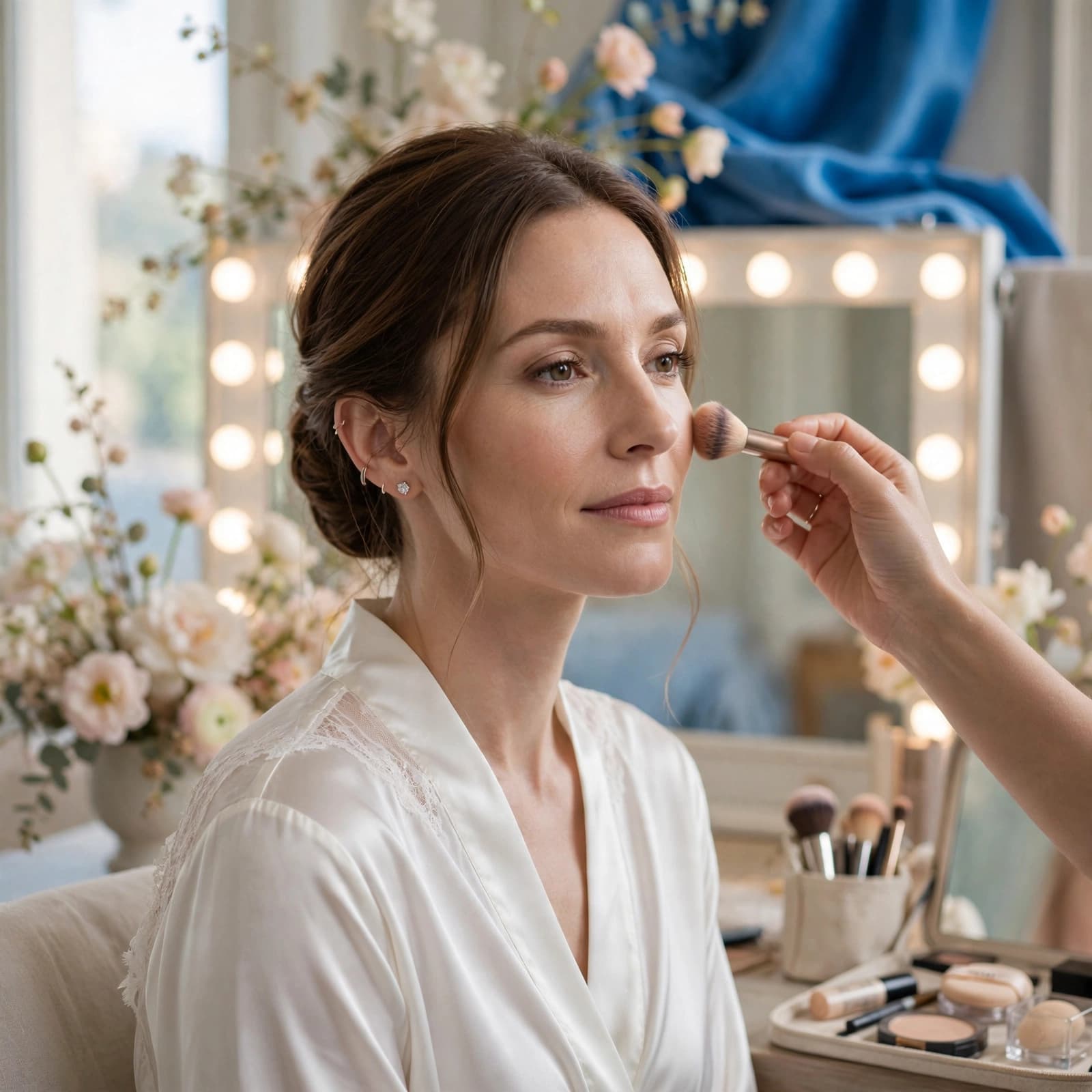
Pick Long-Wearing Products and Buy Bridal Makeup Online with Care
Long-wearing claims help narrow your shortlist, but performance depends on your skin, preparation and application. Test the exact products together, including setting spray, before buying backups.
Build a practical kit for photographs and long wear
Primer can help address a particular concern, such as shine or uneven texture. However, it isn’t compulsory if your base wears well without it.
Choose foundation or skin tint for the coverage you prefer, then use concealer where needed. Powder reduces shine; setting spray may help makeup wear, depending on its formula. Dry skin may favour less powder, whilst oily areas may need targeted setting.
Waterproof mascara can help with tears, but test removal and comfort too. Select a lip colour you can reapply easily.
Blush or bronzer can add colour, and highlighter is an optional extra. Keep blotting papers, lip colour and a small powder together for touch-ups. Blot excess oil before adding powder to avoid a thick finish.
Check shade, ingredients and value before checkout
Online shopping offers wider shade ranges, searchable ingredient information and easier price comparisons. Filters for coverage, finish and undertone can narrow the choice quickly.
However, screen colours and edited photographs aren’t reliable shade matches. Where possible, compare samples on your face in natural light. Undertone descriptions help, but shade names aren’t standard across different ranges.
Read the full ingredient list, particularly if you already know certain ingredients cause problems. Reviews are most useful when the writer describes a similar skin type.
Compare price per 10 ml or per gram, then add delivery charges. Buy early enough to test everything, and read return conditions before opening seals. Opened cosmetics may be excluded from change-of-mind returns, although faulty goods retain statutory protection.
Book Your Makeup Artist, Set a Budget and Plan the Wedding Morning
Prices vary with location, experience, travel and the size of your booking. Compare the complete cost, rather than treating the lowest advertised fee as the cheapest option.
Compare quotes and ask the right questions
Request an itemised quote covering bridal application, other wedding-party members, travel and any assistant. The trial may cost extra, so include it when comparing totals.
Ask how travel charges work, what happens if the artist becomes ill and whether later touch-ups are available. These details affect both value and the support you receive.
Recent work helps you assess the artist’s current style. A written agreement should cover the service, payment dates, cancellation terms and arrangements if the artist can’t attend. Keep the agreed look and trial notes with your booking information.
Allow time for calm preparation and touch-ups
Agree start times and the number of people receiving makeup well before the wedding. Then build the schedule with the artist and wedding party, allowing space for dressing and photographs.
There isn’t one application time that suits every bride. Detailed eye makeup, individual lashes or a larger party can change the morning’s demands.
Set aside a well-lit preparation area with room for the kit. Keep your touch-up items together and ask someone to carry them if helpful. Finally, avoid adding unplanned appointments that squeeze the agreed schedule.
Frequently Asked Questions
Can bridal makeup work well with glasses?
Yes, although frames can touch foundation around the nose. During practice, wear your glasses to identify contact points and keep product thin there. Judge eye definition with your frames on.
Does “hypoallergenic” mean a product can’t cause a reaction?
No cosmetic can guarantee that you won’t react. Treat the claim as product information rather than a promise, and avoid ingredients linked to previous reactions. Seek medical advice if you have a known cosmetic allergy.
What hygiene should I expect from a makeup artist?
Brushes should be clean, and the artist should avoid contaminating shared products. Disposable mascara wands and clean tools for taking products out of containers help prevent cross-contamination. Application over broken or irritated skin needs particular care.
How should I remove long-wearing makeup afterwards?
Use a remover suited to the formula, following its instructions. Let eye-makeup remover soften waterproof products before gently wiping, rather than rubbing. Afterwards, cleanse and moisturise with your familiar products.
A Bridal Look Worth Planning For
Good bridal makeup reflects your taste, suits the setting and feels comfortable throughout the day. Put your money towards tested choices, whether that means an artist’s support or products you already enjoy using.
Settle on the look, rehearse it under different lighting and record what works. Then finalise your booking or product purchases, with the full cost in view.
Keep touch-ups simple and leave enough room in the morning schedule. A prepared, familiar routine lets you enjoy the finished look without spending the day adjusting it.