The best option is worth buying because it suits your water pressure and shower system, not because it offers the most spray settings. A broad rainfall plate can disappoint on a weak supply, whilst a compatible handheld model may be more practical when you have low water pressure.
For UK households, compatibility comes first. Electric showers, combi boilers and gravity-fed systems have different requirements, so appearance alone is a poor buying guide.
Our recommendation is to identify your system before comparing designs. Then narrow your choice by spray feel, cleaning needs and the full replacement cost.
Key Takeaways
- Match the head to your shower system before comparing spray settings, finishes or pressure claims.
- Handheld heads offer useful reach for rinsing, cleaning the enclosure and bathing children or pets.
- A “high-pressure” head can change spray feel, but cannot increase the pressure supplied to your shower.
- Compare stated flow rates, connection sizes, included fittings and cleaning instructions alongside the purchase price.
- Online shopping offers wider choice, but delivery charges and missing accessories can change the value.
Shower Head Types: Which Style Fits Your Shower?
Start with how you use the shower. The right format should suit everyone using it, including anyone who needs seated access.
Fixed, handheld and dual shower heads
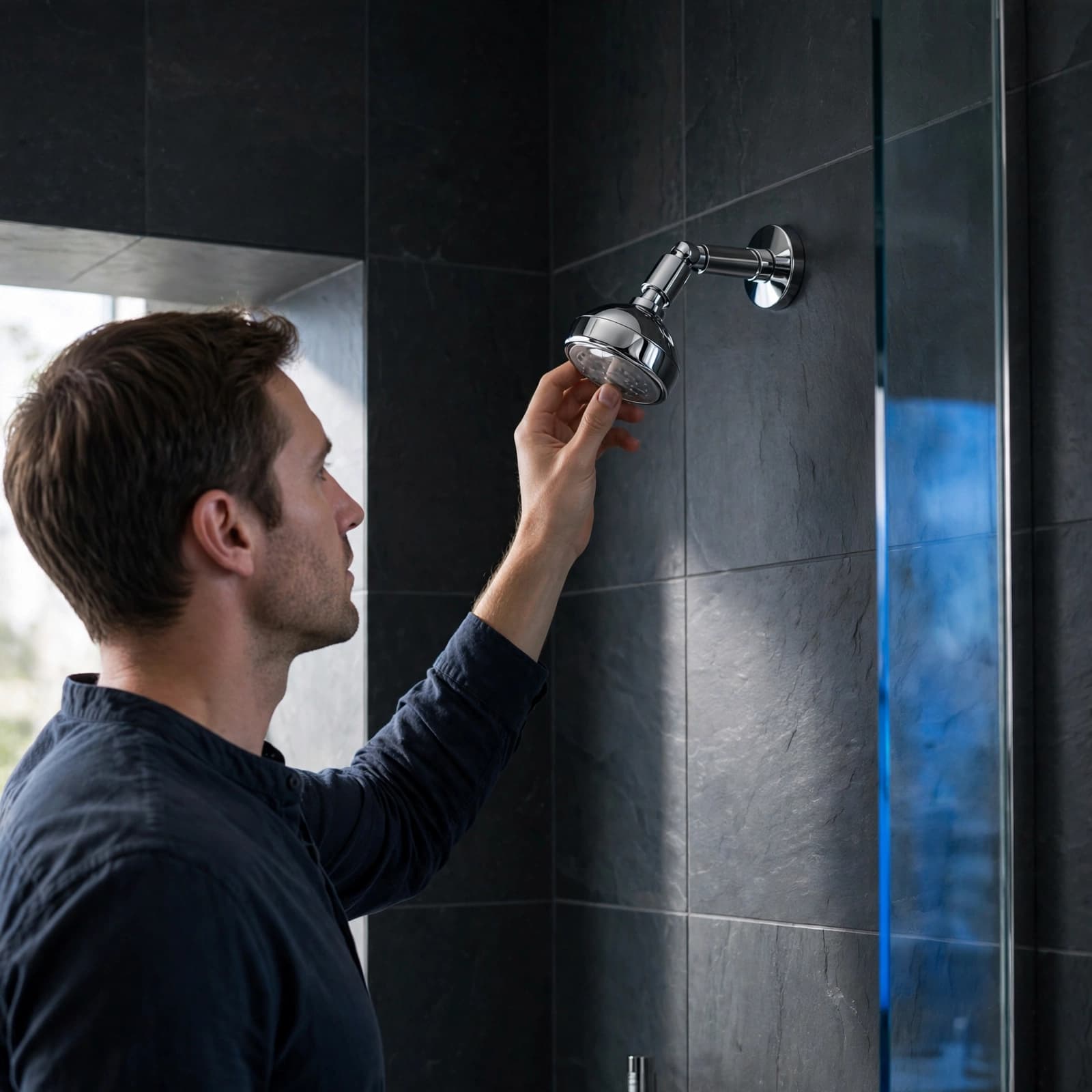
A fixed shower head stays on a wall arm or ceiling fitting. It keeps the enclosure uncluttered, although its reach is limited. Adjustable joints help direct the spray, but you can’t bring the head closer for targeted rinsing.
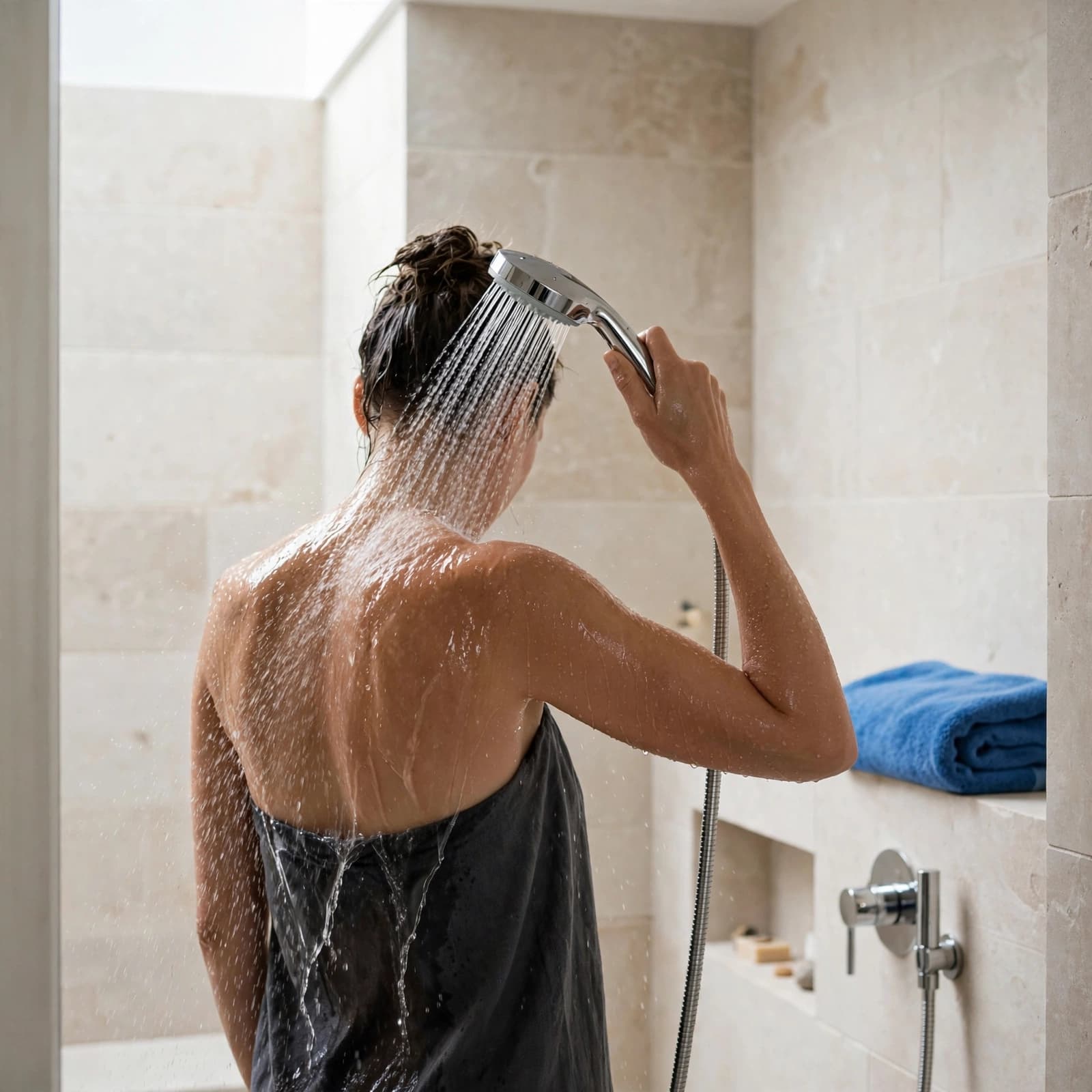
A handheld shower connects to a hose and usually rests in an adjustable bracket. A hand shower can reach children, pets and the tray for rinsing or cleaning. However, a heavy shower handset or stiff hose can make handling awkward.
Dual sets combine an overhead head with a hand shower. They offer flexibility, but need more space and additional fittings. Some allow only one outlet at a time; simultaneous operation requires sufficient supply.
Rainfall, high-pressure and multi-spray designs
A rainfall shower head spreads water across a broad plate for a softer, enveloping spray. That coverage depends on enough flow reaching the nozzles.
Compact heads concentrate water over a smaller area, which can feel firmer. However, a “high-pressure” label doesn’t mean the product can overcome a weak supply.
Multi-spray models offer spray patterns such as a broad spray or focused jet, with a massaging spray for a firmer feel. Prioritise a comfortable everyday setting and an easy selector over a long list of modes.
Match the Shower Head to Your Water Pressure and System
Pressure pushes water through the plumbing; flow is the volume delivered, usually expressed in litres per minute. They aren’t interchangeable.
The same head can feel different in two homes because pipework, supply pressure and heating arrangements affect delivery. Use the shower or boiler instructions to identify the system’s requirements before choosing.
Electric showers and their flow limits
An electric shower heats incoming mains-fed cold water as it passes through the unit. Its heating power, incoming water temperature and supply determine the available warm-water output.
During colder weather, the unit may need a lower flow to maintain your chosen temperature. A replacement head can’t remove that heating limit.
Choose a head permitted by the shower manufacturer’s instructions. A flow restrictor or other water-saving accessory isn’t suitable for every unit: excessive restriction can affect operation or trigger protective controls. Keep to the specified head and hose arrangement, including any restrictions on shut-off accessories.
Combi boilers, hot-water cylinders and gravity-fed systems
A combi boiler heats mains-fed water on demand. Shower performance therefore depends on both the incoming supply and the boiler’s hot-water delivery.
A hot-water cylinder doesn’t identify pressure by itself. An unvented cylinder supplies mains-pressure hot water, whilst a traditional vented cylinder commonly works with a cold-water storage cistern.
Gravity-fed showers rely on the height difference between stored water and the outlet, so pressure can be low. Some systems use a pump, but pumps have installation requirements.
“Suitable for low pressure” is only useful when the head’s stated requirements match the shower’s available supply.
Use a qualified plumber before changing a pump or altering the shower arrangement.
How to Choose the Right Shower Head for Everyday Use
Once compatibility is settled, compare the details you’ll notice every morning. Comfort, reach and maintenance usually matter more than decorative extras.
Compare spray settings, water use and comfort
A broad spray gives coverage, whilst a narrower pattern directs water onto a smaller area. Smaller, sharper jets may feel brisk; larger droplets can feel gentler. Neither description guarantees faster rinsing.
Consider how easily you can turn the spray selector with wet hands. A clearly defined adjustment is more useful than several similar settings.
Lower water use can reduce metered water charges and the energy needed to heat shower water. However, longer showers can offset those savings.
Compare the flow rate at equivalent pressures. Give more weight to measured water-efficiency information than to unexplained percentage-saving claims. The published figure should identify the conditions behind it.
Check fittings, materials and ease of cleaning
Hose length must suit the enclosure and your reach without excessive trailing. The bracket should hold the shower handset securely and provide useful height and angle adjustment.
Build quality involves more than weight. A lightweight plastic body can be comfortable to hold, whilst a metal body may feel substantial but burden an older bracket.
A chrome finish, brushed metal and coloured finishes all need suitable cleaning products. For long-term appearance, accessible replacement parts and clear care instructions matter alongside the warranty.
In hard water areas, flexible silicone nozzles and an accessible spray plate make limescale removal easier. Use an anti-limescale cleaner suitable for the finish.
Installation, Cleaning and Common Buying Mistakes
You can replace a shower head with a modest purchase, but a different arrangement may involve plumbing, mounting and electrical work.
When a like-for-like replacement is enough
A straightforward replacement makes sense when the existing hose and bracket are sound and the new head matches the system.
Many UK shower hoses and heads use a ½ inch thread, commonly described as a 1/2-inch BSP connection, but that thread alone doesn’t establish compatibility. The bracket must also accept the handle, and the connection needs the correct seal.
Inspect the old hose for damage and follow the fitting instructions. Check that the washer seals correctly, and avoid overtightening, which can damage threads or seals. If you have a leaking shower head, check the connection first. A leak elsewhere may point to a fault in the shower.
The advantage is limited disruption and fewer new parts. A new head won’t repair a faulty mixer, damaged hose or inadequate supply.
A dual-outlet upgrade may require new pipework and wall fixings. Electrical shower work belongs with a suitably qualified installer.
Prevent limescale and avoid flow problems
Blocked nozzles can make the spray uneven or send jets sideways. Clean them according to the manufacturer’s guidance before coverage deteriorates. For heavy limescale, gently rub flexible nozzle tips between your fingers to loosen deposits.
Use a compatible limescale remover. Use white vinegar only if the manufacturer confirms it’s safe for the finish and components.
Avoid buying solely for appearance or adding a restrictive head without system approval. If poor flow persists after suitable cleaning, the cause may lie elsewhere in the shower.
Price, Value and Buying a Shower Head Online
Compare the full replacement cost, including any hose, bracket, wall arm, adapters and installation. A cheaper head can cost more if it needs several extra parts.
Online shopping makes it easier to compare dimensions, spray options and finishes across a wider selection. Delivery charges and return conditions also affect the final value.
What to compare before you place an order
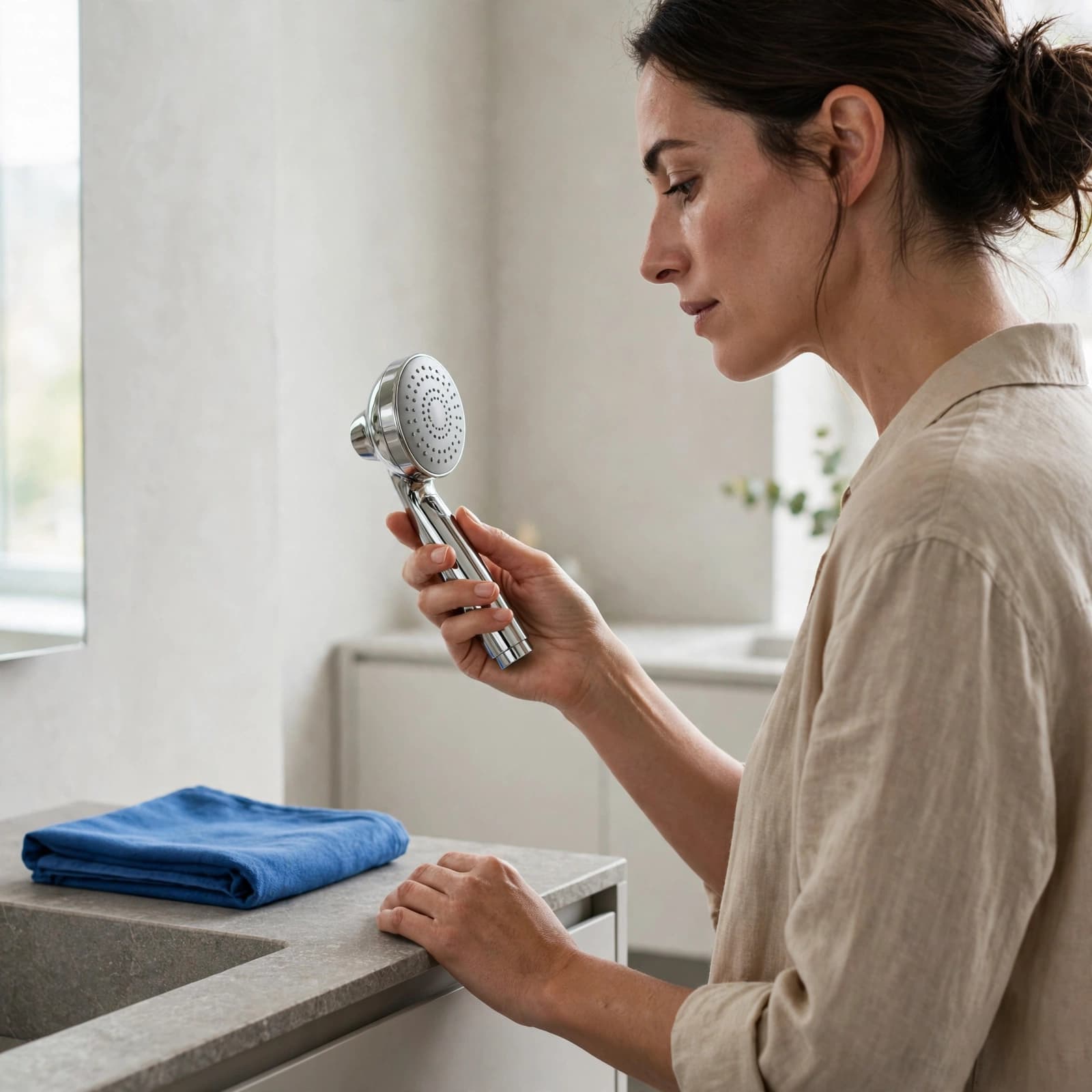
A useful product specification lists compatible systems, minimum operating pressure, flow rate and connection dimensions. It should also state the spray settings, included parts and warranty.
Check delivery charges and return conditions alongside the price. Packaging photos don’t always show exactly what’s included.
Mira, Grohe and Hansgrohe are brands worth comparing by their product specifications. For an individual Mira model, check its pressure requirements and fitting details rather than assuming every model is suitable.
These trade-offs help separate value from unnecessary upgrades.
| Option | Advantage | Limitation |
|---|---|---|
| Basic compatible head | Simpler replacement | Fewer spray choices |
| Multi-spray head | More control over spray feel | Extra settings may add little |
| Dual-outlet set | Overhead and handheld flexibility | More fittings and installation cost |
A worthwhile upgrade fixes a genuine inconvenience.
Buy it if, skip it if
Buy it if the model suits your system, fits the existing arrangement and improves comfort or maintenance.
Skip it if compatibility is vague, essential fittings are missing or pressure claims lack supporting specifications.
Frequently Asked Questions
Will a new shower head increase water pressure?
No. It can concentrate the spray or change the droplet pattern, but it can’t increase pressure supplied by the plumbing or shower unit. A firmer sensation doesn’t necessarily mean more water is flowing.
Can I use any shower head with an electric shower?
No. Compatibility depends on the electric shower model and its operating requirements. Use the manufacturer’s permitted replacement specification, because an unsuitable restriction can affect flow and temperature control.
How to clean a shower head?
Follow the manufacturer’s cleaning instructions. Gently rub flexible nozzle tips to loosen limescale, and use only a cleaning solution approved for the product’s finish and components.
Are water-saving shower heads worth buying?
They can be worthwhile when they reduce flow without compromising comfort or system operation. Metered households may save on water charges, whilst using less heated water can reduce energy consumption. The actual benefit depends on flow, shower duration and heating costs.
Our Verdict: Buy for Compatibility First
Identify your shower system, establish its pressure requirements and follow the manufacturer’s guidance before choosing a design. Then compare spray comfort, cleaning access and the complete purchase cost.
A well-matched model can be good value without numerous settings or an elaborate finish. Buy when fit and performance suit your home; skip models that promise unsupported pressure gains or leave compatibility unclear.
Explore our Buyers Guides and Reviews
◦ Bathroom Mirror Buyers Guide
◦ 🏠 All Buyers Guides Homepage