Morocco, in North Africa, makes a strong case for a UK holiday: historic cities, beaches along the Atlantic Ocean, mountain scenery and food you’ll remember long after you get home. The challenge is choosing where to spend your time. Distances are greater than a map might suggest, and a packed route can leave you seeing more of the road than the places you came to visit.
A well-paced trip starts with a few connected destinations. Once you’ve chosen them, it’s easier to settle on dates, transport and a realistic total budget.
Key Takeaways
- Choose a city, coast or mountain base that fits your interests; save a cross-country route for a longer stay.
- Three or four nights work well for Marrakech, whilst a week gives you time to add one contrasting destination.
- Check seasonal weather and current UK government entry advice before committing to non-refundable bookings.
- Compare the full cost, including local spending in the Moroccan dirham, baggage, transfers, guides and excursions.
- Buy travel insurance that covers your activities and any declared medical conditions.
Morocco: choose the places that match your kind of holiday
Morocco offers markedly different trips within one country. You can spend mornings among old-city workshops, walk in the Atlas Mountains or slow down beside the Atlantic. Pick the experience that matters most, then add a second base only if the journey earns its place in your holiday.
Explore Marrakech, Fes and Rabat for history and city life
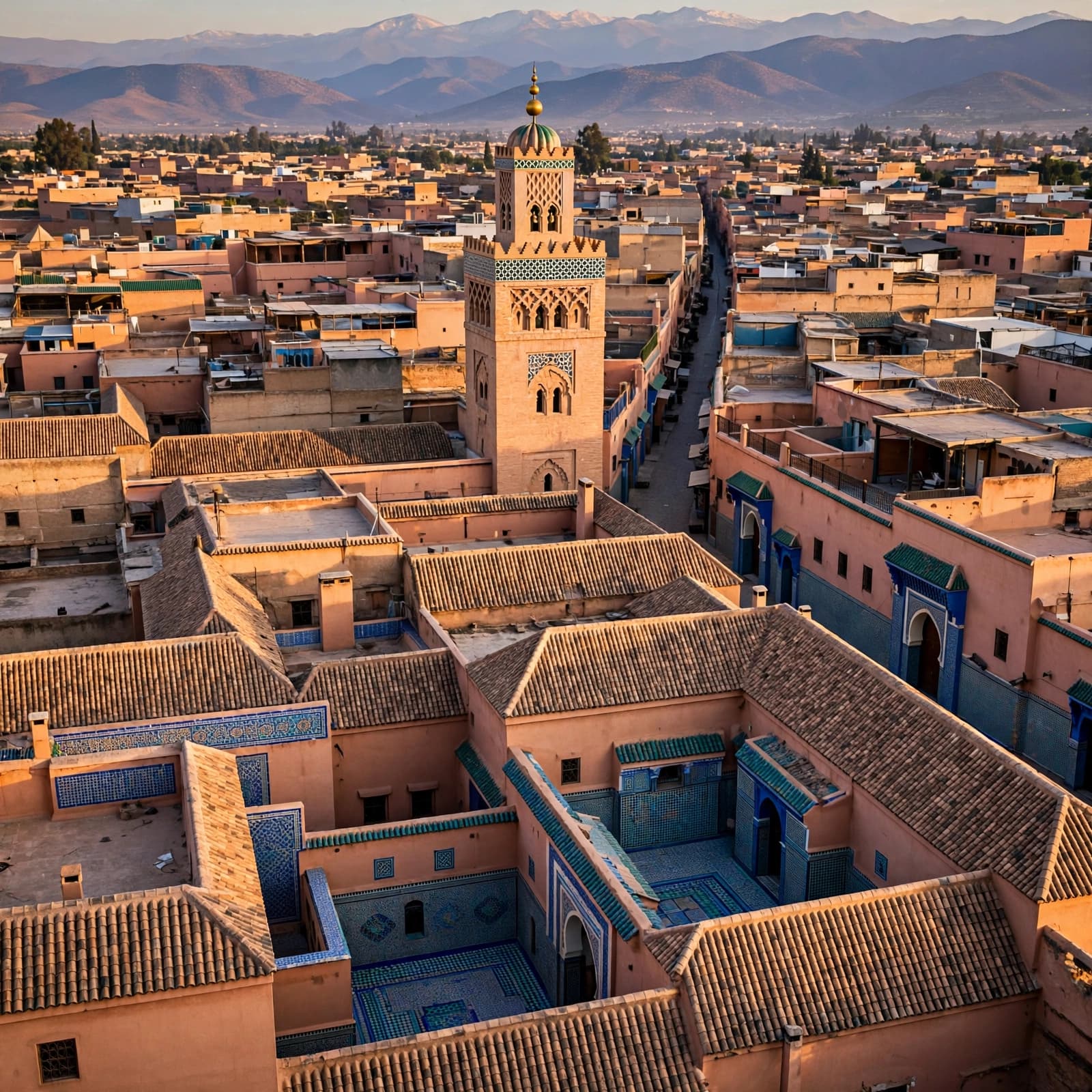
Marrakech is a lively introduction. Its medina brings together souks, historic buildings and places to eat, whilst Bahia Palace offers a closer look at traditional decoration. Jemaa el-Fnaa changes character through the day, with food stalls drawing crowds in the evening. Allow time beyond the headline sights; a quiet courtyard can be a welcome pause after the busy square.
Fes rewards a slower approach. The lanes of Fes el-Bali lead past workshops and historic tanneries, but they’re easy to lose your bearings in. A reputable local guide can help on your first visit, particularly if you want to understand the crafts rather than hurry between viewpoints.
For a different city break, Rabat pairs the Kasbah of the Udayas with Hassan Tower and a more spacious feel. Medinas are best explored on foot, so choose comfortable shoes and accommodation you can locate easily on arrival. Further north, Tangier lies by the Strait of Gibraltar, near the Rif Mountains and Morocco’s northern coast on the Mediterranean Sea.
Add the coast, Atlas Mountains or Sahara for a change of pace
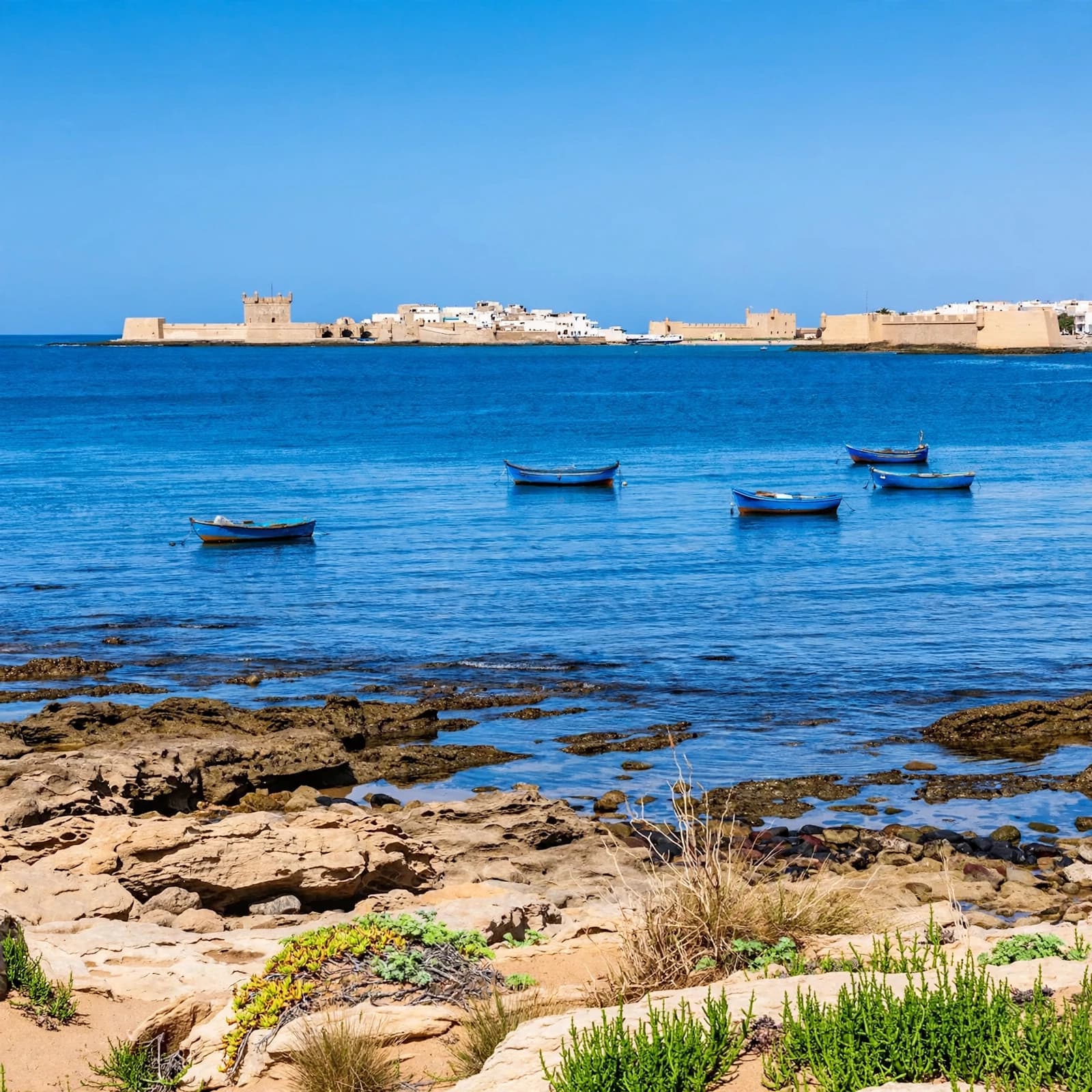
Essaouira suits travellers who want an Atlantic breeze, rampart walks and seafood near the harbour. Its compact centre is easy to enjoy without a packed sightseeing plan. Agadir, by contrast, is better suited to a conventional beach-resort stay, with a broad beachfront and larger resort areas.
The Atlas Mountains offer walking, village visits and cooler conditions at altitude. Check the difficulty of any walk before booking, as routes and access vary. The Sahara Desert needs more commitment: trips from Marrakech involve long road journeys, and some excursions advertised as desert trips don’t reach the large dunes. If the Sahara is a priority, plan for at least one night away.
Build a Morocco itinerary without spending the holiday in transit
Every change of base takes time: packing, reaching a station, finding your accommodation and settling in again. Road journeys can also vary with traffic, weather and stops. Confirm current schedules and realistic transfer times before booking separate tickets or fixing every night’s accommodation.
Make a short break work with one main base
For three or four nights, stay in Marrakech. Give the medina and Jemaa el-Fnaa their own time, then visit Bahia Palace or the Majorelle Garden on another day. You could use your remaining day for a nearby excursion, such as the Ourika Valley, if the journey and return time suit your plans.
Adding Fes or the Sahara Desert to a short break leaves little margin for delays or a relaxed evening. Reaching the desert takes substantial travel time and at least one overnight stay, and not every excursion reaches the dunes. If you book a guided day trip, check the pickup point, time on the road and what the price includes.
Use a week for two destinations, not a string of stops
Marrakech and Essaouira make a practical city-and-coast pairing. Spend several nights in each if you want both sightseeing and unhurried time by the sea. Another option is Marrakech followed by an Atlas Mountains stay, provided your onward transport is arranged in advance.
If cities interest you more, look at a rail-based route through Fes, Rabat and Casablanca. That trip has a different focus, with urban culture rather than beach or mountain time. Check station locations too: the train may be straightforward, but your riad could still be some distance away.
Allow one to two weeks for a fuller journey
With more time, you could start in Tangier or Fes, travel towards the Atlas region, then finish in Marrakech or on the coast. Two weeks gives such a route more breathing space than one. Choose overnight stops around the connections you can actually book, rather than drawing a straight line between attractions on a map.
A Sahara Desert stay belongs on a longer itinerary, with substantial time for the outward and return journeys and at least one overnight stay. Leave a quieter day after a major transfer, particularly if you’re travelling with children or carrying luggage between medinas. The aim is to arrive with enough energy to enjoy each stop.
Plan the practical details before you book
Flights and accommodation are only part of the decision. Weather, entry requirements and the cost of getting between places can affect which route offers the best value. Settle those points before paying for non-refundable arrangements.
Pick a season that suits your route and heat tolerance
Spring and autumn are often comfortable for walking around cities. Summer heat can be intense inland, especially when you’re crossing exposed squares or taking long road trips. Winter may bring pleasant sightseeing days, but evenings can be cold in the mountains and desert. Atlantic coastal weather differs from conditions in Marrakech, so check forecasts for each stop.
Ramadan also deserves a place in your planning. Some restaurants and businesses may adjust daytime hours, whilst evening meals can become busier. Check the dates for your trip and confirm arrangements if you’ll rely on meals during an excursion.
Check entry rules, payments and travel insurance
Before departure, UK passport holders should read the UK government’s current travel advice for Morocco, including entry and passport-validity rules. Check again close to travel, particularly if you booked well ahead. Keep copies of essential documents somewhere you can access if your phone is lost.
The Moroccan dirham is the local currency. Cards are useful in many established businesses, but carry some cash for markets, smaller cafés and local transport. Ask your bank about overseas card charges and cash-withdrawal fees. If a card terminal offers to charge you in pounds, check the conversion rate before accepting.
Buy travel insurance when you book if you want cover for eligible cancellation events. Compare medical cover, repatriation (travel home for medical reasons), and the excess, which is the amount you pay towards a claim. Declare pre-existing medical conditions and check whether planned activities, such as mountain trekking or quad biking, are covered. A cheap policy offers poor value if a relevant activity is excluded.
Compare transport, food and the full cost of the trip
Trains are useful between several major cities; buses can reach places beyond the rail network. Private transfers offer door-to-door convenience at a higher price, whilst car hire gives you more freedom on suitable routes. Driving and parking around old medinas can be difficult. Check where a vehicle can drop you off before reserving a riad inside the walls.
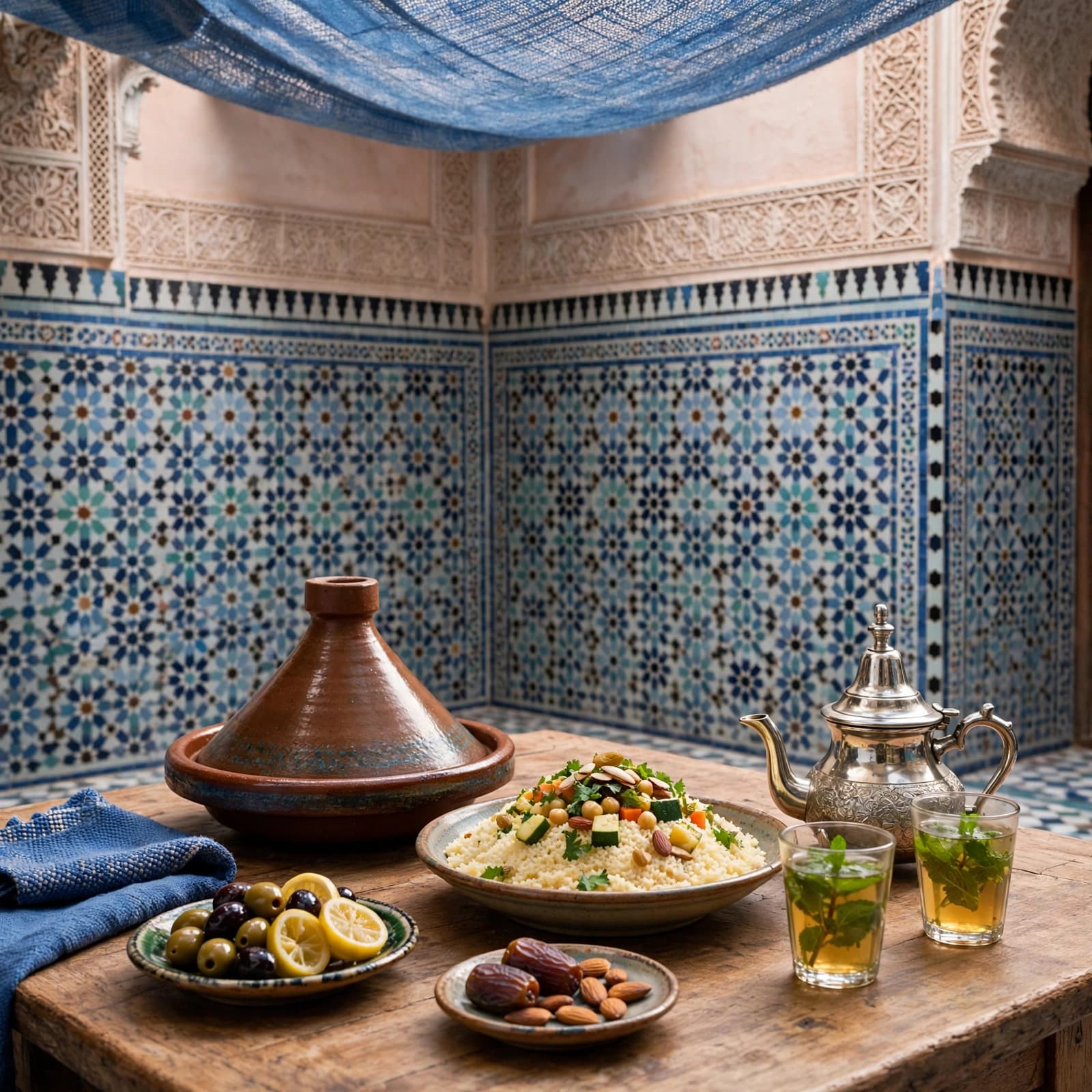
Food can fit a range of budgets. Try tagine, couscous or pastilla in a sit-down restaurant, or explore the food stalls around Jemaa el-Fnaa. On the coast, ask what seafood is available and confirm the price before ordering. Mint tea is widely served, but don’t assume every drink or side dish is included in a set meal.
Build a daily allowance beyond flights and accommodation. Include cash in Moroccan dirham, station taxis, entrance fees, guides, tips and excursions. For a guided trip, check whether lunch, admissions and pickup from your accommodation are part of the quoted price.
Book online with clear prices and flexible terms
Online comparisons make it easier to check travel dates, location, room type and transfer options side by side. You can also spot a cheaper fare that excludes cabin baggage or a room rate that cannot be cancelled. Compare the total payable price, not the first figure shown.
Before paying, check whether breakfast, local charges and airport transfers are included. Read cancellation deadlines and any change fees, especially if you’re booking transport and accommodation separately. Save confirmations and local contact details for offline use. That small step is useful when you arrive without mobile data.
Frequently Asked Questions
Is Morocco suitable for a first trip to North Africa?
Yes. Major visitor cities have established tourism services and plenty of accommodation choices. Medinas and transport hubs can feel busy on arrival, so arrange your first transfer and save your accommodation address. A reputable local guide can help you find your feet, and keep valuables secure in crowded areas.
What should I wear when visiting Morocco?
Light layers that cover shoulders and knees are useful in many settings, especially at rural or religious sites. Comfortable walking shoes are essential for uneven medina lanes, while a hat and sun protection help on exposed days. Pack warmer layers if your plans include mountain walks or evenings in the desert.
Can I visit the Sahara on a short Morocco holiday?
It’s possible, but the drive from popular city bases takes substantial time. Check the exact destination before booking, as a trip labelled “desert” may not reach the Sahara Desert dunes you have in mind. An overnight stay makes more sense than an excursion with only a brief stop before the return drive.
How much spending money should I take?
Work out a daily estimate for meals, local transport, entrance fees and activities, then add a buffer for changes of plan. Costs depend heavily on where you eat and how often you use guides or private transfers. Carry a mix of cash and cards, and check your bank’s current exchange and withdrawal fees before leaving the UK.
A route worth taking your time over
The strongest Morocco holiday doesn’t need to cover the whole country. A few well-chosen stops give you more time for the places, meals and walks you came to enjoy.
Before booking:
- Choose dates and a route that suit the weather and your available time.
- Confirm current entry advice and realistic transport connections.
- Compare the full cost, including baggage and local travel.
- Arrange insurance for your health needs and planned activities.
- Leave space between plans for an unhurried discovery.