The lights go out mid-cuppa, the telly dies, and suddenly the house feels a lot quieter. You head to the cupboard under the stairs and see the fuse board has tripped. Your first thought is usually, “What have I broken?”
A tripped consumer unit can be nothing more than a safety device doing its job, but it can also be the first hint of unsafe wiring, a failing appliance, or damp getting where it shouldn’t. This guide explains why trips happen, what “unsafe wiring” looks like in real homes, what you can do right now, and what electricians mean by “make-safe” (and what it doesn’t cover).
Safety note: if you notice a burning smell, smoke, buzzing, crackling, visible damage, or heat from sockets or the consumer unit, don’t touch anything. Keep people away, and call a qualified electrician. If there’s a fire, someone has had a shock, or you can see arcing or flames, call emergency services.
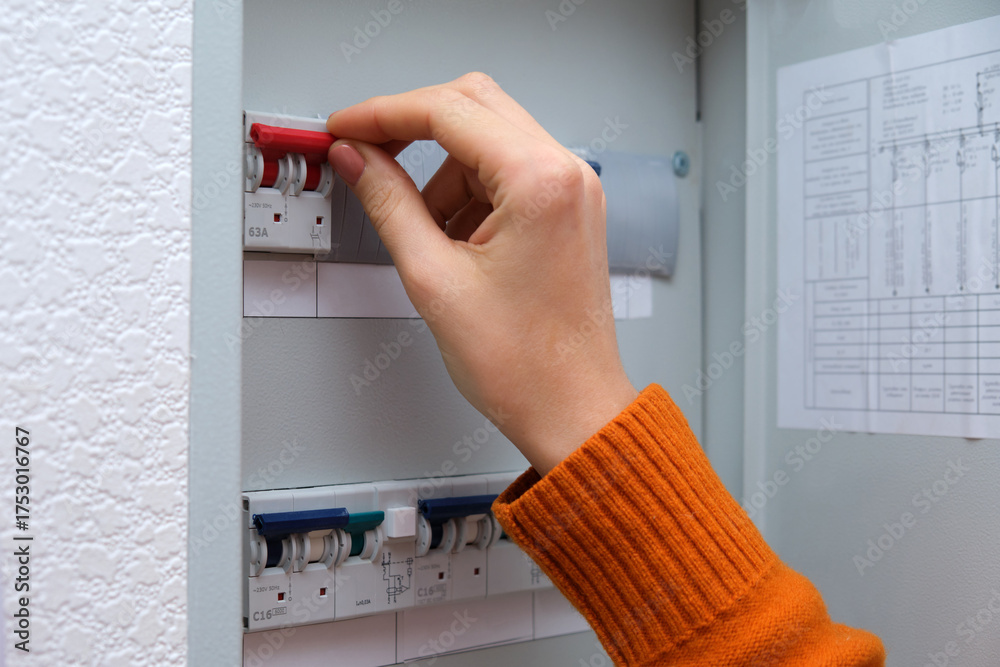
Tripped fuse board at home, what it means and what to do first
In the UK, most homes have a consumer unit (often called a fuse board). Inside are safety switches that cut power when something isn’t right.
The main ones you’ll hear about are:
- MCB (Miniature Circuit Breaker): protects a circuit from overloads and short circuits.
- RCD (Residual Current Device): cuts power when it senses electricity leaking to earth (a common sign of danger).
- RCBO: a combined device that does both jobs for one circuit (common on newer boards).
First, work out whether it’s just your home or the whole street.
If your neighbours are also out, or streetlights are off, it’s likely a local power cut. If only your home is affected, it’s more likely your consumer unit has operated due to a fault or overload. In a street outage, you’ll usually need to speak to your Distribution Network Operator (DNO), not an electrician.
If it’s your consumer unit, the goal is simple: get things safe, then restore power only if it stays stable. If a switch won’t stay on, don’t force it. Repeated tripping is your warning light on the dashboard.
Quick checks you can do safely (before you reset anything)
Do these with dry hands, good lighting, and a clear head. Don’t remove covers or poke around inside the consumer unit.
- Check if neighbours have power, or if the wider area looks out.
- Look at the consumer unit: is the main switch on or off, and which MCB or RCD has moved?
- Stop if you notice heat, a burning smell, buzzing, scorch marks, or melted plastic.
- Unplug high-load items before resetting, especially kettles, tumble dryers, heaters, dishwashers, and anything with a heating element.
- Unplug anything that was recently used or recently bought, it’s often the culprit.
- If you have damp areas (kitchen, bathroom, utility, garage), keep hands dry and avoid standing on wet floors.
- If the power cut seems wider than your home, contact your DNO to report it and check for updates.
This is about reducing risk. You’re removing obvious triggers before you try to restore power.
How to reset an RCD or MCB, and how to find the circuit causing the trip
If everything looks and smells normal, and there’s no sign of damage, you can try a careful reset.
A safe, simple method is:
- Switch off all MCBs (or turn off all the individual circuit switches).
- Reset the RCD (or main RCD section) to ON.
- Turn one MCB on at a time.
- If the RCD trips when you turn on a certain circuit, leave that circuit off.
- Once the consumer unit stays on, plug appliances back in one at a time.
Pay attention to when it trips:
- Trips instantly when a circuit is turned on: that suggests a fault on that circuit, such as damaged wiring, water ingress, or a failed accessory (socket, light fitting, extractor fan).
- Trips after a few minutes or when you start using something: that points to overload, a heating element failing as it warms up, or an intermittent earth leak.
- Trips only when it rains or after showers: damp is a strong suspect, especially in outside lights, garages, and bathrooms.
If you can’t identify a clear cause quickly, stop there. Leaving one circuit off is safer than repeatedly resetting and hoping for the best. A qualified electrician can test the circuit properly and tell you what’s actually happening.
Common electrical faults that cause trips, flickering lights, or burning smells
A consumer unit trip is a symptom, not a diagnosis. The tricky part is that different faults can look similar in the moment.
Modern UK homes often have RCD protection, which can trip sooner and more often because it’s designed to react to small leaks. Older boards might have limited protection, which can mean fewer trips but higher risk, because a dangerous fault might not disconnect as fast.
Here are the common causes, matched to what you might notice at home.
Overloads, faulty appliances, and damp, the usual suspects
Overloads happen when a circuit is asked to supply more power than it’s designed for. It’s like trying to run a washing machine, tumble dryer, and heater through one extension lead. Something will give.
Signs of overload include trips when you run multiple high-power items at once, or when you turn on an appliance with a heating element.
Faulty appliances are a top cause of sudden trips. Common offenders include:
- Kettles and toasters (heating elements can fail)
- Tumble dryers and washing machines (moisture and motors)
- Electric showers (high load, sensitive to wiring condition)
- Fridge freezers (compressors can cause intermittent faults)
A helpful clue is timing. If the trip happens the moment an appliance starts, that appliance becomes suspect. If you unplug it and the system stays stable, you’ve narrowed it down.
Damp and water ingress often cause RCD trips. Electricity and moisture mix like oil and fire. Watch for patterns linked to weather and humidity.
Everyday examples in UK homes:
- Outside sockets used for garden tools
- Shed supplies and old extension leads
- External wall sockets where driving rain gets in
- Loft lights and junction boxes in cold, damp spaces
- Bathroom extractor fans, especially if noisy or slow
- Outside lights with cracked fittings or failed seals
If you suspect damp, don’t keep resetting and “seeing if it holds”. The trip may be preventing a shock.
Unsafe wiring signs you should never ignore
Some warning signs are subtle, others are loud and scary. Either way, they point to risk, and risk grows over time.
Treat these as red flags:
Buzzing from sockets or switches: electricity should not sound like anything.
Warm or hot faceplates: mild warmth can happen with heavy use, heat you can feel easily is not normal.
Frequent tripping: once can be a fluke, a pattern means investigation.
Scorch marks on plugs, sockets, or around light fittings.
Melted plugs or a plug that looks distorted.
Loose sockets that wobble in the wall.
Sparking when plugging in, switching on, or using certain sockets.
Burning smell (fishy, acrid, plastic) near electrics.
Flickering lights when appliances start, or lights dimming noticeably.
Tingles from metal appliances or taps (stop using the appliance and get it checked).
Old rubber cables or brittle insulation, often found in older lighting circuits.
DIY wiring that looks messy, mixed colours, or taped joins.
Back-to-back adaptors and overloaded extension leads, which create heat and strain.
Older UK installations can also bring their own issues. Some homes still have rewirable fuses, no RCD protection, outdated consumer units, poor earthing, or a mix of old and new wiring after partial DIY work. Those setups can work for years, right up until they don’t.
When it is an emergency (and when to call 999)
Some situations are beyond “wait and see”. If any of the following happens, treat it as urgent:
- Fire, smoke, or visible flames
- Someone has had an electric shock, even if they “feel fine”
- Loud arcing or flashing at a socket, switch, meter area, or consumer unit
- Water leaking onto electrics, or flooding near sockets and appliances
- A fallen overhead cable, or cables down outside
If it’s safe to do so, isolate power using the main switch on the consumer unit. If you can’t reach it safely, don’t try.
If someone is in contact with live electricity, do not touch them directly. Call emergency services and follow their advice. Get everyone out of danger and keep the area clear.
What “make-safe” really means, and what happens after the call out
“Make-safe” is one of those phrases that sounds like a full fix. In practice, it’s usually the first step.
A make-safe visit is about removing immediate danger. It aims to stop overheating, arcing, shock risk, and fire risk, and to restore power only where it’s safe to do so.
That might leave part of your home without electricity, and that can be the right outcome. A safe home beats a fully powered unsafe one.
Make-safe vs a full repair, what you are paying for
A make-safe job often includes practical actions like:
- Isolating a dangerous circuit so it can’t be used
- Disconnecting a faulty appliance or fixed load (like an extractor fan)
- Replacing a visibly damaged socket or switch
- Fitting a blank plate where an unsafe fitting has been removed
- Securing loose cables and making exposed conductors safe
- Dealing with obvious water ingress risk around fittings (where possible)
- Setting up temporary safe lighting if a lighting circuit is compromised
What it may not include:
- Tracing a hidden fault through walls, ceilings, or buried cables
- Rewiring sections of the property
- Replacing the whole consumer unit
- Repairing damaged cables under floors (without a planned follow-up)
- Cosmetic making good, like plastering or redecorating after access
If your electrician leaves a circuit off, it’s not to be awkward. It’s because turning it back on would be guesswork, and guesswork is how fires start.
What checks a good electrician will do on site (in simple terms)
A decent call-out should feel calm and methodical. Expect some or all of the following:
- A visual inspection of the consumer unit, sockets, switches, and any obvious problem areas
- Checks for overheating (discolouration, smell, loose connections)
- Basic testing to confirm circuits are safe to energise
- A check that earthing looks correct and intact
- A check that RCD protection operates as it should
- Fault-finding to narrow down whether the problem is a circuit issue or an appliance issue
Possible outcomes are usually clear:
Immediate fix: a failed socket or switch is replaced, and the system tests fine.
Temporary isolation: power is restored except for one circuit, and you book follow-up work.
Urgent remedial work advised: the electrician finds risks that need prompt attention (for example, signs of overheating, damaged cable, or no effective earthing).
You’ll often get a job sheet. For certain electrical work, certification may be needed, especially where building regulations apply.
Preventing future electrical faults, safer habits, and when to book an inspection
Most electrical disasters don’t start with drama. They start with small signs people live with: a warm socket, a switch that crackles, a fuse board that trips “now and then”. The aim is to spot the pattern early.
Simple habits that reduce trips and fire risk
A few changes at home make a real difference:
Give high-power items their own space: heaters, kettles, air fryers, and tumble dryers don’t belong on crowded extension leads.
Replace damaged leads: if a cable is nicked, crushed, or taped up, it’s done.
Don’t run cables under rugs: heat and wear build up unnoticed.
Keep sockets dry: wipe splashes fast, and don’t use electrics with wet hands.
Use outdoor-rated kit outside: outdoor sockets, extensions, and tools need proper weather protection.
Test your RCD: press the “T” or “Test” button (when safe to do so). It should trip and cut power, then you reset it. If it doesn’t trip, get it checked.
Stop using anything that smells hot: that smell is often insulation or plastic overheating, and it rarely improves on its own.
When to get an Electrical Installation Condition Report (EICR) and other next steps
An Electrical Installation Condition Report (EICR) is a formal inspection and test of your home’s fixed wiring, designed to identify damage, wear, and safety issues.
It’s sensible to arrange one if:
- Your property is older and you don’t know when electrics were last checked
- You’ve had frequent tripping, flickering, or unexplained burning smells
- There’s been water damage, leaks, or flooding
- You’ve moved into a new home and want a baseline check
- You’ve had major renovations, especially kitchens, bathrooms, or extensions
- You suspect past DIY electrical work
If you rent, report issues to the landlord or letting agent in writing. Don’t attempt your own fixes. Even replacing a socket can be risky if the wiring behind it is compromised.
Sometimes the right long-term fix is bigger, such as a consumer unit upgrade or a rewire, especially if key safety devices are missing or cable insulation is degraded. A good electrician will explain options in plain terms, and set out what’s urgent versus what can be planned.
Conclusion
A tripped fuse board is usually a safety feature doing its job, not an inconvenience to ignore. If it keeps tripping, or you notice warning signs like heat, buzzing, scorch marks, or a burning smell, treat it as a real fault that needs proper attention. “Make-safe” means removing the immediate danger, and it may leave part of your home switched off until a full repair is done.
If anything feels unsafe, or the consumer unit won’t stay on, stop troubleshooting and book a qualified electrician. Your home should be quiet, not crackling.
Shop for More with Our Verified UK Insurance providers:
Home Emergency Cover – Home Appliance Cover
Travel Insurance – Gadget Insurance – Phone Insurance – Caravan Insurance – Campervan Insurance – Cycle Insurance – E-Bike Insurance
Car Finance – Car Breakdown Cover – Van Breakdown Cover – Motorbike Breakdown Cover
–
Explore our Buyers Guides with Money Saving Tips
For a list of our main buyers guides use the drop-down menu at the top of the page. Topics related to this article are:
Laptop Insurance Buyers Guides
Gadget Insurance Buyers Guides
Tennant’s Insurance Buyers Guide
Landlords Insurance Buyers Guide
Home Emergency Cover Buyers Guide
Travel Insurance Buyers Guides
Car Breakdown Cover Buyers Guide
–
Explore Our Blog Categories for Expert Buying Advice
- AI Powered Product Finder Tools
- Apple Products Buyer’s Guides & Reviews
- Beauty, Health & Wellness | Perfume, Skincare, Makeup & Wellbeing Guides
- Bedroom Furniture Guides UK | Expert Tips & Best Value Deals
- Beds Buying Guides UK | Types, Tips & Best Deals
- Brands – Phones, Laptops, PC”s, Tablets | Buyer’s Guides & Reviews
- Brands & Designer Products (Men, Women & Electronics)
- Car Buying & Financing Made Easy | Expert Guides for the UK
- Car Rental Worldwide: Compare Prices & Top Deals for UK Travellers
- Christmas Essentials: Decorations & Gift Ideas
- Clothing, Fashion & Accessories Buying Guides UK
- Designer Fashion Brands: Buyer’s Guides & Reviews
- Diamond Jewellery Buyers Guides & Shopping Tips
- Electronic Brands: Buyers Guides & Reviews
- Electronics – Tablet & iPad Reviews and Buyers Guides
- Electronics, Tech & Gadgets: Reviews, Deals & Buying Guides UK
- Europe Holidays & Hotels: Top Destinations, Booking Guides & Local Attractions
- Expert Buying Guides & Shopping Tips for UK Shoppers
- Footwear Brands: Reviews & Buyer’s Guides
- Furniture Buyer’s Guides | Home & Garden & Styling Tips
- Gadget Insurance UK | Expert Guides, Reviews & Smart Protection Tips
- Garden Furniture UK: Expert Reviews, Deals & Buying Guides
- Garden Furniture, Landscaping & Garden Rooms Guides UK | Expert Tips & Best Value Deals
- Garden Rooms, Offices & Garden Buildings Guides UK | Expert Tips & Best Value Deals
- Gifts for Everyone: Ideas for Every Occasion & Budget
- Gold Jewellery Buyers' Guides & Shopping Tips
- Holidays & Travel: Hotels, Villas, UK Breaks & Skiing
- Home Décor, Interior Design & Styling Tips UK | Inspiration & Expert Advice
- Home Emergency Cover UK | Expert Guides, Reviews & Practical Protection Tips
- Home Furniture Guides UK | Expert Tips & Best Value Deals
- Home Furniture, Décor & Interior Design Guides UK | Styling Tips & Inspiration
- Insurance & Protection: Travel, Landlord, Gadget & More UK
- iPhone Buying Guides, Reviews & Comparisons for the UK
- iPhone Insurance UK | Expert Guides, Reviews & Smart Protection Tips
- Jewellery Rings Buyers' Guides & Shopping Tips
- Jewellery: Expert Reviews, Trends & Buying Guides
- Kitchen Appliance Brands: Buyer’s Guides & Reviews
- Kitchen Appliances UK: Buyers Guides, Reviews & Money Saving Tips
- Landlords Insurance UK | Expert Guides, Reviews & Smart Protection Tips
- Laptop Brands & MacBooks Buyer’s Guides & Reviews
- Laptop Brands: Buyer’s Guides & Reviews
- Living Room Furniture, Design & Décor Guides UK | Styling Tips & Inspiration
- Men’s Clothes, Fashion & Accessories Guides UK | Latest Trends & Smart Shopping
- Men’s Fragrance Brands: Perfume & Aftershave Reviews & Buyers Guides
- Perfume & Aftershave Brands: Reviews & Buyers Guides
- Perfume & Fragrance: Best Scents, Reviews & Buying Guides
- Pets: Guides, Tips & Inspiration
- Phone Brands & iPhones Buyer’s Guides & Reviews
- Phone Brands: Buyer’s Guides & Reviews
- Phone Insurance UK | Expert Guides, Reviews & Smart Protection Tips
- Sportswear Brands: Reviews & Buyers Guides
- Trainer Brands: Reviews & Buyer’s Guides
- Travel Insurance UK | Expert Guides, Reviews & Money-Saving Tips
- UK Holidays & Hotels: Best Destinations, Booking Guides & Local Attractions
- Women’s Clothes, Fashion & Accessories Guides UK | Latest Trends & Smart Shopping
- Women’s Designer Brands: Buyer’s Guides & Reviews
- Women’s Designer Shoe Brands: Buyer’s Guides & Reviews
- Women’s Dresses | Online Shopping Guides, Style Tips
- Women’s Perfume Brands: Reviews & Buyers Guides
Save Money and Shop Smarter – Join Our Free Newsletter!
Get expert buying advice, exclusive deals, and money-saving tips delivered straight to your inbox.