A bar stool looks simple, but buying the wrong bar stools can make your kitchen island feel like a bad café seat. Too tall and your shoulders creep up to your ears. Too short and you end up hunched over your tea on kitchen stools.
UK homes have all sorts of set-ups, breakfast bar stools in small flats, chunky kitchen islands in open-plan spaces, even a little home bar tucked into a corner. The tricky bit is that stools have to match your height, your room, and how you actually live.
This guide keeps it practical: how to measure properly, how many stools will fit without turning meals into elbow warfare, what features matter for comfort, and how buying online can help you compare sizes, prices, and real reviews for luxury bar stools before you spend.
Start with the basics: heights, fit, and how many stools you actually need
If you remember one thing, make it this: height is the deal-breaker. Most complaints about bar stools (wobbly posture, sore backs, knees jammed under the kitchen counter) come down to a mismatch between seat height and the surface you’re sitting at.
In the UK, most kitchen islands and breakfast bars fall into two common set-ups:
Set-upTypical surface heightTypical stool seat heightBest forcounter height (kitchen counter)~90 cm~60 to 66 cmEveryday meals, family kitchensBar-height (raised bar)~105 to 110 cm~74 to 80 cmHome bars, taller breakfast bars
These numbers are a guide, not a promise. One “counter height stool” might be 60 cm, another might be 68 cm, and that difference is felt the moment you sit down.
Also think about the real number of stools you need. Two stools are often enough for quick breakfasts, even on a longer island. A line of four looks great in photos, but if nobody can walk past them, it gets annoying fast. A good layout feels like a well-set table, everything has its space, and nothing needs shuffling every time the kettle goes on.
How to measure seat height from your kitchen counter or bar
Grab a tape measure and do this once, properly. It saves a lot of hassle later.
- Measure from the floor to the underside of the kitchen counter (not the top surface). Your knees need clearance under the overhang.
- Aim for a comfortable gap between the seat and the underside, usually around 25 to 30 cm. That gives room for legs, and stops you feeling wedged in.
- Check the seat shape. A deep, padded seat can sit higher in practice than a flat wooden one, because you don’t sink as much.
- Look at the footrest height. Your feet should have somewhere natural to land, otherwise you end up hooking your toes around stool legs like you’re on a climbing frame.
If your measurement lands between standard sizes, adjustable height bar stools with a gas lift are often the safest choice, unlike fixed height models. They’re also handy in homes where different people use the same seats (a tall adult and a teenager, for example). Just check the height range includes the position you need, not only the maximum.
Spacing rules that stop elbows bumping and walkways getting blocked
A bar stool isn’t just a seat, it’s a person-shaped obstacle once someone sits down. Spacing is what keeps your kitchen feeling calm.
As a rule of thumb, plan for about 60 cm of width per person along the edge of the worktop. That includes the seat width and a bit of breathing room. If your bar stools are wide, or they have arms, you’ll need more.
Behind the stools matters too. If there’s a walkway behind the seating, aim for around 90 cm of clear space, more if it’s a busy route to the fridge or garden door. In smaller kitchens, you can get away with less, but you’ll feel it every day.
A few real-home fixes:
- Backless stools tuck under neatly and keep tight spaces usable.
- Swivel stools can reduce shuffling in and out, but they still need clearance.
- If bar stools sit near a doorway or a corner, keep the end stool slightly inboard so it doesn’t block the natural path through the room.
If the space is borderline, masking tape can help. Mark out kitchen stool positions on the floor, then walk past them as if someone’s sitting there. It’s a simple test, and it’s very hard to argue with.
Pick a style that feels good to sit on, not just good to look at
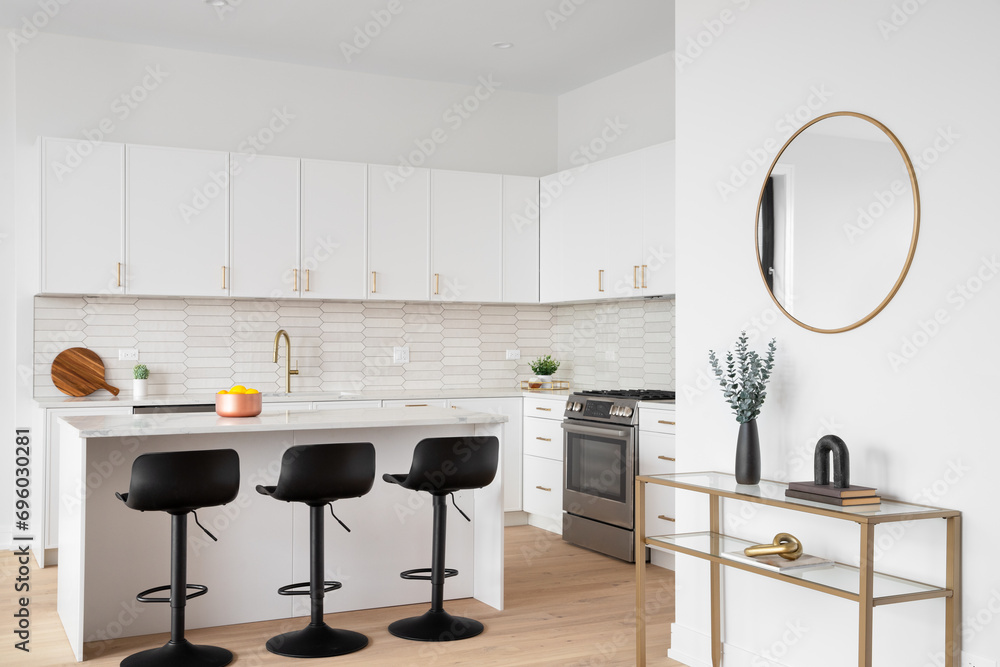
A bar stool is like a pair of shoes. It can look brilliant, but if it’s uncomfortable, you’ll avoid it. The right choice depends on how your home uses the space, whether you prefer bar chairs or traditional bar stools.
For quick breakfasts and laptop-at-the-island moments, many people like bar stools or bar chairs that are easy to hop on and off. For long chats while dinner’s cooking, a bit more support makes a big difference. Think about who sits there most. Is it adults with a coffee, kids doing homework, guests perched with a drink, or all of the above?
Comfort is built from a few parts: back support, seat shape, a sensible footrest, and the right amount of padding like a padded seat. Some bar stools look chunky but have a small seat. Others look slim but offer great ergonomic design. Product photos can’t tell you everything, which is why measurements and reviews matter so much.
Backrest, swivel, and arms: which features match your routine
Backrest or backless?
Backrests suit longer sitting. If your kitchen island doubles as a dining spot, a backrest is usually worth it. Backless stools or bar chairs suit small kitchens because they slide under the worktop and visually “disappear”.
Swivel or fixed?
Swivel bar stools are handy when space is tight, thanks to a reliable swivel mechanism. You can turn to get in and out without dragging the stool across the floor. The downside is that some swivels can feel less stable, especially on uneven floors. If you’ve got slightly wonky tiles or an older floor, look for a solid base and good build quality, not a loose, clicky mechanism.
Armrests or armless?
Armrests can make a stool feel like a proper chair, and they’re comfy for long sits. The trade-off is space. Armrests often stop stools tucking under the worktop, and they can make it harder to fit three stools where two-and-a-bit used to fit.
One more comfort detail that gets missed: seat edge shape. A hard, sharp front edge can dig into the back of your legs. A gently rounded edge feels better, especially for taller adults, paired with a good footrest and padded seat.
Materials that suit family life, easy cleaning, warmth, and noise
Materials aren’t only about style, they affect how the stool feels at 7am, and how it copes with spills at 7pm. Industrial bar stools in a modern design often use metal frames, while solid wood options bring a warmer vibe.
Wood tends to feel warm and homely, and it’s quieter than metal when knocked. It can show wear over time, but many people like that lived-in look. A quick wipe with a damp cloth is usually enough, but avoid soaking joints.
Metal suits modern design kitchens and can be very sturdy. It can feel cold in winter, and it’s more likely to make a clink on hard floors. Check the feet, because bare metal ends can scratch.
Plastic and moulded seats are often the easiest for busy homes. They wipe clean fast and handle sticky fingers well. Some cheaper plastics can scuff or feel a bit light, so weight and build matter.
Upholstered stools win on comfort, with velvet bar stools or options in boucle fabric offering a luxurious sink-in feel. They’re great for long sitting, but they need a bit more care, especially in real leather or faux leather. If you’re likely to deal with splashes (pasta sauce, red wine, hot chocolate), look for wipeable faux leather finishes, darker shades, or textured fabrics that hide marks.
Whatever the material, a simple add-on makes a big difference: felt pads or rubber feet. They reduce squeaks, protect floors, and stop stools creeping as people shift their weight, all while supporting that essential footrest.
Buy bar stools online with confidence: smarter comparisons and fewer returns
Buying kitchen stools online can be a smart move because you’re not limited to whatever happens to be in one showroom’s furniture collection. You can compare seat heights, widths, materials, and prices in minutes, and you can read what owners say after living with them for a few months.
The catch is that online shopping rewards careful checking. A bar stool can look perfect in a staged photo, then arrive with a lower seat than you expected, or a larger footprint that blocks a cupboard door. The good news is that most of these mistakes are avoidable.
Treat the product page like a label on a food packet. Don’t just look at the picture, read the details, and make sure they match your home.
What to check on a product page before you click buy
Before you commit, look for these basics (and if they’re missing, that’s a warning sign):
- Seat height (this matters more than overall height; check for adjustable height or gas lift options)
- Overall height (important for backrests and visual scale in your furniture collection)
- Seat width and seat depth (comfort and spacing)
- Footrest height and position (especially for taller users)
- Maximum user weight (a sign of build strength)
- Materials and finish (including whether metal parts are powder-coated, brushed steel, or chrome finish)
- Assembly details (flat-pack or ready to use, and what tools are needed)
- Floor-friendly feet (rubber caps, glides, or protectors)
- Warranty or guarantee info
Photos matter too, but choose them wisely. Look for images that show the bar stool from the side, not only the front. If customer photos are available, use them to judge colour in normal lighting and how bulky the stool looks in a real kitchen.
If you’re matching existing furniture, check the undertone. “Oak” can mean warm honey, pale beige, or grey-washed, depending on the finish.
Delivery, returns, and set of stools decisions that save money
Bar stools are awkward items to ship, particularly fixed height models. They’re tall, they scratch if packed badly, and returning them can cost more than people expect. A few checks can save money and stress.
Set vs single stools: Sets can work out cheaper per stool, and they match perfectly. Singles give flexibility if you want two different colours, or you’re building the look slowly. If you’re unsure about comfort, ordering one first can be a sensible way to test without committing to a full set.
Delivery costs and packaging size: Some listings price the stool attractively, then add a chunky delivery fee at checkout. Also check whether delivery is to the door only, or into the room of choice, especially if you’re in a flat.
Returns and who pays: Look for the return window and the return method. Large items can require collection, and return postage may not be free. Keep the packaging until you’re sure, because returning without the original box can be difficult.
Colour and finish: If you’re fussy about shade, prioritise sellers that offer clear photos, good descriptions, and straightforward returns. It’s hard to judge colour through a screen, and it’s not a mistake, it’s just reality.
Online shopping works best when you make it boring in the right way: measure first, check the specs, then compare options calmly.
Conclusion
The right bar stools make your kitchen feel more usable, more social, and less cluttered. Measure for height, plan spacing around your kitchen island so people can move around, and choose comfort features that fit how you sit day to day. Match materials to your home’s reality (spills, kids, pets, cold floors), not just the look you like in a photo. With bar stools bought online, careful checks on measurements, reviews, and returns can help you compare properly and avoid expensive mistakes, whether opting for breakfast bar stools or luxury bar stools. Get the tape measure out now, then shop for kitchen stools with confidence instead of guesswork.
Explore More Expert Buyers Guides and Reviews
For a list of our main buyers guides use the drop-down menu at the top of the page. Topics related to this article are:
Home and Garden Furniture Buyers Guides
Bedroom Furniture Buyers Guides
living Room Furniture Buyers Guides
Garden Furniture Buyers Guides
–
Explore Our Blog Categories for Expert Buying Advice
- AI Powered Product Finder Tools (26)
- Expert Buying Guides & Shopping Tips for UK Shoppers (1,352)
- Brands & Designer Products (Men, Women & Electronics) (270)
- Designer Fashion Brands: Buyer’s Guides & Reviews (151)
- Electronic Brands: Buyers Guides & Reviews (85)
- Apple Products Buyer’s Guides & Reviews (23)
- Brands – Phones, Laptops, PC”s, Tablets | Buyer’s Guides & Reviews (41)
- Electronics – Tablet & iPad Reviews and Buyers Guides (11)
- Kitchen Appliance Brands: Buyer’s Guides & Reviews (22)
- Laptop Brands & MacBooks Buyer’s Guides & Reviews (9)
- Phone Brands & iPhones Buyer’s Guides & Reviews (22)
- Car Buying & Financing Made Easy | Expert Guides for the UK (89)
- Clothing, Fashion & Accessories Buying Guides UK (447)
- Beauty, Health & Wellness | Perfume, Skincare, Makeup & Wellbeing Guides (163)
- Footwear: Trainers & Shoes Buyers Guides (46)
- Jewellery: Expert Reviews, Trends & Buying Guides (71)
- Men's Clothes — Buyers Guides & Reviews (38)
- Men’s Clothes, Fashion & Accessories Guides UK | Latest Trends & Smart Shopping (155)
- Women's Clothing Buyers Guides — Dresses, Tops & More (170)
- Women’s Clothes, Fashion & Accessories Guides UK | Latest Trends & Smart Shopping (389)
- Electronics, Tech & Gadgets: Reviews, Deals & Buying Guides UK (169)
- Furniture Buyer’s Guides | Home & Garden & Styling Tips (310)
- Bedroom Furniture Guides UK | Expert Tips & Best Value Deals (91)
- Garden Furniture, Landscaping & Garden Rooms Guides UK | Expert Tips & Best Value Deals (156)
- Garden Sofa & Sofa Sets Buyers Guides (10)
- Garden Tables & Chairs: Sets, Individual Tables & Seating Buyers Guides (39)
- Home Furniture, Décor & Interior Design Guides UK | Styling Tips & Inspiration (166)
- Living Room Furniture, Design & Décor Guides UK | Styling Tips & Inspiration (56)
- Sofa & Sofa Beds Buyers Guides (18)
- Sofa Beds Buyers Guides (7)
- Sofa Buyers Guides & Expert Advice (10)
- Holidays & Travel: Hotels, Villas & Flights (157)
- Home & Garden Improvements | Renovations & Outdoor Transformation Guides (99)
- Insurance & Protection: Travel, Landlord, Gadget & More UK (159)
- Gadget Insurance UK | Expert Guides, Reviews & Smart Protection Tips (33)
- Home Emergency Cover UK | Expert Guides, Reviews & Practical Protection Tips (21)
- Landlords Insurance UK | Expert Guides, Reviews & Smart Protection Tips (31)
- Travel Insurance UK | Expert Guides, Reviews & Money-Saving Tips (34)
- Pets: Guides, Tips & Inspiration (26)
- Brands & Designer Products (Men, Women & Electronics) (270)
- Gifts for Everyone: Ideas for Every Occasion & Budget (42)