A Huawei smart watch is a wristwatch with health tracking, workout tools, and everyday “smart” features like notifications and calls (on some models). In the UK, a lot of people look at Huawei because the watches often balance strong fitness tracking with long battery life and sensible pricing.
If you’re choosing one, it helps to be clear about what you want it to do. This guide covers the key features to check, which types of Huawei watches suit different needs, and how Huawei compares with other popular smartwatch brands, without the fluff.
Huawei smart watch range: what makes it different?
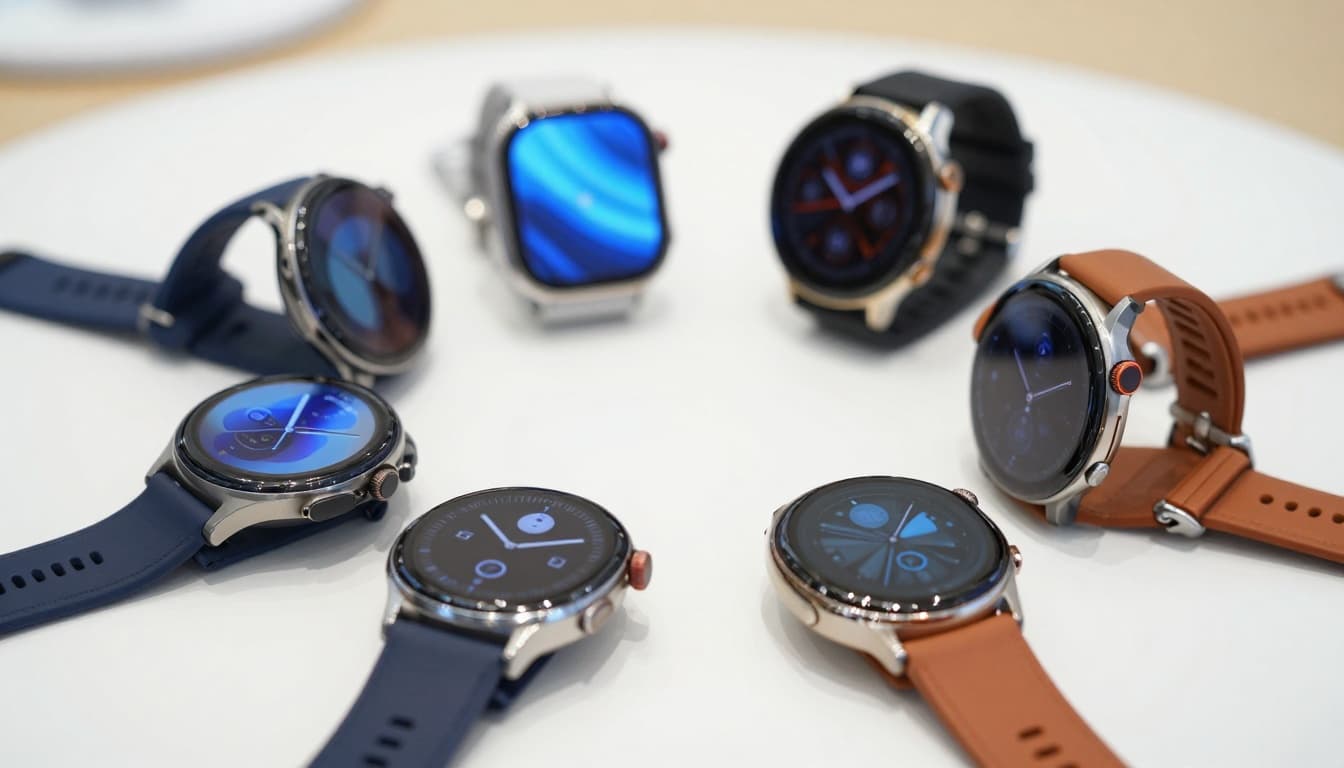 Several Huawei smart watches in sporty and classic styles, created with AI.
Huawei’s range usually falls into two broad styles: sport-first watches that focus on workouts and battery, and classic-looking watches that try to feel more like a traditional timepiece. Across the line, people tend to notice a few consistent strengths.
Battery life is the headline for many models, often lasting days rather than hours, depending on settings. You also get bright AMOLED screens on lots of models, plus solid build quality with options like aluminium or stainless steel cases.
That said, features vary by model, and some smart functions depend on your phone. The best buy is the one that matches your day to day routine, not the one with the longest spec list.
Battery life, comfort, and design choices (sporty vs classic)
Some smartwatches feel like a pet that needs feeding every night. Huawei often aims for the opposite: less time charging, more time wearing.
Real life battery depends on screen brightness, GPS use, always-on display, and how many health features you run all day. Many users can expect multi-day use with typical tracking, while heavy GPS sessions and always-on screens will bring that down.
Comfort matters more than people expect. A lighter case and a soft strap can make the difference between “I wear it all day” and “it lives in a drawer”.
A few quick fit tips:
- Smaller wrists: consider smaller case sizes and slimmer lugs, they sit flatter and don’t wobble.
- All-day wear: silicone is great for sweat, but a nylon or leather strap can feel nicer for work.
- Outdoor visibility: AMOLED screens tend to stay clear in bright light, which is handy for runs and walks.
Health and fitness tracking basics: heart rate, sleep, GPS, and workout modes
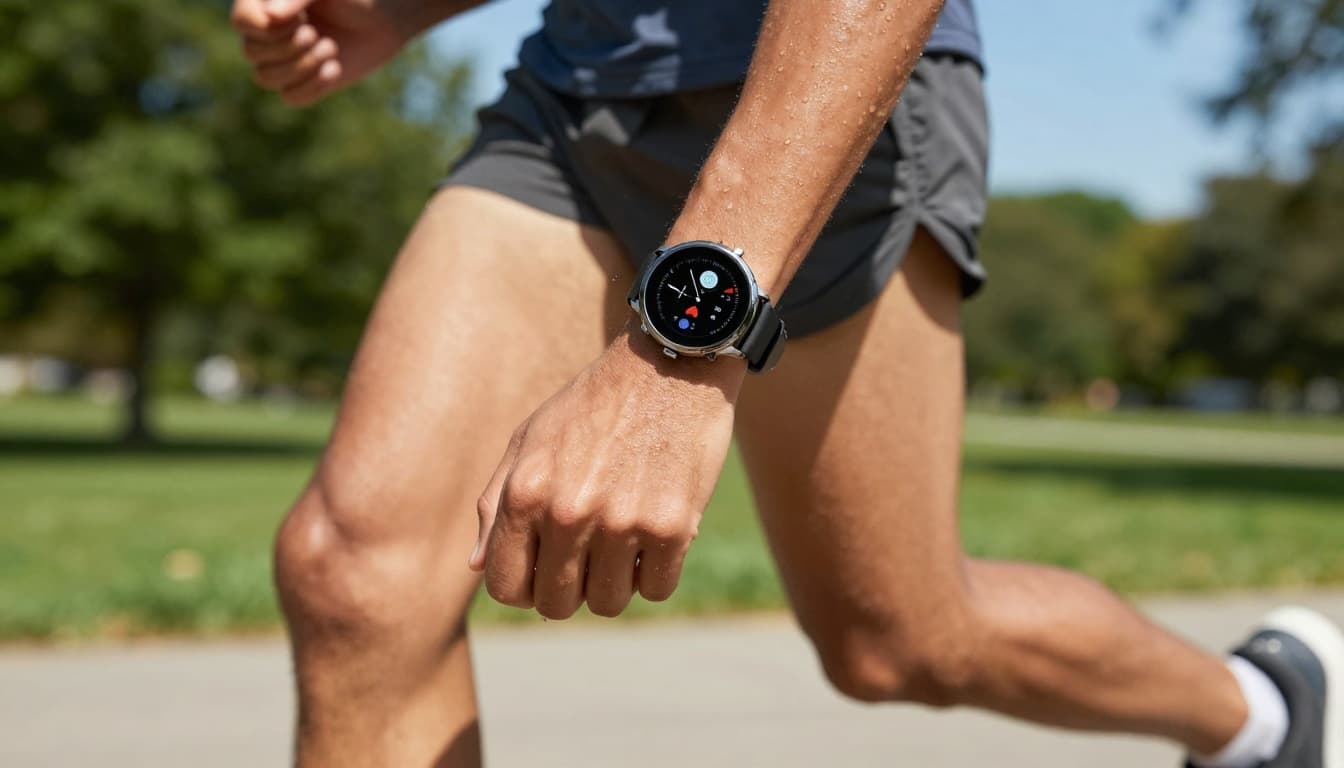 A runner using a Huawei smart watch to track a workout outdoors, created with AI.
Most Huawei smart watches cover the everyday essentials people use, even if they never touch advanced stats. The usual core features include heart rate tracking, sleep tracking, stress or recovery style metrics (names vary), step counts, and a wide set of workout modes.
For exercise, built-in GPS (on models that have it) is a big deal. It means you can record a run or walk without taking your phone, and still get route maps and pace.
Accuracy can be affected by basic stuff: Fit (snug but not tight), skin contact, movement during high-intensity sessions, and where you wear it on your wrist. If the watch slides about, your numbers can jump around.
It’s also worth keeping expectations grounded. A smartwatch is not a medical device. It’s best used for spotting trends and building habits, like keeping an eye on resting heart rate over time, or seeing how sleep changes after a late night.
How to choose the best Huawei smart watch for you
Start with three choices: how much fitness tracking you want, how “smart” you need it to be, and how often you’re willing to charge.
A simple way to narrow it down: Fitness-first (GPS, water resistance, training tools), everyday health (steps, sleep, heart rate), or phone companion (calls, rich notifications, extra apps). Huawei is often strongest in the first two.
Compatibility and apps: what works best on Android and on iPhone
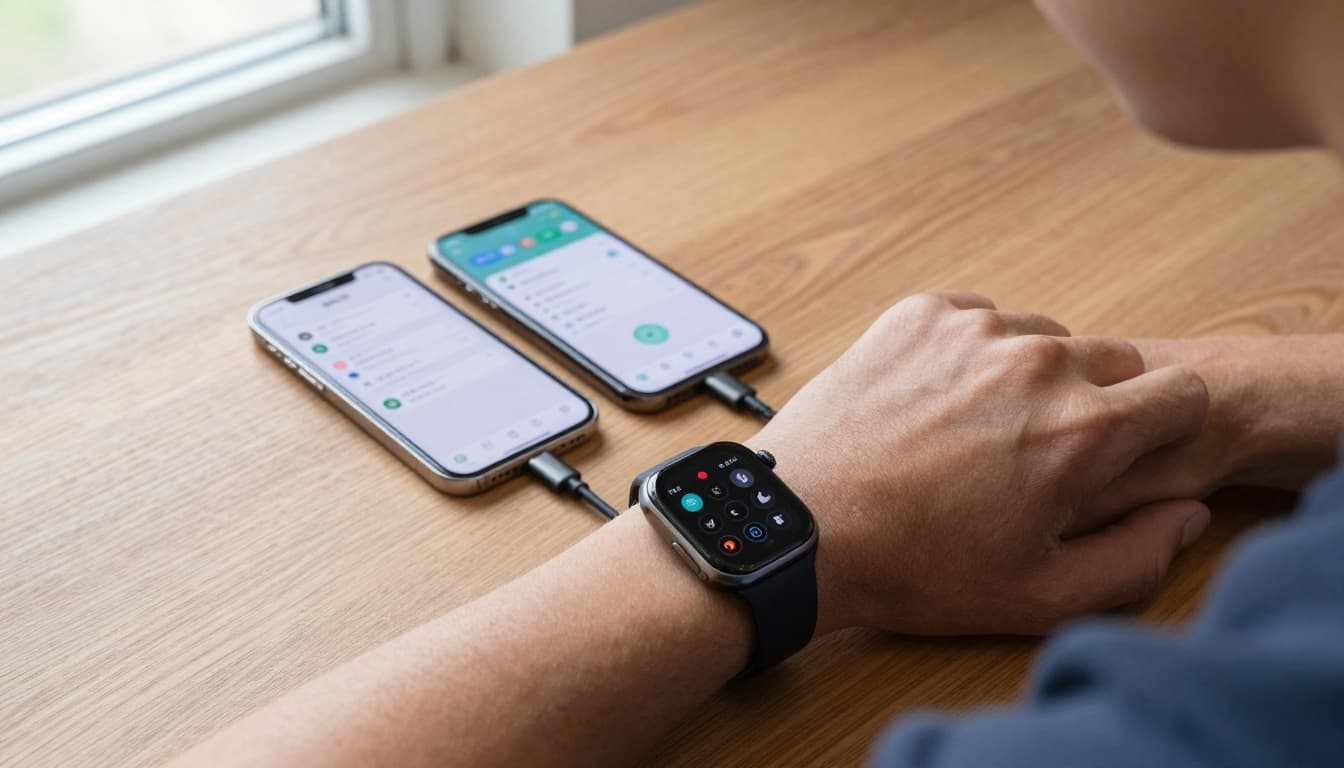 A Huawei smart watch syncing health and notifications with Android and iPhone, created with AI.
Huawei watches can work with Android and iPhone, but the experience can differ. Setup usually involves installing the companion app, pairing by Bluetooth, then approving permissions for notifications and health data.
On Android, you may get smoother control over notifications and certain features. On iPhone, you’ll often still get core tracking and alerts, but some interactive actions (like replying to messages) can be more limited, depending on the model and app support.
Before buying, ask yourself:
- What phone do I use, and will I keep it for a while?
- Do I need message replies from the watch, or are read-only notifications fine?
- Do I rely on specific apps, or is built-in fitness tracking enough?
- Do I need contactless payments on the watch, or do I always pay with phone or card?
- Do I want to run without my phone and still track pace and route?
Key specs that change the experience: GPS, water resistance, calls, and payments
A spec sheet can look impressive, but a few items change daily use more than most.
GPS: If you run, walk, cycle, or hike, built-in GPS is worth paying for. If you always carry your phone, you might not miss it (as long as phone-based tracking works well for you).
Water resistance: “Water resistant” isn’t one-size-fits-all. If you plan to swim, check the rating and the supported swim modes. Don’t assume every model is designed for pool sessions.
Calls: Some Huawei watches support Bluetooth calling, which is handy when your phone’s in a bag. Check if the model has a speaker and mic, and how clear calls are in noisy places.
Payments: Contactless payments aren’t universal across all Huawei models and regions. If this is a must-have, confirm it before you buy, rather than hoping it turns up after setup.
Huawei smart watch vs other popular smartwatches: which gives better value?
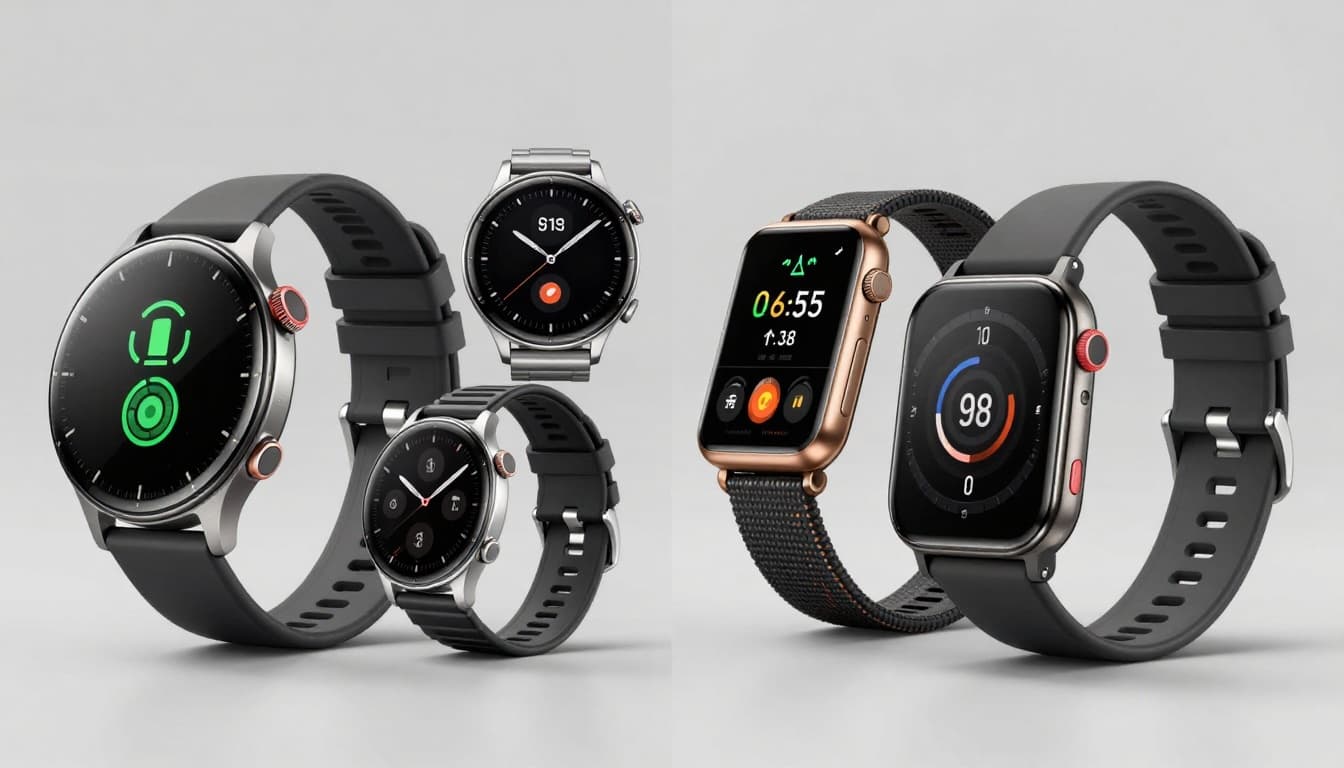 Different smartwatch styles shown side by side for a value comparison, created with AI.
When people compare Huawei with other popular smartwatch brands, it usually comes down to priorities. Some brands put the app ecosystem and phone features first. Huawei often puts battery and fitness features first.
Value is not just the price tag. It’s also how long you’ll happily wear it, and whether it fits your routine without annoying gaps.
Where Huawei usually wins: battery, fitness focus, and price for the hardware
Huawei is a strong pick if you want: Longer battery life, a bright screen, and fitness tracking that covers the basics well.
This tends to suit runners, walkers, gym-goers, and anyone who hates daily charging. It also works well for people who want a good-looking watch that does health tracking quietly in the background.
Where other brands can be stronger: apps, messaging, and seamless phone features
If you want lots of third-party apps, richer messaging actions, or deep phone integration, other brands can feel better day to day. The same goes for advanced voice assistants or features that are tightly linked to a specific phone ecosystem.
A simple rule: write down your top three needs. If they’re fitness, battery, and comfort, Huawei often fits. If they’re apps, messaging, and phone features, consider alternatives.
How to get the best deal and avoid common buying mistakes
Buying the right model matters more than shaving a tiny amount off the price. Most “bad deals” happen when someone pays for features they’ll never use, or misses one they rely on.
Smart price checks: older models, bundles, and timing without guesswork
Prices often vary by model age, case size, and colour. Older models can be excellent value if they still meet your needs for battery, tracking, and compatibility.
When comparing offers, check what’s included. Extra straps, a decent charger, or a longer warranty can shift the real cost. Refurbished can also be good value, but read the warranty terms and return policy carefully.
Quick pre purchase checklist: fit, features you will use, and setup time
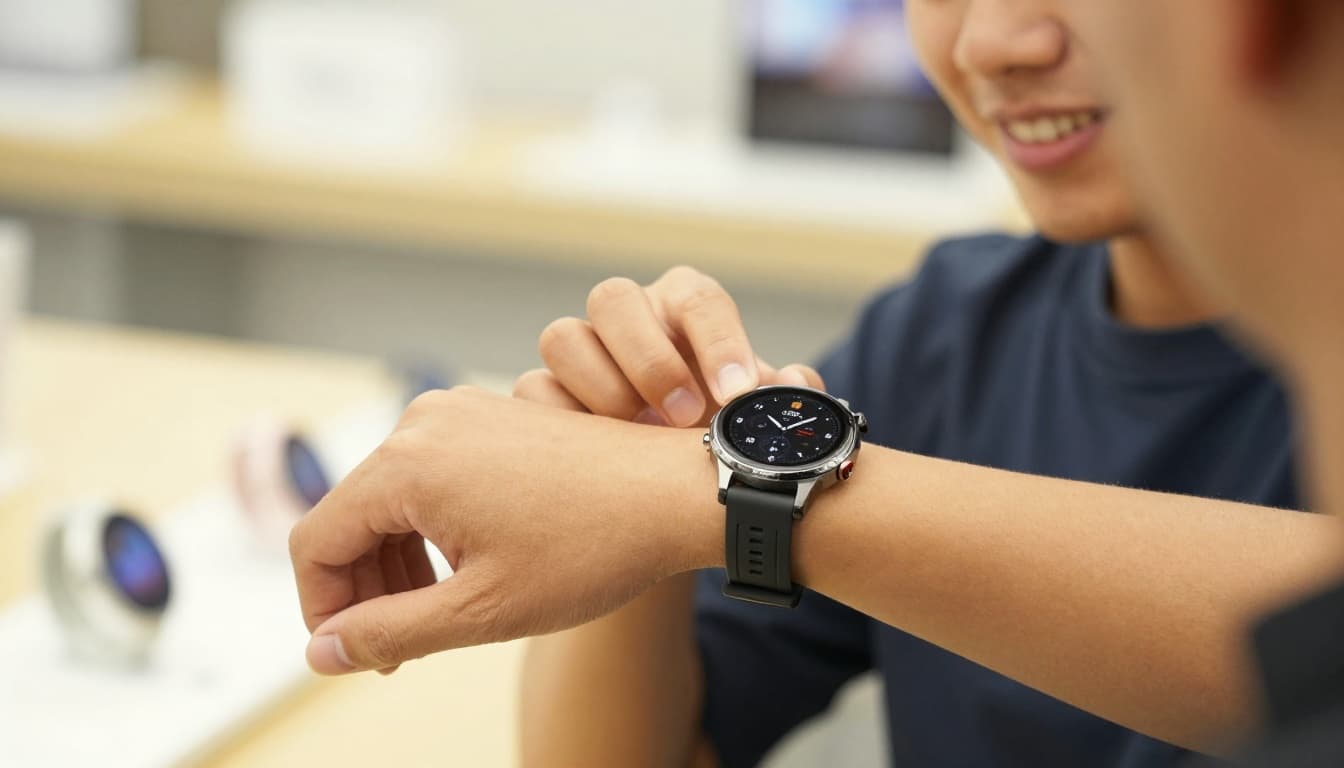 A shopper adjusting a Huawei smart watch strap to check comfort and sizing, created with AI.
Use this quick list before you commit:
- Wrist fit and case size feel comfortable for hours
- Strap type suits work, workouts, and skin sensitivity
- GPS included if you want phone-free runs
- Water rating matches showers, swims, or neither
- Calls supported if you want to answer from your wrist
- Payments supported if you need contactless on the watch
- Battery expectations match your weekly routine
- Phone compatibility is confirmed
- You’re happy to install the companion app, pair the watch, and run updates
Conclusion
A Huawei smart watch can be a great choice if you care about battery life, fitness tracking, and strong value for the hardware. The best model depends on your phone, plus the smart features you’ll actually use each day. List your must-haves, compare a few models side by side, then price-check with the right specs in mind. Once it fits your wrist and your routine, it’s far more likely to earn its place on your arm.
Explore More Buyers Guides and Reviews
For a list of our main buyers guides use the drop-down menu at the top of the page. Topics related to this article are:
Kitchen Appliances Buyers Guides
–
Explore Our Blog Categories for Expert Buying Advice
- AI Powered Product Finder Tools (25)
- Expert Buying Guides & Shopping Tips for UK Shoppers (1,370)
- Brands & Designer Products (Men, Women & Electronics) (273)
- Designer Fashion Brands: Buyer’s Guides & Reviews (153)
- Electronic Brands: Buyers Guides & Reviews (86)
- Apple Products Buyer’s Guides & Reviews (24)
- Brands – Phones, Laptops, PC”s, Tablets | Buyer’s Guides & Reviews (42)
- Electronics – Tablet & iPad Reviews and Buyers Guides (11)
- Kitchen Appliance Brands: Buyer’s Guides & Reviews (22)
- Laptop Brands & MacBooks Buyer’s Guides & Reviews (9)
- Phone Brands & iPhones Buyer’s Guides & Reviews (23)
- Car Buying & Financing Made Easy | Expert Guides for the UK (89)
- Clothing, Fashion & Accessories Buying Guides UK (455)
- Beauty, Health & Wellness | Perfume, Skincare, Makeup & Wellbeing Guides (166)
- Footwear: Trainers & Shoes Buyers Guides (46)
- Jewellery: Expert Reviews, Trends & Buying Guides (71)
- Men's Clothes — Buyers Guides & Reviews (38)
- Men’s Clothes, Fashion & Accessories Guides UK | Latest Trends & Smart Shopping (156)
- Women's Clothing Buyers Guides — Dresses, Tops & More (173)
- Women’s Clothes, Fashion & Accessories Guides UK | Latest Trends & Smart Shopping (396)
- Electronics, Tech & Gadgets: Reviews, Deals & Buying Guides UK (170)
- Furniture Buyer’s Guides | Home & Garden & Styling Tips (314)
- Bedroom Furniture Guides UK | Expert Tips & Best Value Deals (91)
- Garden Furniture, Landscaping & Garden Rooms Guides UK | Expert Tips & Best Value Deals (159)
- Garden Sofa & Sofa Sets Buyers Guides (11)
- Garden Tables & Chairs: Sets, Individual Tables & Seating Buyers Guides (43)
- Home Furniture, Décor & Interior Design Guides UK | Styling Tips & Inspiration (167)
- Living Room Furniture, Design & Décor Guides UK | Styling Tips & Inspiration (57)
- Sofa & Sofa Beds Buyers Guides (19)
- Sofa Beds Buyers Guides (7)
- Sofa Buyers Guides & Expert Advice (11)
- Holidays & Travel: Hotels, Villas & Flights (159)
- Home & Garden Improvements | Renovations & Outdoor Transformation Guides (99)
- Insurance & Protection: Travel, Landlord, Gadget & More UK (159)
- Gadget Insurance UK | Expert Guides, Reviews & Smart Protection Tips (33)
- Home Emergency Cover UK | Expert Guides, Reviews & Practical Protection Tips (21)
- Landlords Insurance UK | Expert Guides, Reviews & Smart Protection Tips (31)
- Travel Insurance UK | Expert Guides, Reviews & Money-Saving Tips (34)
- Pets: Guides, Tips & Inspiration (26)
- Brands & Designer Products (Men, Women & Electronics) (273)
- Gifts for Everyone: Ideas for Every Occasion & Budget (45)