Looking for the best desk? Discover desk types, ideal sizes, materials, storage options, and expert tips to choose the perfect desk for your space.
Introduction
A good desk makes everyday life easier—whether you’re working from home, studying, gaming, or just need a tidy place to manage bills and life admin. The right desk should fit your space, support good posture, and give you enough surface area (and storage) to stay organised.
This guide covers the main desk types, sizing rules, materials, storage features, and practical buying tips—so you can choose a desk you’ll actually enjoy using.
1) Desk Types (Which One Fits Your Lifestyle?)
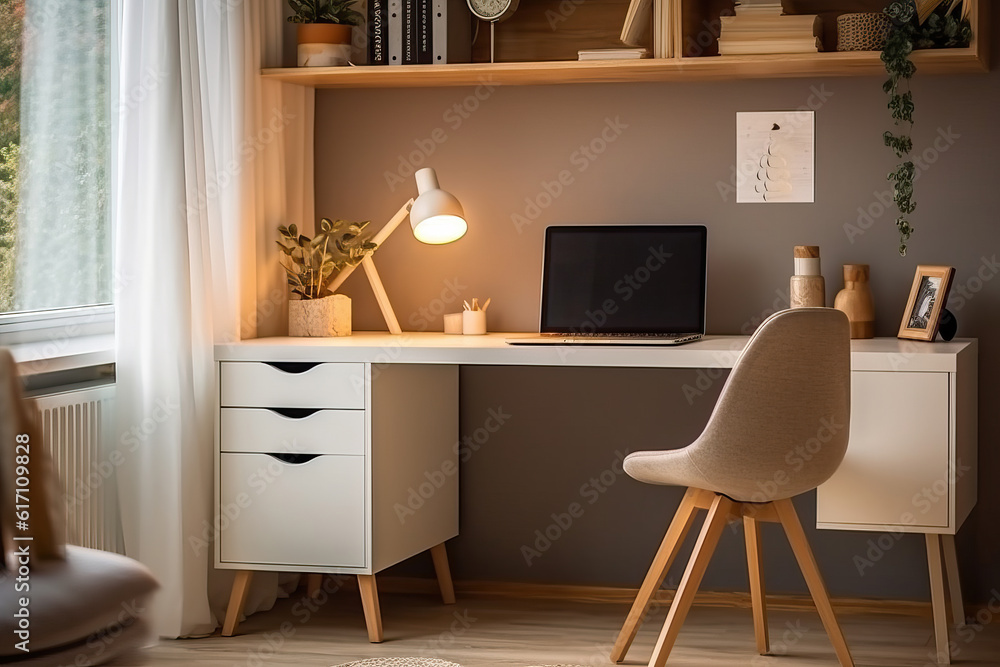
Writing Desk
Simple, flat surface with minimal storage.
Best for: laptops, light work, small spaces, minimalist rooms.
Computer Desk
Designed for monitors, keyboards, and cables.
Best for: desktop setups, home offices, students.
Standing Desk (Height-Adjustable)
Lets you switch between sitting and standing.
Best for: back/neck comfort, long workdays, productivity.
Corner Desk (L-Shaped)
Maximises space in corners and gives you more surface area.
Best for: home offices, dual monitors, multitasking.
Executive Desk
Large, often with drawers and a more “professional” look.
Best for: dedicated offices, lots of paperwork, statement furniture.
Compact Desk
Smaller footprint, sometimes foldable.
Best for: bedrooms, flats, occasional use.
Gaming Desk
Often includes cable management, headset hooks, and extra width.
Best for: PC/console gamers, multi-monitor setups.
2) Desk Size: The Measurements That Matter
Before you buy, measure your available space and think about what you’ll put on the desk.
Desk Width
- 80–100cm: small desk (laptop + notebook)
- 120–140cm: comfortable for most home office setups
- 160cm+: ideal for dual monitors, lots of space, or shared use
Desk Depth
- 50–60cm: fine for laptops and light work
- 70–80cm: better for monitors (more comfortable viewing distance)
Legroom
Make sure you have enough space underneath:
- Comfortable knee clearance
- No bulky drawers blocking your chair
- Space to stretch your legs
3) Ergonomics: Set Yourself Up Properly
A desk should support good posture, not cause aches.
Quick setup checklist:
- Forearms roughly parallel to the desk when typing
- Screen top at (or slightly below) eye level
- Feet flat on the floor (or footrest)
- Chair height adjusted so shoulders stay relaxed
If you work long hours, consider a height-adjustable desk or at least a desk that pairs well with an ergonomic chair.
4) Desk Materials (Pros and Cons)
Solid Wood
- Pros: durable, timeless, premium feel
- Cons: heavier and usually more expensive
MDF / Engineered Wood
- Pros: affordable, lots of finishes, widely available
- Cons: can chip; quality varies by brand
Metal Frame + Wood Top
- Pros: sturdy, modern, often good value
- Cons: can feel “industrial” depending on style
Glass
- Pros: sleek, makes small rooms feel lighter
- Cons: fingerprints, less cosy, not ideal for heavy daily use
5) Storage: Do You Need Drawers or a Clean Surface?
This depends on how you work.
If you like everything hidden:
- Desk with drawers
- Filing cabinet
- Built-in shelves/hutch
If you prefer a clean, minimal surface:
- Simple writing desk
- Add a small drawer unit or organiser tray
Tip: If you’re working from home, even one drawer for chargers, pens, and paperwork makes a big difference.
6) Cable Management (The Secret to a Tidy Desk)
If you use a laptop, monitor, printer, or lamp, cables get messy fast. Look for:
- Cable holes (grommets)
- Cable trays underneath
- Space behind the desk for extension leads
- Built-in power/USB (nice bonus)
7) Desks for Different Rooms
Home Office
- 120–160cm wide desk
- Comfortable chair space
- Storage for paperwork
- Good cable management
Bedroom Desk
- Compact desk (80–120cm)
- Slim depth to save space
- Consider a desk that doubles as a dressing table
Student Desk
- Enough surface for books + laptop
- Drawers/shelves for stationery
- Good lighting and comfortable chair
Small Flat / Multi-Use Space
- Foldable desk or wall-mounted desk
- Corner desk to maximise layout
- Minimal design to keep the room feeling open
FAQs
What size desk is best for working from home?
Most people find 120–140cm wide and 60–75cm deep a comfortable home office desk size.
Is a standing desk worth it?
If you work long hours, yes—being able to switch positions can help comfort and focus.
What’s better: desk with drawers or without?
Drawers are great if you hate clutter. If you like a clean look, choose a simple desk and add storage separately.
How much space should I leave for a desk chair?
Ideally leave at least 75–90cm behind the desk so you can sit comfortably and move your chair.
Conclusion
The best desk is the one that fits your space, supports your posture, and matches how you actually work or study. Start with measurements, choose a desk type that suits your routine, and don’t ignore storage and cable management—those two details make the biggest difference day-to-day.
Explore More Expert Buyers Guides & Money Saving Tips
For a list of our main buyers guides use the drop-down menu at the top of the page. Topics related to this article are:
Home and Garden Furniture Buyers Guides
Bedroom Furniture Buyers Guides
living Room Furniture Buyers Guides
Garden Furniture Buyers Guides
–
Explore Our Blog Categories for Expert Buying Advice
- AI Powered Product Finder Tools
- Apple Products Buyer’s Guides & Reviews
- Beauty, Health & Wellness | Perfume, Skincare, Makeup & Wellbeing Guides
- Bedroom Furniture Guides UK | Expert Tips & Best Value Deals
- Beds Buying Guides UK | Types, Tips & Best Deals
- Brands – Phones, Laptops, PC”s, Tablets | Buyer’s Guides & Reviews
- Brands & Designer Products (Men, Women & Electronics)
- Car Buying & Financing Made Easy | Expert Guides for the UK
- Car Rental Worldwide: Compare Prices & Top Deals for UK Travellers
- Christmas Essentials: Decorations & Gift Ideas
- Clothing, Fashion & Accessories Buying Guides UK
- Designer Fashion Brands: Buyer’s Guides & Reviews
- Diamond Jewellery Buyers Guides & Shopping Tips
- Electronic Brands: Buyers Guides & Reviews
- Electronics – Tablet & iPad Reviews and Buyers Guides
- Electronics, Tech & Gadgets: Reviews, Deals & Buying Guides UK
- Europe Holidays & Hotels: Top Destinations, Booking Guides & Local Attractions
- Expert Buying Guides & Shopping Tips for UK Shoppers
- Footwear Brands: Reviews & Buyer’s Guides
- Furniture Buyer’s Guides | Home & Garden & Styling Tips
- Gadget Insurance UK | Expert Guides, Reviews & Smart Protection Tips
- Garden Furniture UK: Expert Reviews, Deals & Buying Guides
- Garden Furniture, Landscaping & Garden Rooms Guides UK | Expert Tips & Best Value Deals
- Garden Rooms, Offices & Garden Buildings Guides UK | Expert Tips & Best Value Deals
- Gifts for Everyone: Ideas for Every Occasion & Budget
- Gold Jewellery Buyers' Guides & Shopping Tips
- Holidays & Travel: Hotels, Villas, UK Breaks & Skiing
- Home Décor, Interior Design & Styling Tips UK | Inspiration & Expert Advice
- Home Emergency Cover UK | Expert Guides, Reviews & Practical Protection Tips
- Home Furniture Guides UK | Expert Tips & Best Value Deals
- Home Furniture, Décor & Interior Design Guides UK | Styling Tips & Inspiration
- Insurance & Protection: Travel, Landlord, Gadget & More UK
- iPhone Buying Guides, Reviews & Comparisons for the UK
- iPhone Insurance UK | Expert Guides, Reviews & Smart Protection Tips
- Jewellery Rings Buyers' Guides & Shopping Tips
- Jewellery: Expert Reviews, Trends & Buying Guides
- Kitchen Appliance Brands: Buyer’s Guides & Reviews
- Kitchen Appliances UK: Buyers Guides, Reviews & Money Saving Tips
- Landlords Insurance UK | Expert Guides, Reviews & Smart Protection Tips
- Laptop Brands & MacBooks Buyer’s Guides & Reviews
- Laptop Brands: Buyer’s Guides & Reviews
- Living Room Furniture, Design & Décor Guides UK | Styling Tips & Inspiration
- Men’s Clothes, Fashion & Accessories Guides UK | Latest Trends & Smart Shopping
- Men’s Fragrance Brands: Perfume & Aftershave Reviews & Buyers Guides
- Perfume & Aftershave Brands: Reviews & Buyers Guides
- Perfume & Fragrance: Best Scents, Reviews & Buying Guides
- Pets: Guides, Tips & Inspiration
- Phone Brands & iPhones Buyer’s Guides & Reviews
- Phone Brands: Buyer’s Guides & Reviews
- Phone Insurance UK | Expert Guides, Reviews & Smart Protection Tips
- Sportswear Brands: Reviews & Buyers Guides
- Trainer Brands: Reviews & Buyer’s Guides
- Travel Insurance UK | Expert Guides, Reviews & Money-Saving Tips
- UK Holidays & Hotels: Best Destinations, Booking Guides & Local Attractions
- Women’s Clothes, Fashion & Accessories Guides UK | Latest Trends & Smart Shopping
- Women’s Designer Brands: Buyer’s Guides & Reviews
- Women’s Designer Shoe Brands: Buyer’s Guides & Reviews
- Women’s Dresses | Online Shopping Guides, Style Tips
- Women’s Perfume Brands: Reviews & Buyers Guides
Save Money and Shop Smarter – Join Our Free Newsletter!
Get expert buying advice, exclusive deals, and money-saving tips delivered straight to your inbox.