There is no single best perfume for women; the right choice depends on its scent, strength and price. Our recommendation is to prioritise wearability over a famous name, elaborate bottle or impressive discount.
A fragrance should smell appealing throughout its development and feel comfortable in the places you spend time. That makes scent families, concentration and performance more useful buying criteria than packaging alone.
For UK shoppers, buying online offers a wider selection and easier price comparisons, but sampling remains important when choosing something unfamiliar. Start with the smells you enjoy, then narrow your shortlist by routine and budget before comparing bottles, gift sets and editions.
Key Takeaways
- Choose a scent family you enjoy, then consider your routine, the weather and how noticeable you want your fragrance.
- Let perfume develop on your skin before judging it, because the opening spray doesn’t reveal its full character.
- Concentration influences richness and price, but Eau de Parfum and Parfum don’t guarantee better performance.
- Compare the exact edition, bottle size and cost per millilitre online; a larger bottle only offers value if you’ll enjoy using it.
Perfume for Women: Find a Scent That Suits Your Style
Start with a simple preference: crisp and clean, soft and floral, dry and woody, or warm and sweet. Identifying a fragrance family gives you a useful starting point for narrowing your shortlist, rather than relying on popularity rankings.
Although labels may distinguish perfume for women from men’s cologne, scent ingredients don’t belong to one gender. Choose what you enjoy wearing.
Match your fragrance to your routine
For everyday use, look for a scent you can comfortably wear repeatedly. Gentle floral fragrances, citrus and soft woods are sensible starting points, although intensity matters as much as family.
A scent may feel uplifting or calming to you. Choosing a favourite can provide a small mood boost, though these impressions aren’t guaranteed.
In shared workplaces, restrained projection makes sense because colleagues can’t easily step away from a strong fragrance. Apply lightly, particularly before travelling on crowded public transport.
Meanwhile, richer amber, spice or vanilla compositions may appeal for evening wear. You don’t need separate bottles for every occasion, but your application can change.
Let comfort guide seasonal choices
Fresh citrus and aquatic scents often feel appealing in warm weather. In colder months, woody or amber fragrances can offer the richness you want alongside heavier clothing.
These are starting points, rather than rules. A favourite floral can work throughout the seasons if its strength feels right.
Skin condition, body warmth and individual perception affect how a fragrance develops. Because of this, someone else’s signature scent may feel different on you.
For lasting appeal, favour a profile you enjoy repeatedly rather than a fashionable launch.

Understand Fragrance Notes and Scent Families
Notes describe the smells a perfume suggests. They don’t necessarily identify ingredients taken directly from the named flower, fruit or wood.
Families describe the overall character, which makes them helpful when comparing unfamiliar bottles.
Follow the opening, heart and dry-down
Top notes create the first impression. Citrus, green and aromatic effects often appear here, giving an opening its brightness or sharpness.
Heart notes, also called middle notes, give the fragrance much of its character. Rose, jasmine and spices are common examples, although compositions vary widely.
Base notes form the lasting dry-down. Woods, musk, vanilla and amber effects can remain after the brighter opening fades.
These stages overlap rather than switching at fixed intervals. A fresh first spray may gradually become powdery or sweet, so assess the scent again over several hours.
Recognise the main fragrance families
Fresh citrus scents suggest lemon, bergamot or orange peel. Aquatic fragrances suggest watery freshness rather than a particular fruit, and either may appeal when you want something airy.
Floral perfumes can feel delicate, green, creamy or powdery. A rose-centred scent differs considerably from a rich white-floral composition. A fruity-floral profile combines fruit impressions with accords such as rose or jasmine.
Woody fragrances offer dry cedar, smooth sandalwood or earthy effects. Oud is a resinous, deep-smelling option, though its character varies between perfumes. Spicy scents introduce warmth through notes such as ginger, cardamom or pepper.
Amber fragrances usually combine warm, resinous and often vanilla-like impressions. Gourmands suggest edible pleasures such as caramel, chocolate or sweet almond.
A vanilla note doesn’t automatically make a perfume sugary. Dry woods, citrus or spice can change its overall impression.
Most perfumes combine families, so use these descriptions to guide sampling rather than predict every detail.
Choose the Right Concentration and Lasting Power
Concentration describes the proportion of fragrance concentrate within the finished product. However, brands don’t follow one universal set of percentages, and stronger concentration doesn’t guarantee greater projection.
Compare Eau de Toilette, Eau de Parfum and Parfum
Use these tendencies as a starting point when comparing the same fragrance line.
| Concentration | Typical character | Buying consideration |
|---|---|---|
| Eau de Toilette | Often lighter and brighter | May suit a fresher everyday preference |
| Eau de Parfum | Often fuller or richer | May offer more depth, usually at a higher price |
| Parfum | Often dense and concentrated | Can feel rich while remaining close to the skin |
Treat these as clues, not performance promises. Different concentrations can also have different formulas and note balances.
As a result, an Eau de Parfum may smell sweeter or warmer than its Eau de Toilette counterpart. Buy the version you prefer, rather than automatically choosing the highest concentration.
Separate projection from longevity
Projection is how far a fragrance radiates around you. Longevity is how long it remains detectable, whilst sillage describes the scent trail left behind as you move.
A perfume can last well but stay close to the skin. Equally, a bold opening may soften considerably during wear.
Weather, skin condition, application and the formula all affect results. Heat can increase diffusion, whilst differences in skin moisture can change how a fragrance wears.
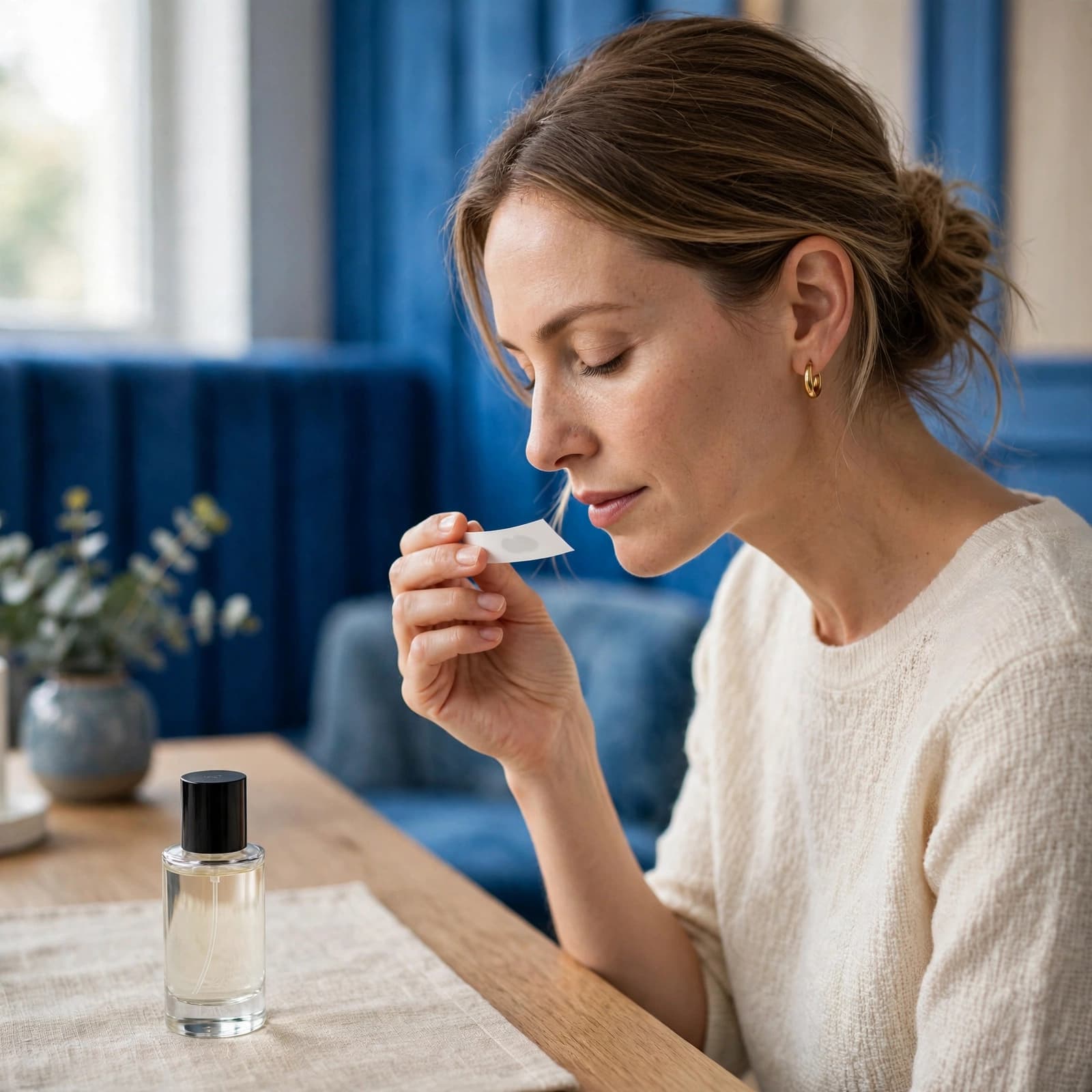
Test a small amount on clean skin and avoid layering several candidates in the same spot. Then assess it after the opening has settled and again later.
Also consider comfort: persistent sweetness or sharpness matters more than an impressive wear-time claim.
Compare Options, Check Value and Buy Online with Confidence
Online shopping makes perfume for women easier to compare by size, concentration and edition. Compare prices and formats to find an affordable option for your budget. A discount only matters when the listing matches the fragrance you want.
Sample the exact fragrance and read reviews critically
Chanel No. 5 is a reference point for aldehydic, often powdery florals. Jean Paul Gaultier Classique Eau de Toilette offers a contrasting direction, with orange blossom, ginger and vanilla.
Neither is a universal recommendation. Use them to distinguish preferences, then sample before committing.
A flanker is a variation within a fragrance line. Similar bottles can contain meaningfully different levels of sweetness, freshness or depth, so choose a variation for a reason.
For reviews, prioritise descriptions of the dry-down and application amount over star ratings. Another person’s experience can’t guarantee yours.
Compare the complete online offer
Read the full name, concentration and volume together. Then calculate cost per millilitre by dividing the price by the bottle’s volume.
Larger bottles often cost less per millilitre, but an unwanted surplus is poor value. Smaller bottles and samples reduce commitment, even when their unit price is higher.
Online listings can reveal more sizes, editions and gift sets than a single shop display. Include delivery charges, and assess whether accompanying lotions or miniatures are useful.
For a perfume gift, inspect packaging photographs for presentation boxes or tins. For everyday use, a secure cap and controlled spray are more useful than heavy decorative glass.
- The advantages include broader choice, easier unit-price comparisons and access to smaller formats.
- The drawbacks include no immediate skin test, confusingly similar editions and offers from unreliable sellers.
Choose an identifiable seller with clear contact details, product descriptions and returns terms. Familiar packaging or a batch code alone doesn’t prove authenticity.
Frequently Asked Questions
How can I make perfume last longer?
Apply perfume to clean skin after an unfragranced moisturiser has absorbed. Avoid rubbing the application area, and keep strongly scented body products separate if they distort the fragrance. Good storage also protects the formula, although application habits won’t make every perfume perform alike.
Should I spray perfume on clothes or skin?
Skin is useful for assessing how the scent develops through wear. Fabric can hold fragrance differently, but perfume may mark delicate materials or affect finishes. Follow garment care instructions and test a hidden area before spraying clothing; avoid jewellery and easily stained fabrics.
Is expensive perfume always better?
Price doesn’t prove that a fragrance will suit you or last longer. Packaging, distribution and brand positioning can contribute to the cost alongside the formula. Judge value by how much you enjoy wearing it and whether its performance suits your routine, rather than its prestige.
How should I store perfume at home?
Keep perfume in a cool, dry cupboard or drawer away from direct sunlight, radiators and other heat sources. A bathroom is less suitable because temperature and humidity fluctuate. Keep the bottle closed when you’re not using it, and retain the outer box if it helps block light.
Conclusion: Buy for the Scent You’ll Wear
Choosing perfume for women starts with a scent family you enjoy and occasions that reflect your routine. Test the fragrance on skin, allow the dry-down to develop, then compare the exact concentration and unit price.
Buy it if you enjoy the scent throughout its development, its strength feels comfortable and the price fits your budget. A smaller bottle can be the better purchase when you’re still deciding.
Skip it if the appeal rests mainly on packaging, popularity or a large discount. The strongest value comes from a fragrance you’ll reach for regularly.
