Buying a cat scratcher online in the UK? Compare cardboard, sisal, and carpet scratchers, the best shapes (posts, boards, trees), what size you need, and how to pick the right scratcher for your cat.
Introduction
A cat scratcher isn’t just a toy — it’s one of the most important items you can buy for your cat’s wellbeing and your furniture. Scratching helps cats stretch, mark territory, and keep claws healthy. The problem is that not every scratcher suits every cat, and when you’re shopping online it’s easy to buy one that’s too small, too flimsy, or the wrong texture.
This UK online shopping guide shows you the best types of cat scratchers, how to choose the right size and layout, and what to check before you order.
1) Start with your cat: how do they like to scratch?
Most cats have a clear preference. Watch what they scratch at home:
A) Vertical scratchers (upright scratching)
If your cat scratches:
- sofa arms
- chair legs
- door frames
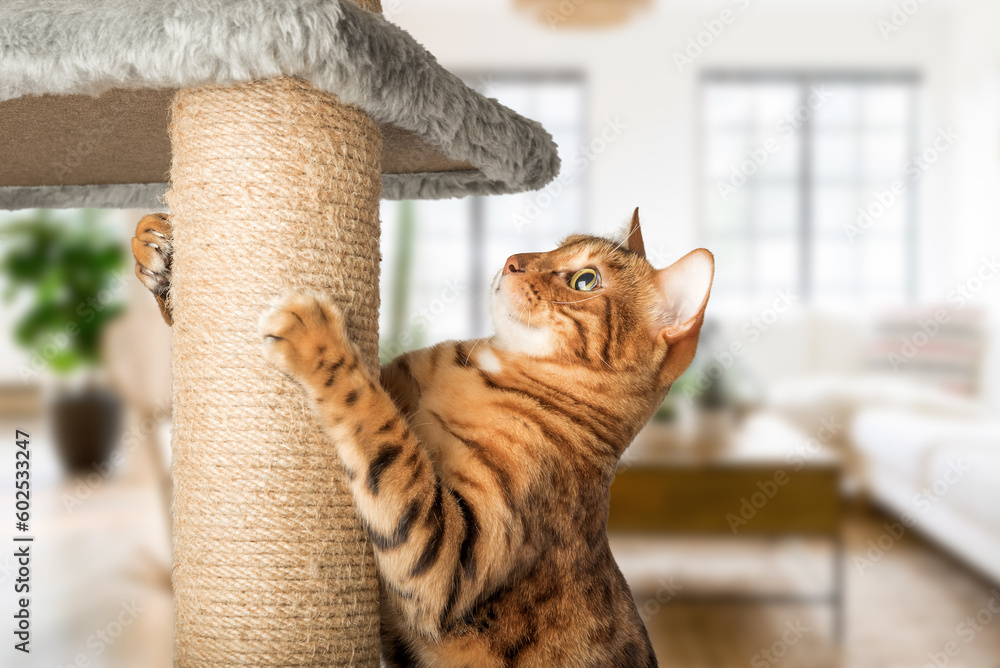
They’ll usually prefer a tall scratching post or a cat tree with a strong post.
B) Horizontal scratchers (floor scratching)
If your cat scratches:
- carpets
- rugs
- flat mats
They’ll usually prefer a flat scratcher board or cardboard scratcher lounger.
C) Angled scratchers (in-between)
If your cat scratches at an angle (like the side of a sofa), an angled scratcher ramp can be ideal.
Best tip: Many UK homes do well with two scratchers — one vertical and one horizontal — placed where the cat already tries to scratch.
2) Best cat scratcher types (and who they suit)
A) Sisal scratchers (best all-round for most cats)
Sisal rope or sisal fabric is one of the most popular materials because it’s durable and satisfying to scratch.
Best for:
- cats who scratch furniture
- cats that like a strong “pull” when scratching
Online tip: check reviews for “doesn’t shed too much” and “stays wrapped”.
B) Cardboard scratchers (best value and most cats love them)
Cardboard scratchers are cheap, easy to replace, and many cats go mad for them.
Best for:
- indoor cats
- cats who like horizontal scratching
- budget buyers
Compromise:
- they wear out faster
- cardboard bits can get messy (a mat underneath helps)
C) Carpet/fabric scratchers (only if your cat already likes carpet)
These can work, but there’s a risk: if your cat loves carpet scratchers, they may also think your carpet is fair game.
Best for:
- cats already obsessed with rugs/carpets
If you’re trying to stop carpet scratching, sisal or cardboard is usually safer.
D) Wooden scratchers (stylish, modern homes)
Some scratchers combine wood frames with sisal panels/cardboard inserts.
Best for:
- people who want a scratcher that looks good in the living room
- cats who like sturdy scratch surfaces
3) Choose the right shape: post, board, tower, or tree?
A) Scratching post (best for vertical scratchers)
Look for:
- tall height (so your cat can fully stretch)
- heavy base (stability matters more than anything)
B) Flat scratcher board or mat (best for horizontal scratchers)
Look for:
- enough length for your cat to stretch out
- non-slip base or grips underneath
C) Scratcher lounger (great for scratching + resting)
These are usually cardboard and double as a bed.
Best for:
- cats who like to lounge and scratch in the same spot
D) Cat tree with scratch posts (best multi-functional option)
If you want one product that does a lot, a cat tree can combine:
- scratching posts
- platforms
- hideaways
- sometimes toys
Compromise:
- takes up more space
- cheaper trees can wobble (read reviews carefully)
4) Size and stability: the biggest online buying mistake
A scratcher that moves or tips is the fastest way to make a cat ignore it.
What to look for (simple rules)
- Taller is better for posts (cats love a full stretch)
- Heavier base = more likely your cat will use it
- For large cats, choose “heavy duty” or “large breed” styles
If your cat is big (or energetic), avoid lightweight posts with tiny bases even if they’re cheap.
5) Where to place a cat scratcher (so your cat actually uses it)
Placement matters as much as the scratcher itself.
Best places:
- near the sofa (where scratching happens)
- near sleeping areas (cats often scratch after waking)
- near windows (cats like to scratch in “territory” spots)
If you’re trying to protect furniture, put the scratcher right next to the problem area at first, then move it slowly later if needed.
6) Multi-cat homes: what changes?
If you have more than one cat:
- you’ll usually need more than one scratcher
- spread them across rooms to reduce competition
- consider taller posts and larger boards to avoid “queueing”
7) Best multi-functional cat scratcher options (worth buying online)
If you want the best value and variety:
- Cat tree with multiple sisal posts (scratching + climbing)
- Sisal post + horizontal cardboard board combo
- Scratcher with built-in hideaway (good for nervous cats)
These give your cat more choice, which often means less furniture scratching.
8) What to check before buying a cat scratcher online (UK checklist)
Before you order, check:
- Height and base size (stability)
- Material (sisal vs cardboard vs carpet)
- Replaceable inserts (some cardboard scratchers allow refills)
- Weight (heavier usually = sturdier)
- Reviews mentioning “doesn’t wobble” and “cat actually uses it”
- Delivery size (cat trees can arrive in large boxes)
FAQs
What’s the best cat scratcher material?
For most cats, sisal and cardboard are the top choices. Sisal tends to last longer; cardboard is often cheaper and very popular with cats.
How many cat scratchers do I need?
A good starting point is one vertical and one horizontal scratcher, especially if your cat scratches both furniture and carpets.
How do I get my cat to use a scratcher?
Place it where they already scratch, make sure it’s stable, and try catnip (if your cat responds to it). Praise them when they use it.
Conclusion
The best cat scratcher is the one that matches how your cat naturally scratches: vertical posts for sofa scratchers, flat boards for carpet scratchers, and sturdy multi-functional trees for cats that love to climb. When buying online in the UK, prioritise stability, size, and the right material — because a scratcher that wobbles or feels wrong won’t get used.

Explore our Buyers Guides and reviews
For a list of our main buyers guides use the drop-down menu at the top of the page. Topics related to this article are:
Explore Our Blog Categories for Expert Buying Advice
- AI Powered Product Finder Tools (26)
- Expert Buying Guides & Shopping Tips for UK Shoppers (1,328)
- Brands & Designer Products (Men, Women & Electronics) (269)
- Designer Fashion Brands: Buyer’s Guides & Reviews (149)
- Electronic Brands: Buyers Guides & Reviews (85)
- Apple Products Buyer’s Guides & Reviews (23)
- Brands – Phones, Laptops, PC”s, Tablets | Buyer’s Guides & Reviews (41)
- Electronics – Tablet & iPad Reviews and Buyers Guides (11)
- Kitchen Appliance Brands: Buyer’s Guides & Reviews (22)
- Laptop Brands & MacBooks Buyer’s Guides & Reviews (9)
- Phone Brands & iPhones Buyer’s Guides & Reviews (22)
- Car Buying & Financing Made Easy | Expert Guides for the UK (89)
- Clothing, Fashion & Accessories Buying Guides UK (435)
- Beauty, Health & Wellness | Perfume, Skincare, Makeup & Wellbeing Guides (157)
- Footwear: Trainers & Shoes Buyers Guides (46)
- Jewellery: Expert Reviews, Trends & Buying Guides (70)
- Men's Clothes — Buyers Guides & Reviews (38)
- Men’s Clothes, Fashion & Accessories Guides UK | Latest Trends & Smart Shopping (148)
- Women's Clothing Buyers Guides — Dresses, Tops & More (166)
- Women’s Clothes, Fashion & Accessories Guides UK | Latest Trends & Smart Shopping (379)
- Electronics, Tech & Gadgets: Reviews, Deals & Buying Guides UK (168)
- Furniture Buyer’s Guides | Home & Garden & Styling Tips (304)
- Bedroom Furniture Guides UK | Expert Tips & Best Value Deals (91)
- Garden Furniture, Landscaping & Garden Rooms Guides UK | Expert Tips & Best Value Deals (151)
- Garden Sofa & Sofa Sets Buyers Guides (10)
- Garden Tables & Chairs: Sets, Individual Tables & Seating Buyers Guides (34)
- Home Furniture, Décor & Interior Design Guides UK | Styling Tips & Inspiration (165)
- Living Room Furniture, Design & Décor Guides UK | Styling Tips & Inspiration (56)
- Sofa & Sofa Beds Buyers Guides (18)
- Sofa Beds Buyers Guides (7)
- Sofa Buyers Guides & Expert Advice (10)
- Holidays & Travel: Hotels, Villas & Flights (157)
- Home & Garden Improvements | Renovations & Outdoor Transformation Guides (97)
- Insurance & Protection: Travel, Landlord, Gadget & More UK (159)
- Gadget Insurance UK | Expert Guides, Reviews & Smart Protection Tips (33)
- Home Emergency Cover UK | Expert Guides, Reviews & Practical Protection Tips (21)
- Landlords Insurance UK | Expert Guides, Reviews & Smart Protection Tips (31)
- Travel Insurance UK | Expert Guides, Reviews & Money-Saving Tips (34)
- Pets: Guides, Tips & Inspiration (26)
- Brands & Designer Products (Men, Women & Electronics) (269)
- Gifts for Everyone: Ideas for Every Occasion & Budget (40)