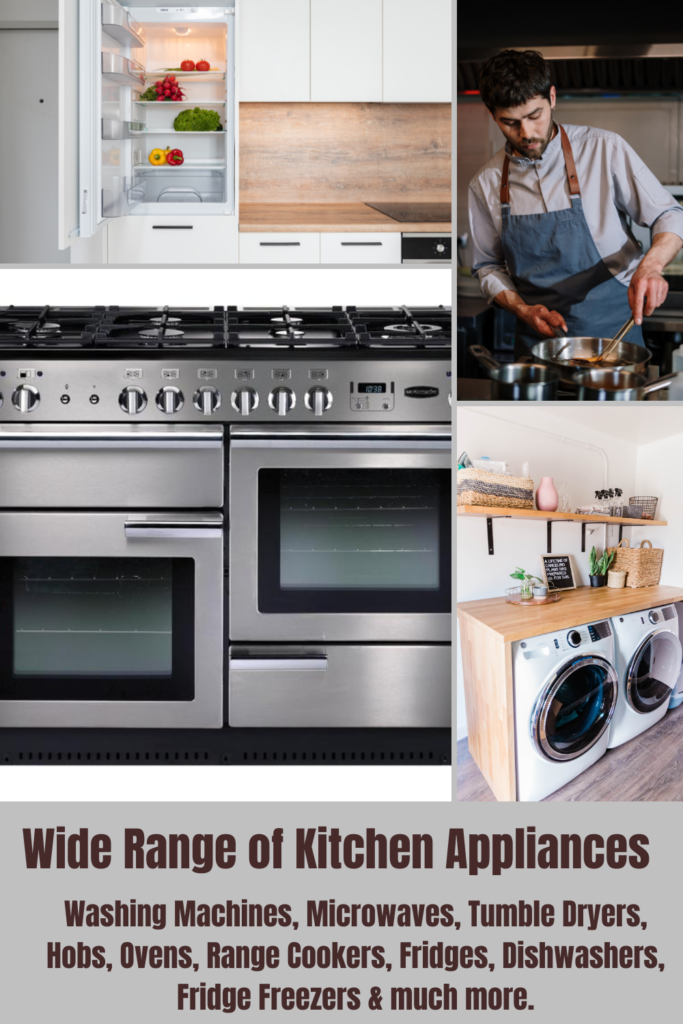
A Samsung washer dryer is worth shortlisting when its capacity, running costs and useful features justify the price for your household. Prioritise those basics over matching finishes or smart controls.
Samsung offers separate washing machines and tumble dryers, coordinated pairs, and combined washer-dryers. Features and results vary by model, so the badge alone won’t tell you how well an appliance cleans or dries.
Start with the appliance type that fits your space, then compare capacity, energy use, reliability information and total cost.
Key Takeaways
- Separate appliances let you wash and dry simultaneously, while a combined washer-dryer saves floor space.
- Compare exact model specifications because connected controls, automatic programmes and hygiene features aren’t standard throughout the range.
- Heat-pump dryers often reduce electricity use, although purchase prices and programme lengths can be higher.
- Allow room for hoses, door opening and installation access, beyond the cabinet dimensions.
- Judge value through running costs, warranty coverage, repair support and recurring owner feedback.
Samsung Washer and Dryer: what the range offers
Samsung’s UK laundry range includes front-loading washing machines, tumble dryers and combined washer-dryers. Selected models feature Ecobubble washing, automatic detergent dosing and SmartThings connectivity. Availability depends on the appliance.
Dark doors and coordinated finishes give many models a consistent appearance. However, matching styling doesn’t establish stacking compatibility or equal performance.
Separate machines or a washer-dryer?
Separate appliances suit households that regularly process several loads. You can start another wash whilst the dryer handles the previous load, and a standalone dryer may offer greater drying capacity.
A Samsung washer dryer combo occupies one appliance space and avoids transferring clothes between machines. The compromise is throughput: one drum must finish washing before drying begins, and complete programmes can take several hours.
Its maximum wash and drying loads usually differ. A full washing load may need splitting before drying, unless you load within the combined programme’s limit initially.
Which Samsung features are worth comparing?
Automatic dosing can reduce repeated measuring, whilst automatic cycle options adjust settings using the inputs or sensors available on that model. These extras may increase the purchase price.
Ecobubble washing is available on selected models, and performance depends on the model and programme. Selected models may also include AI Energy features. Check the exact specification and compatibility before buying. A Series 5 label identifies a range, but it doesn’t mean every model shares the same features.
Selected steam or hygiene programmes target particular cleaning needs. Their load limits and fabric restrictions still apply. Drum-cleaning programmes help maintain the machine but don’t replace cleaning the seal and detergent drawer.
Sensor Drying adjusts operation according to detected moisture. It can reduce unnecessary drying, although mixed fabrics may finish unevenly.
App alerts are useful when the machine sits out of earshot. However, premium controls offer limited value if you consistently use one straightforward programme.
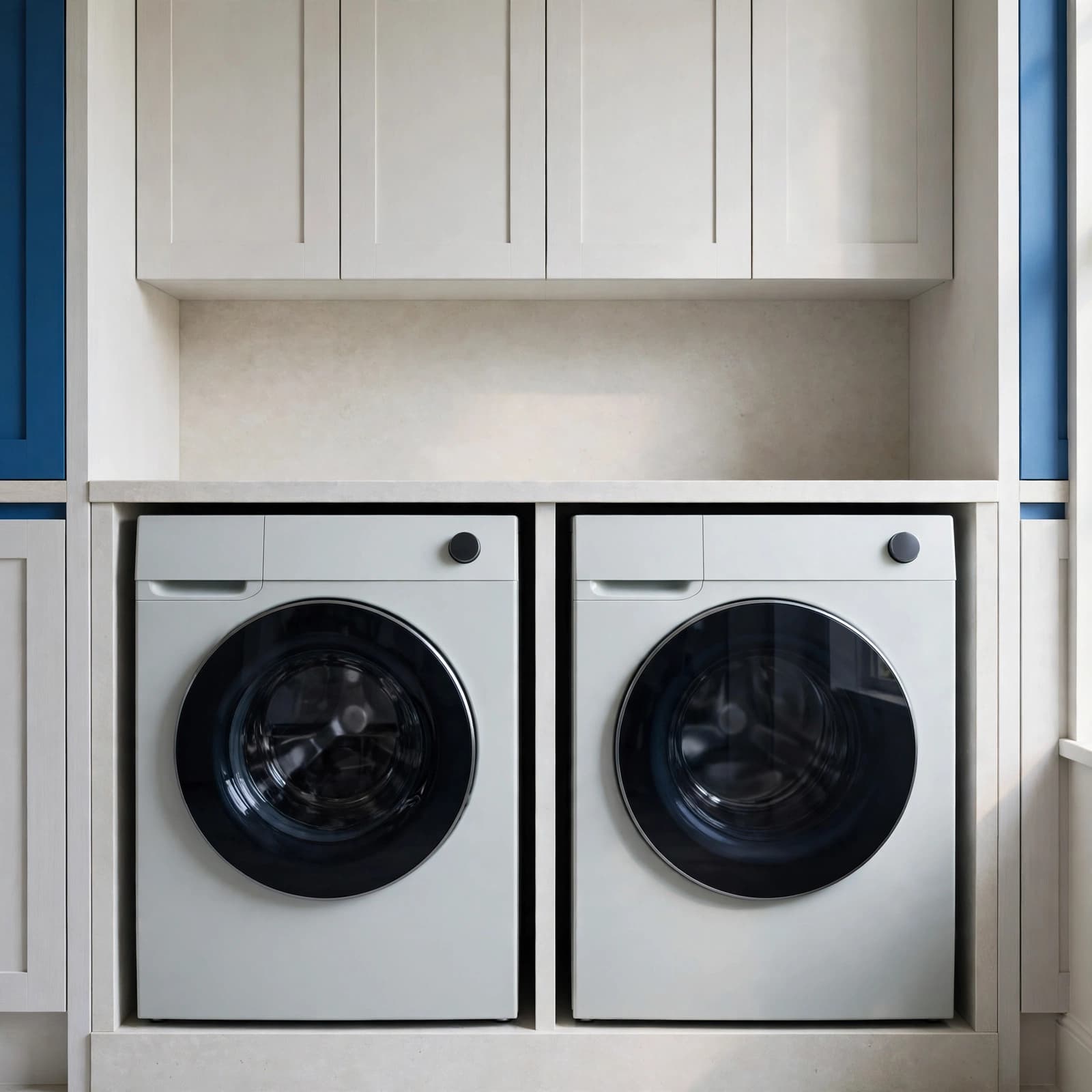
How Samsung laundry appliances perform in everyday use
Assess each model through independent reviews, specifications and repeated owner experiences. For washing, check stain removal, rinsing and spin extraction, including Ecobubble performance on the exact model. For drying, look for consistent results without overdrying.
Noise needs context. A washing machine’s spin-noise figure doesn’t describe an entire programme, whilst poor levelling can worsen vibration. Check the 1400rpm spin speed alongside extraction performance and noise. There’s no sound basis for assuming every Samsung model is quieter or more reliable than equivalent rivals.
Capacity, programmes and ease of use
An 8 or 9 kg washing machine is a useful starting point for many households. However, laundry frequency and bulky bedding matter more than headcount alone. Some washer-dryers list capacities such as 11kg/6kg or 9kg/6kg; drying capacity is lower than washing capacity, and specifications vary by model.
The advertised kilogram rating refers to dry laundry and doesn’t apply to every programme. Quick washes often accept smaller loads; delicate cycles need room for gentler movement.
Compare quick, bedding, delicate and low-temperature programmes alongside their durations. Treat the displayed estimated time as a guide, since cycle length can change with the load. A short wash won’t necessarily handle a full drum of heavily soiled clothing.
Clear controls matter daily. Review descriptions of display readability, door access and button response. For build quality, recurring reports about hinges, seals and drawer operation are more useful than polished product photographs.
Energy use, water and drying costs
Compare the energy label and consumption figures for the exact appliance. Washing-machine labels state electricity use per 100 cycles for the labelled programme, alongside water consumption and other information. Check whether the model supports AI Energy and which functions it includes.
Actual bills depend on programme choice and frequency. Washer-dryer labels distinguish washing performance from complete washing-and-drying performance, so compare the activity you’ll use.
Heat-pump dryers recycle heat and often use less electricity than a condenser dryer, though running costs vary by model. They can cost more upfront and sometimes run longer. Check how easy the lint filter is to access and clean.
For a Samsung washer and dryer pair, assess both appliances’ consumption separately.
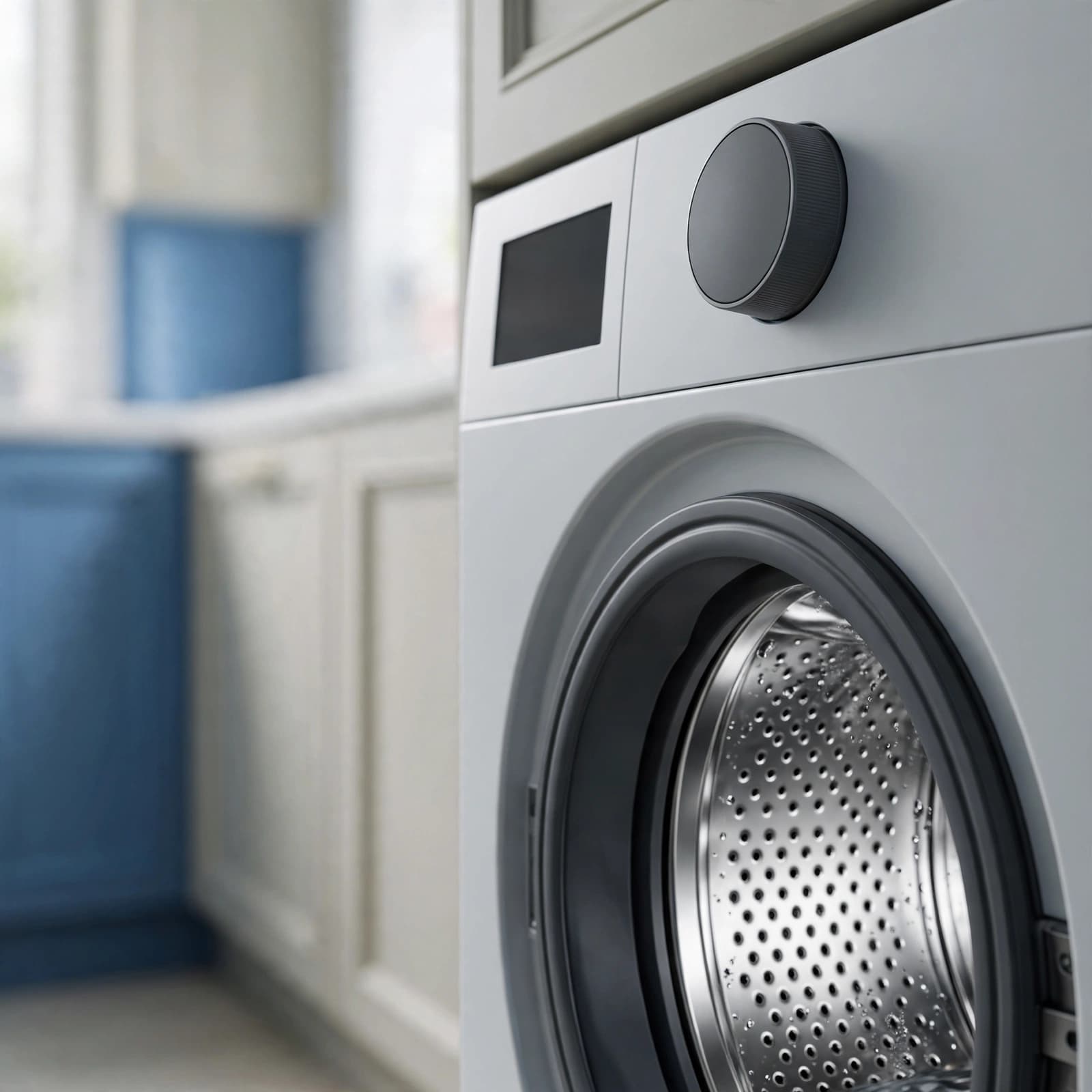
How to choose the right Samsung washer and dryer for your space
Start with appliance type, available space and workload. Then compare shortlisted Samsung ranges, such as Series 5, with equivalent LG or Bosch appliances by exact capacity, features, energy use and support.
Neither brand is a universal winner. A cheaper machine can offer better value when its controls, programmes and running costs suit your routine. Equally, paying more for lower drying consumption can make sense with frequent use.
Check dimensions, doors and installation needs
Measure width, height and depth, then account for hoses, protruding doors and the clearances in the installation instructions. Cabinet depth alone doesn’t describe the total installed footprint.
Also measure the delivery route. Tight corners, narrow doorways and stairs can prevent an otherwise suitable appliance reaching its position.
Washing machines need appropriate water, drainage and electrical connections. Dryers need the ventilation, drainage or water-container arrangements specified for their type. Access must remain practical for cleaning and maintenance.
For stacking, use a compatible arrangement and suitable stacking kit, with the dryer above the washer. Similar dimensions don’t prove compatibility. Include fitting, old-appliance removal and access restrictions in the purchase decision.
Balance price, warranty and long-term value
Compare like-for-like specifications before judging a discount. A larger drum or extra automatic functions can explain a price difference without improving value for your household.
Read warranty coverage carefully. Motor-only cover isn’t equivalent to a whole-appliance warranty; parts, labour and registration conditions can differ.
Repair access also matters. Owner feedback about appointment delays or repeat faults adds context, although individual complaints don’t establish a brand-wide failure rate.
Consider finish longevity too. A colour premium earns little if the machines will sit behind a utility-room door.
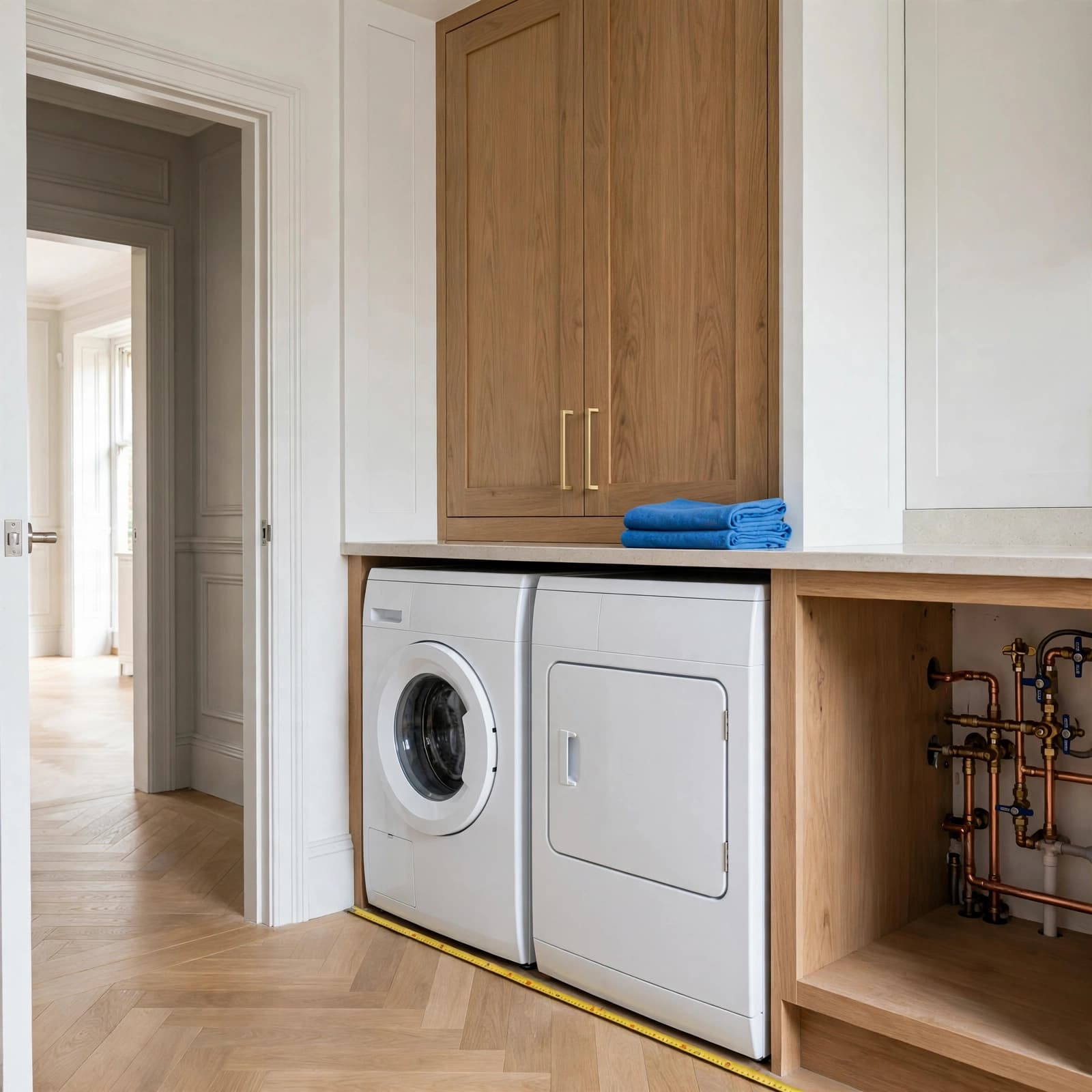
The honest pros, cons and best way to buy online
Shopping online gives you a broader selection than a single showroom and makes specification comparisons easier. It also lets you compare competing offers without travelling between shops.
However, the lowest headline price may exclude delivery, installation, a stacking kit or appliance removal. Compare the total delivered cost for the exact model code, including its suffix, rather than a similar-looking product title.
A coordinated Samsung washer and dryer bundle deserves the same scrutiny as two individual purchases.
What Samsung buyers may appreciate
- The range includes separate machines and combined washer-dryers, so buyers can choose around available space and laundry habits.
- Selected models offer dosing, connected controls and automatic programmes that can reduce repetitive adjustments.
- Coordinated styling can produce a tidy laundry area, provided each appliance also meets the household’s practical requirements.
These are range-level strengths. Independent reviews and owner feedback remain important because similarly styled models can differ substantially in operation.
What to check before placing an order
- Advanced features can raise the price without improving your usual wash or drying routine.
- Combined machines may restrict drying loads, whilst longer programmes can limit how much laundry you finish daily.
- App requirements, noise complaints, repair availability and installation extras deserve attention before payment.
Save the specification and order details. Read recent reviews for repeated issues, rather than treating one star rating as a reliability measure.
Check delivery access and included services, installation requirements and ongoing maintenance, such as cleaning the dryer’s lint filter. Also read cancellation, return and warranty terms, including potential collection charges and conditions after installation.
Frequently Asked Questions
Is a Samsung washer-dryer as good as two separate appliances?
A combined machine suits limited space and smaller drying workloads. Separate appliances usually offer better throughput for frequent laundry because both can operate simultaneously. If a combined unit needs repair, you lose access to both functions until it’s fixed.
Do Samsung washing machines work with a phone app?
Selected models connect to Samsung’s SmartThings app, but available functions differ. Depending on the appliance, these can include notifications, programme guidance, an estimated time or remote operation. Wi-Fi and an account may be required, and remote starting can involve enabling a setting on the machine first.
How do I know what capacity I need?
Base the choice on your normal load size, washing frequency and bulky items, rather than household size alone. A larger drum helps only when you can use it appropriately. Capacity labels may show formats such as 11kg/6kg or 9kg/6kg, but check the exact model specification. For continuous wash-and-dry loads, the lower drying limit determines how much you can process.
Should I buy a matching Samsung washer and dryer?
Matching is optional unless coordinated styling matters to you. Different-brand appliances can work perfectly well side by side, provided each fits its position and connections. For a stacked installation, compatibility takes priority over appearance, and a matching finish alone doesn’t make a pair suitable.
Final verdict: buy for your laundry routine
Samsung is worth considering when a particular model meets your space, capacity and budget requirements. The strongest purchase is the appliance whose useful features justify its total ownership cost.
Buy it if the specified programmes and drying performance suit your routine, with acceptable running costs and warranty coverage. Choose a matching pair when both machines earn their place individually.
Skip it if an equivalent alternative offers better value or stronger reliability and service evidence. Compare exact specifications, total costs and independent user feedback before ordering.