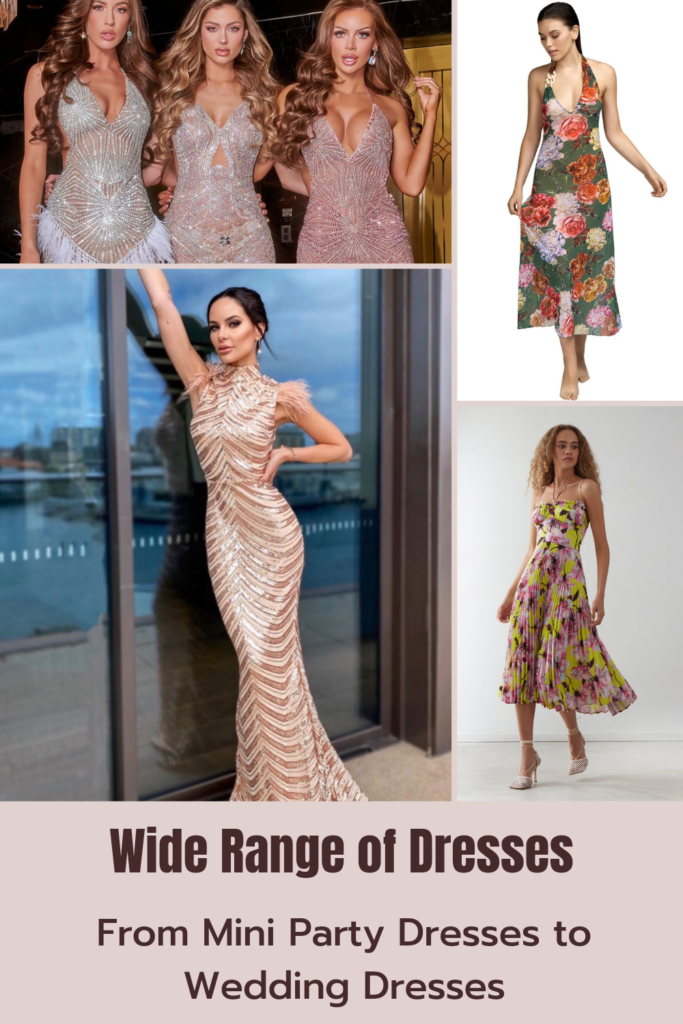
A princess dress is worth buying when its fit, comfort and finish suit the occasion and your budget. For a party, wedding, prom, Fancy Dress event or dress-up play, wearability matters as much as the first impression.
The right choice balances the wearer’s age and preferences with fabric, skirt volume and practical details. Our buying guide focuses on those differences, rather than ranking products or treating every sparkling dress as equally suitable.
Start by separating everyday dress-up designs from occasionwear made for longer celebrations.
Key Takeaways
- Match the dress to the occasion, distinguishing play costumes, party styles and formal gowns before comparing prices.
- Prioritise comfortable lining, secure fastenings and enough room to sit, walk and dance without constant adjustments.
- Use measurements and the garment’s size chart because UK sizing varies between makers and cuts.
- Assess seams, trims and care requirements alongside appearance, especially if you want repeat wear.
- Online shopping offers wider choice and easier price comparison, but delivery, returns and alterations affect total value.
What Makes a Princess Dress, and Which Style Suits the Occasion?
A themed Princess Costume creates a storybook or regal look, often with a decorative bodice and a voluminous skirt. A Costume Dress may use tulle, satin, lace or shimmer, but none is compulsory.
The category includes children’s costumes and adult occasionwear. Children’s options range from a Child Costume to a Girls Princess Costume, while adult styles include occasionwear for parties and formal events.
Pink, glitter and heavy embellishment are optional. Character-inspired designs may draw on Disney Princess stories such as Cinderella, Rapunzel, Belle, Snow White or Sleeping Beauty, but each style has its own details.
Compare dress-up, party and formal designs
Costume designs for play prioritise recognisable themes and easy changes. For Dress Up, look for lightweight fabrics, printed decoration and simple fastenings.
A Dress-Up Set may include accessories, or you can buy a Dress and Tiara combination. A Tiara or Princess Crown can complete the look, while a Medieval Princess or Fairy Princess theme says nothing about fit or quality.
Birthday-party dresses often add better lining or fuller skirts. Formal styles for proms and evening events may include structured bodices, concealed zips and more substantial underskirts.
Match that construction to the event. A large skirt makes an entrance, but takes more managing around chairs and crowded rooms. For repeated use, reliable fastenings matter more than extra sparkle.
Choose a silhouette and colour that feel like you
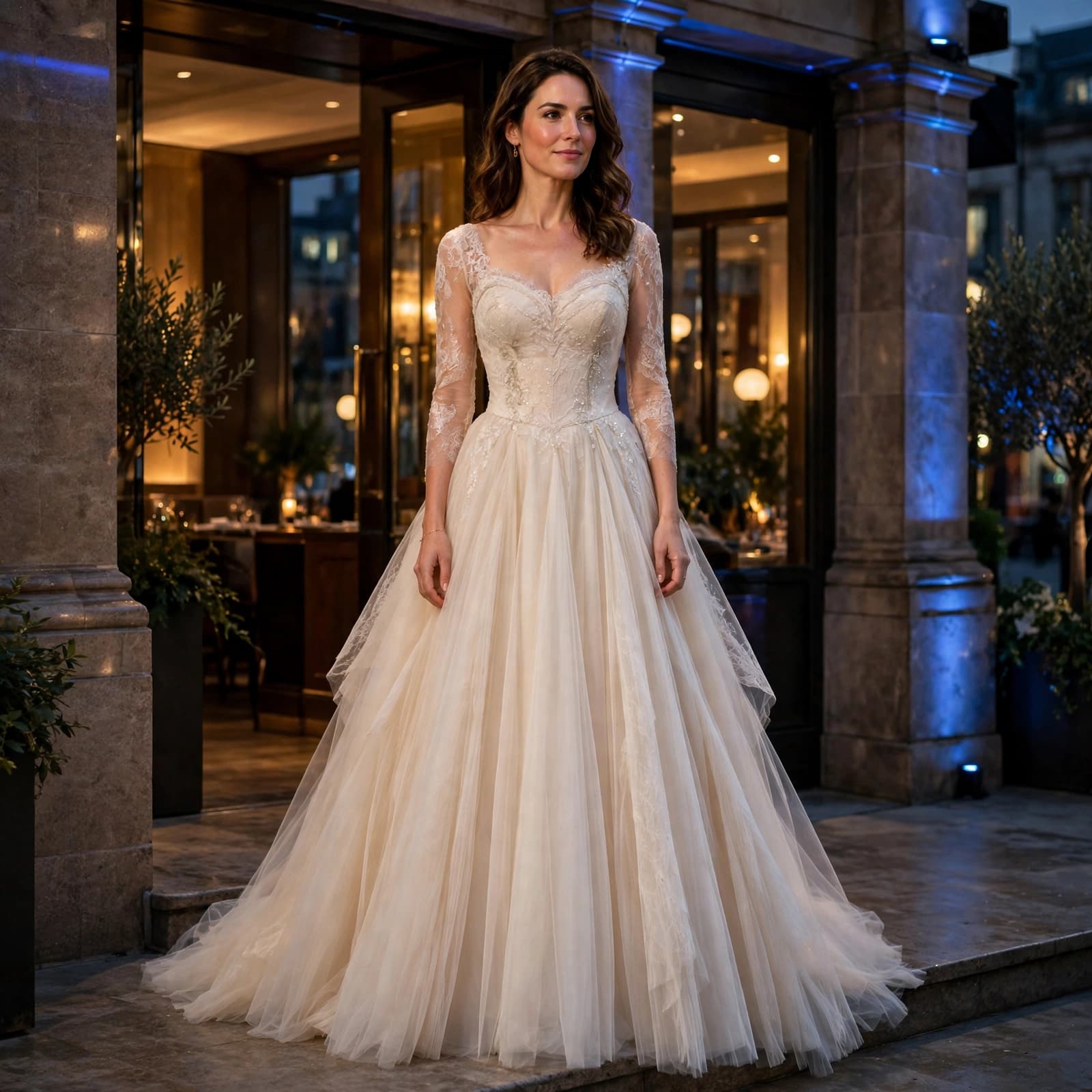
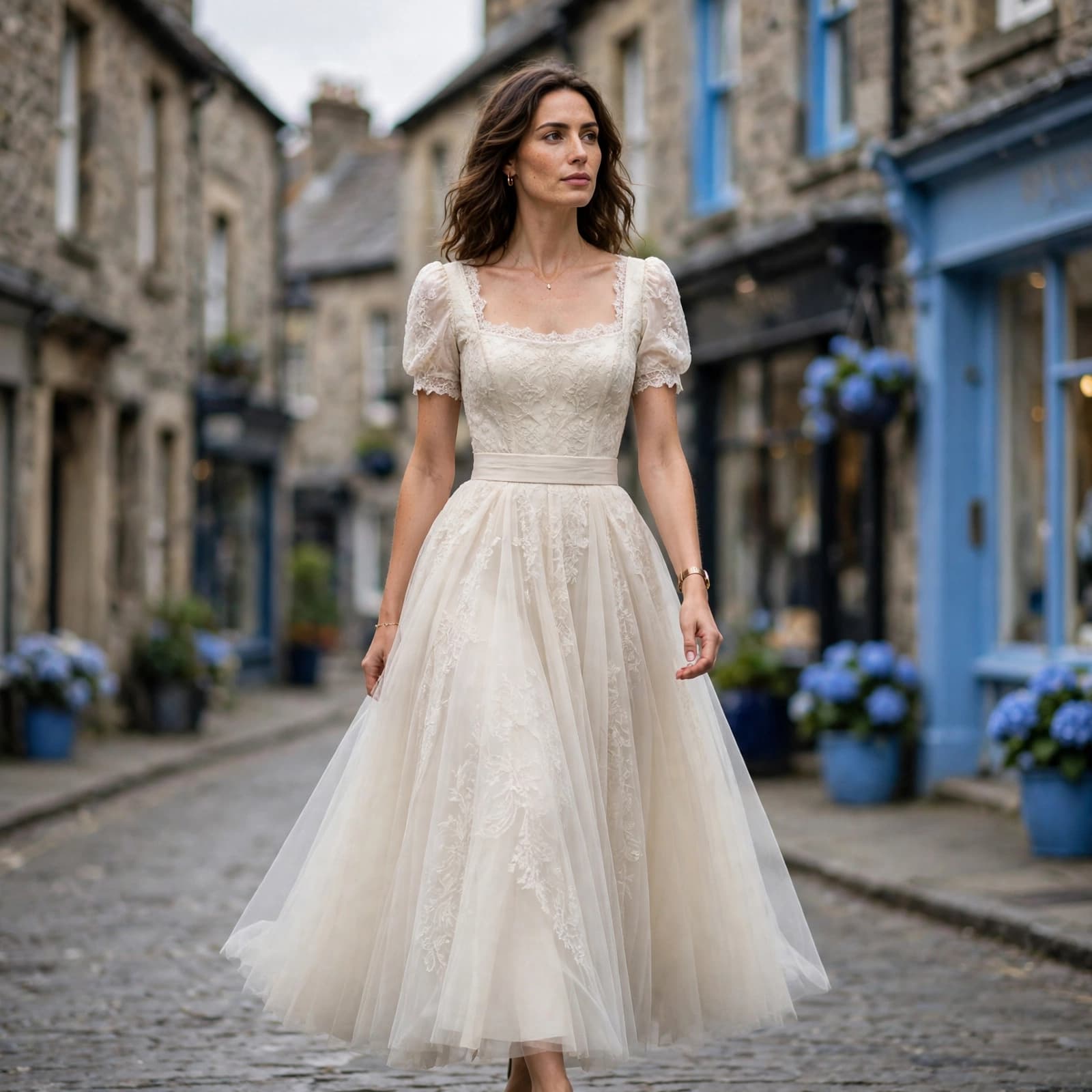
An A-line dress widens gradually below the bodice and offers volume without the bulk of a ballgown. A fuller ballgown creates a stronger formal shape, whilst shorter party dresses leave more freedom around the legs.
A flowing maxi gives a softer effect, although length alone doesn’t create a princess silhouette. Look at how the bodice and skirt work together.
Pastels suit a delicate look; emerald, sapphire and burgundy offer richer colour. Black, cream and other neutrals work too. Choose colours you enjoy rather than following rigid complexion or body-shape rules.
How to Choose a Princess Dress for the Wearer and Event
Narrow your search by what the wearer will do, not simply how the dress photographs. A lighter daytime design and a structured evening gown meet different practical needs. An Adult Costume for a themed event still needs suitable coverage and room to move.
Check the dress code, season and how long it will be worn
For daytime celebrations, lighter skirts and modest embellishment often feel easier to wear. A more structured Medieval Princess look may suit a formal evening, but a long dinner still calls for a comfortable waist and bodice.
Read the invitation’s dress code and consider the venue. A sweeping hem can collect dirt outdoors, whilst heavy layers may feel uncomfortable in a warm function room.
For cooler weather, plan a cardigan, jacket or warm layer that fits over the sleeves. Try the outfit together: decorative shoulders and puff sleeves can make a close-fitting jacket awkward.
Think about movement, coverage and personal style
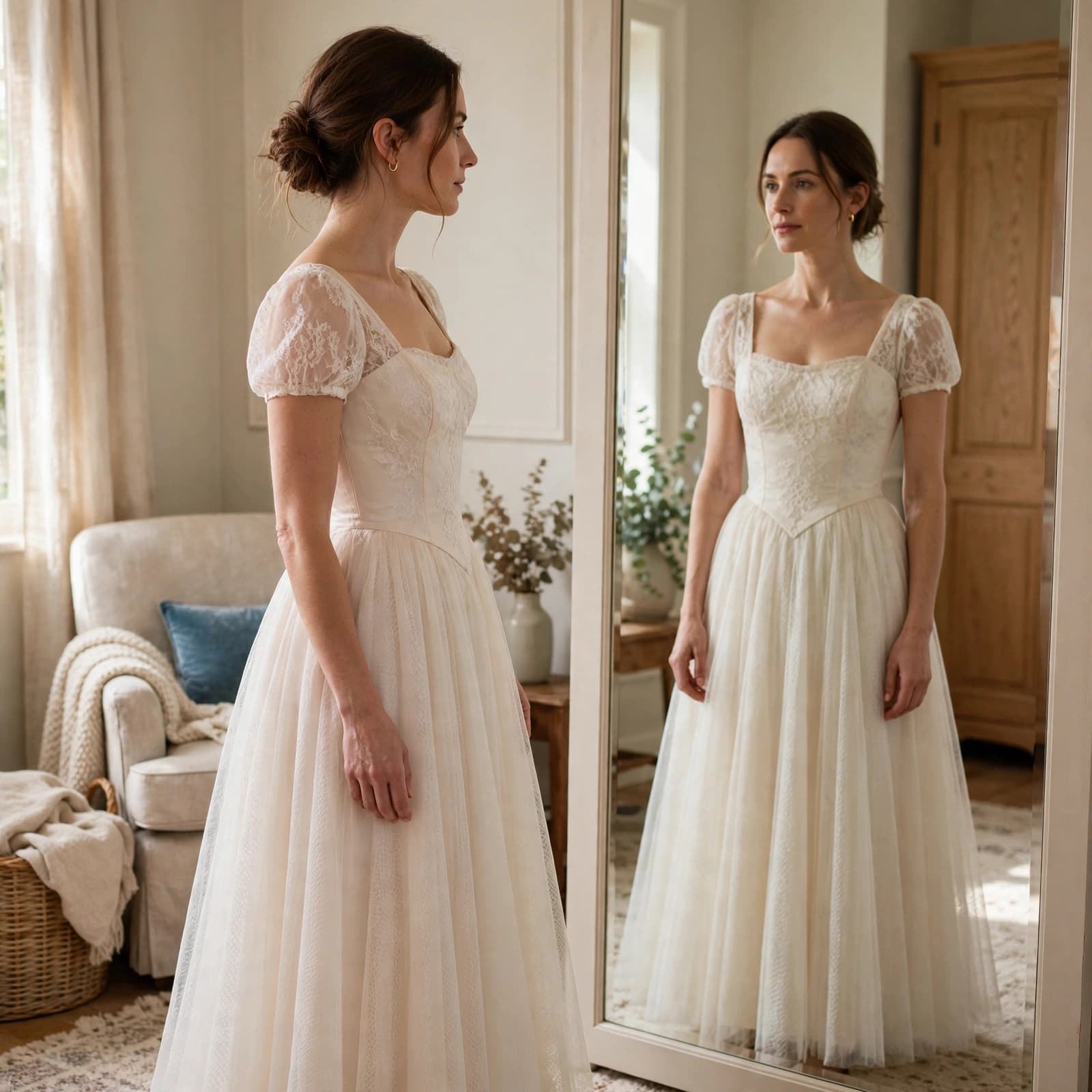
During a fitting, sit down, walk normally, raise your arms and try a few dance steps. The neckline should stay in place without pulling or repeated adjustment.
A Cinderella-inspired skirt should let the wearer sit comfortably, without pulling across the waist. Rapunzel-style sleeves should allow the wearer to raise their arms freely.
Secure straps, a lined bodice and a hem clear of the floor are useful starting points. Try the intended shoes and underwear too, as both can change how the dress sits.
Children need room to play and use the toilet comfortably. For older wearers, consider preferred coverage and support without imposing body rules. The right dress accommodates the wearer’s usual movements and sensory preferences.
Assess Fabric, Fit and Durability Before You Buy
Judge construction alongside appearance. Soft lining and tidy seams can contribute more to enjoyment than an extra layer of decoration.
What to look for in tulle, satin, cotton and embellishments
Tulle adds volume with relatively little weight, but rough edges can scratch bare skin. Satin looks smooth and dressy, although it can snag or show creases. A Belle-inspired satin or embellished design still needs comfortable fabric and secure trim, whatever the theme. Satin describes a weave, so read the fibre composition rather than assuming it’s silk.
Cotton often feels breathable and comfortable, but may offer less formal structure. On a Costume Dress, check that the lining covers scratchy trim, then inspect seams, hems and zips. Look for securely attached beads or sequins; loose threads, puckered seams and exposed trim backing deserve attention.
Use measurements, not just the size label
Compare bust, waist and relevant hip measurements with the product chart. For children, include height and age guidance; for everyone, consider the stated dress length.
UK size labels vary between makers. A fitted, non-stretch bodice needs enough ease for breathing and sitting, even when the waist measurement looks right.
Stretch in the outer fabric won’t help movement if the lining underneath has no give.
A tailor can adjust some hems or straps. Avoid relying on major alterations to rescue an unsuitable cut.
Judge comfort and care alongside appearance
Feel the lining and fastening areas against the skin. Then assess skirt weight and whether any boning presses when sitting.
Read the care label before buying. Delicate trims may require hand washing or specialist cleaning, which adds effort and cost.
For repeat wear, favour sturdy stitching and manageable care. Plain areas around the underarms can also reduce rubbing from embellishment.
Buy a Princess Dress Online with Better Choice and Fewer Surprises
Online shopping brings more lengths, colours and sizes into view. It also makes comparing similar dresses easier, with time to examine details without pressure.
Some listings show themed variations, such as a Princess Costume or Disney Princess design, while a Dress and Tiara listing may bundle accessories. Check what’s included, the garment measurements and return conditions before ordering.
Prices may be lower, but colour differences and uncertain fit remain drawbacks.
Compare total value, not just the ticket price
Lower-cost costume designs can make sense for occasional dress-up. However, simpler lining and decoration may limit comfort or longevity.
Mid-range occasionwear can offer better finishing and repeat-wear potential. Premium designs may add detailed beadwork or complex construction, although a higher price doesn’t guarantee better fit.
Include delivery, alterations and cleaning in your budget. A dress worn repeatedly can offer better value than a cheaper one left unworn.
Read product details and make returns part of the plan
Review garment measurements, fabric composition, lining, fastening and care instructions. Costume materials and care requirements vary, so check both before you buy.
Read recurring review comments about sizing, scratchiness and construction rather than relying on stars. For a Sleeping Beauty dress, compare the colour, trim and construction in listing photos with the written product details.
Allow time for delivery and a possible replacement. Before ordering, read the returns deadline, return postage charges and any conditions affecting personalised or made-to-measure garments.
Keep packaging and try the dress indoors, with tags attached. Look at the colour in daylight because screens and indoor lighting can change its appearance.
Weigh the pros and cons, then decide whether to buy
Balance the wider selection against return effort and fit uncertainty.
- Buy it if the measurements, construction and returns terms support your plans, and the fuller silhouette feels enjoyable.
- Skip it if the dress needs major adjustments, exceeds your care budget or restricts movement.
A simpler A-line party dress or versatile occasion dress may earn more outings.
Frequently Asked Questions
What is the difference between a princess dress and a ballgown?
A princess dress describes a broad look or theme, so it can be short, informal or costume-based. A ballgown usually means a formal silhouette with a fitted bodice and a very full skirt. The terms overlap, but they aren’t interchangeable: a lightly flared party dress can have princess styling without being a ballgown.
Can a princess dress be worn to a wedding?
Yes, when its level of formality suits the invitation, venue and couple’s guidance. For adult guests, white or ivory designs with bridal-looking details are generally best avoided unless requested. A restrained A-line version often fits more wedding settings than a heavily embellished gown with a sweeping skirt.
How can I make a princess dress more comfortable?
Identify the cause of discomfort before adding anything underneath: rough seams, slipping straps and excess length need different solutions. A suitable soft base layer can reduce contact with scratchy fabric, whilst a small alteration may improve straps or the hem. Avoid adding tight layers that make the bodice feel more restrictive, and repeat the movement test afterwards.
How should I store a princess dress after wearing it?
Follow the care label and put the dress away only when it’s clean and fully dry. Use a suitable hanger and breathable garment cover where the construction allows, keeping delicate trims clear of neighbouring clothes. Heavy beaded garments may need flat storage so their weight doesn’t stretch the shoulders; avoid crushing tulle under other items.
Final Verdict: Buy for Comfort as Well as Appearance
A worthwhile princess dress combines the right occasion, comfortable fit and sound construction. Fabric quality matters, but so does whether you can enjoy wearing it for the full event.
Before ordering, compare measurements, care requirements and total costs. Buy it if the style feels right and the practical details support it.
Skip it if movement, upkeep or major alterations would make wearing it a chore. The dress should look the part without demanding your attention all evening.