Online clothing stores are worth using for wider choice and convenient comparison, provided you check fit, fabric and total costs. Finding clothes that suit your style, feel comfortable and stay within budget takes more than spotting an appealing photograph.
You can browse women’s clothing, menswear and accessories without travelling between shops, but good value depends on the details. Size guides, care instructions and return terms help you judge whether an item deserves a place in your wardrobe.
Start with what you need, then compare the options against how you’ll wear them.
Key Takeaways
- Online shopping gives you more styles and sizes to compare, although availability varies between sellers.
- Use product-specific measurements and fit notes rather than relying on your usual UK size.
- Check fabric composition, construction and care requirements before judging a garment’s quality.
- Include delivery charges and potential return costs when comparing prices or assessing a discount.
- Plan purchases around your existing wardrobe, keep order records and understand your cancellation rights before paying.
Online clothing stores make it easier to find more choice
A wider selection helps when local shops don’t stock your preferred cut, size or occasionwear. You can also compare several suitable pieces without feeling pressured to decide in a fitting room.
Shop for clothing, shoes and accessories in one place
Many stores bring together women’s dresses, men’s shirts, polo shirts, knitwear, trousers and outerwear for everyday wear, alongside shoes, bags and jewellery. Some also sell perfume, aftershave, lingerie, swimwear, seasonal accessories and sleepwear such as a pyjama set.
Casual wear can include Hawaiian summer shirts, cargo combat shorts, fleece jogging bottoms and a crew-neck sweatshirt, with practical options for active kids and outdoor activities.
Browsing related categories helps you plan a complete outfit. For example, check whether a dress works with footwear and a coat you already own before adding accessories.
The same approach supports a capsule wardrobe: a smaller collection of compatible clothes that you wear regularly. Start with basic essentials rather than buying a matching set for every occasion.
Use the wider choice to compare style, size and price
First, filter by size, budget, colour and garment type. Then save a shortlist so you can compare descriptions without repeatedly searching.
Stock and size ranges vary between stores. Check petite, tall or extended sizing where relevant, rather than assuming every garment comes in the same proportions.
When comparing polo shirts, check the fit, fabric composition and care instructions. A cotton blend and a polycotton blend may feel and wash differently. Consider whether short sleeves or a long sleeve style suits the season and intended use.
Read reviews for repeated reports of shrinkage, transparency or awkward fastenings. Individual preferences differ, so look for patterns rather than treating one review as decisive.
The practical advantages come with trade-offs:
- You can browse outside shop opening hours and compare potential purchases with clothes already at home.
- Delivery takes time, returns need organising, and photographs can’t replace touching fabric or trying something on.
How to choose clothes online that fit and last
Assess fit and construction before deciding whether a price looks reasonable. A beautiful garment offers little value if it restricts movement or needs care you won’t manage.
Check measurements, garment details and fit notes
Use the item’s own size chart because UK size labels aren’t consistent across brands. Measure your chest or bust, waist and hips, plus inside leg where needed.
Check whether the chart gives body measurements or garment measurements. These aren’t interchangeable: clothing usually needs extra room for movement, unless its stretch and intended fit allow otherwise.
Next, measure a similar garment that fits you comfortably. Comparing its length, shoulder width or waistband with listed dimensions can clarify an unfamiliar cut and help you judge whether it offers a comfortable fit. For polo shirts, compare chest and sleeve measurements too: short sleeves and a long sleeve cut can sit differently across brands.
Read descriptions such as fitted, relaxed fit and oversized alongside information about stretch and lining. Model measurements provide context, but they don’t guarantee the same fit on you.
Read fabric and care information before buying
Cotton often suits everyday wear, whilst wool offers warmth and silk has a smooth feel and fluid drape. A cotton blend can alter a fabric’s feel, but natural fibres don’t automatically mean better durability.
Polyester can be affordable, hard-wearing and quick-drying. A polycotton blend may be easy to care for, but check its construction for a breathable fabric. A cotton blend top with short sleeves may suit warm weather, while a long sleeve version offers more coverage; feel and performance still depend on weight, weave and finish.
Look for lining information, close-up photographs and clear fibre percentages. Even stitching, secure buttons and neatly finished seams are useful construction checks when the item arrives.
Also read washing and drying instructions. Dry-clean-only clothing brings ongoing costs, whilst unsuitable heat can damage delicate fabrics. For outdoor activities, check whether an item has a water-resistant finish and follow its care instructions. Store knitwear folded and repair loose buttons early.
Choose versatile pieces before adding more clothes
For everyday wear, choose pieces that work with clothes you already own. Consider the occasion, your normal footwear and whether the cut feels comfortable whilst sitting or walking.
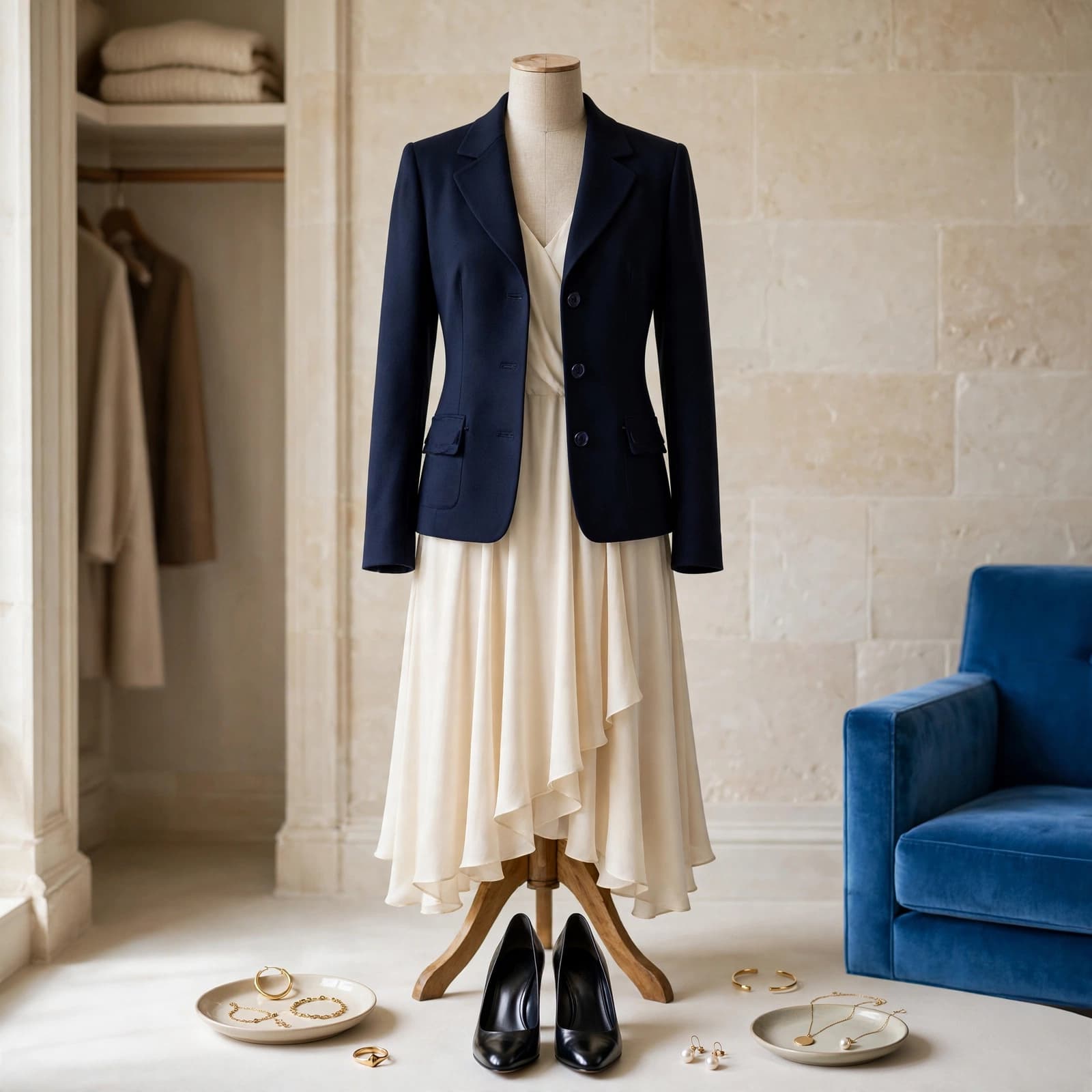
A simple dress can suit different settings with a change of shoes and outerwear. Polo shirts in a cotton blend offer a practical choice, with short sleeves for warmer days or a long sleeve style for layering.
An AI outfit ideas assistant can help you explore combinations, including practical looks for active kids. Give it the occasion, main garment, style preference, fit requirements, budget, colours and footwear. For outdoor activities, request cargo combat shorts with an elasticated waistband and a relaxed fit, layered with a zip-up hoodie with a lightweight design. Add practical details such as arm coverage, bra-friendly necklines or a jacket you want to reuse.
Ask for three complete outfits with layers and accessories. Then check suggestions against the weather, dress code and your comfort preferences, whether you’re choosing layers or a pyjama set. An assistant can’t verify a product’s fit or how its fabric feels.
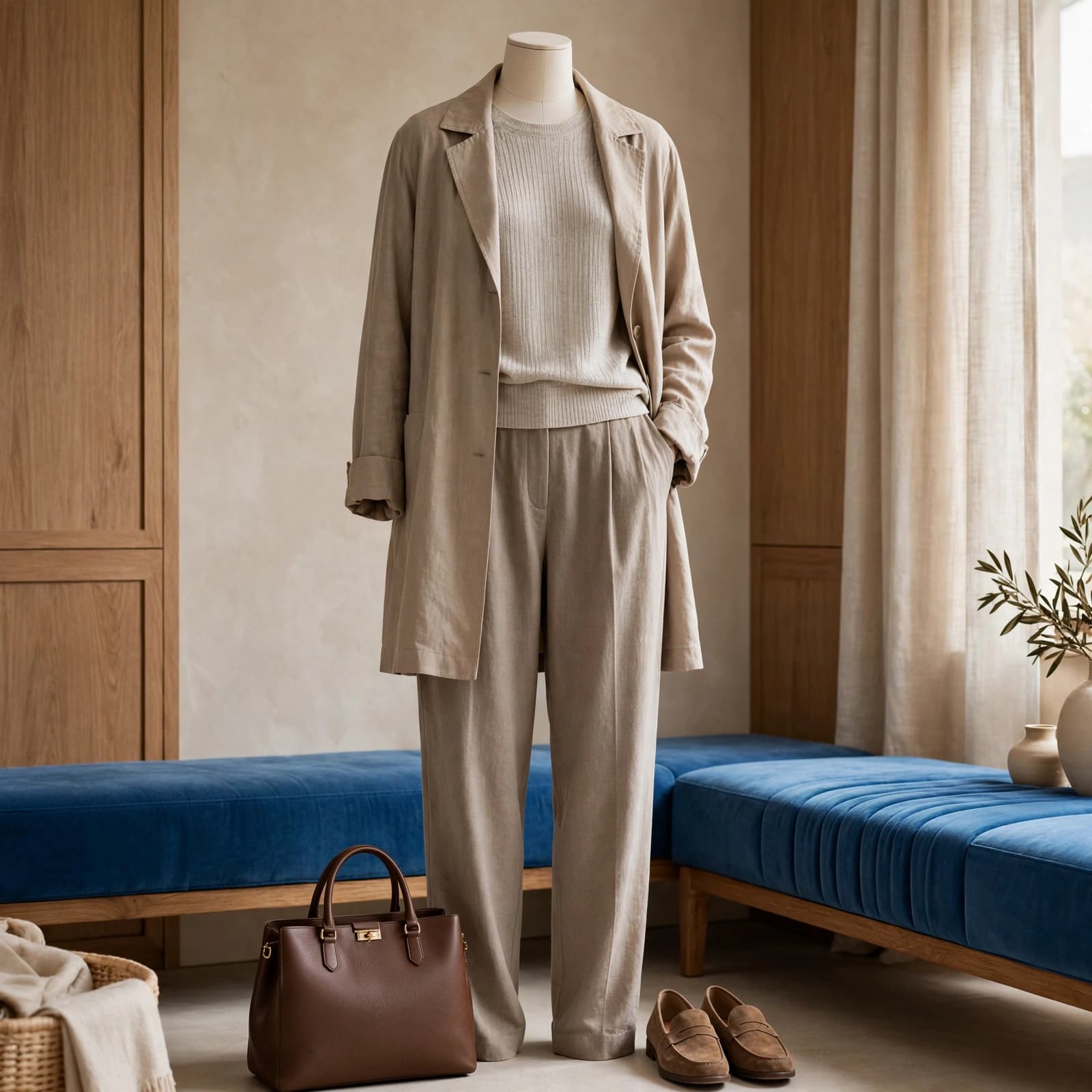
Prioritise pieces you’ll rewear across seasons. Changing a scarf, bag or jewellery can refresh familiar clothes without replacing the whole outfit.
Check jewellery, perfume and aftershave separately
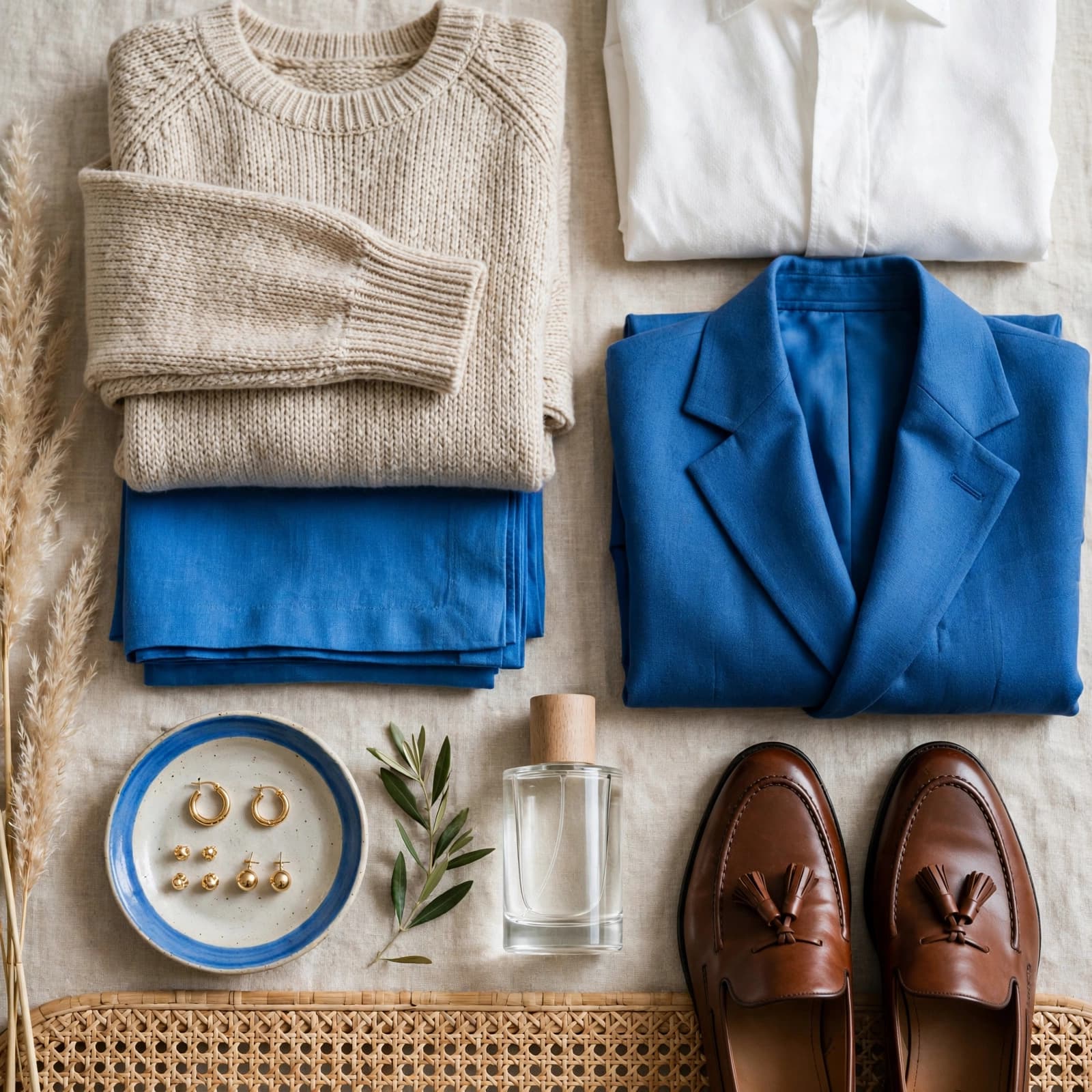
Accessories need different checks from clothing. A photograph shows appearance, but it won’t explain metal composition, necklace length or how a fragrance develops on your skin.
Look beyond the shine of jewellery
Read whether jewellery is solid metal, plated or made from an alloy. These descriptions affect price, care and how the surface may wear over time.
Check ring measurements, chain length, earring dimensions and fastening details. If you have a known metal sensitivity, seek clear material information rather than relying on vague claims about suitability.
Compare fragrance size and concentration
For perfume and aftershave, compare bottle volume and concentration as well as price. Eau de toilette, eau de parfum and aftershave lotion aren’t identical products.
Price per 100 ml helps compare different bottle sizes. However, a larger bottle offers poor value if you won’t use it. Try a sample where possible, because scent descriptions can’t predict your personal preference.
How to buy online safely and get better value
Online clothing stores make comparison easier, but a sale label doesn’t establish value. Before checkout, review the full cost and the terms that apply to your order.
Compare the total price, not just the discount
Add delivery charges and check possible return postage. For orders shipped from abroad, also establish whether taxes or other charges are included.
Read promotion conditions, including minimum spend and exclusions. A multi-pack can make affordable clothing better value if you’ll use every item. Adding something unwanted to qualify for a discount can increase your spending.
A shortlist and price-drop alerts can help when a purchase isn’t urgent. Compare similar garments by fabric, construction and expected use, rather than headline price alone. A winter bomber jacket may cost more upfront, but could offer better value if it’s well made and gets regular wear.
Cost per wear is another useful check. Divide the purchase price by how many times you realistically expect to wear it. Include likely cleaning or alteration costs when assessing expensive pieces.
Check delivery, returns and your consumer rights
Look for dispatch estimates, delivery times, return deadlines and refund methods. Check where returns go, especially when a seller ships internationally.
For most online purchases from a business, UK rules give you 14 days after receiving goods to notify the seller of cancellation. You then generally have another 14 days to return them.
Exceptions apply, including certain personalised goods and sealed hygiene-sensitive products once unsealed. Return postage may be your responsibility when the seller has told you beforehand.
A seller’s voluntary returns policy is separate from statutory rights. A restrictive policy doesn’t remove your rights when goods are faulty or misdescribed.
Consult current official UK consumer guidance for exact conditions before ordering.
Protect your details and keep the order record
Check the seller’s identity, contact details and payment address before entering card information. Use a trusted connection and remember that a padlock indicates encryption, not proof that a seller is genuine.
Provide only information needed for payment and delivery. Avoid creating an account unnecessarily, and use a unique password when you do.
Save your confirmation, product description, size chart and return instructions until the purchase is settled. Screenshots help if a listing changes.
When the parcel arrives, inspect the garment and try it on indoors before removing tags. Keep packaging and follow return instructions if it doesn’t suit you.
Frequently Asked Questions
Are online clothing stores cheaper than high-street shops?
Prices can be lower, similar or higher. Online discounts may help, but delivery and return charges can cancel out the saving. Compare the final payable price with an equivalent garment’s quality and usefulness.
How can I choose the right size when shopping online?
Use current personal measurements, the product-specific size chart and fit notes together. Polo shirts with short sleeves and long sleeve tops can have different fits. If you fall between sizes, ask the seller for garment measurements rather than guessing. Check return terms before ordering either size.
What should I check before ordering clothes online?
Review fabric composition, measurements, care instructions, total price, estimated delivery and returns information. If an essential detail is missing, ask for clarification before paying. For a pyjama set or occasionwear, allow enough time to check the fit and arrange an exchange.
Can I return clothes bought from an online store?
Usually, but the rules depend on what you bought and whether the seller is a business or private individual. Statutory cancellation exceptions can apply, and faulty goods involve different rights. Check official consumer guidance alongside the seller’s policy.
Buy for your wardrobe, not just the photograph
Online clothing stores can save time and widen your options when you look beyond styled photographs and headline prices. The strongest purchases combine comfortable fit, suitable fabric and manageable care with a price you can justify.
Check delivery and return details before committing. Those practical terms matter as much as the garment itself when shopping remotely.
Plan what you need, compare suitable options and buy when the details support your choice. A considered purchase earns its place in your wardrobe when it suits everyday wear and gets regular use.