Verdict: A corset dress is worth considering when its bodice feels secure, its skirt suits the occasion and you can move comfortably in both. The fitted upper half can look striking, but a fashionable silhouette isn’t much use if you’re adjusting it all evening.
Some dresses have substantial boning and adjustable lacing; others create the same look with seams and softer fabric. That difference affects support, sizing and what you can wear underneath. Before you buy, check the construction as closely as the colour or neckline.
The right choice comes down to your preferences and plans, rather than a rule about what you should wear.
Key Takeaways
- A corset-style bodice can be firmly structured or mainly decorative, so check what provides the fit and support.
- Compare your bust, waist and hip measurements with the garment’s size chart, not your usual dress size.
- Choose a mini dress, midi dress or maxi dress, and make sure you can sit, walk and raise your arms comfortably.
- Judge value by construction, care needs and how often you’ll wear the dress.
- Online choice is wider, but clear measurements and workable returns matter more than a flattering photograph.
Corset Dress Styles: What Makes Each Design Different?
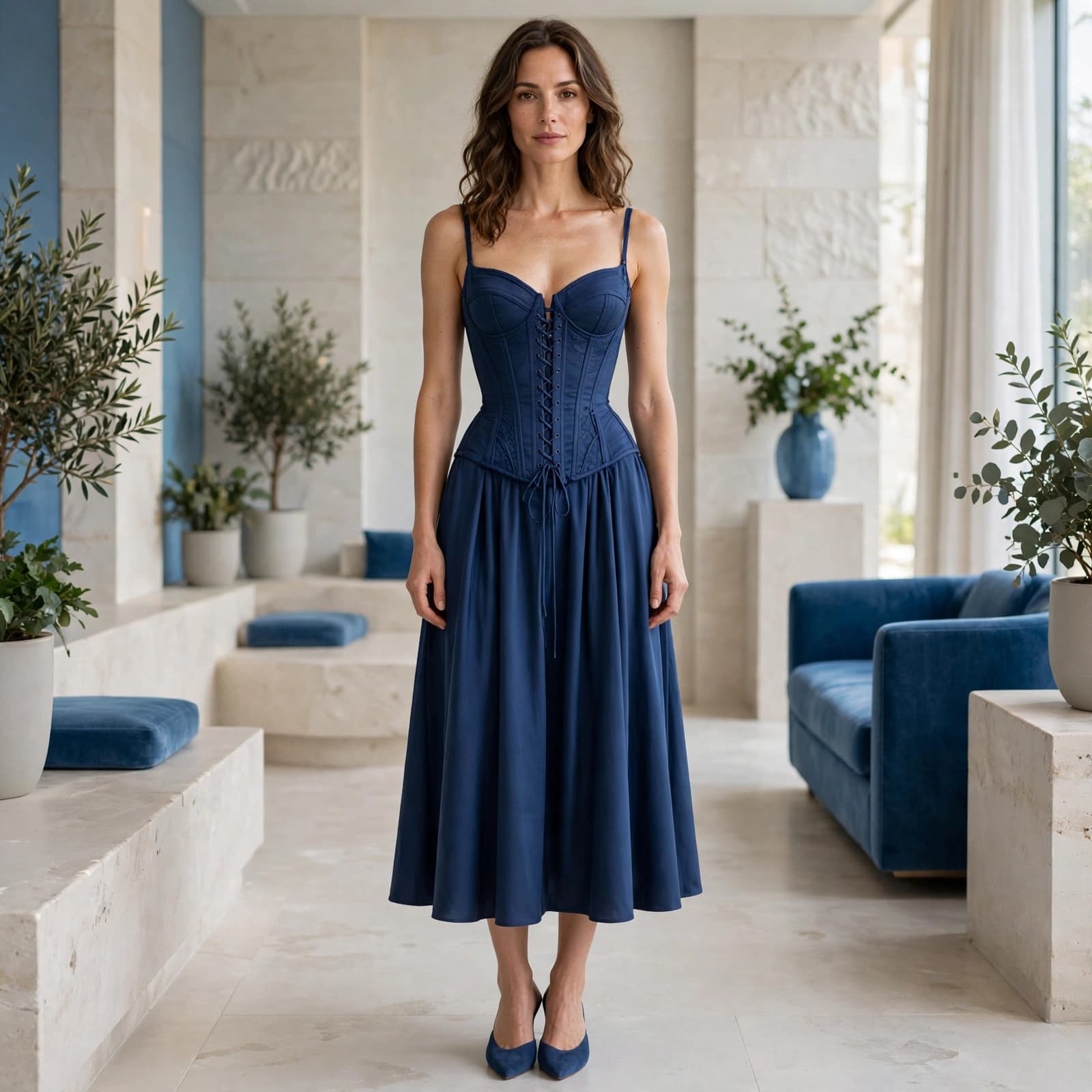
A fitted, corset-inspired bodice is paired with a skirt, using boning, lacing, shaped panels or seams to define its outline. A bustier dress may share the look, but the name doesn’t promise a fixed level of compression or bust support.
That distinction matters when comparing photographs. A satin corset style may hold its shape independently, while another relies on stretch fabric and a close fit, even with a sweetheart neckline.
From boned bodices to corset-inspired seams
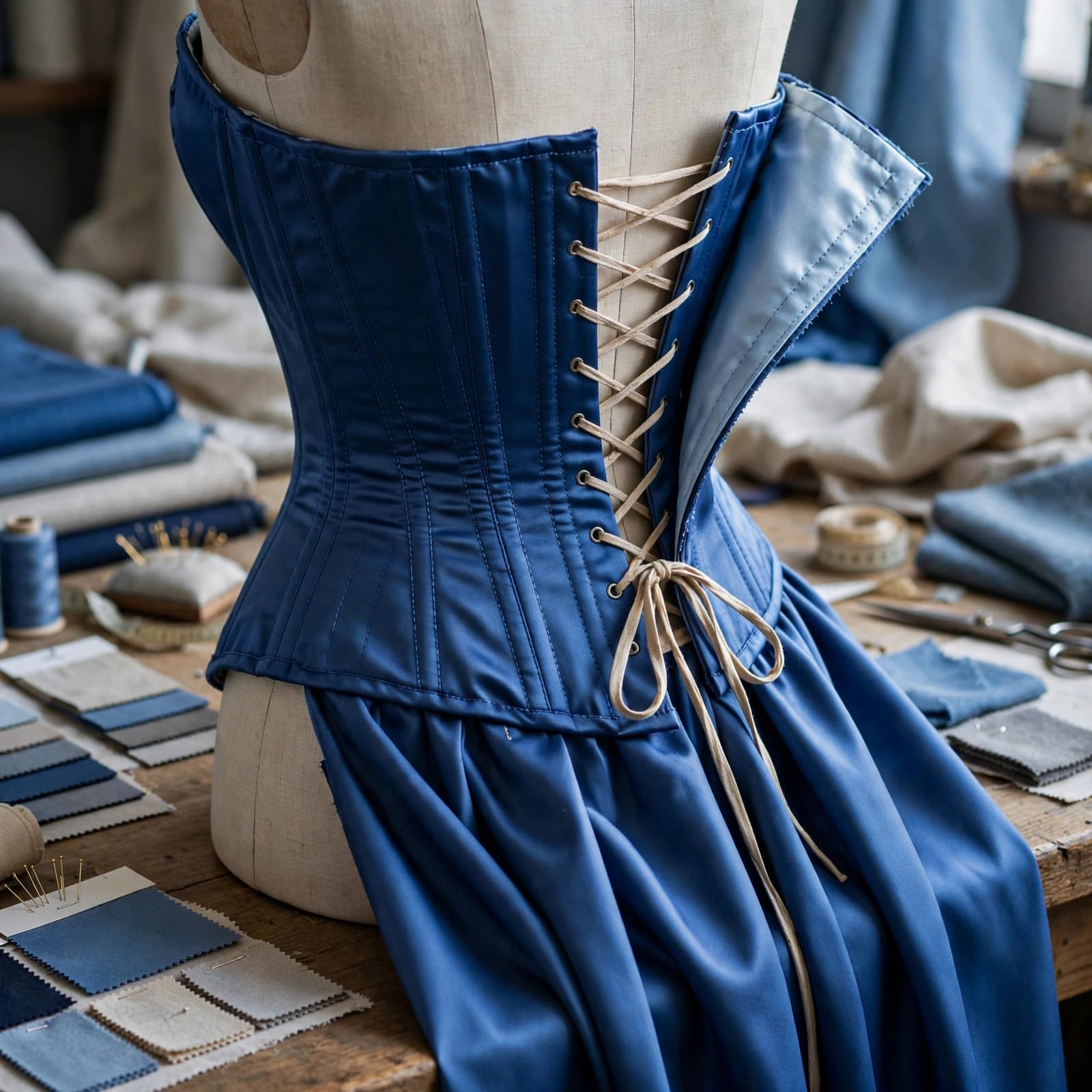
Boning helps a bodice keep its shape. Flexible boning moves with you, while firmer construction may feel more rigid, especially when sitting. Neither is automatically better: check whether the boning presses into your waist or underarm, and whether the lining stops channels rubbing against your skin.
A corset-look dress may have curved seams or contrasting panels but no boning at all. Seams can suggest waist cinching, but the appearance of structure doesn’t guarantee the support you want. Some designs let you lace up the back for a closer fit. A back you lace up offers some adjustment, but it won’t correct cups with the wrong shape or a bodice that’s too short. Lace up gradually and check that the fastening closes smoothly without pulling.
These are clothing details, not promises of body shaping or medical support. Choose the level of structure that feels right to you.
Choose a length and neckline for the occasion
A mini dress can suit a party, particularly with flats or a comfortable block heel. Another mini dress in a floral print and puff sleeves can feel playful; cotton poplin gives it a crisp finish, while lace detailing adds texture. For party dresses, choose a style that feels comfortable as well as occasion-appropriate.
A midi dress offers more coverage for many weddings and smart events; a maxi dress can suit an evening occasion when its fabric and finish match the invitation. A tiered dress allows easy movement, but check that a fitted skirt has enough room for walking.
Strapless designs put more work on the bodice to stay in place. A sweetheart neckline curves gently, while a square neckline gives a straighter, more tailored outline. Puff sleeves can soften a square neckline, while straps can add coverage and help the dress feel secure. There isn’t one correct neckline or length for a particular event.
How to Choose a Corset Dress That Fits and Feels Comfortable
A good fit feels secure without making you shorten your breath or plan every movement. You should be able to stand naturally, sit down and enjoy the occasion without repeatedly tugging at the neckline. If the dress only works while you’re standing still, keep looking.
Fit is personal. You might prefer a defined waist and fuller skirt, or a softer bodice with a closer-fitting hem. A Bustier Dress can feel more structured, while a Mini Dress or Midi Dress changes how much leg coverage you get. Neither choice needs to follow a body-type rule. Focus on where the garment touches you and whether you like how it feels.
Check your measurements, size chart and bodice support
Measure your bust at its fullest point, your waist where the bodice will sit and your hips at their fullest point. Keep the tape level and comfortably close to the body. Then compare all three numbers with the specific garment’s size chart. A familiar UK dress size isn’t a reliable substitute because labels and cuts vary.
Look for actual garment measurements where available. A chart of body measurements tells you what size the maker recommends; garment measurements help you judge how much room the finished dress has. Stretch in the fabric can make a close fit easier to wear, while a Lace Up back may allow some adjustment. A firm, non-stretch bodice has less give. If you’re between sizes, the larger option may be more comfortable, provided the bust remains secure.
Cup shape and torso length deserve particular attention. Cups that sit too high or low won’t necessarily improve with tighter lacing. Likewise, a bodice that’s too short can push its lower edge into your ribs when seated. If you’re shopping in Plus Size, Petite or Tall ranges, compare torso measurements as well as total dress length.
A tailor can sometimes shorten straps, take in a seam or adjust a hem. Major changes to boning, cups or heavy embellishment are more involved, so don’t buy an uncomfortable dress assuming alterations will solve it.
Test movement, fastening and underwear options
Try the dress with the underwear and shoes you expect to wear. Sit on a chair, raise your arms and walk at your normal pace. A Square Neckline may feel more open across the chest, while Puff Sleeves can affect how freely you raise your arms. Check that the skirt doesn’t ride up more than you’re happy with and that the fit stays secure without being painfully tight. For a long event, spend more than a quick minute in it.
Fastenings need attention too. A zip should run without catching the lining; hooks should lie flat; a Lace Up fastening should stay tied at a comfortable tension. If you need help fastening the dress, make sure that arrangement is practical on the day.
Some styles have cups or enough internal structure to wear without a bra, while others don’t. For a strapless dress, check whether your preferred strapless bra sits below the neckline and stays hidden at the back. Smooth, discreet underwear can help beneath thin skirts. Construction determines what works, so test the whole outfit rather than guessing from a product photograph.
Buying a Corset Dress Online: Quality, Price and Styling
Online shopping makes it easier to compare lengths, fabrics and prices than a single shop visit. It also means you can’t feel a lining or try the fit before ordering. Give construction details and return terms the same attention as the styling photographs.
Look closely at fabric, lining and construction
Fabric changes the feel of a dress. Cotton poplin may feel more breathable in warm weather, depending on its weave and lining, while a silk blend has a softer finish. Satin corset dresses look dressier, while velvet adds visual depth and usually feels warmer. Lace detailing, puff sleeves and a square neckline affect the look, but none alone tells you whether a garment will last.
Check the fibre composition, stretch content and care label. Inside photos should show whether the lining covers boning channels, lace detailing is neat and puff sleeves are well finished. At the back, inspect how the lace up fastening is anchored or how neatly the zip joins the fabric. A gathered skirt should hang evenly; a fitted one needs seams that don’t strain across the hips.
Care is part of quality. A delicate fabric that needs specialist cleaning might suit an occasional outfit, but it may be less convenient for frequent wear. If a listing leaves out material or care information, ask before committing.
Judge the price by cost per wear, not appearance alone
A lower-cost mini dress can make sense for one event if it fits well enough and meets your expectations. A more expensive option earns its place for occasionwear when better construction, a dependable fit and easy styling lead to repeat wear. Divide the full cost, including any alterations or cleaning, by the number of times you expect to wear it.
Be realistic about that number. An ornate evening gown might be perfect for one invitation yet hard to restyle. A simpler design can change character with a jacket, different shoes and jewellery. Seasonal discounts and price alerts can help, but a reduced price doesn’t make a poor fit good value.
The main trade-offs are straightforward:
- A shaped design gives definition and can make a simple dress feel ready for an occasion.
- An adjustable lace up back may help fine-tune the fit, within the limits of the cup and torso shape.
- Firm boning or a tight skirt can make long periods of sitting uncomfortable.
- Some fabrics and fastenings need more careful cleaning, storage and repairs.
Compare online listings and plan a complete outfit
Check whether measurements describe your body or the finished dress. Then read customer comments for recurring points about bust fit, torso length, fabric weight and colour in ordinary light. A single review is less useful than a consistent pattern. Photographs can also shift colour, particularly on shiny fabric.
Before ordering, confirm delivery costs, return postage, the condition required for returns and when to expect a refund. Allow time to try the dress and choose another if needed. Wider online selection and quick price comparisons are useful only when you can make a confident decision about fit.
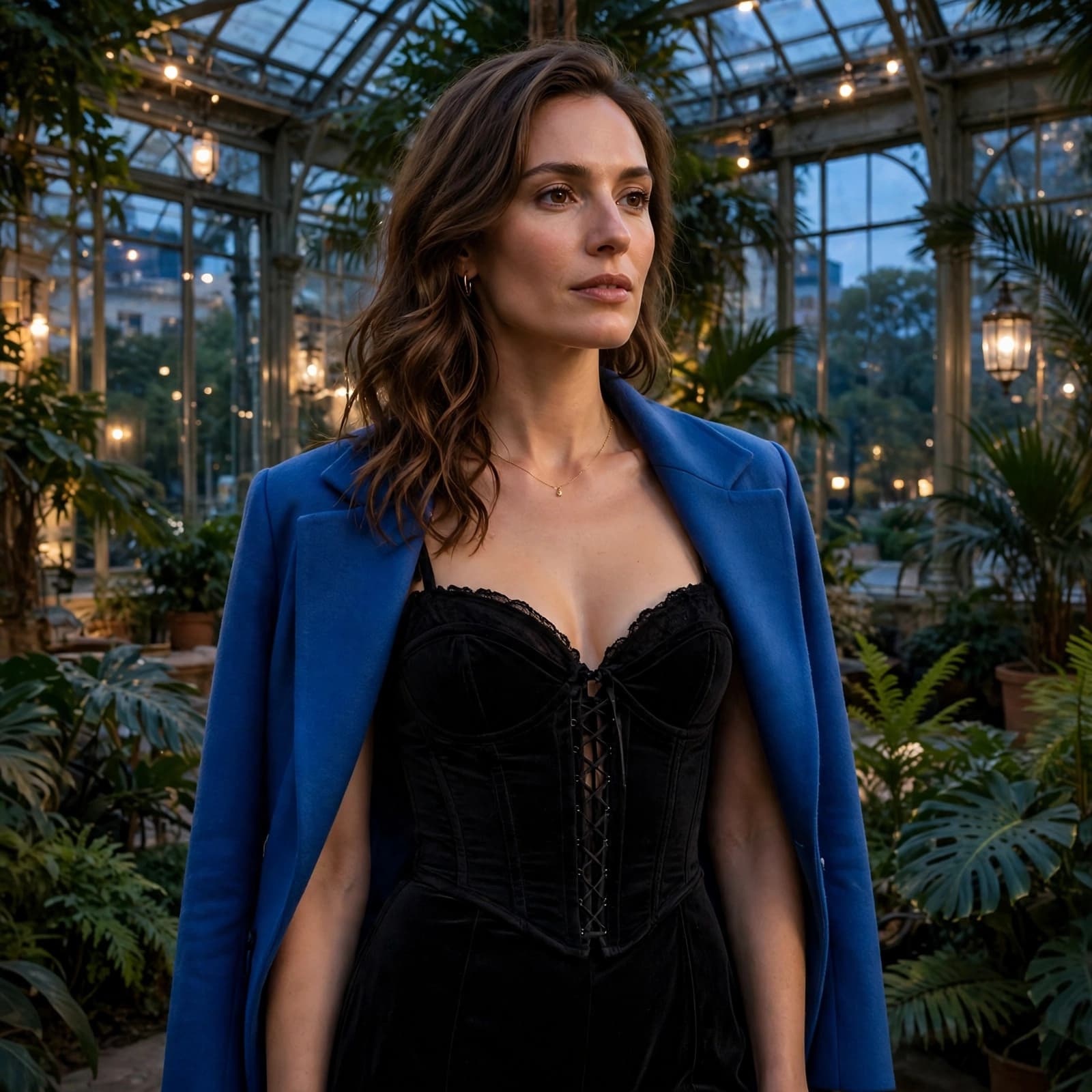
Build the outfit around the dress’s level of detail. For a party, a simple mini dress could take a relaxed blazer, comfortable block heels and small earrings. For wedding guest dresses, a midi dress might work with a light wrap, flats and an understated bag. For an evening event, a plain maxi dress can take a tailored jacket and restrained jewellery. In each case, choose shoes you can stand in and a layer that sits comfortably over the fitted top.
Frequently Asked Questions
Can you sit comfortably in this style?
Yes, if the structure gives you room to bend at the waist. A lace up back can offer adjustment, but the fit may still press against your ribs or thighs when seated. Test it sitting and bending before wearing it to a long meal or event.
Are corset dresses suitable for wedding guests?
They can be, if the length, fabric and formality suit the invitation, whether you choose a mini dress or an evening gown. Avoid white and any colour the couple has asked guests not to wear. If you’re unsure about the dress code, a square neckline with an added layer may help you feel more comfortable.
How should you wash and store a corset dress?
Follow its care label rather than assuming every corset-style dress can go in the washing machine. Handle boned sections, lace detailing and fastenings gently, and let the garment dry as instructed. Store it so the bodice keeps its shape, using a suitable hanger or careful folding according to the fabric’s weight.
Can a corset dress be worn in colder weather?
Yes. For a square neckline, a tailored jacket or coat can add warmth without hiding the dress throughout the event. A fine knit may suit a simpler style with puff sleeves. Fabric weight and sleeve coverage matter too, so plan for the journey as well as the indoor venue.
Final Verdict: Buy for the Fit, Not the Photograph
This style is worth buying when its structure feels comfortable, its fastening stays secure and its finish suits how often you’ll wear it. Check the return policy before ordering, especially if you haven’t tried that cut before.
Buy it if the Bodice lets you move easily and you can picture wearing the dress for your occasion. Skip it if the fit depends on painful tightness or extensive alterations. Choose a design that feels like your style when you’re sitting and walking, whether it’s a Mini Dress or a longer style, not only when you’re posing.